
Air fryers have revolutionized home cooking, offering a fantastic way to enjoy deliciously crispy foods with significantly less fat and in less time. This innovative appliance is more than just a trend; it’s a game-changer for anyone seeking healthier, convenient meal solutions. We absolutely love our air fryer and are excited to share comprehensive information. Whether you’re considering purchasing one or already own an air fryer and are looking for advanced tips and mouth-watering recipes, this Ultimate Air Fryer Guide is designed to help you master this incredible kitchen tool.
Ultimate Air Fryer Guide: Healthier, Crispier Meals Await
Welcome to your complete resource for air frying! In this guide, we’ll dive deep into everything you need to know about air fryers, from understanding their unique cooking mechanism to selecting the perfect model for your kitchen, and mastering essential techniques for consistently delicious results. Prepare to transform your culinary routine and discover how easy it is to create crispy, flavorful dishes with minimal oil.
A Different Type of Cooking: Understanding How Air Fryers Work
At its core, an air fryer stands apart from traditional cooking methods due to its innovative use of convection technology. While conventional ovens and stovetops rely on a stationary heating element to generate warmth, an air fryer takes this a step further. It integrates a powerful heating element with a high-speed fan, which rapidly circulates hot air around your food. This accelerated air movement is precisely what allows food to cook much faster and achieve that coveted crispy exterior, reminiscent of deep-frying but without the excessive oil. Indeed, if this description reminds you of a convection oven, you’re on the right track – air fryers can be thought of as compact, super-efficient convection cookers designed for everyday convenience.
The intense circulation of hot air minimizes the need for copious amounts of oil. For most air fryer recipes, you’ll find that only a very small amount of oil is required, if any at all. We highly recommend using an olive oil spritzer to apply a thin, even coat. This method allows you to add just enough oil to promote browning and crispiness without drenching your food. A crucial tip for air fryer owners: avoid aerosol cooking sprays. The propellants in these sprays can react negatively with the nonstick coating of your air fryer basket, potentially causing damage over time. Opt for a non-aerosol, pump-style oil mister instead to preserve your appliance’s longevity and performance.
Choosing Your Perfect Air Fryer: Size and Style Considerations
When it comes to selecting an air fryer, one piece of advice consistently rings true: the bigger, the better! The secret to uniformly cooked and incredibly crispy air-fried dishes lies in allowing food to cook in a single layer. A larger surface area means you can cook more food at once without overcrowding, ensuring optimal airflow and even crisping. Even if you’re primarily cooking for one or two people, a generously sized air fryer offers versatility and convenience. Imagine being able to fit full slices of bread for delightful air-fried grilled cheese sandwiches – a truly toasty and satisfying experience!
Air fryers typically come in two main styles: the popular basket-style (drawer-style) and the oven-style (with shelves).
- Basket-Style Air Fryers: These are characterized by a pull-out drawer or bucket that holds the food. They are often more compact and ideal for smaller batches of items like fries, chicken wings, or vegetables. The enclosed design helps to concentrate heat and air for maximum crispiness.
- Oven-Style Air Fryers: Resembling a mini countertop oven, these models feature multiple racks or shelves. They offer greater capacity and versatility, making them suitable for larger meals, roasting a whole chicken, or even baking. While they provide more cooking space, ensure your recipes are adapted for even cooking across multiple layers, as airflow can be slightly less direct than in a basket model. If you plan on preparing larger items like whole roasts or cakes, an oven-style with adjustable shelves might be more practical.
Consider your household size, typical cooking needs, and available counter space when making your decision. Brands like Ninja, Philips, Cosori, and Instant Pot offer a wide range of models, each with unique features such as digital presets, shake reminders, and varying wattages. Investing in a slightly larger model than you think you need will often pay off in terms of convenience and cooking efficiency.
Mastering Air Frying: Easy Tips for Delicious Results
The prospect of using a new appliance can sometimes feel intimidating, but air frying is genuinely easy and incredibly rewarding! Our goal with this Air Fryer Guide is to demystify the process. Rest assured, as long as you follow basic instructions, you’ll quickly become an air frying pro. In fact, air fryers are considerably safer than traditional deep-fat frying, eliminating the hazards of managing and disposing of vats of boiling oil. This makes them an excellent tool for beginners and experienced cooks alike.
Key Air Frying Principles:
- Adjusting Cook Times & Temperatures: Due to the powerful circulating air, foods cook faster in an air fryer. A general rule of thumb is to reduce both the cook time and temperature by approximately 25% when adapting standard recipes. For instance, if a recipe calls for baking at 400°F for 20 minutes, try air frying at 300-325°F for 15 minutes, then check for doneness.
- Reference Cheat Sheets: Numerous air fryer cheat sheets are readily available online, and often included with your appliance, providing quick reference for common foods.
- Patience is Key: While faster than baking, air frying is still slower than traditional deep-fat frying. Embrace the process; the healthier, crispier results are worth the wait!
- Prevent Light Foods from Flying: The vigorous airflow can sometimes cause lightweight items, such as the top slice of bread on a sandwich or delicate greens, to move around. Secure them with a toothpick for the first few minutes of cooking to prevent them from blowing into the heating element.
- Preheating: While not always mandatory (check your recipe), preheating your air fryer for 3-5 minutes can significantly improve cooking efficiency and ensure food starts crisping immediately. If you’re cooking in batches, the initial batch will benefit most from a preheated chamber, with subsequent batches cooking even faster.
- Don’t Overcrowd the Basket: This is perhaps the most crucial rule for achieving optimal crispiness. Always arrange food in a single layer, ensuring there’s space for air to circulate freely around each piece. If you have a large quantity, cook in batches. Overcrowding leads to steaming, not frying, resulting in soggy food.
- Shake or Flip Your Food: For even cooking and browning, especially with items like fries, nuggets, or vegetables, shake the basket or flip the food halfway through the cooking process. This ensures all sides are exposed to the hot air.
- Clean Regularly: A clean air fryer performs better and lasts longer. Clean the basket and drawer after each use with warm, soapy water. Most baskets are dishwasher- safe, but always check your manufacturer’s instructions.
Beyond Deep Frying: The Health & Flavor Balance
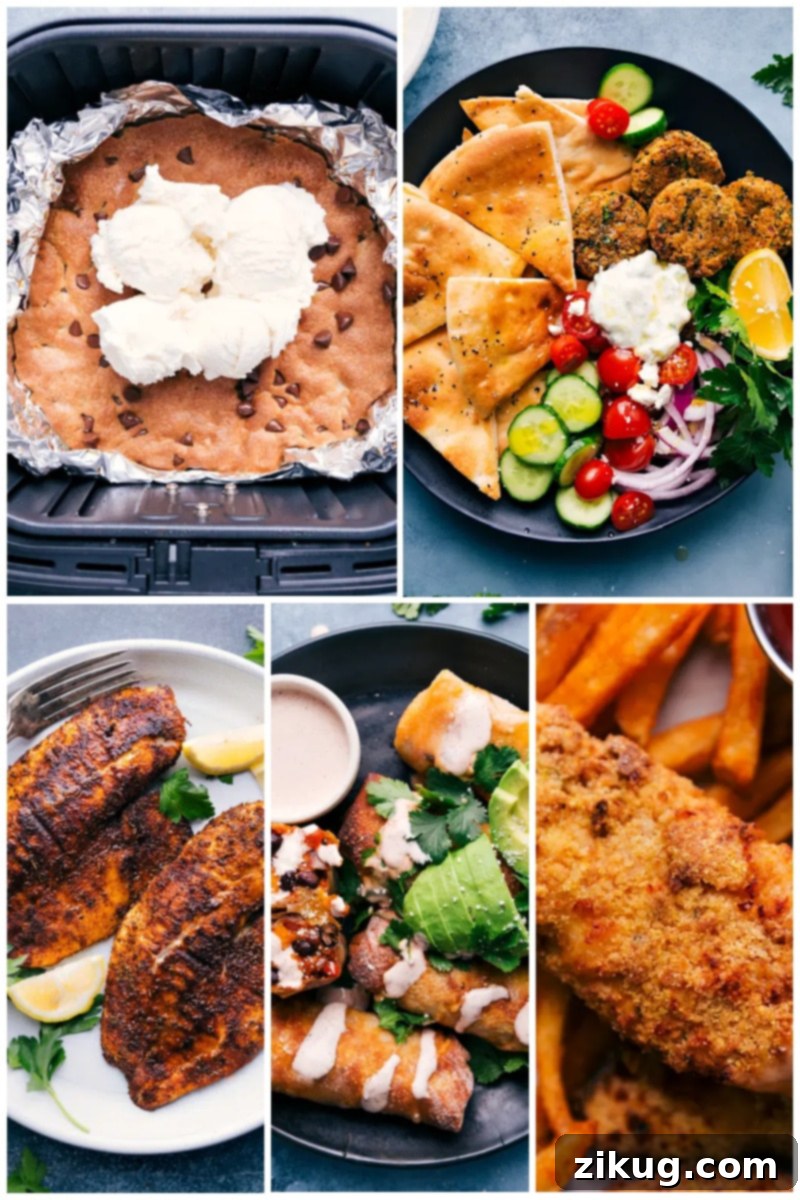
One of the most compelling reasons to embrace air frying is its ability to produce healthier versions of your beloved comfort foods. By using significantly less oil than deep-fat frying, air fryers drastically reduce the fat and calorie content of many dishes without sacrificing taste or texture. Imagine indulging in perfectly crispy Air Fryer Chicken Tenders, succulent wings, savory Air Fryer Black Bean Egg Rolls, or golden French fries, all with just a fraction of the oil traditionally used. The secret lies in the intense, dry heat that creates that irresistible crunchy exterior – indeed, crisping food is what air fryers do best!
Beyond just making healthier “fried” foods, the air fryer is incredibly versatile. It excels at roasting vegetables, baking small desserts, reheating leftovers to their original crispness, and even cooking frozen convenience foods to perfection. It offers a convenient, quick, and mess-free alternative to traditional oven baking or pan-frying, making it an invaluable appliance for busy individuals and families focused on balanced eating.
Potential Drawbacks and Considerations
Like any kitchen appliance, air fryers come with their own set of advantages and a few minor disadvantages. The primary consideration for many is counter space. Air fryers, especially larger models, can occupy a significant footprint, which might be a premium in smaller kitchens.
Another point to consider is batch cooking. Even with a large capacity air fryer, you will often find yourself cooking in multiple batches if you’re preparing food for a large family or entertaining guests. While this can sometimes require a bit more planning and patience, it’s a common practice in many kitchens, and the trade-off for healthier, crispier food is often well worth it.
It’s also important to manage expectations: an air fryer does not completely replicate the taste and texture of traditionally deep-fat-fried foods. While it comes remarkably close and offers a far healthier alternative, discerning palates might notice a subtle difference. However, if you’re willing to make a few allowances, air fryers are unparalleled tools for creating crispy, delicious foods faster, healthier, and with significantly less mess, splatter, and risk of hot oil burns. In our opinion, that constitutes an enormous win for any home cook!
Air Fryer Guide FAQs: Your Questions Answered
Air fryers utilize a powerful heating element and a high-speed fan to rapidly circulate superheated air around the food. This convection cooking method efficiently cooks food from all angles, creating a crispy outer layer similar to deep-frying, but with minimal to no oil.
The healthfulness of air frying largely depends on what you’re cooking. However, compared to deep frying or pan frying, air frying uses significantly less fat and oil, making it a much healthier choice for most people looking to reduce their calorie and fat intake. It allows you to enjoy traditionally “fried” foods with a fraction of the guilt.
Yes, air fryers are generally very safe. Most models feature an auto-shutoff mechanism to prevent overheating and ensure safety if left unattended. While the exterior of the unit can become warm during operation, it’s typically not hot enough to cause burns. Crucially, there’s no hazardous vat of hot oil to manage or dispose of, greatly reducing the risk of kitchen accidents. Always follow the manufacturer’s cleaning guidelines, which usually involve simply washing the basket area with warm, soapy water.
They share the same core principle of circulating hot air, but with distinct differences. In a standard convection oven, the hot air is blown more generally around the food. Air fryers have a smaller cooking chamber and a much higher speed of air circulation, often with the heating element positioned directly above the food. This more intense, focused airflow allows air fryers to cook food significantly faster and achieve a crispier texture. This design also necessitates cooking food in a single layer for best results, unlike some convection ovens where multiple trays can be used simultaneously with varying success.
The versatility of an air fryer is truly impressive! It can handle almost anything that typically requires baking, frying, roasting, or grilling, provided it fits. This includes a vast array of meats (chicken, fish, steak), eggs, vegetables (broccoli, potatoes, Brussels sprouts), frozen convenience foods (fries, nuggets, spring rolls), and even desserts like this delightful air fryer dutch baby. From-scratch meals are also a breeze, offering a healthier twist on classics. You can even make popcorn in an air fryer, but ensure you place foil or a lid to prevent kernels from falling through the basket grates.
It depends on the specific recipe and desired outcome. While not always strictly necessary, preheating for 3-5 minutes can help food cook more evenly and develop a crispier exterior more quickly, especially for items that benefit from immediate high heat. For certain delicate foods or when cooking in multiple batches, preheating is highly recommended. Always consult your recipe instructions until you become familiar with your appliance’s performance.
Shaking the basket (or flipping food with tongs) halfway through cooking is crucial for achieving even heat distribution and uniform crispiness. Much like stirring ingredients in a pan, this action ensures all surfaces of the food are exposed to the hot circulating air, preventing some parts from getting too crispy while others remain undercooked or soggy.
For most foods, yes, a very thin coating of oil is beneficial, unless the food already contains ample surface fat (like chicken skin). This small amount of oil aids in developing that desirable golden-brown and crispy texture. However, it’s vital to use a non-aerosol spray or lightly brush with oil, as aerosol cooking sprays can degrade the nonstick coating of your air fryer basket over time. A pump-style oil mister is an excellent investment for this purpose.
While air fryers are versatile, there are a few items that don’t perform optimally. Freshly battered foods, for instance, are generally not suitable. The powerful circulating air can blow off the wet batter, creating a mess and preventing proper adhesion. For “fried” shrimp or chicken, it’s usually better to use pre-packaged, frozen battered varieties rather than applying a liquid batter from scratch. Additionally, overly wet foods (like steamed vegetables without drying them first) may not crisp up effectively, and excessively saucy dishes can create a sticky mess and steam rather than fry. Large quantities of leafy greens can also wilt or get blown around excessively.
Delicious Air Fryer Recipes to Inspire You
Ready to put your air fryer to the test? These recipes are perfect for showcasing the versatility and efficiency of your new favorite appliance. Each one promises fantastic flavor and that signature air-fried crispness.
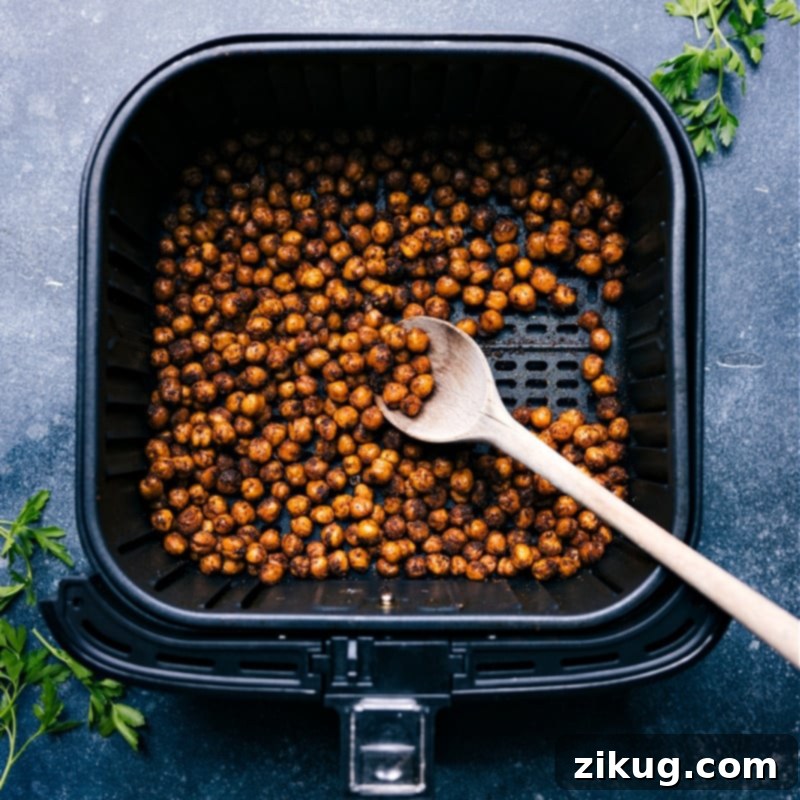
- Air Fryer Chickpeas: Transform humble chickpeas into a wonderfully crispy snack or a delightful, protein-packed salad topper. A healthier alternative to croutons!
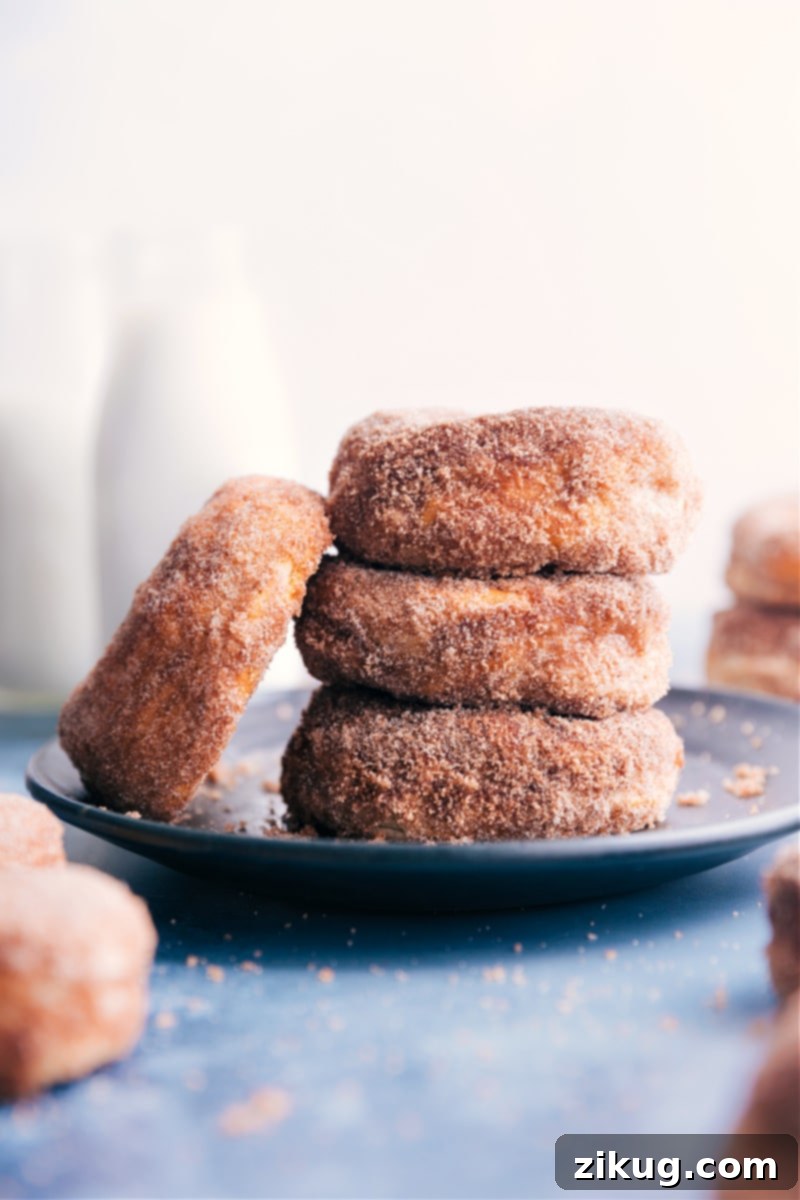
- Air Fryer Donuts: Indulge in warm, fluffy donuts coated in cinnamon sugar, made lighter and quicker in your air fryer without the deep-frying mess.
- Two ways to season Air Fryer Tilapia: Discover how easily you can cook tender, flaky tilapia fillets with two distinct seasoning profiles, perfect for a quick and healthy meal.
- Air Fryer Falafel: Our favorite vegetarian lunch option, these falafels are crispy on the outside and tender within, offering all the flavor of traditional falafel with less oil.
- Air Fryer Pizookie: A gooey, warm chocolate cookie baked in a small pan right in your air fryer. The perfect individual dessert that’s quick and satisfying.
- Air Fryer Chicken Wings: Achieve perfectly crispy, juicy chicken wings every time, ideal for game nights or a delicious appetizer, with a fraction of the fat.
- Air Fryer Roasted Potatoes: Crispy on the outside, fluffy on the inside, these roasted potatoes are a fantastic side dish that comes together quickly.
- Air Fryer Brussels Sprouts: Roasting Brussels sprouts in the air fryer brings out their best flavor, making them tender with deliciously crispy edges.