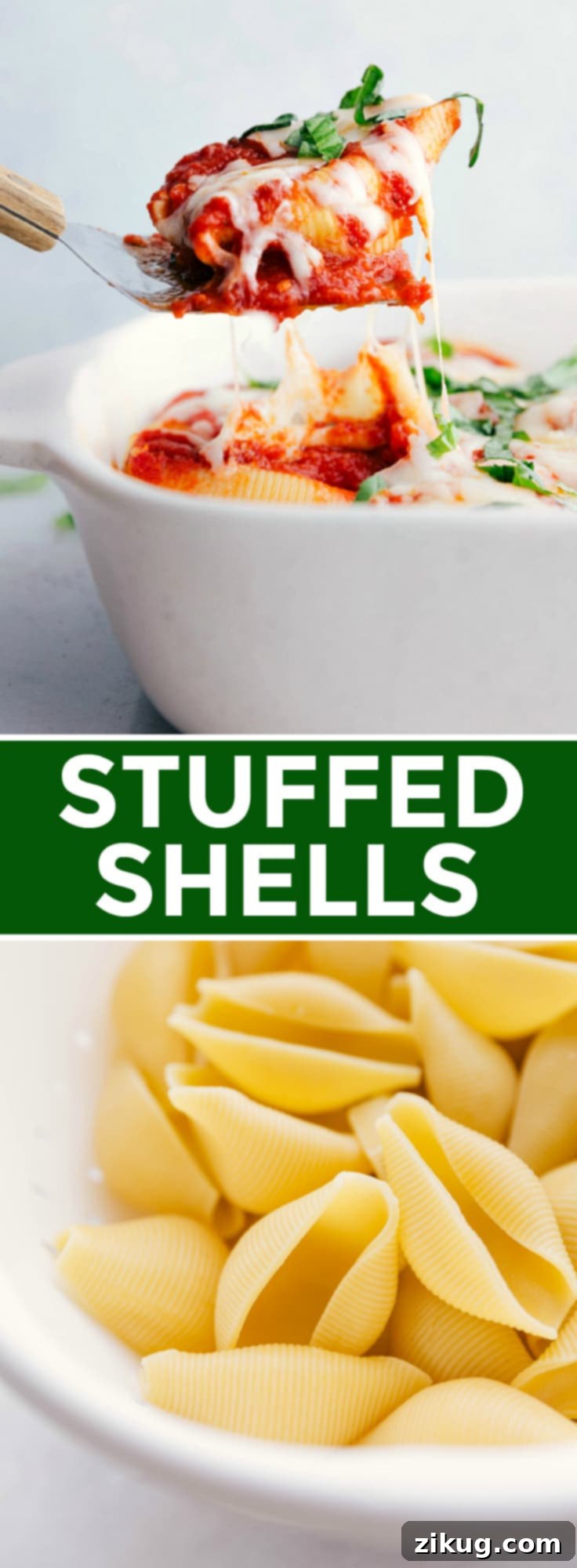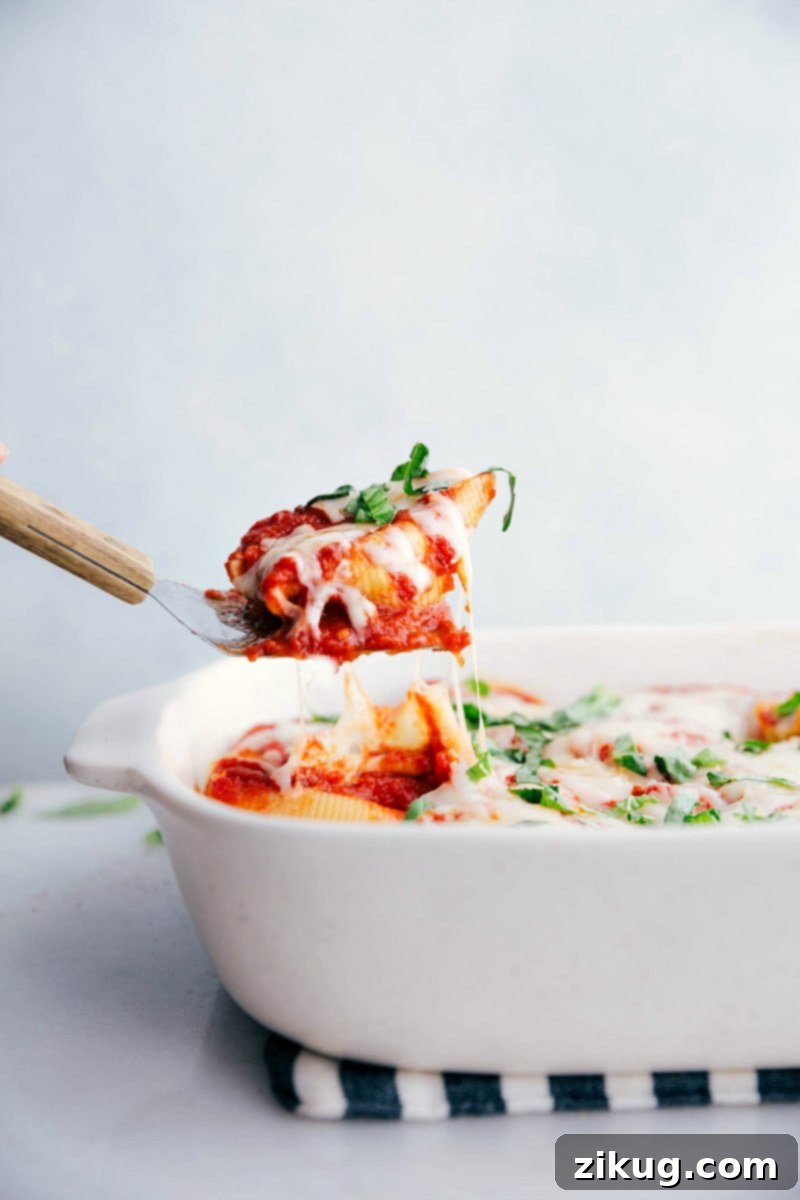
Stuffed Shells are the epitome of Italian comfort food, a delightful dish that brings together tender pasta, a rich, creamy cheese filling, and a robust marinara sauce, all baked to golden perfection. This beloved classic is not only incredibly satisfying but also surprisingly simple to prepare, making it a favorite for family dinners and special occasions alike.
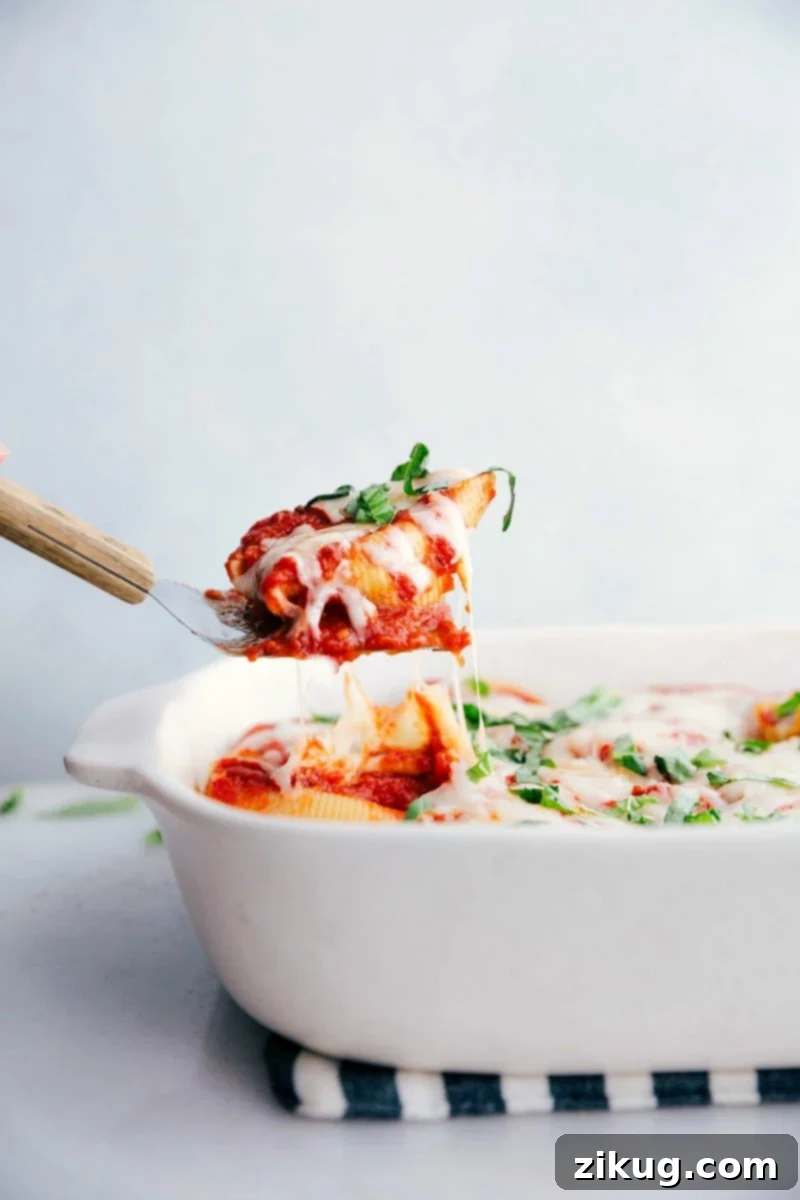
Stuffed Shells Recipe: Your Guide to Ultimate Italian Comfort Food
There’s nothing quite like a warm, hearty plate of Stuffed Shells to bring comfort and joy to the table. This dish holds a special place in my heart, often coming to the rescue on busy evenings when I need a delicious yet convenient meal. I vividly recall an instance when my husband surprised me with a dinner and a concert date, the very night I had promised to bring dinner to a friend. My immediate thought? Stuffed Shells!
They are incredibly easy to prepare in advance, and their ability to hold up beautifully means they can be baked later without compromising flavor or texture. On that particular day, I made them in the morning, leaving simple instructions for our sitter to pop them in the oven at dinner time. After our delightful evening out, I quickly rushed home, (briefly nursed the baby), picked up the freshly baked shells, and delivered them to my friend. Mission accomplished, and everyone enjoyed a fantastic, homemade meal!
This experience perfectly illustrates why Stuffed Shells are truly the ideal make-ahead meal. You can assemble everything from cooking the pasta to preparing the rich filling and layering the sauce, then refrigerate or freeze the entire dish until you’re ready to bake and serve. Their inherent convenience also makes them an excellent choice for efficient meal prepping; you can easily double the recipe to enjoy one delicious batch for dinner tonight and freeze the other for a busy week down the road. Detailed instructions for freezing, thawing, and reheating are provided further down, ensuring perfect results every time.
What Are Stuffed Shells? A Classic Italian Delight
Before diving into the intricate details of the recipe, let’s clarify what exactly constitutes a “Stuffed Shells” dish. As the name suggests, this beloved Italian-American creation features large, concave pasta shells (typically ‘conchiglie’ or ‘jumbo shells’) meticulously filled with a flavorful mixture. The most traditional and widely adored filling is a creamy blend of whole-milk ricotta cheese, often combined with other delightful Italian cheeses like Parmesan and mozzarella. This rich base is then seasoned with fragrant fresh herbs such as basil, parsley, and oregano, alongside a hint of aromatic garlic. These generously filled shells are subsequently nestled in a rich, tangy tomato-based sauce, usually marinara, and baked until bubbly, golden, and utterly irresistible. The result is a harmonious symphony of textures and flavors – tender pasta, a luscious, cheesy interior, and a vibrant sauce, creating a truly comforting and satisfying culinary experience.
The beauty of Stuffed Shells lies not only in their comforting taste but also in their incredible versatility. While the classic cheesy ricotta version remains a staple, the dish readily adapts to various creative additions. Variations incorporating different meats, a wider array of vegetables, or alternative cheese combinations are equally popular, allowing for endless customization to suit any palate or dietary preference. Whether you’re a vegetarian seeking a hearty pasta dish or a meat-lover craving extra protein, Stuffed Shells provide a perfect canvas for culinary exploration.
Manicotti vs. Stuffed Shells: Understanding the Delicious Difference
Many home cooks and Italian food enthusiasts often ponder the subtle distinctions between Stuffed Shells and Manicotti. Both are beloved baked pasta dishes featuring a savory filling enveloped in a rich sauce, leading to occasional confusion. However, the primary, defining difference lies fundamentally in the pasta shape itself:
- Stuffed Shells: These iconic dishes utilize large, scoop-shaped pasta, most commonly known as conchiglioni or jumbo shells. Their distinctive open, shell-like form is perfectly designed to cradle and hold a generous amount of rich filling, making them visually appealing and wonderfully easy to stuff. The wide opening allows for ample exposure to the sauce, ensuring every bite is fully coated.
- Manicotti: In contrast, Manicotti refers to large, ridged, cylindrical tubes of pasta. These tubes are traditionally either pre-cooked and then filled, or sometimes even filled raw before baking. The tubular shape encases the filling completely, offering a different textural experience where the pasta fully surrounds the cheesy interior.
Beyond the architectural difference of the pasta, the preparation, core ingredients, and even the final taste profiles of Stuffed Shells and Manicotti are remarkably similar. Both dishes typically feature a richly seasoned cheese filling (or a combination of meat and cheese), are blanketed in a robust tomato sauce, and are almost always crowned with a generous, melting layer of mozzarella cheese. While the slight textural variance due to the pasta’s shape might lead to subtle differences in how the sauce adheres or how the filling is encased, at their heart, they are kindred spirits in the expansive world of baked Italian pasta dishes. Ultimately, choosing between manicotti and stuffed shells often comes down to personal preference for pasta aesthetics and what’s readily available in your pantry, as both promise a deeply satisfying and comforting meal.
The Anatomy of Perfection: How to Make Stuffed Shells
Creating these delectable Stuffed Shells involves a few straightforward yet crucial steps. Follow this detailed guide to achieve perfectly tender pasta and a creamy, flavorful filling every single time:
- Mastering Shell Preparation: Partially Cook for Ideal Texture: This is an absolutely crucial step that ensures your Stuffed Shells turn out perfectly. We purposely undercook the jumbo pasta shells, typically for about half the time suggested on the package, plus an additional minute. For most brands, this means cooking for approximately 5-6 minutes. This initial partial cooking is vital for two reasons: firstly, it ensures the shells remain firm enough to handle and stuff without tearing or falling apart. Secondly, and more importantly, it prevents them from becoming soggy or overcooked during their second round of cooking in the oven. By undercooking them now, you guarantee a delightful al dente texture in the final baked dish, a hallmark of excellent pasta. After draining, immediately rinse them under cold water to halt the cooking process and prevent them from sticking together, then lay them out to cool.
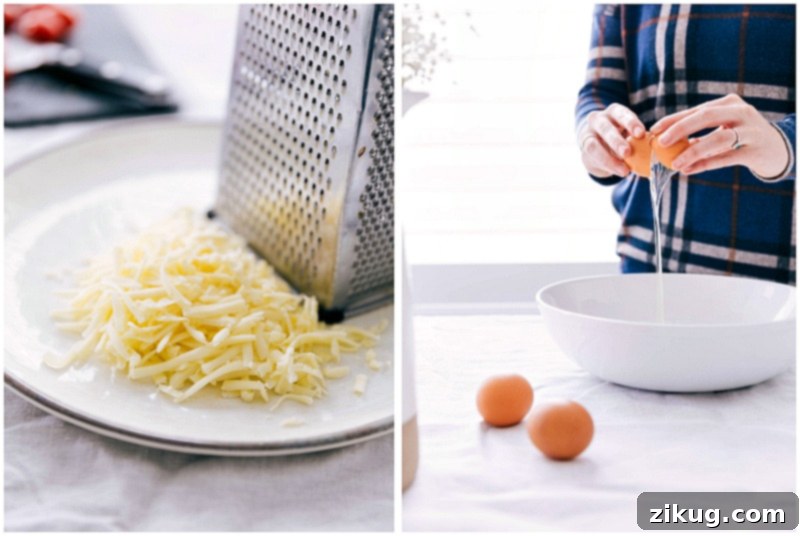
- Crafting the Irresistible Cheese Filling: The Heart of the Dish: The soul of any truly great Stuffed Shells recipe resides in its filling. Our classic version is not only incredibly simple to prepare but also bursting with rich, savory flavors. Begin by lightly whisking a large egg with a fork; the egg serves as an essential binder, holding the creamy components together. Next, combine it thoroughly with a generous container of creamy whole-milk ricotta cheese. This forms the luscious base. Now, it’s time for the aromatic elements: finely minced garlic, and a vibrant medley of fresh Italian herbs such as basil, oregano, thyme, and parsley. Season generously with salt and freshly ground black pepper, adjusting to your taste preferences. For unparalleled flavor and superior melting texture, always make sure to use freshly grated cheeses like mozzarella and Parmesan. Pre-grated cheeses often contain anti-caking agents, like cellulose, which can impede a smooth melt and affect the overall texture of your glorious cheese filling.
- Efficiently Stuffing the Delicate Shells: A Clean & Easy Method: Once your rich and creamy cheese mixture is perfectly prepared, the most efficient and mess-free way to fill the delicate pasta shells is using a piping bag. Simply transfer the entire cheese mixture into a large, gallon-sized resealable plastic bag. Press the mixture towards one corner of the bag, then use scissors to snip off approximately one inch from that corner, creating an instant piping tool. Gently squeeze the filling directly into each cooked pasta shell. Aim for about two generous tablespoons of filling per shell to ensure they are amply packed and visually appealing. This method makes the process quick, clean, and ensures an even distribution of cheese in every shell.
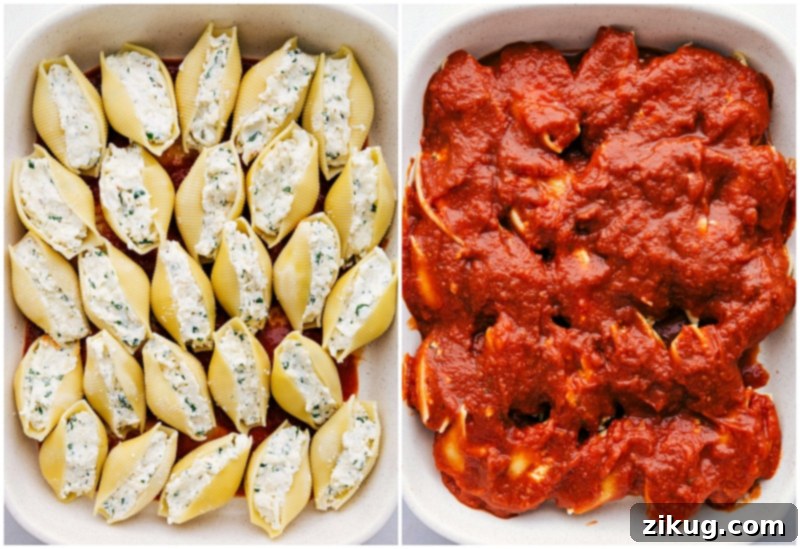
- Bake to Golden, Bubbly Perfection: The Grand Finale: The final stage brings all the wonderful components together. Begin by spreading half of your favorite marinara sauce evenly across the bottom of a 9×13-inch baking dish. Carefully arrange the generously stuffed shells in a single layer in the dish, ensuring the open side of each shell faces upwards. Next, generously cover these beautiful shells with the remaining marinara sauce. This step is absolutely essential to ensure every shell is bathed in flavor and, crucially, to prevent any exposed pasta edges from drying out or becoming overly crispy during baking. Cover the dish tightly with aluminum foil for the initial bake, which helps the pasta cook through gently and allows the flavors to deeply meld. Towards the end of the baking time, remove the foil, sprinkle with the remaining mozzarella cheese, and return to the oven, uncovered, until the cheese is beautifully melted, bubbly, and lightly golden.
Crafting the Perfect Filling: Secrets to Flavorful Stuffed Shells
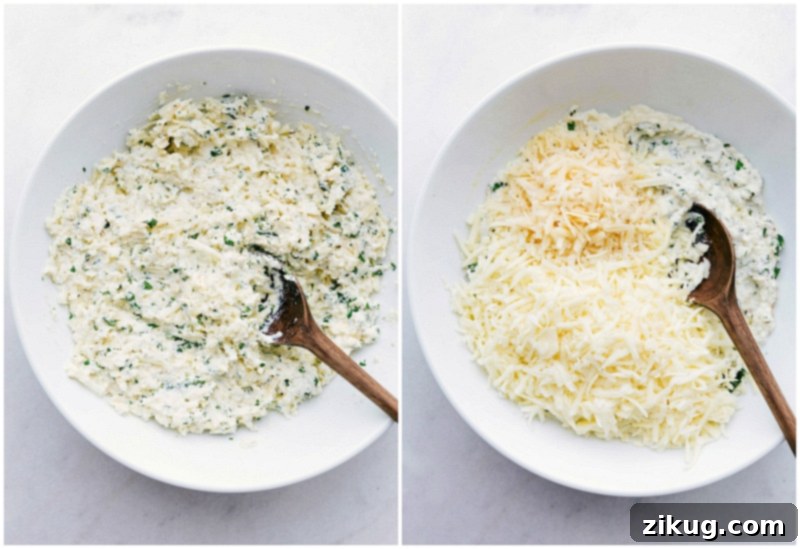
Now that we’ve covered the fundamental process of making these delightful Stuffed Shells, let’s dive into some wonderful ways you can customize your dish and truly elevate its flavor profile. The filling is undoubtedly where you can unleash your creativity and tailor the recipe to your personal preferences or what you have on hand.
Stuffed Shells Variation Ideas: Endless Customization
- Spinach for a Nutrient Boost and Earthy Flavor: Many traditional ricotta cheese fillings proudly include spinach, adding both a healthy dose of nutrients and a lovely subtle earthy flavor. While I sometimes opt for simplicity by omitting it, incorporating spinach is a fantastic way to enhance the dish.
- To add spinach: Heat 1 tablespoon of olive oil in a large pan over medium heat. Add 4 cups of loosely packed, chopped baby spinach. Cook, stirring occasionally, until the leaves have fully wilted and turned a vibrant green, which typically takes about 2-4 minutes. Remove the spinach from the heat and allow it to cool completely. Crucially, squeeze out any excess water from the cooked spinach before stirring it into your cheese mixture to prevent the filling from becoming watery.
- Elevate with Homemade Marinara Sauce: While a good quality store-bought marinara works wonderfully for convenience and can still yield delicious results, making your own marinara sauce from scratch can truly transform this dish from great to extraordinary. If you’re feeling ambitious and have the time, a slow-simmered homemade marinara sauce offers unparalleled depth of flavor and a fresh, authentic taste that simply can’t be matched. Consider using robust, high-quality San Marzano tomatoes for an authentic Italian touch. This additional effort will be well worth it!
- Experiment with Diverse Herbs: The selection of herbs is absolutely key to defining the quintessential Italian character of Stuffed Shells. My recipe includes a classic and well-loved mix of basil, oregano, thyme, and parsley, but feel completely free to adjust this blend to your personal preference. If you have access to fresh herbs, they will undeniably provide a brighter, more vibrant, and more nuanced flavor profile compared to dried ones. Remember this essential rule of thumb when substituting: when swapping fresh herbs for dried, you generally need to use about three times the amount of fresh herbs due to their significantly higher water content and milder intensity. For example, if the recipe calls for 1 teaspoon of dried oregano, use 1 tablespoon of fresh chopped oregano. Don’t be afraid to experiment with other herbs like marjoram or a touch of rosemary for a unique twist.
- Mix Up the Cheese Blend for Added Complexity: Beyond the traditional trinity of ricotta, mozzarella, and Parmesan, there are many delightful Italian cheeses that can significantly enhance your filling, adding layers of flavor and different textures. Try swapping Parmesan for sharp Pecorino Romano for a saltier, more pungent, and slightly sheepy kick. Alternatively, incorporate some shredded Provolone or Fontina into the mozzarella for a different melt characteristic and a wonderfully nutty flavor profile. A touch of finely grated Asiago also adds a robust and complex dimension to the cheese mixture, making your Stuffed Shells even more memorable.
- Add Protein for a Heartier, More Substantial Meal: For those who prefer a more substantial and protein-packed dish, Stuffed Shells readily accommodate various protein additions, transforming them into a complete main course.
- Stuffed Shells with Chicken: Incorporate about 1 to 1.5 cups of shredded cooked chicken (rotisserie chicken works perfectly for convenience) directly into the cheese filling. This creates a delicious, hearty, and satisfying meal that’s perfect for a family dinner.
- Stuffed Shells with Sausage: Browned Italian sausage, whether mild or spicy, mixed into the ricotta filling adds an incredible depth of savory flavor and a wonderful texture. Ensure you remove the sausage from its casing before cooking, crumble it well, and drain any excess fat before mixing it with the cheese. If you enjoy a creamy twist, some recipes also incorporate a bit of cream cheese, which pairs exceptionally well with sausage.
Quick Tip: Fresh vs. Dried Herbs
When substituting fresh herbs for dried ones, a good general rule of thumb is to use three times the amount of fresh herbs as dried. For example, if a recipe calls for 1 teaspoon of dried basil, you would use 3 teaspoons (or 1 tablespoon) of fresh chopped basil. Fresh herbs typically contribute a brighter, more nuanced, and delicate flavor, while dried herbs offer a more concentrated, earthy, and often bolder taste. Adjust quantities to your specific palate and the desired intensity of flavor.
Mastering the Art of Stuffed Shells: Pro Tips for Success
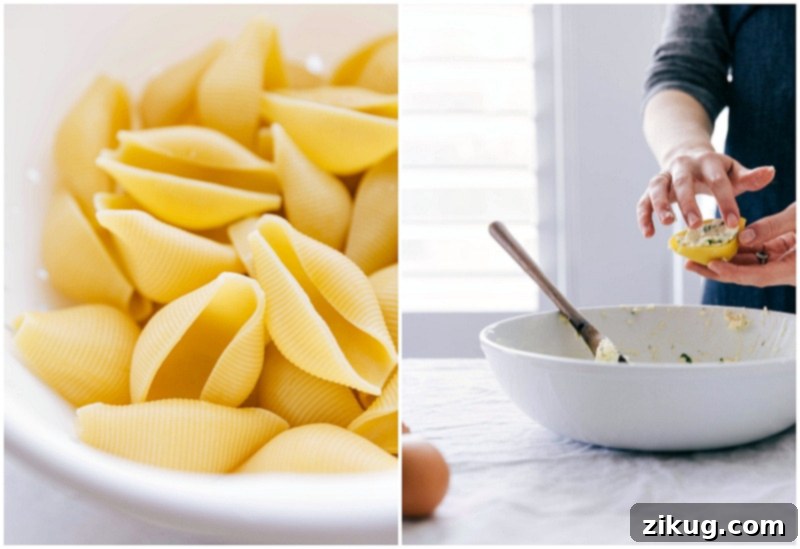
Achieving perfectly cooked and exquisitely flavorful Stuffed Shells is made even easier with these expert tips and tricks, ensuring your dish is a culinary triumph every time:
- Streamline Your Stuffing Process with a Piping Bag: The piping bag method (utilizing a large resealable plastic bag with a snipped corner) is by far the cleanest, most efficient, and most consistent way to fill the delicate pasta shells. To execute this, simply add your entire prepared cheese/ricotta mixture to a gallon-sized plastic zipper-top bag. Press the cheese mixture firmly towards one side of the bag, then use scissors to cut off an approximately 1-inch opening in the corner. This creates a natural piping tool. Gently squeeze the cheese mixture directly into each pre-cooked pasta shell. Lightly press the mixture down with your finger or the bag itself to ensure an even, generous fill. Through numerous trials, I’ve found that this recipe’s specified filling quantity perfectly fills 25 to 26 jumbo shells, typically leaving only about a tablespoon leftover. This consistent measurement makes it incredibly easy to eyeball the right amount for each shell, ensuring uniform and perfectly stuffed results.
- Always Cook a Few Extra Shells: A Small Precaution: Jumbo pasta shells, despite their robust appearance, can sometimes tear, break, or become damaged during the cooking or stuffing process. To avoid any last-minute disappointments or shortages, it’s always a smart practice to boil a few extra shells (perhaps 2-3 more than the recipe explicitly calls for) just in case. This small precaution ensures you have enough intact shells for your dish. Any unbroken leftover shells can then be happily enjoyed as a quick snack or a delicious side with a little extra marinara sauce!
- Ensure Complete Sauce Coverage: The Key to Preventing Dry Edges: When you are arranging the stuffed shells in your baking dish and adding the marinara sauce, make sure that every single part of the shells is adequately and generously covered with sauce. This step is absolutely essential to prevent the exposed edges or tops of the pasta from drying out, becoming hard, or overly crispy during the baking process. A thorough layer of sauce ensures that every bite is tender, moist, and infused with the rich flavor of the marinara. Don’t be shy with the sauce – it’s both a flavor enhancer and a protective blanket for your pasta.
- Achieve a Golden, Bubbly Top: The Perfect Cheese Finish: For that irresistible, beautifully golden, and perfectly bubbly cheese topping that everyone loves, there’s a specific timing trick. Make sure to add the final generous layer of shredded mozzarella cheese during the last 5-7 minutes of baking. This means removing the foil, sprinkling the cheese, and then returning the dish to the oven, uncovered. This timing allows the cheese to melt into a wonderfully gooey, stretchy, and lightly browned crust without the risk of it burning or drying out, creating an appealing finish that promises deliciousness beneath.
Stuffed Shells FAQs: Your Questions Answered
Freezing Stuffed Shells is an excellent strategy for meal prepping and having a delicious dinner ready on a busy evening. Here’s a comprehensive guide to freezing, thawing, and baking them effectively:
- Freezing Uncooked Shells (Recommended Method): After meticulously filling all the shells with the cheese mixture according to the recipe, arrange them in a single layer on a large sheet pan. This prevents them from sticking together during the freezing process. Cover the entire pan tightly with plastic wrap, then with a layer of aluminum foil, and place it in the freezer until the shells are completely solid. Once frozen solid, carefully transfer the individual shells to large freezer-safe bags, removing as much air as possible before sealing them to prevent freezer burn. These uncooked stuffed shells can be safely stored in the freezer for up to 3 months, offering incredible convenience.
- To Bake from Frozen (Uncooked Shells): When you’re ready to enjoy your frozen Stuffed Shells, preheat your oven to 400°F (200°C). Spread approximately 1/2 cup of marinara sauce evenly across the bottom of a 9×13-inch baking dish. Place the frozen, uncooked shells directly on top of the sauce in a single layer. Then, generously cover them with an additional 2 to 2 1/2 cups of marinara sauce, ensuring all shells are well-coated. Bake the dish *uncovered* for approximately 30-40 minutes, or until the shells are hot, the pasta is tender, and the filling is cooked through. It’s a good idea to check the internal temperature to ensure it’s safely heated. Add the remaining grated mozzarella cheese about 5-7 minutes before the estimated cooking time is complete to ensure it melts beautifully and becomes bubbly without burning.
For optimal texture and flavor, it is generally not recommended to fully cook Stuffed Shells before freezing them. Freezing them uncooked, immediately after assembly, is the preferred method. This approach prevents the pasta from becoming mushy or overcooked upon reheating, as it allows the shells to finish cooking fresh in the oven when you are ready to serve. Cooking them twice can lead to a less desirable texture. By freezing them uncooked, you maintain the integrity and al dente quality of the pasta.
This entire meal can be conveniently assembled ahead of time and stored safely in the refrigerator. Simply follow all the recipe instructions up to the point of baking. Once assembled, tightly cover the uncooked stuffed shells with aluminum foil and keep them stored in the fridge for up to 3 days. When you’re ready to cook, simply place the covered baking dish directly into your preheated oven and bake according to the recipe directions below. Keep in mind that you may need to add an additional 5-10 minutes to the overall baking time since the dish will be starting from a cold temperature rather than room temperature.
For any leftover cooked pasta shells, ensure they are properly stored in an airtight container in the refrigerator. When stored correctly, cooked Stuffed Shells will typically last for 3 to 5 days in the refrigerator. Always reheat thoroughly to an internal temperature of 165°F (74°C) before serving. For more detailed food safety information and storage guidelines, you can consult reliable food safety resources.
Perfect Pairings: What to Serve with Stuffed Shells
Stuffed Shells are undoubtedly a satisfying and hearty meal on their own, offering a complete and comforting experience. However, pairing them with a fresh, light, or complementary side dish can beautifully enhance their richness, provide textural contrast, and elevate the entire dining experience. Here are some delightful suggestions to complete your Italian feast:
- Crisp Cucumber Salad: A refreshing cucumber salad, perhaps with a tangy balsamic dressing or a simple lemon-dill vinaigrette, provides a wonderful and cooling contrast to the creamy and warm pasta, cutting through its richness.
- Fresh Caprese Salad: A classic Caprese salad, featuring vibrant ripe tomatoes, fresh mozzarella cheese slices, and aromatic basil leaves, all drizzled with a light basil dressing or a good quality balsamic glaze, offers bright, fresh, and herbaceous flavors that complement Italian dishes beautifully.
- Roasted Vegetables: A medley of seasonal roasted vegetables, such as bell peppers, zucchini, cherry tomatoes, and red onions, adds a healthy, flavorful, and slightly caramelized element. Alternatively, a simple dish of perfectly Roasted Carrots or asparagus can offer a sweet and tender side.
- Light Quinoa Salad: For a more unconventional yet nutritious pairing, a vibrant quinoa salad with a zesty lemon vinaigrette, perhaps incorporating chopped bell peppers and fresh herbs, offers a healthy and interesting textural counterpoint to the pasta.
- Garlic Bread or Crusty Breadsticks: No Italian meal, especially one with a delicious sauce, is truly complete without something utterly delightful to sop up every last bit of that savory marinara. Warm, crusty garlic bread, brushed with garlic butter and herbs, or soft, chewy breadsticks are always an absolute hit and a non-negotiable addition for many.
- Simple Green Salad: An effortlessly classic and refreshing side, a basic green salad composed of mixed greens, a few cherry tomatoes, and a light vinaigrette dressing, is an excellent way to add freshness and balance to your hearty Stuffed Shells meal.
Saved
Pin
Classic Stuffed Shells Recipe
Equipment
-
Large pot
-
9 x 13-inch baking pan
-
Aluminum foil
Ingredients
- Salt and pepper
- 25 to 26 jumbo pasta shells uncooked
- 1 large egg lightly beaten
- 1 (15-ounce) container whole-milk ricotta cheese
- 1/4 cup fresh basil chopped, or 1 teaspoon dried basil
- 1/2 teaspoon dried oregano
- 1/2 teaspoon dried thyme
- 1/2 teaspoon dried parsley
- 1/2 teaspoon minced garlic
- 3 cups mozzarella cheese freshly shredded, divided
- 1 cup Parmesan cheese freshly grated
- 3 cups marinara sauce 1 and a half jars, or homemade marinara sauce
- Fresh basil or parsley, for topping shells, optional
Instructions
-
Bring a large pot of generously salted water to a rolling boil. Add the jumbo pasta shells (it’s wise to cook a few extra in case some fall apart during preparation). Cook the shells for precisely half the time indicated on the package, plus an additional 1 minute. This usually amounts to about 5–6 minutes, depending on the specific brand of pasta. Drain the shells thoroughly and immediately rinse them under cold water to completely halt the cooking process and prevent them from sticking together. Carefully separate them and lay them out on a sheet of parchment paper on the counter to dry slightly and cool.
-
Preheat your oven to 350°F (175°C). In a large mixing bowl, lightly whisk the large egg with a fork until just combined. Add the entire 15-ounce container of whole-milk ricotta cheese and mix until it is completely smooth and thoroughly combined. Stir in the chopped fresh basil (or dried basil), dried oregano, dried thyme, dried parsley, and the minced garlic. Season generously with approximately 1 teaspoon of salt and 1/2 teaspoon of freshly ground black pepper, adjusting these quantities to suit your personal taste. Stir all the ingredients gently to ensure they are well incorporated.
-
Finely shred 2 cups of the mozzarella cheese and grate all the Parmesan cheese. Add both of these freshly prepared cheeses into the ricotta mixture. Gently stir until the mozzarella and Parmesan are completely and evenly combined with the ricotta and herbs, creating a rich and homogenous filling.
-
Transfer this entire cheese mixture to a large (gallon-sized) resealable plastic bag. Press the cheese mixture to one side of the bag and, using scissors, snip off approximately 1 inch from the corner of the bag. This will create a convenient piping tool. “Pipe” the cheese mixture directly and neatly into each of the cooled pasta shells. Each shell should be generously filled with about 2 tablespoons of the cheese mixture. This quantity is designed to perfectly fill 25–26 jumbo shells.
-
Spread half (approximately 1.5 cups) of the marinara sauce evenly across the bottom of a 3-quart (9×13-inch) baking dish. This creates a flavorful and moist base for the shells and helps prevent them from sticking.
-
Carefully place the stuffed shells in a single layer in the prepared baking dish, ensuring that the open side of each shell is facing upwards. Pack the shells relatively close together, but without excessive squeezing, to ensure they fit snugly and stay upright.
-
Generously cover the arranged shells evenly with the remaining 2 and 1/2 cups of marinara sauce. It is crucial to aim to completely cover all the pasta shells with sauce to prevent them from drying out or becoming hard around the edges during the baking process. Cover the baking dish tightly with aluminum foil and bake for 30 minutes in the preheated oven.
-
After 30 minutes of baking, carefully remove the foil. Sprinkle the remaining 1 cup of mozzarella cheese evenly over the tops of the shells. Return the dish to the oven, now uncovered, and continue to bake for an additional 5–7 minutes, or until the cheese is beautifully melted, bubbly, and lightly golden brown. Serve warm, garnished with freshly chopped basil or parsley if desired, and a final sprinkle of freshly cracked black pepper for an extra touch of flavor. Enjoy!
Recipe Notes
Freezing Uncooked Shells: To freeze uncooked Stuffed Shells, fill them as directed, then place them in a single layer on a large sheet pan. Cover tightly with plastic wrap and then foil, and freeze until completely solid. Once frozen, transfer the individual shells to large freezer bags, removing excess air. Freeze for up to 3 months. For detailed instructions on how to bake these from frozen, please refer to the “How do I freeze Stuffed Shells?” section in the FAQs above.
Nutrition
Nutrition information is automatically calculated, so should only be used as an approximation.