
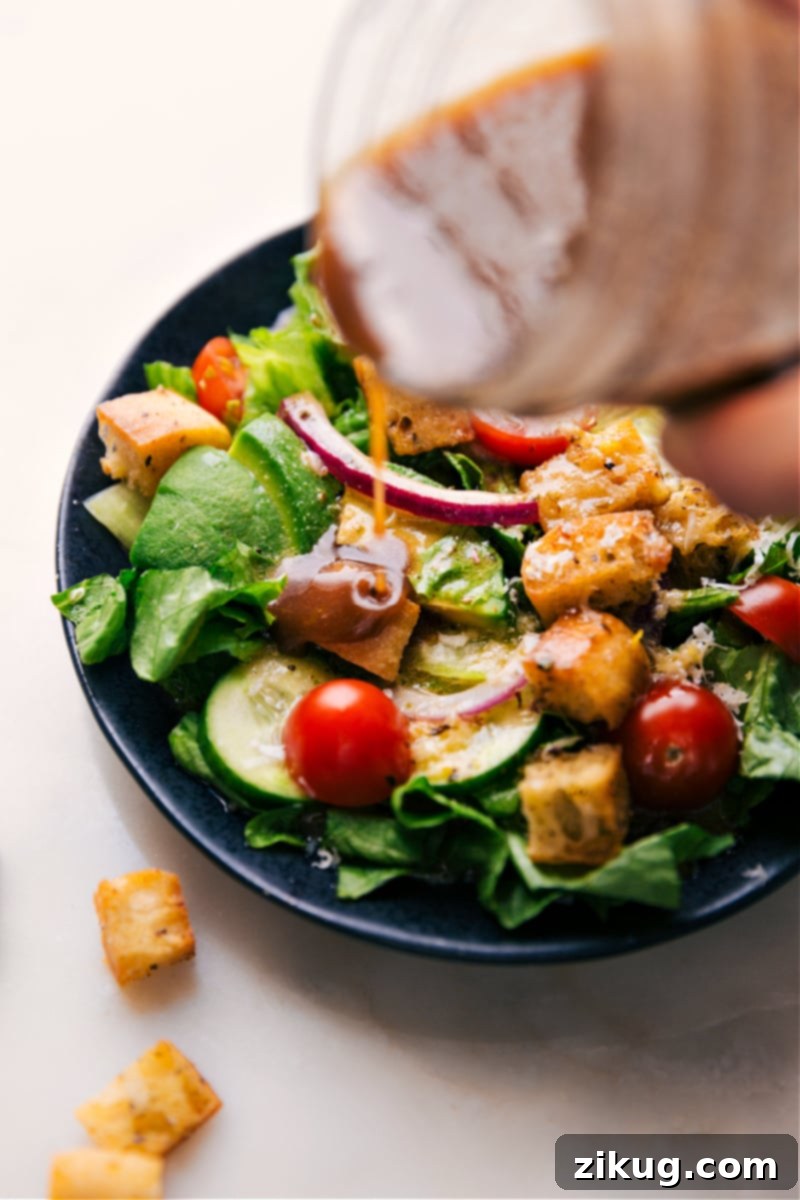
This Balsamic Vinaigrette Recipe is a kitchen essential, coming together effortlessly in just minutes. No specialized tools are required to create a dressing that is perfectly tangy, beautifully balanced, and thick enough to lovingly coat your favorite salads, roasted vegetables, or even serve as a delightful marinade. Forget bland, store-bought options – once you taste this homemade version, you’ll never look back!
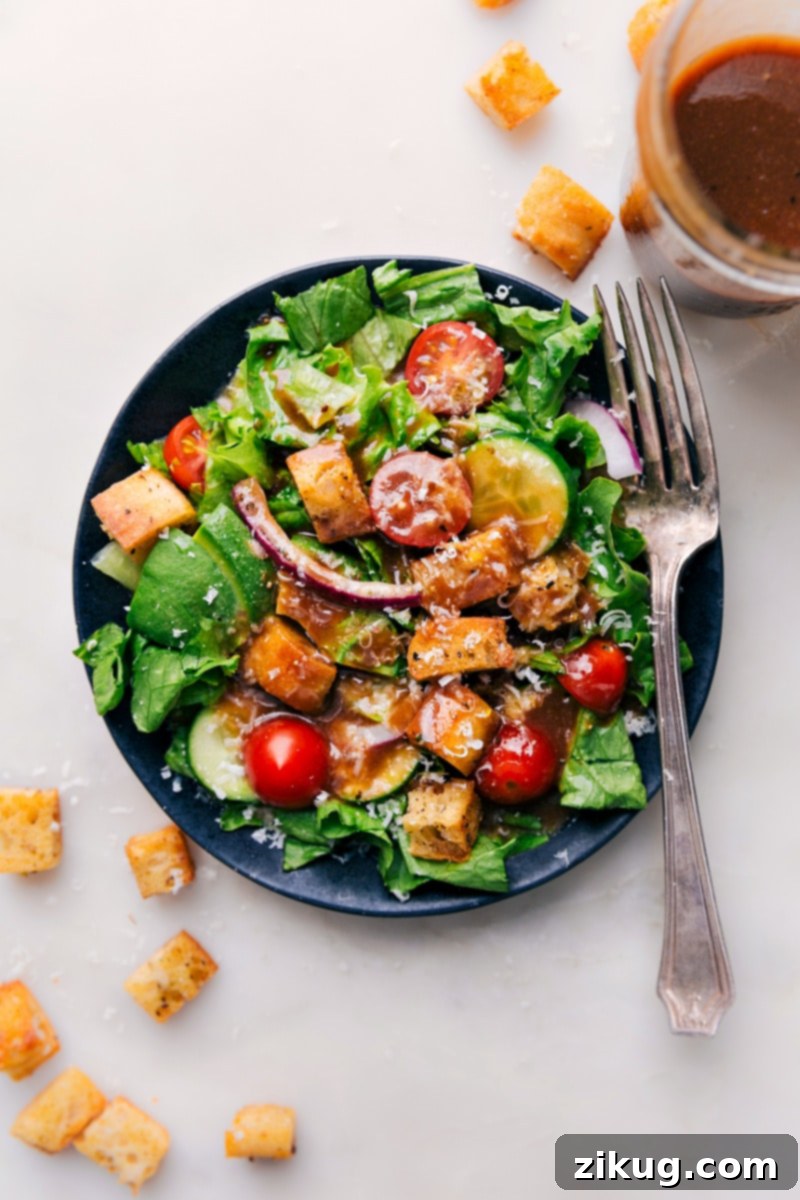

Author’s Note: Your New Salad Secret Weapon!
Whip Up The Best Homemade Dressing in 5 Minutes!
I’ve been passionately making this particular balsamic vinaigrette recipe for many years now. It has become such a staple in my kitchen that I genuinely have all the measurements memorized and could probably prepare it with my eyes closed! So, when I realized this incredible, easy balsamic dressing hadn’t yet been shared on the blog, I was absolutely astounded. I knew it was time to bring this homemade gem to you immediately.
This balsamic vinaigrette is more than just a dressing; it’s my ultimate salad secret weapon. It’s incredibly quick to shake together, relies on readily available pantry staples, and possesses that magical quality that makes any meal feel instantly elevated and special. I absolutely adore it drizzled generously over simple garden greens, as a vibrant topping for hearty roasted vegetables, mixed into satisfying grain bowls, or even brushed over juicy grilled chicken as a quick marinade. Its perfectly balanced tang and delightful texture ensure it coats everything just right, delivering a burst of fresh flavor with every bite.
Why Homemade Balsamic Vinaigrette Trumps Store-Bought
There are countless reasons to swap your store-bought salad dressing for a homemade balsamic vinaigrette. Beyond the obvious freshness, making your own offers unparalleled control over ingredients, ensuring you avoid unwanted additives, excessive sugar, or unhealthy oils often found in commercial dressings. It’s a healthier, more flavorful, and surprisingly cost-effective choice that elevates everyday meals into culinary delights.
- Unmatched Freshness: Experience the vibrant, pure taste of fresh ingredients without preservatives.
- Ingredient Control: Choose high-quality oils and vinegars, and adjust sweetness and seasoning to your exact preference.
- Healthier Option: Avoid hidden sugars, artificial flavors, and unhealthy fats often present in packaged dressings.
- Cost-Effective: You’ll be amazed at how much money you save by preparing your dressings at home using pantry staples.
- Customizable: Easily adapt the recipe to suit different dietary needs or to experiment with new flavor profiles.
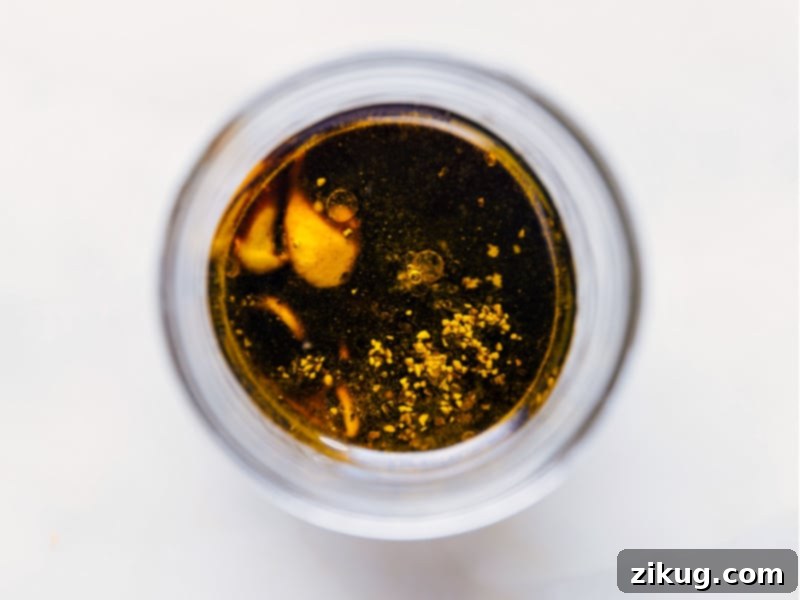
Essential Ingredients for Your Balsamic Vinaigrette
Crafting the perfect homemade balsamic vinaigrette requires just a few key ingredients. The beauty of this recipe lies in its simplicity and the ability to enhance each component with quality choices. Here’s a closer look at what you’ll need:
| Ingredient | Notes & Swaps for Best Flavor |
|---|---|
| Balsamic Vinegar | The foundation of your vinaigrette. For the most profound and complex flavor, use the best quality balsamic vinegar you can find. Aged balsamic offers a richer, more concentrated depth. If you opt for white balsamic, note that it will yield a milder and slightly sweeter dressing with a lighter color. |
| Olive Oil | A good quality extra virgin olive oil is crucial for a smooth, well-rounded flavor. It forms the backbone of the emulsion. If you prefer, or if that’s what you have on hand, avocado oil also works wonderfully for this balsamic vinaigrette recipe, offering a neutral flavor and healthy fats. |
| Dijon Mustard | This ingredient is a true workhorse! Dijon mustard adds a delightful tanginess and acts as a natural emulsifier, helping to bind the oil and vinegar together for a creamy, cohesive dressing. For an interesting textural element and a slightly more robust flavor, you can swap it with whole-grain mustard. Ensure you use true Dijon, as yellow mustard will drastically change the flavor profile. |
| Honey | A touch of honey is essential to balance the sharp acidity of the vinegars, creating a harmonious flavor profile. For a delicious vegan option, maple syrup is an excellent substitute, providing a similar level of sweetness and a complementary depth of flavor. You can adjust the amount to your personal preference for sweetness. |
| Red Wine Vinegar | Consider this my “secret” ingredient! A splash of red wine vinegar isn’t traditional but adds an incredible brightness and a subtle layer of complexity that truly makes this balsamic vinaigrette shine. If you don’t have it available, simply add an extra splash of balsamic vinegar to maintain a strong vinegar presence. |
| Salt and Freshly Ground Black Pepper | Essential for seasoning and bringing all the flavors to life. Always taste and adjust to your preference. Fine sea salt is usually preferred for dressings. |
Tips for Choosing the Right Balsamic Vinegar
The quality of your balsamic vinegar can significantly impact your vinaigrette. For an authentic experience, look for Aceto Balsamico di Modena PGI, which guarantees geographical origin and adherence to specific production standards. Traditional Balsamic Vinegar (Aceto Balsamico Tradizionale DOP) is the highest quality, aged for many years and incredibly rich, but it’s also quite expensive and often reserved for drizzling, not mixing into a dressing. A good quality, moderately priced balsamic vinegar from Modena is usually perfect for this recipe.
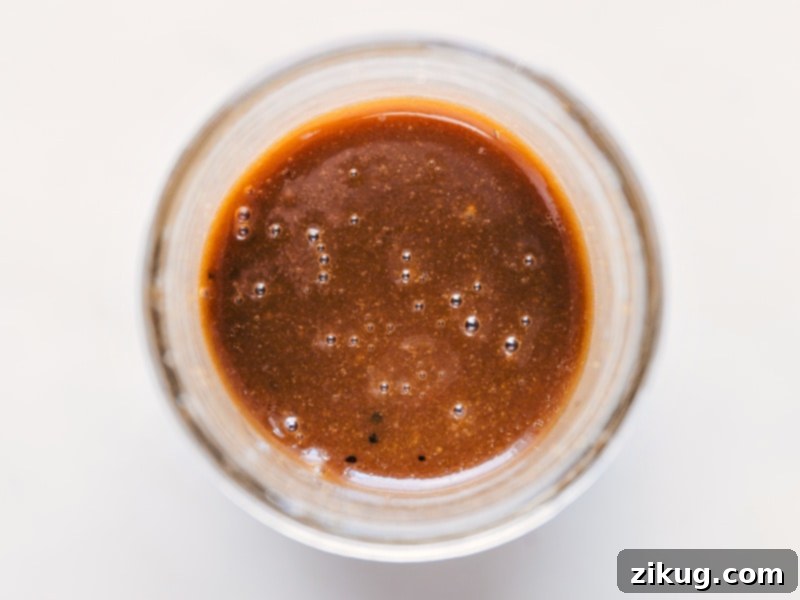
How To Make Your Own Balsamic Vinaigrette
Preparing this homemade balsamic vinaigrette is incredibly straightforward. It’s a simple shake-and-serve recipe that takes mere moments, transforming your meals instantly.
- Combine All Ingredients: Start by gathering all your ingredients. In a small jar with a tight-fitting lid (a wide-mouth Mason jar works perfectly for shaking!), combine the balsamic vinegar, red wine vinegar, Dijon mustard, honey, and olive oil. If you don’t have a jar, a mixing bowl and a whisk will do the job just as well.
- Shake or Whisk to Emulsify: Secure the lid on your jar tightly and shake vigorously for 30-60 seconds until all the ingredients are fully blended and emulsified into a creamy, cohesive dressing. If using a bowl, whisk briskly until the mixture is smooth and no longer separated. The Dijon mustard helps tremendously with this process.
- Taste & Adjust to Perfection: This is a crucial step for any homemade dressing! Open the jar or stop whisking and taste your vinaigrette. Consider adding more honey for a touch more sweetness, an extra splash of balsamic or red wine vinegar for increased tang, or additional salt and freshly ground black pepper to enhance all the flavors, according to your personal preference. Keep adjusting until it’s just right for you.
Tips for a Perfectly Emulsified Dressing
- Vigorous Shaking: Don’t be shy! The more energetically you shake (or whisk), the better the oil and vinegar will combine.
- Room Temperature Ingredients: Slightly warmer ingredients, especially the oil, tend to emulsify more easily.
- Dijon’s Role: Remember that Dijon mustard isn’t just for flavor; its proteins help stabilize the emulsion, preventing the dressing from separating too quickly.
Storage and Longevity
- Keep this balsamic vinaigrette recipe in an airtight container, ideally a sealed jar, in the refrigerator for 5-7 days. This ensures maximum freshness and flavor.
- Important Note: It’s completely normal for homemade vinaigrettes to thicken or separate when chilled, especially due to olive oil solidifying at colder temperatures. If this happens, simply remove it from the fridge and let it sit out at room temperature for 15-20 minutes. Then, give it a good, vigorous shake to re-emulsify before serving. It will be as good as new!
- For the absolute best flavor, consider making it ahead of time and chilling it in the fridge for a few hours. This allows the individual flavors to meld and deepen, resulting in an even more delicious and cohesive taste experience when served cold.
Balsamic Vinaigrette Recipe
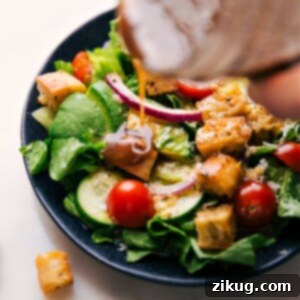
Pin
Balsamic Vinaigrette Recipe
Chelsea Lords
5
5
Approximately 1/2 cup (5-6 servings)
Equipment
-
Wide-mouth Mason Jar or other sealable container with a lid, or a mixing bowl with a whisk
Ingredients
- 2 tablespoons balsamic vinegar
- 1 tablespoon red wine vinegar
- 1 tablespoon Dijon-style mustard (see note 1 below for brand preference)
- 1 tablespoon honey (see note 2 below for vegan option)
- 1/4 cup olive oil
- Salt and pepper (to taste)
Instructions
-
In a wide-mouth jar, combine all dressing ingredients: balsamic vinegar, red wine vinegar, Dijon mustard, honey, and olive oil. If you don’t have a jar, you can use a mixing bowl and a whisk instead. Season to taste with salt and pepper; I typically add about 1/4 teaspoon of salt and 1/8 teaspoon of pepper to start.
-
Secure the lid tightly on the jar and briskly shake for about 30-60 seconds to thoroughly combine and emulsify the ingredients. If using a bowl, whisk vigorously until the mixture is smooth and creamy. Ensure the honey isn’t sticking to the bottom; whisk it into the mixture if necessary.
-
Taste the vinaigrette and adjust the flavors to your personal preference. Add more honey for extra sweetness, more vinegar for a tangier profile, or additional salt and pepper as needed until it’s perfectly balanced for you.
Recipe Notes
Note 2: The vinegars contribute a fair amount of tang, and honey helps to beautifully balance this acidity. If you prefer a more tangy dressing, feel free to omit or reduce the amount of honey. For a sweeter vinaigrette, gradually add more honey to taste. Maple syrup can be used as a vegan alternative.
Nutrition Note: The provided nutrition information is an estimate for a 1-tablespoon serving of the dressing.
Storage: Store your homemade balsamic vinaigrette in an airtight container in the refrigerator for 5–7 days. Please note that leftover dressing will naturally separate and may even appear slightly clumpy (this happens because olive oil solidifies at cold temperatures). To restore it, simply let the dressing stand at room temperature for about 15–20 minutes, then give it a vigorous shake to recombine all the ingredients. It will then be ready to use again!
Nutrition Facts (Per 1 Serving / ~1 Tbsp)
Carbohydrates: 5g |
Protein: 1g |
Fat: 11g |
Saturated Fat: 2g |
Polyunsaturated Fat: 1g |
Monounsaturated Fat: 8g |
Sodium: 36mg |
Potassium: 15mg |
Fiber: 1g |
Sugar: 4g |
Vitamin A: 2IU |
Vitamin C: 1mg |
Calcium: 4mg |
Iron: 1mg
Nutrition information is automatically calculated and should only be used as an approximation. It may vary based on specific ingredients and brands used.
Love this recipe? Leave a comment below and share your thoughts!
Versatile Ways to Use Your Balsamic Vinaigrette
The beauty of this homemade balsamic vinaigrette lies in its incredible versatility. It’s not just for salads! Here are some fantastic ways to incorporate this flavorful dressing into your everyday cooking:
- Elevate Your Salads: Perfectly suited for a simple green salad with fresh lettuce and vegetables, or heartier, more complex salads like Caprese Quinoa Salad or a protein-packed Chicken Spinach Salad.
- Roasted Vegetable Perfection: Drizzle generously over hot, freshly roasted vegetables. It adds a wonderful depth and tang to roasted broccoli, tender parmesan asparagus, or caramelized Brussels Sprouts. Try it on sweet potatoes or bell peppers too!
- Amp Up Sandwiches and Wraps: Toss mixed greens with a spoonful of the dressing before adding them to your sandwiches, wraps, or pitas. It prevents dryness and adds a burst of flavor.
- Flavorful Grain Bowls: Spoon it over a wholesome grain bowl featuring quinoa, couscous, or chewy farro, along with your favorite proteins and vegetables.
- Quick & Easy Marinade: This vinaigrette makes an excellent marinade for various proteins. Use it to tenderize and flavor chicken, juicy steak, or succulent shrimp before grilling, baking, or pan-frying.
- Brush on Grilled Foods: Lightly brush grilled vegetables, tofu, or even fruit (like peaches or pineapple) with the vinaigrette for a tangy, sweet glaze.
- Caprese Salad Upgrade: Take your classic Caprese salad (tomatoes, fresh mozzarella, basil) to the next level with a generous drizzle of this homemade dressing.
Variations and Customizations
Exploring White Balsamic Vinaigrette & Other Flavor Boosts
While this classic balsamic vinaigrette is a favorite, it’s also incredibly adaptable. You can easily tweak it to create new and exciting flavor profiles. For instance, I completely understand if you’re a fan of white balsamic vinaigrette – I love white balsamic vinaigrette too!
White balsamic vinegar differs from its darker counterpart. It’s pressure-cooked at a lower temperature to prevent the natural browning that occurs during the traditional aging process and is typically aged for a shorter period. This results in a milder, often sweeter flavor profile with a beautiful golden hue, making it perfect for dressings where you want a lighter color or a less intense vinegar taste.
Other Delicious Vinaigrette Variations:
- Garlicky Kick: Mince 1-2 cloves of fresh garlic and add them to the dressing. Let it sit for at least 15 minutes for the flavors to meld.
- Fresh Herb Infusion: Incorporate finely chopped fresh herbs like basil, oregano, thyme, or rosemary for an aromatic boost. Start with a tablespoon and adjust to taste.
- Citrus Zest: Add a teaspoon of lemon or orange zest for a bright, sunny note that complements the balsamic beautifully.
- Spicy Twist: A pinch of red pepper flakes or a dash of hot sauce can give your vinaigrette an exciting kick.
- Sweet & Fruity: Blend in a tablespoon of fruit preserves (like fig or berry) or a small amount of fruit puree (e.g., raspberry) for a unique sweet and tart profile.
- Umami Boost: A tiny splash of soy sauce or Worcestershire sauce can add an unexpected depth of savory flavor.
More Delicious Homemade Dressing Recipes:
Dressings
Cafe Rio Salad Dressing
Dressings
Strawberry Vinaigrette Recipe
Salad Dressings
Citrus Vinaigrette
Salads
Cherry Balsamic Salad Dressing
Frequently Asked Questions (FAQs) About Balsamic Vinaigrette
- What makes a balsamic vinaigrette “good”?
- A good balsamic vinaigrette achieves a perfect balance between tanginess, sweetness, and richness. High-quality balsamic vinegar and extra virgin olive oil are key, along with a touch of sweetness to mellow the acidity and an emulsifier like Dijon mustard for a smooth texture. Tasting and adjusting seasonings is essential.
- Is balsamic vinaigrette healthy?
- Yes, homemade balsamic vinaigrette is generally very healthy! It’s typically made with wholesome ingredients like olive oil (a source of healthy monounsaturated fats), balsamic vinegar, and natural sweeteners. Compared to many store-bought dressings, it contains fewer preservatives, artificial ingredients, and often less added sugar and sodium, giving you control over your nutrition.
- Can I make balsamic vinaigrette without Dijon mustard?
- While Dijon mustard is highly recommended for both flavor and its emulsifying properties, you can technically make it without. However, the dressing might not emulsify as smoothly or stay combined as long. As an alternative, you can try adding a tiny amount of mayonnaise or simply whisking very vigorously and serving immediately, knowing it will separate more quickly.
- How can I make this balsamic vinaigrette vegan?
- To make this recipe entirely vegan, simply swap the honey for an equal amount of maple syrup or agave nectar. Both provide a similar sweetness and complement the other flavors beautifully.
- What is the difference between balsamic vinegar and balsamic glaze?
- Balsamic vinegar is the primary ingredient here, offering a tart and sweet flavor. Balsamic glaze (or reduction) is balsamic vinegar that has been simmered and reduced until it becomes thick and syrupy. While delicious for drizzling, it’s too thick and concentrated for a vinaigrette unless diluted.
Whip Up Your Own Flavorful Balsamic Vinaigrette Today!
There you have it – a simple, reliable, and incredibly delicious homemade balsamic vinaigrette recipe that’s sure to become a staple in your kitchen. From its effortless preparation to its countless applications, this dressing proves that fresh, vibrant flavors are just minutes away. By choosing quality ingredients and taking a moment to taste and adjust, you’ll create a dressing that not only enhances every dish it touches but also provides a healthier, more controlled alternative to anything you’d find at the store. So go ahead, grab your ingredients, shake it up, and enjoy the unparalleled taste of the best homemade balsamic vinaigrette!