
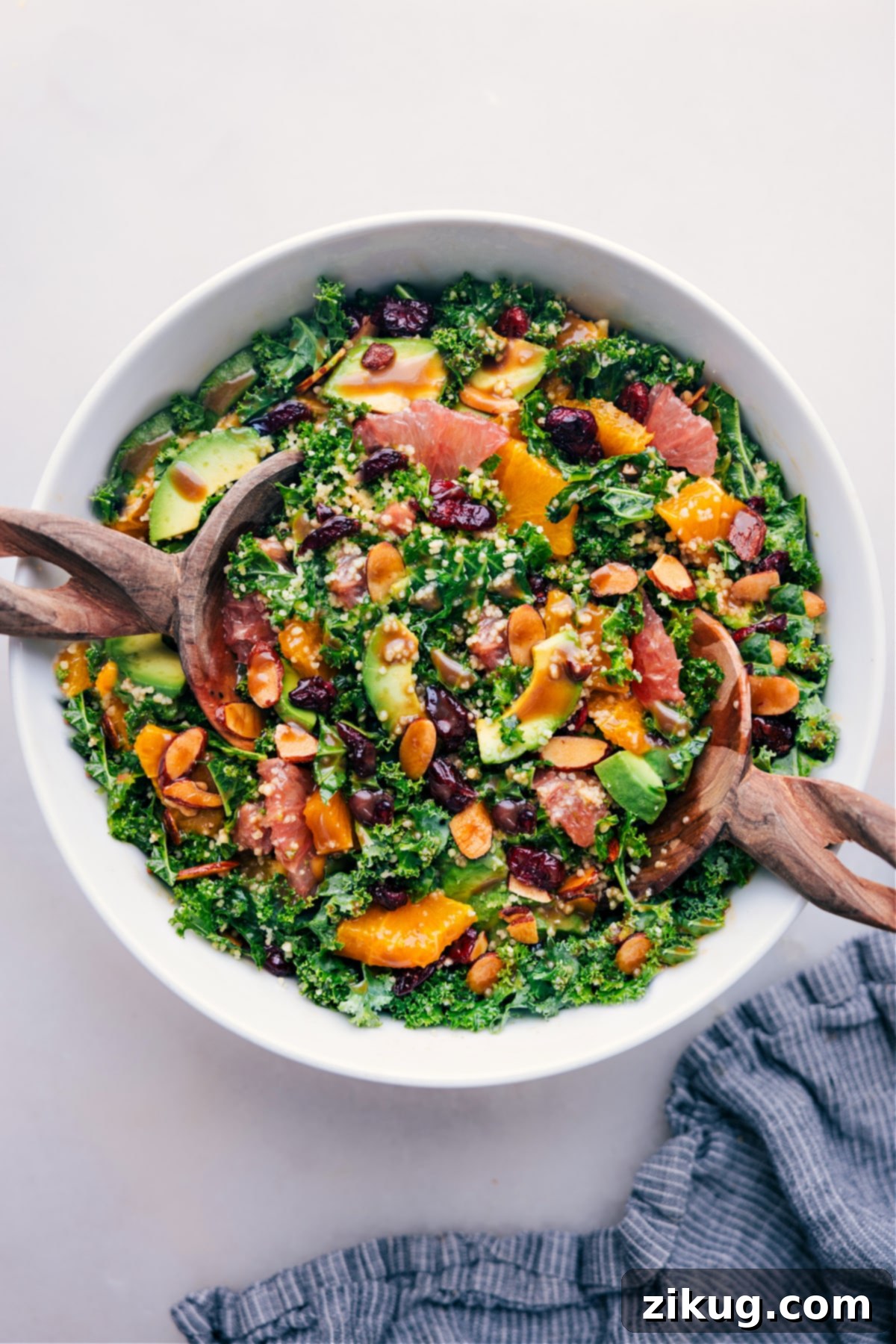
The Ultimate Grapefruit Salad: A Burst of Freshness
This Grapefruit Salad recipe is a truly crave-worthy dish, combining the invigorating taste of juicy citrus, the luxurious creaminess of avocado, the satisfying crunch of almonds, all brought together with a perfectly balanced balsamic dressing. It’s a vibrant, healthy, and incredibly refreshing addition to any meal, promising a delightful culinary experience that will brighten your palate.
If you’re a fan of adding bright, tangy citrus to your salads, you’ll love exploring these other fantastic options: our Orange Pomegranate Salad, a wholesome Citrus Quinoa Salad, or a simply refreshing Avocado Citrus Salad. Each offers a unique blend of flavors that celebrates the versatility of fresh fruit in savory dishes.
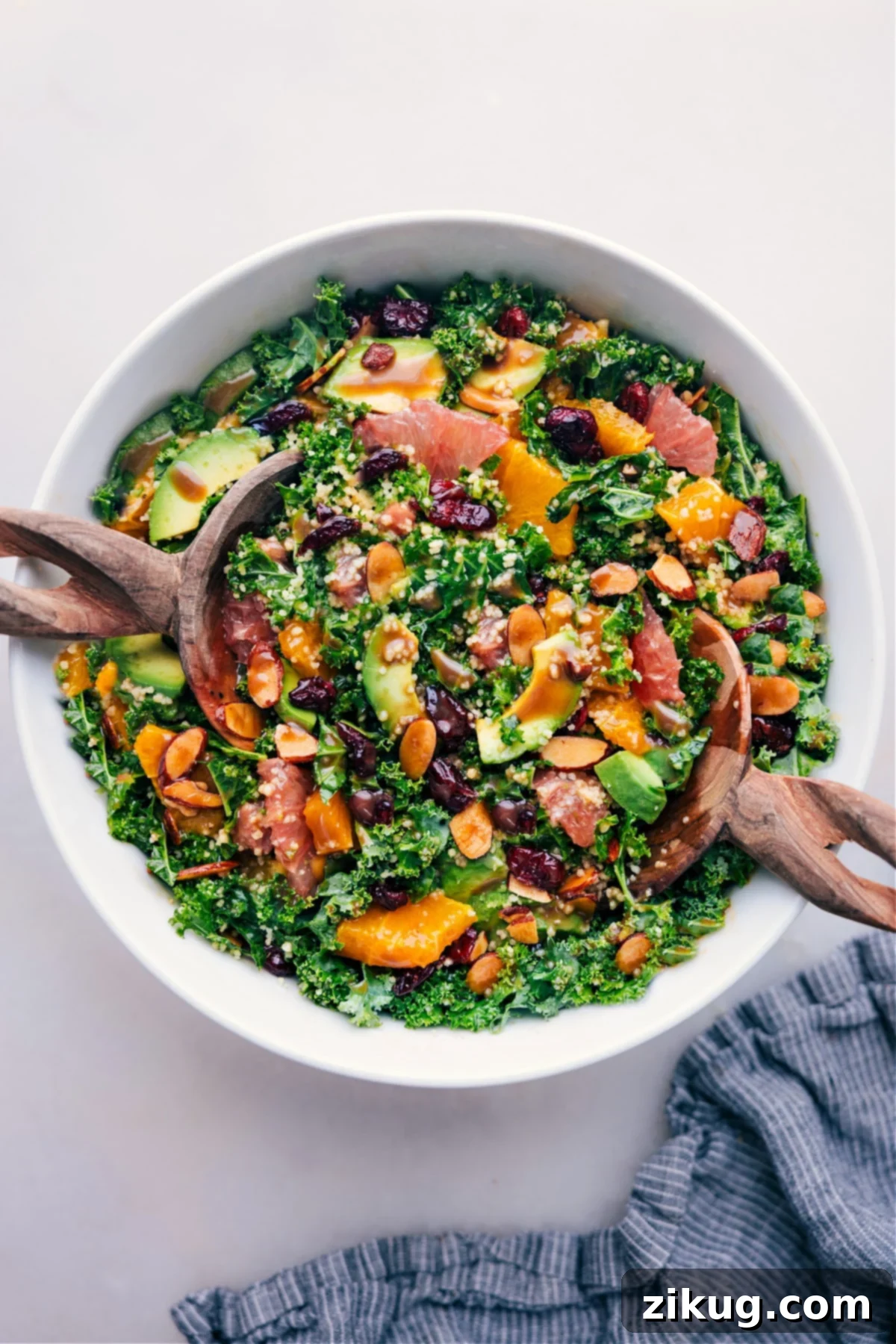
Why This Grapefruit Salad Is A Must-Try
While many might associate salads with being merely a light side dish, this Grapefruit Salad stands out as a truly remarkable and satisfying meal in itself. It’s an incredibly versatile recipe that has garnered enthusiastic praise, even from those who typically prefer heartier fare like Steak Tacos or Baked Ravioli. Its unique combination of flavors and textures makes it genuinely addictive, prompting requests for second and even third helpings. This salad proves that healthy eating can be utterly delicious and deeply satisfying.
This salad is particularly fantastic during cooler months or seasons when traditional summer berries are unavailable, offering a wonderful alternative for fresh and bright flavors. Its stunning visual appeal, with vibrant colors from the pink grapefruit, green avocado, and rich balsamic dressing, makes it an ideal choice for special occasions and holiday meals, adding an elegant and unexpected touch to your table. Beyond its beauty, it’s packed with fresh, juicy, and utterly delicious citrus, complemented by the rich creaminess of perfectly ripe avocado and the satisfying crunch of almonds. The interplay of sweet, tart, creamy, and crunchy elements creates a symphony of flavors and textures in every bite. If you opt to include a hearty grain like quinoa or couscous, this salad transforms into a complete and filling meal that will keep you energized and satisfied, making it perfect for a nutritious lunch or a light yet substantial dinner.
Mastering Kale for a Perfect Grapefruit Salad: Tips for Amazing Flavor and Texture
The secret to transforming ordinary kale into an extraordinary, tender, and flavorful component of your pink grapefruit salad lies entirely in how you prepare it. While it requires a small amount of extra effort, the result is an incredibly enjoyable base for your salad that is absolutely worth every minute. Properly prepared kale is far from bitter or tough; it becomes a verdant, nutrient-dense foundation for all the other vibrant ingredients.
Follow these essential steps to achieve perfectly tender and delicious kale:
- Remove the Tough Stems: The thick, fibrous stems of kale can be bitter and difficult to chew, detracting from the overall salad experience. To remove them, hold the bottom of the stem firmly with one hand. With your other hand, slide it up the stem, stripping the leafy greens away. It’s perfectly fine to leave a small portion of the stem near the top, as these parts are less fibrous; the primary goal is to eliminate the larger, tougher parts of the stem. This step ensures a more pleasant and palatable eating experience.
- Slice Kale into Thin Ribbons (Chiffonade): Once destemmed, stack the kale leaves neatly and roll them tightly into a cigar-like shape. Then, using a sharp knife, slice them very thinly across the roll into delicate ribbons (also known as a chiffonade). Smaller pieces not only integrate better with the other salad ingredients, ensuring a balanced bite, but also absorb the dressing more effectively, meaning every mouthful is bursting with flavor and boasts a superior, melt-in-your-mouth texture.
- Thoroughly Wash and Dry: It’s crucial to wash your kale thoroughly under cold running water to remove any dirt, grit, or residues. After washing, drying the kale completely is a non-negotiable step. Excess moisture will dilute your dressing, preventing it from adhering properly to the leaves, and can quickly lead to a soggy salad – a common pitfall. If you own a salad spinner, now is the ideal time to utilize it for quick and efficient drying. Alternatively, lay the kale out on clean kitchen towels and gently pat it dry.
- Massage and Marinate the Kale: This step is a true game-changer for tenderizing kale, transforming its fibrous texture into a delightfully soft and digestible form. Place the dry, thinly sliced kale in a large mixing bowl. Pour approximately 1 tablespoon of your balsamic dressing over the kale. Using both hands, firmly scrunch, squeeze, and massage the dressing into the leaves. This physical action, combined with the acidity of the dressing, helps to break down the tough cellular structure of the kale. Continue massaging until the kale visibly darkens in color and softens considerably, becoming pliable and less rigid. This process typically takes about 30 seconds to a minute. Let the massaged kale sit for at least 10 minutes (or even longer, up to 30 minutes) to further tenderize and absorb the dressing’s flavors, resulting in a significantly more palatable and flavorful base for your salad.
Elevate Your Grapefruit Salad into a Hearty Meal
For those times when you want your salad to be a substantial main course rather than just a side, incorporating extra elements can significantly boost its filling power and nutritional value. These additions are perfect for a satisfying lunch or a light dinner, helping to prevent hunger pangs shortly after eating. If you’re serving this as a lighter side dish, you can certainly skip these recommendations, but for a truly fulfilling meal, they are invaluable.
- Incorporate Wholesome Grains for Sustained Energy: Grains are excellent for adding complex carbohydrates, fiber, and protein, making your salad much more satisfying and providing sustained energy release.
- Quinoa: A complete protein, quinoa is a fantastic and nutrient-dense choice. For ultimate convenience on busy days, I often use plain microwave quinoa, which is pre-cooked and only requires a quick warm-up. This saves significant preparation time.
- Couscous: If you’re looking for an even quicker option, plain couscous is another excellent choice, ready in about 5 minutes. Its light and fluffy texture blends seamlessly with the other salad components.
- Other Grains: Hearty Farro or wholesome brown rice also make delicious and nutritious additions, offering different textures and flavors that complement the vibrant citrus.
- Add Lean Protein for Satiety: Including a source of lean protein will significantly increase the satiety of your salad, making it a complete meal that keeps you full longer. I find it incredibly helpful to prep proteins at the beginning of the week for quick and easy assembly during busy weekdays.
- Chicken: Versatile chicken is always a great choice. Options like tender baked chicken, flavorful blackened chicken, or marinated and grilled chicken are all fantastic. Shred, dice, or slice them for easy incorporation.
- Steak or Shrimp: For a more gourmet touch or a special meal, thinly sliced grilled flank steak or succulent pan-seared or grilled shrimp also pair exceptionally well with the bright, zesty flavors of this grapefruit salad. Their savory notes provide a wonderful contrast to the citrus.
- Plant-Based Proteins: For vegetarian or vegan options, consider adding chickpeas, black beans, or baked tofu for an equally satisfying protein boost.
Grapefruit FAQs: Your Questions Answered
Grapefruit is a wonderfully versatile and nutritious fruit, but some people might have questions about how to best enjoy it, especially in salads. Here are some common queries and helpful answers to ensure you make the most of this delightful citrus:
How can I make grapefruit taste sweeter?
It might sound counterintuitive, but adding a small pinch of salt to grapefruit can dramatically enhance its sweetness! This culinary trick works by reducing the perception of bitterness, which is often present in grapefruit, thereby allowing the natural sweet and tangy flavors of the fruit to shine through more prominently. A light sprinkle of sea salt can transform the experience, making grapefruit more enjoyable, especially for those who typically find it too tart or sour. Experiment with just a tiny amount to find your perfect balance.
What ingredients pair well with red grapefruit in a salad?
Red grapefruit’s vibrant color and distinctive sweet-tart flavor make it a stellar addition to salads, offering a refreshing and dynamic element. It creates an exquisite balance when combined with creamy avocado, which mellows its tanginess and adds a rich, smooth texture. Other citrus fruits, such as sweet navel oranges or juicy clementines, can amplify the overall citrusy profile, creating a multi-layered fruit experience. For added texture and a burst of concentrated sweetness, consider incorporating sweetened dried cranberries, dried tart cherries, or dried blueberries. Ingredients like thinly sliced fresh fennel offer a delicate anise flavor and crisp texture, while crunchy walnuts or pecans provide a grounding nuttiness. Diced mango can introduce an exotic sweetness, peppery arugula adds a delightful bite, delicate red onion slices contribute a subtle sharpness, and crisp cucumber offers refreshing coolness. All these elements work harmoniously to create a complex and satisfying salad.
What cheese varieties complement grapefruit in a salad?
The right cheese can elevate a grapefruit salad by providing a contrasting texture and flavor profile that beautifully balances the fruit’s acidity. Goat cheese is an exceptional choice, as its tangy, earthy, and creamy notes perfectly complement and mellow the grapefruit’s acidity, while also harmonizing with the richness of avocado. Its soft, crumbly texture melts delightfully into the salad. Feta cheese is another fantastic option, offering a salty, briny flavor and a crumbly yet creamy texture that provides a lovely counterpoint to the sweet and tart fruit, adding an extra layer of savory depth.
What are other creative uses for an abundance of grapefruits?
If you find yourself with a surplus of grapefruits, beyond making this delightful salad frequently, there are many exciting and delicious ways to enjoy them!
- Refreshing Beverages: Use them to create vibrant cocktails (like a Paloma or a Greyhound) or sparkling mocktails, adding a unique zesty twist and beautiful color.
- Nutrient-Packed Smoothies: Incorporate grapefruit segments into a green smoothie for a tangy boost of vitamins, antioxidants, and refreshing flavor.
- Elegant Breakfasts & Desserts: Layer grapefruit segments in parfaits with yogurt and granola, or adorn yogurt bowls for a bright and healthy breakfast or a light, sophisticated dessert.
- Energizing Snacks: Enjoy grapefruit wedges on their own or alongside some trail mix for a balanced and energizing snack.
- Homemade Preserves: For a wonderful way to preserve the fruit, consider making homemade grapefruit marmalade, which captures its unique bitterness and sweetness beautifully.
- Grilling/Broiling: Briefly grill or broil grapefruit halves with a sprinkle of brown sugar for a warm, caramelized treat.
How To Expertly Cut Grapefruit for Your Salad
Properly preparing your grapefruit by meticulously removing the peel and pith not only greatly enhances the visual appeal of your Grapefruit Salad but also eliminates any bitter notes from the tough white pith or rind. This careful method ensures every bite is pure, juicy citrus delight, free from unpleasant textures. Here’s a detailed guide on how to prepare grapefruit like a professional chef:
- Choose the Right Knife: A very sharp, thin-bladed serrated knife is your essential tool for this task. Its jagged edge glides through the fruit’s skin and membranes with ease, making the process much smoother and significantly less frustrating than using a dull or straight-edged knife.
- Trim the Ends: Begin by placing the grapefruit on a stable cutting board. Carefully slice off both the top and bottom ends of the fruit, cutting just deep enough to expose the flesh. This creates two flat, stable surfaces, making the fruit easier to handle and providing a secure base for the subsequent steps.
- Peel the Fruit: Stand the fruit upright on one of its flat ends. With your sharp serrated knife, carefully slice downwards, following the natural curve of the fruit, to remove the peel and the thick white pith beneath it. Work your way around the entire grapefruit, rotating it as you go, until all the exterior peel and pith are completely removed, exposing the vibrant, juicy flesh of the fruit. Aim to remove as much white pith as possible, as this is where much of the bitterness resides.
- Segment the Fruit (Optional, for Supreme Presentation): For the most elegant presentation and a truly refined salad, you can segment the grapefruit. Hold the peeled grapefruit over a bowl to catch any escaping juice. Carefully slice along the membrane of each segment, cutting just inside the white pith that separates each section. This technique releases individual, beautiful, membrane-free segments, often referred to as supremes.
- Slice the Fruit: If you prefer a simpler, quicker approach or desire smaller, more integrated pieces for your salad, you can skip the segmenting process. After completely peeling the fruit, thinly slice the entire grapefruit into rounds. Then, cut these rounds in half (or quarters, depending on your preference) to create perfect bite-sized pieces that blend beautifully and distribute evenly throughout the salad.
Alternatively, for a very quick and simple preparation, you can simply peel the citrus fruit by hand, much like an orange, and separate it into individual segments. For smaller, more manageable pieces in your salad, you can then cut these segments in half.
The Perfect Balsamic Dressing for Grapefruit Salad
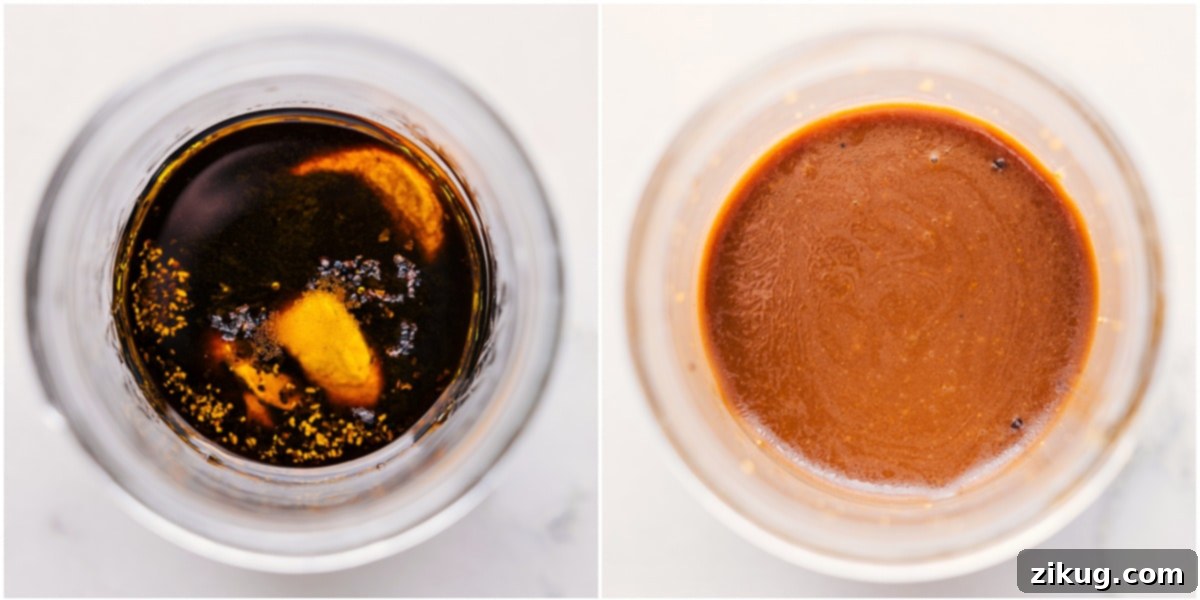
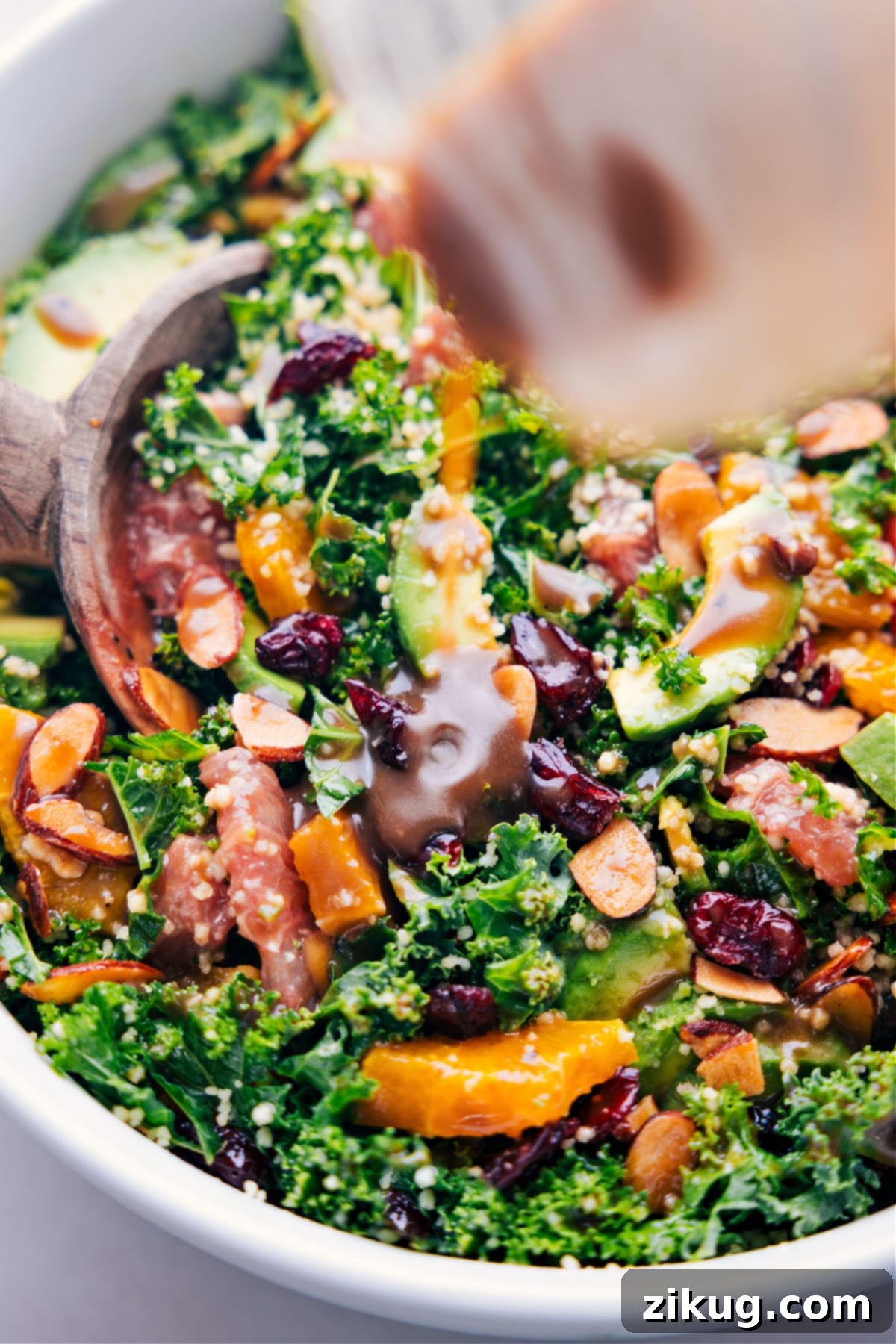
A phenomenal salad isn’t complete without a perfectly crafted dressing, and this balsamic vinaigrette is specifically designed to complement the vibrant, sweet, and tart flavors of the grapefruit salad. It’s incredibly simple to prepare – just combine all the ingredients in a jar with a tight-fitting lid and shake vigorously until well mixed and emulsified. Here’s a breakdown of what you’ll need and why each component is essential for creating a balanced and delicious dressing:
- Balsamic Vinegar: This forms the tangy and slightly sweet foundation of the dressing. Investing in a good quality balsamic vinegar will make a noticeable difference in the overall flavor profile. Look for one with a richer, slightly sweeter, and less harsh acidic taste for the best results, as a higher quality vinegar brings depth and complexity.
- Dijon Mustard: This is a crucial ingredient that acts as both an emulsifier and a flavor enhancer. Dijon mustard provides a subtle tanginess and helps bind the oil and vinegar together, preventing them from separating. Its distinct, sophisticated flavor is key, so be sure to use genuine Dijon mustard, not standard yellow mustard, which has a very different profile.
- Olive Oil: Extra virgin olive oil is preferred for its robust, fruity flavor and its numerous health benefits. It provides a smooth, luxurious base for the dressing and complements the other ingredients beautifully, adding a necessary richness and mouthfeel.
- Honey: The natural sweetness of honey is vital for balancing the acidity of the balsamic vinegar and the inherent tartness of the grapefruit. It rounds out the flavors and adds a pleasant sticky texture. You have the flexibility to adjust the amount of honey to achieve your desired level of sweetness, ensuring the dressing perfectly suits your palate.
- Salt and Pepper: These fundamental seasonings are critical for enhancing all the other flavors in the dressing. A good pinch of salt brightens the ingredients, while freshly ground black pepper adds a subtle warmth and aromatic complexity.
Quick Tip: Customizing Sweetness in Your Dressing
The beauty of homemade dressing is the ability to tailor it precisely to your taste. To adjust how sweet or tangy your dressing is, simply vary the amount of honey. Add a little more honey if you prefer a sweeter dressing that beautifully offsets the tart grapefruit, or use slightly less if you enjoy a bolder, tangier flavor profile. Always taste and adjust as you go to find your perfect balance!
Grapefruit Salad Storage and Make-Ahead Tips
This vibrant grapefruit and avocado salad is truly at its peak when enjoyed fresh, allowing you to experience the optimal textures and flavors of each component. The delicate nature of avocados means they begin to brown shortly after being exposed to air, and once fully assembled, the dressing will gradually soften the crunchy elements like nuts. However, with a few smart preparation strategies, you can still enjoy this delicious salad even when planning ahead, minimizing last-minute effort while maximizing freshness.
Optimal Freshness for Immediate Enjoyment
For the best possible texture and flavor, particularly regarding the creamy avocado and crisp almonds, it is highly recommended to serve the salad soon after it’s fully assembled and dressed. This ensures you experience every ingredient at its prime, with the perfect balance of crunch, creaminess, and vibrant tang.
Make-Ahead Components for Easy Assembly
If you’re looking to save time on the day of serving, you can efficiently prepare several components in advance:
- Cook Grains: Cook your quinoa or couscous ahead of time. Once completely cooled, store it in an airtight container in the refrigerator for up to 3-4 days. This makes assembly quick and easy.
- Prepare Kale: The kale can be prepped (destemmed, thinly sliced, washed, dried, and even massaged with a tablespoon of dressing as per instructions) a day in advance. Store the massaged kale in an airtight container in the fridge. This not only saves valuable time but also allows the kale to tenderize further and absorb more flavor, making it even more delicious.
- Make the Dressing: The balsamic dressing is an excellent candidate for advance preparation. It can be made several days ahead and stored in a sealed jar in the refrigerator. Remember to give it a good shake just before using to re-emulsify the ingredients and ensure a consistent flavor.
- Store Separately: Always keep all these prepared elements (cooked grains, massaged kale, and dressing) stored separately in individual airtight containers in the refrigerator. This compartmentalization is key to maintaining their individual freshness and integrity.
Assemble Just Before Serving
To maintain the salad’s ultimate freshness, vibrant appearance, and optimal texture:
- Avocado and Citrus: Always cut and dice the avocado and segment the grapefruit and oranges right before you are ready to serve. This prevents the avocado from browning and ensures the citrus fruit is at its juiciest and most appealing.
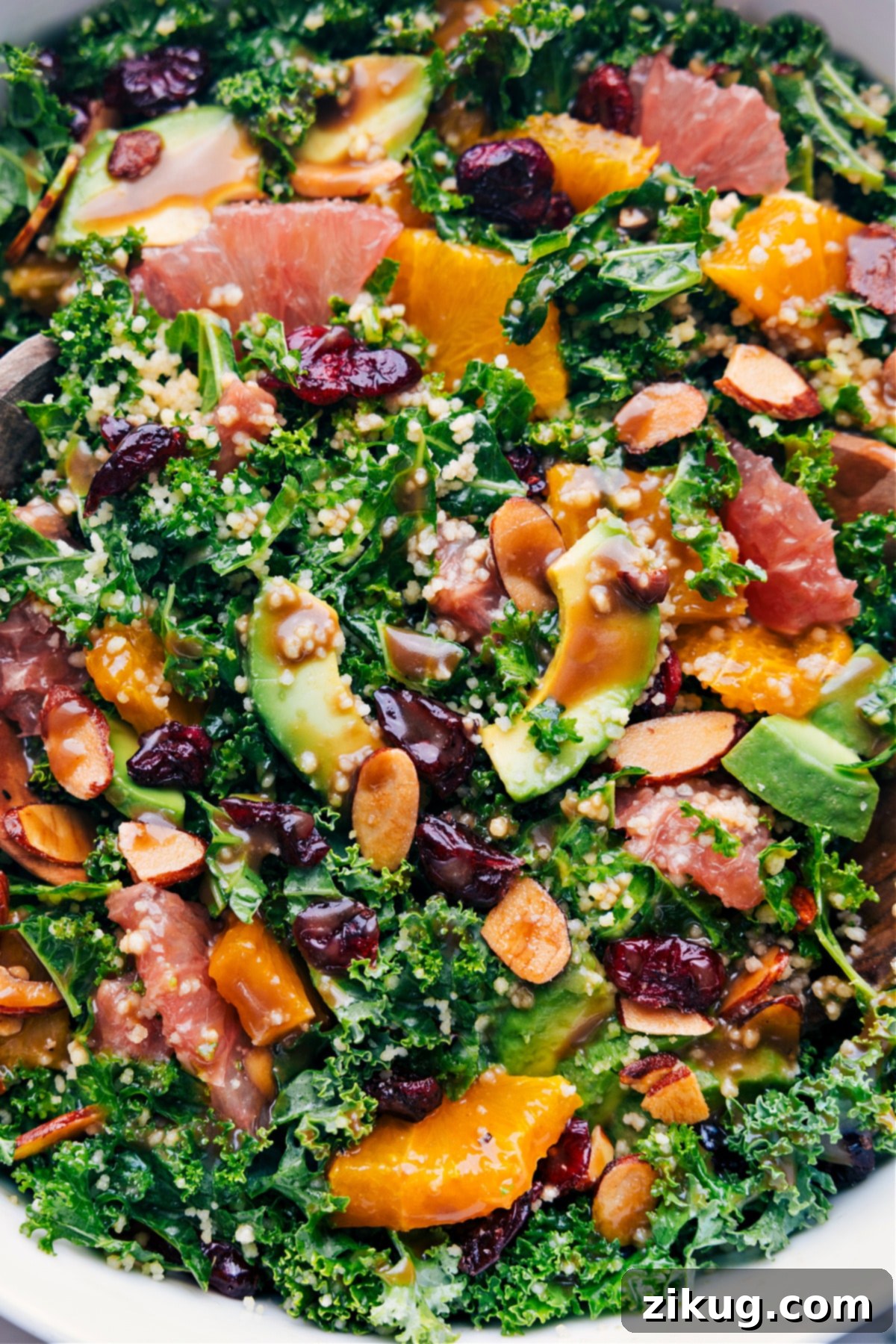
- Combine and Dress: When it’s time to eat, combine all the prepared ingredients – the massaged kale, cooked grains, fresh citrus segments, diced avocado, and the dried cranberries and honey-roasted almonds – in a large mixing bowl. Drizzle with your prepared balsamic dressing (add gradually and to taste; you may not need all of it, depending on your preference and the amount of kale). Gently toss all ingredients together until evenly coated. If using, sprinkle with goat cheese or feta cheese at this stage.
By following these simple yet effective make-ahead and storage tips, you can enjoy a fresh, delicious, and beautifully textured grapefruit salad with minimal last-minute effort, making it a perfect healthy option for any day of the week.
Perfect Pairings: What To Serve With Grapefruit Salad
This vibrant grapefruit salad is incredibly versatile, making it an excellent accompaniment to a wide array of dishes, from festive holiday feasts to quick and easy weeknight meals. Its bright, refreshing, and slightly tangy profile perfectly complements richer, heavier flavors and adds a healthy, colorful contrast to any plate. Here are some ideal pairings:
- Alongside a Festive Holiday Meal: Elevate your holiday spread by serving this salad with cherished classics. It pairs wonderfully with succulent Crockpot Turkey Breast, creamy and comforting Sweet Potato Casserole, and the indispensable, soft, no-knead Dinner Rolls. The citrusy tang and freshness of the salad beautifully cut through the richness of these traditional dishes, offering a welcome palate cleanser.
- With an Easy Weeknight Dinner: Transform a simple weeknight meal into something special and complete. This salad pairs wonderfully with hearty yet straightforward options like One-Pan Potatoes and Sausage or the light and zesty Lemon Garlic Shrimp. It adds a fresh, vibrant element that brightens the entire plate and balances the meal.
- For a Satisfying Soup and Salad Dinner: Create a comforting yet incredibly flavorful dinner by pairing this refreshing grapefruit and avocado salad with a warm bowl of Easy Tomato Soup. The combination offers a delightful balance of temperatures and flavors, providing both warmth and freshness in one meal.
- Grilled Fish or Chicken: The bright, acidic notes of grapefruit and the tangy balsamic dressing make this salad an ideal partner for lean grilled proteins. Consider serving it alongside perfectly grilled salmon, flaky cod, or tender chicken breasts. The salad’s freshness enhances the natural flavors of the protein without overpowering them.
- Vegetarian Mains: For a complete and wholesome vegetarian meal, serve this salad alongside a hearty lentil soup, a flavorful bean burger, or a medley of roasted root vegetables. Its vibrant flavors add life and a refreshing counterpoint to earthier vegetarian dishes.
- As Part of a Brunch Spread: The bright and fresh flavors make this salad a wonderful addition to any brunch spread, complementing egg dishes, quiches, or savory pastries beautifully.
Grapefruit Salad Recipe
Pin Recipe |
Print Recipe
Rating: 5 out of 5 stars (based on 1 vote)
By Chelsea Lords
This Grapefruit Salad is a flavor-packed mix of juicy citrus, creamy avocado, crunchy almonds, and the best balsamic dressing. So fresh, so crave-worthy!
Prep Time: 20 minutes
Total Time: 20 minutes
Servings: 4 as a side
Equipment
- Large mixing bowl
- Mason jar with lid (for dressing)
- Sharp serrated knife
- Cutting board
- Salad spinner (optional, for drying kale)
- Measuring cups and spoons
Ingredients
For the Salad:
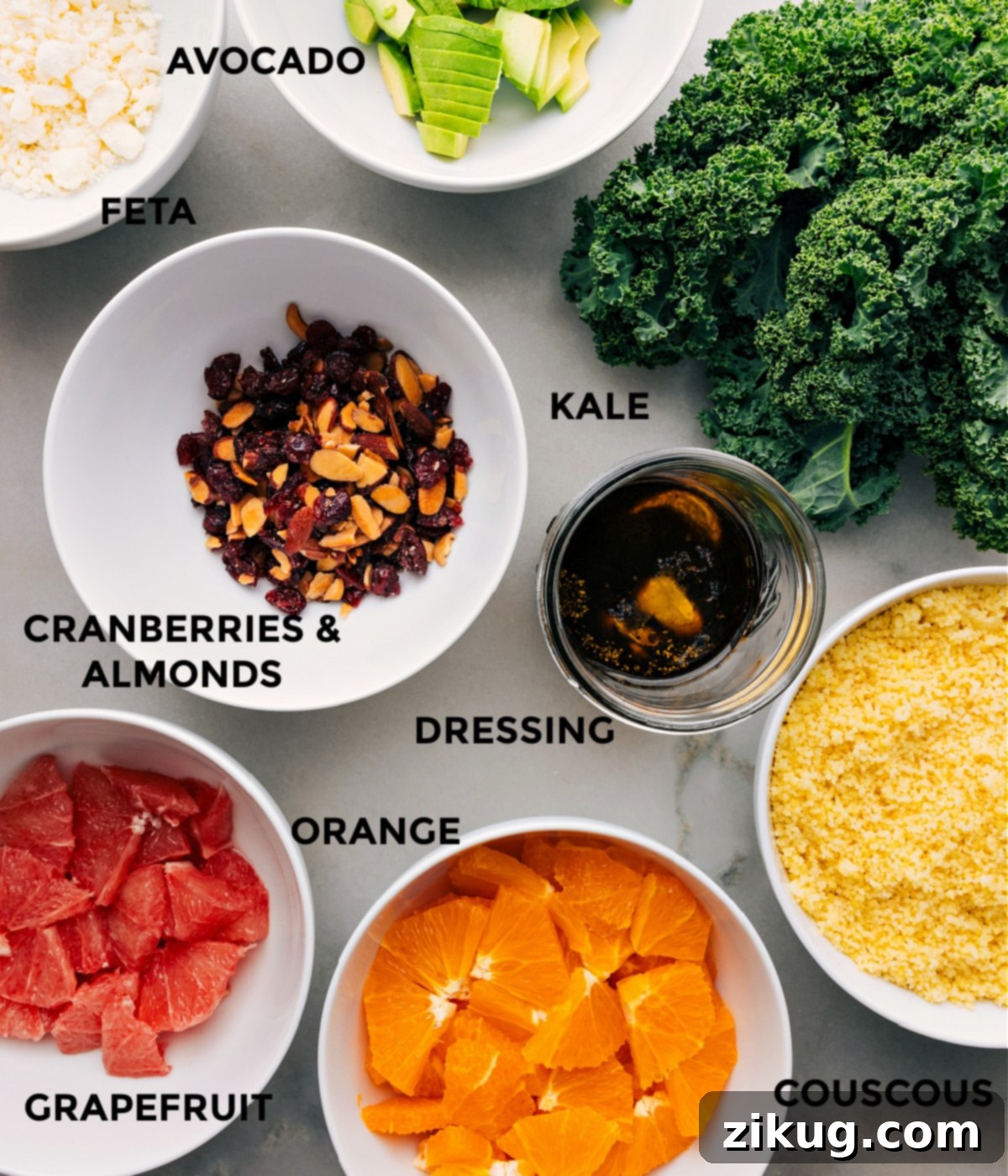
- 1 bunch (about 4 tightly packed cups) kale (or use mixed greens if preferred for a milder base)
- 1/2 cup couscous or 1 packet microwave quinoa, optional (see note 1 for preparation details)
- 1 large grapefruit (preferably pink or red for color and sweetness)
- 2 navel oranges (peeled and segmented or sliced)
- 1 large ripe avocado, diced
- 1 (3-ounce) packet dried cranberries and honey-roasted almonds (alternatively, use 1/2 cup each of plain dried cranberries and toasted almonds)
- Goat cheese or feta cheese, optional (add to your preference for a creamy, tangy element)
For the Balsamic Dressing:
- 1/3 cup olive oil (extra virgin recommended for best flavor)
- 2 tablespoons honey (adjust amount for desired sweetness)
- 2 tablespoons Dijon-style mustard
- 3 tablespoons balsamic vinegar (good quality for optimal taste)
- 1/4 teaspoon salt
- 1/8 teaspoon black pepper, freshly ground
Instructions
- Prepare the Dressing: In a mason jar or small bowl, combine all dressing ingredients: olive oil, honey, Dijon mustard, balsamic vinegar, salt, and pepper. Secure the lid tightly on the jar and shake vigorously until all ingredients are thoroughly mixed and emulsified. If using a bowl, whisk well. If honey tends to settle, stir again before use. Store the dressing in the fridge until ready to use, shaking again just before serving.
- Prepare Grains (Optional): If you are adding grains, prepare them now. For couscous: Bring 1/2 cup water and 1/4 teaspoon salt to a boil in a small pot. Remove from heat, stir in the couscous, cover the pot, and let it sit undisturbed for 5 minutes until the water is completely absorbed. Fluff with a fork before adding to the salad. If using a packet of microwave quinoa, follow the specific package directions for heating, or cook quinoa from scratch according to these detailed directions.
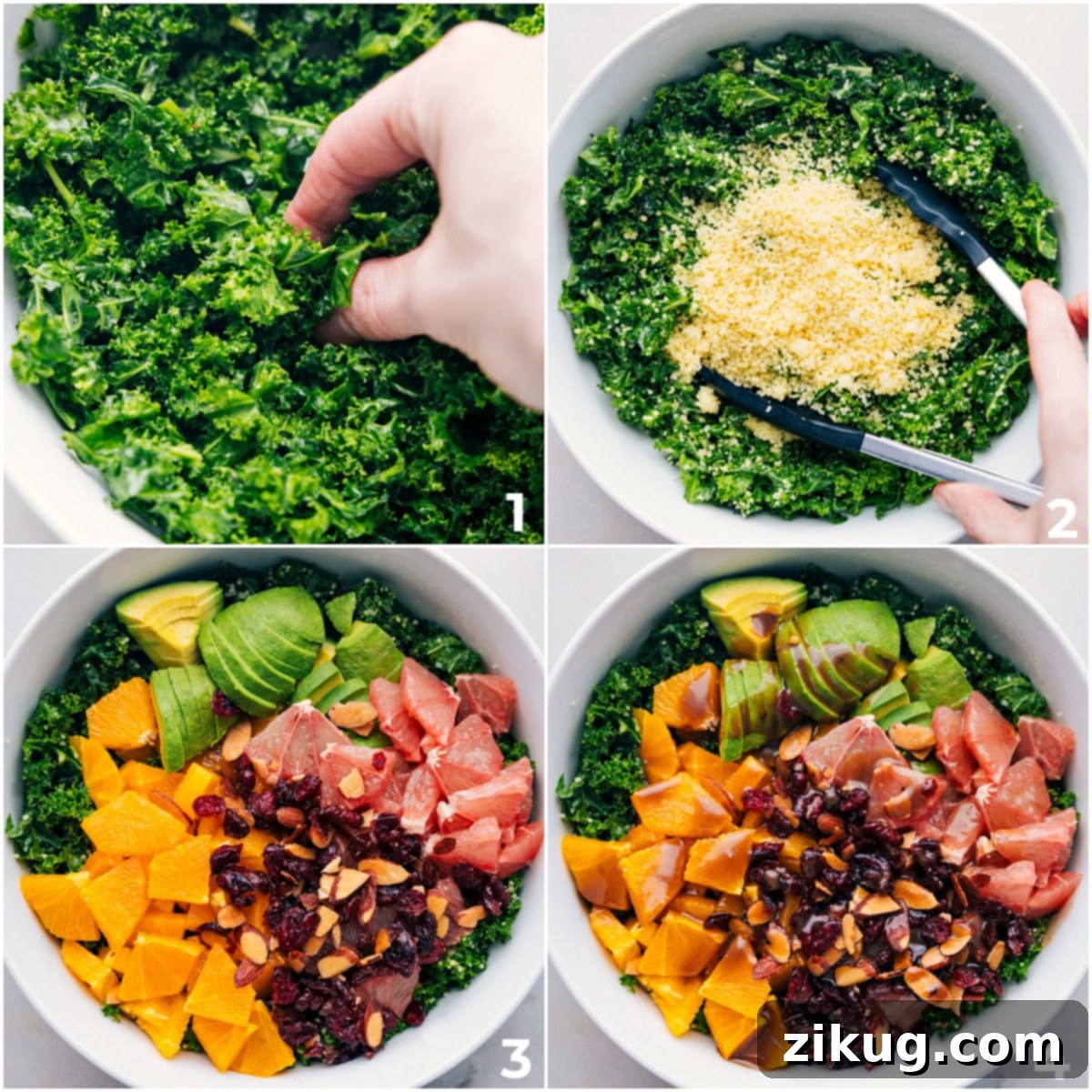
- Prepare the Kale (Essential): Begin by removing the coarse, tough stems from the kale leaves (grasp the bottom of the stem with one hand and slide your other hand up to strip the leafy greens off). Stack the destemmed kale leaves, roll them tightly, and slice them very thinly into ribbons (chiffonade). Rinse the kale thoroughly under cold water and then dry it completely using a salad spinner or by gently patting with paper towels. Place the dry, thinly sliced kale in a large mixing bowl.
- Massage the Kale: Drizzle about 1 tablespoon of the prepared balsamic dressing over the dry kale in the large bowl. Using both hands, firmly scrunch, squeeze, and massage the dressing into the kale leaves for approximately 30 seconds to 1 minute. This crucial process tenderizes the kale, breaks down its fibrous structure, and infuses it with initial flavor. Let the massaged kale sit for at least 10 minutes (or up to 30 minutes) to soften further.
- Prepare the Citrus: Using a sharp serrated knife, slice off the top and bottom of the grapefruit and both oranges to create flat, stable surfaces. Place each fruit on a cutting board, flat side down. Carefully slice downwards to remove the peel and the thick white pith, following the natural curve of the fruit, ensuring all bitter pith is removed. Once peeled, thinly slice the fruit into rounds, then cut these slices in half (or quarters) to create smaller, bite-sized pieces. Add the prepared citrus to the bowl with the massaged kale.
- Assemble the Salad: To the bowl containing the marinated kale and fresh citrus, add the cooked quinoa or couscous (if using), the diced ripe avocado, and the dried cranberries and honey-roasted almonds (or plain dried cranberries and toasted almonds).
- Dress and Serve: Drizzle the remaining balsamic dressing over the assembled salad. Add dressing gradually and to taste; you may not need all of it, depending on your preference. Gently toss all ingredients together until everything is evenly coated. If desired, sprinkle with goat cheese or crumbled feta cheese before serving. Serve immediately to enjoy the freshest flavors, crisp textures, and vibrant colors.
Recipe Notes
- Note 1 (Grains): Adding quinoa or couscous is entirely optional but highly recommended if you want to make this salad a more substantial and filling meal. For couscous: Bring 1/2 cup water and 1/4 tsp salt to a boil, remove from heat, add couscous, cover, and let sit for 5 minutes. Fluff with a fork before adding. For quinoa: use a convenient microwave packet or follow these detailed directions for cooking from scratch.
- Note 2 (Kale Preparation): For optimal taste and a pleasant texture, always ensure that the coarse, bitter stems are thoroughly removed from the kale. Slicing the leaves thinly into ribbons (chiffonade) allows them to soften more effectively and absorb the dressing better. Rinsing and thoroughly drying the kale with a salad spinner is crucial to prevent the salad from becoming soggy.
- Storage: To maximize freshness and prevent sogginess, it is best to only add dressing to the portion of salad you plan to eat immediately. Store the remaining undressed salad components (kale, grains, citrus, cranberries/almonds, but NOT avocado) in separate airtight containers in the refrigerator. Always add fresh avocado and any additional nuts to each serving just before eating to maintain their optimal texture and prevent browning.
Nutrition Information
Please note: Nutrition information provided is an approximation and can vary significantly based on specific ingredients, brand choices, and preparation methods. It should be used as a general guide.
- Serving Size: Approximately 1 serving (when served as a side dish for 4)
- Calories: 382 kcal
- Carbohydrates: 54.3g
- Protein: 8.5g
- Fat: 16.4g
- Sodium: 31mg
- Fiber: 7.7g
- Sugar: 22.2g
Loved this recipe? Share your thoughts and leave a comment below!