
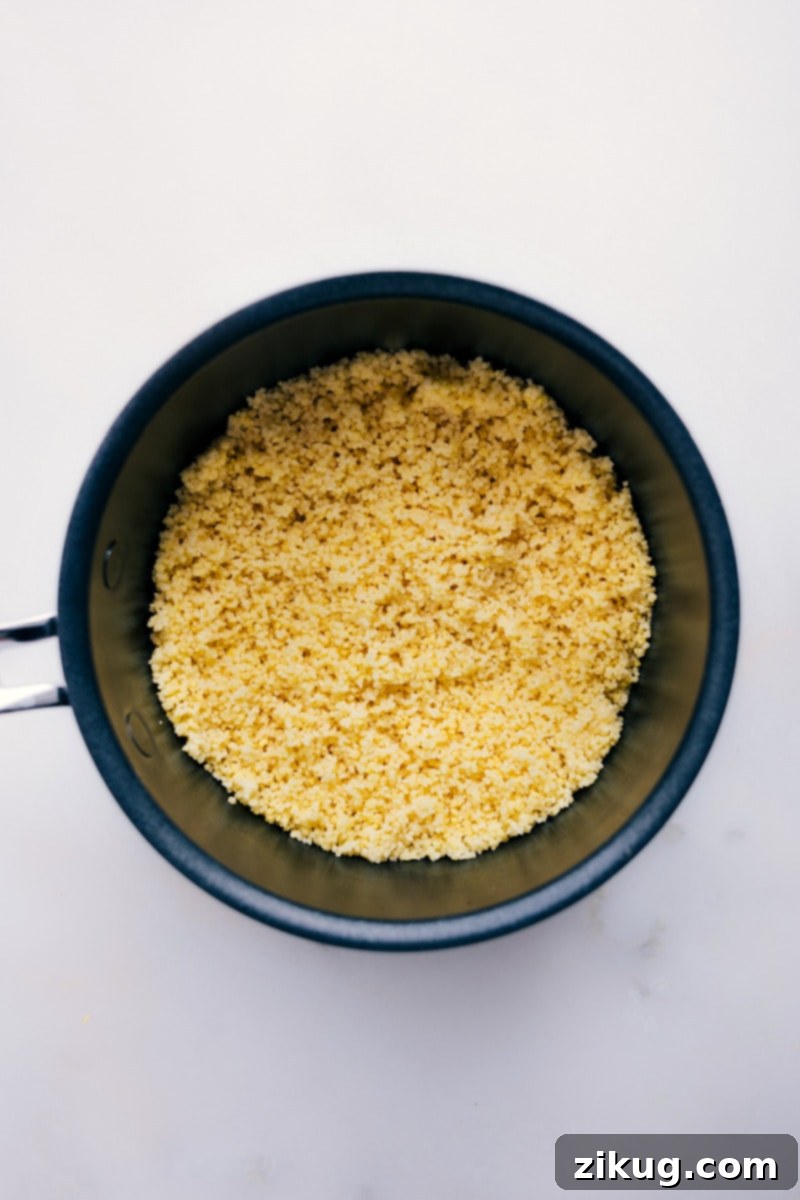
This **Couscous Recipe** is quick, easy, and incredibly versatile! Ready in mere minutes, it stands perfectly on its own or can be transformed into a culinary delight loaded with fresh herbs, savory nuts, or sweet dried fruits. The choice is entirely yours, making it the ideal canvas for any meal.
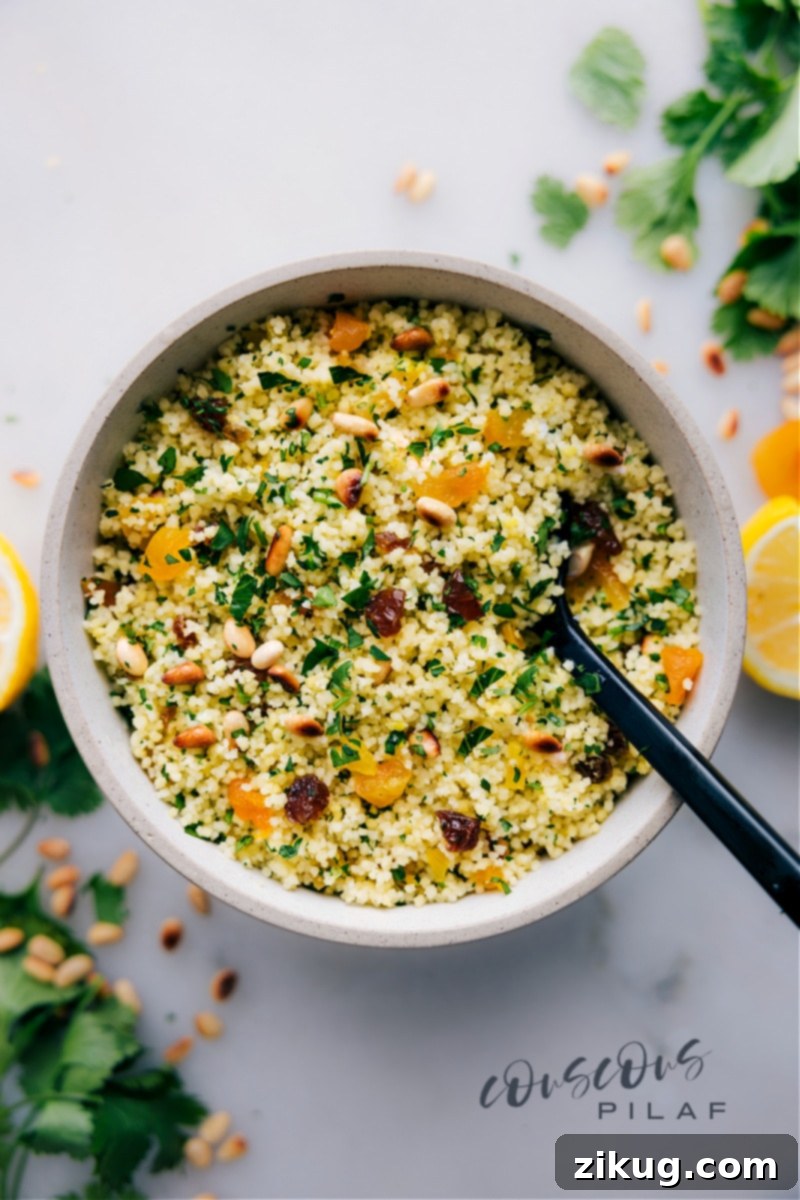
Quick & Easy Couscous Recipe: Your Ultimate Guide to a Versatile Side Dish
Couscous, a beloved staple originating from North Africa, has gracefully found its way onto dinner tables across the globe. Revered for its speed of preparation and remarkable ability to absorb a myriad of flavors, it’s truly a culinary chameleon. Whether you’re seeking a simple, wholesome side to complement a main course or a more elaborate, flavor-packed addition to your meal, this **easy couscous recipe** offers the perfect solution. Forget lengthy cooking times; with instant couscous, a delicious and satisfying dish is just minutes away. This guide will walk you through mastering the basic preparation and then inspire you to elevate your couscous with endless customization options, from fresh herbs to vibrant dried fruits and crunchy nuts. Get ready to transform your meals with this incredibly **versatile side dish** that promises both convenience and gourmet appeal.
What Is Couscous? Understanding the Basics of This North African Staple
Couscous, pronounced “koos-koos,” is more than just a grain; it’s a finely textured pasta made from semolina wheat, a coarsely ground durum wheat. Originating from North Africa, particularly in countries like Morocco, Algeria, and Tunisia, it holds a significant place in culinary traditions, often served as a foundation for rich stews and tagines. The beauty of couscous lies in its tiny, porous granules, which are masterfully crafted to cook rapidly and soak up accompanying liquids and flavors like a sponge, making every bite incredibly aromatic and moist.
In most U.S. grocery stores, you’ll find “instant” couscous, which has been pre-steamed and then dried. This convenience means it cooks in a flash – typically within five minutes – simply by adding hot liquid and allowing it to steam off the heat. This rapid preparation makes it an indispensable ingredient for **quick and easy weeknight meals**. It’s important to note that because couscous is wheat-based, it is **not gluten-free**. For those adhering to a gluten-free diet, excellent alternatives include quinoa or millet, which can be prepared in similar ways to achieve a comparable texture and absorb flavors effectively.
Beyond its culinary versatility, couscous also offers nutritional benefits. It’s a good source of fiber, which aids in digestion, and provides a moderate amount of protein. When prepared with nourishing broths and loaded with vegetables, herbs, and healthy fats, it becomes a truly well-rounded and satisfying component of any diet. Understanding these basics is the first step toward creating an exceptional couscous dish that’s both delicious and wholesome.
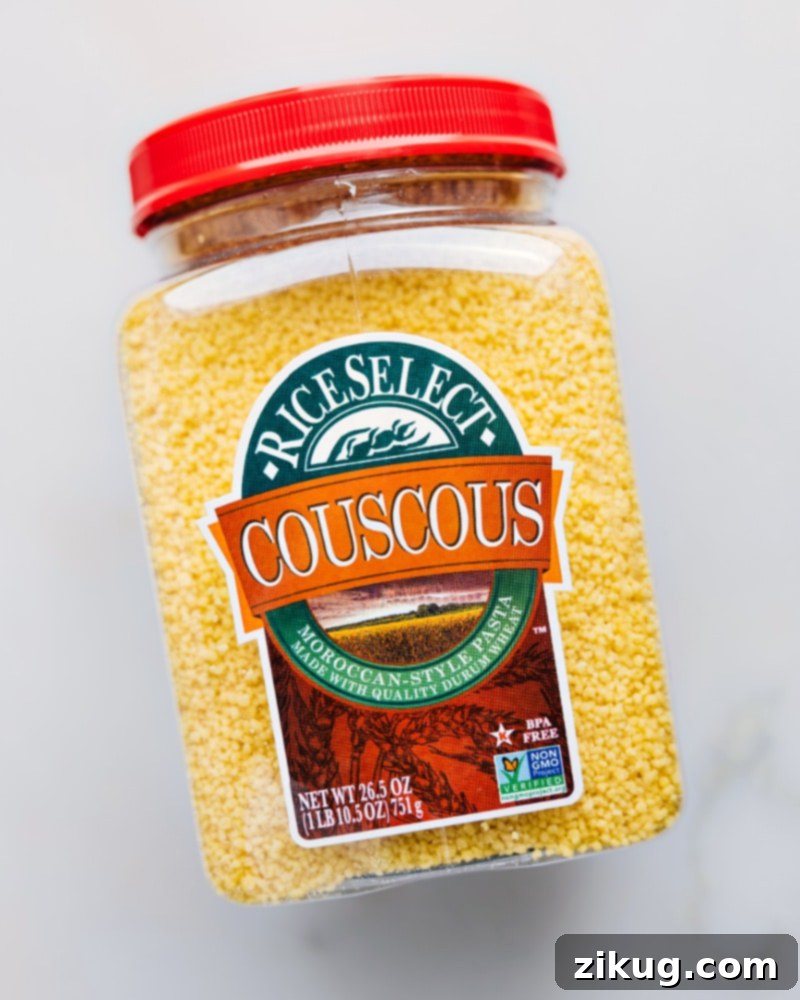
Choosing Your Couscous: A Guide to Types and Textures
While the term “couscous” often brings to mind the tiny grains, there are distinct types available, each offering a unique texture and requiring slightly different cooking methods. Knowing which type to use is key to achieving the desired outcome for your dish.
| Type | Also Called | Size & Texture | How to Cook | Best Uses |
|---|---|---|---|---|
| Moroccan Couscous | Small-grain couscous, Instant Couscous | Tiny, light, fluffy, individual grains. The most common variety in Western supermarkets. | Bring liquid to a boil, remove from heat, stir in couscous, cover tightly for 5 minutes, then fluff with a fork. | Perfect as a **quick side dish**, base for tagines, light salads, or as a bed for roasted vegetables and meats. |
| Pearl Couscous | Israeli Couscous, Giant Couscous | Larger, spherical pearls with a chewy, pasta-like texture. Slightly nutty flavor when toasted. | Toast in a little olive oil until golden, then add salted broth or water. Simmer for 8 to 10 minutes until tender, draining any excess liquid if necessary. | Excellent in **hearty salads**, soups (like Couscous Soup), alongside grilled fish or chicken, or as a more substantial grain bowl base. |
| Lebanese Couscous | Maftoul, Moghrabieh | Even larger than pearl couscous, with a distinct, robust chewiness, often hand-rolled. | Similar to pearl couscous, it’s often boiled in broth until tender. May require slightly longer cooking times than pearl couscous due to its size. | Ideal for **stews**, robust main dishes, or as a filling, textural element in salads. |
Each type offers a different culinary experience. Moroccan couscous is fantastic when you need a light, speedy accompaniment, absorbing delicate flavors beautifully. Israeli couscous, with its heartier chew, holds up well in more complex dishes and adds a wonderful texture. Experimenting with both will open up a world of culinary possibilities in your kitchen!
Quick Tip for Choosing the Right Couscous
To ensure the best results for specific recipes, consider the texture. For light and fluffy preparations, such as a **quick couscous side** or delicate Sweet Potato Couscous bowls, opt for **Moroccan (small-grain) couscous**. Its rapid cooking time and fine texture make it ideal for soaking up sauces without becoming heavy. Examples include Shrimp Couscous or a vibrant Couscous Mediterranean Salad.
Conversely, when you desire a dish with more substance and a pleasant chew, **Israeli (pearl) couscous** is your go-to. Its larger pearls stand up wonderfully in dishes like a robust Couscous Soup, a refreshing Summer Couscous Salad, or an Italian Salad, where it provides a satisfying bite and contributes to a more fulfilling meal.
Elevating Your Couscous: Simple Ways to Enhance Flavor and Texture
While plain couscous is a fantastic base, its neutral flavor profile is a blank canvas just waiting to be adorned with rich, vibrant flavors. Here’s how you can transform your basic couscous into a truly unforgettable dish, making it a star component of any meal.
- Choose Your Liquid Wisely: Stock or Broth is Best
Instead of plain water, always opt for a good quality chicken, beef, or vegetable stock or broth. This simple switch infuses the couscous with a foundational layer of savory flavor, adding depth and richness that water simply cannot provide. The tiny granules absorb the liquid, becoming plump and bursting with taste. For an even more aromatic experience, consider adding a bay leaf or a few peppercorns to the liquid as it comes to a boil. - Infuse with Fresh Herbs for Brightness
Stirring in finely chopped fresh herbs immediately after fluffing the couscous adds a burst of freshness and color. Cilantro and flat-leaf parsley are classic choices, offering a clean, herbaceous note. Don’t stop there; experiment with mint for a cooling, Mediterranean twist, dill for a subtle tang, or basil for an aromatic touch. The heat from the freshly cooked couscous will gently release their essential oils, mingling beautifully with the grains. - Add a Touch of Sweetness with Dried Fruit
For a delightful contrast of textures and flavors, incorporate diced dried fruits. Sweet dried apricots provide a lovely chewiness and sunny color, while cranberries or golden raisins offer a tangy-sweet burst. Other excellent options include chopped dates or figs for a richer, more caramel-like sweetness. These additions are particularly wonderful in Mediterranean or Middle Eastern-inspired dishes. Ensure you chop them finely for an even distribution throughout the couscous. - Introduce Crunch with Toasted Nuts
Toasted nuts are a game-changer for texture and nutty aroma. Almonds (sliced or slivered), pine nuts, or pistachios are excellent choices. Toasting them lightly in a dry skillet brings out their full flavor and crispness. The delightful crunch they add provides a welcome contrast to the soft couscous, enhancing the overall eating experience. Walnuts or cashews can also be used for varied nutty notes. - Brighten with Citrus Juices and Zest
A squeeze of fresh lemon or orange juice, along with a bit of their finely grated zest, can magically brighten the entire dish. The tanginess cuts through any richness and adds a vibrant, zesty finish. Lemon is particularly popular for its refreshing quality, while orange can introduce a subtle sweetness and warmth. This simple step can elevate the flavor profile significantly, making your couscous taste incredibly fresh and lively.
Storage Tips for Your Cooked Couscous
Once your delicious couscous recipe has been prepared, ensuring proper storage is key to enjoying it later. Cooked couscous can be safely stored in an airtight container in the refrigerator for up to 3-4 days. This makes it an excellent option for meal prepping throughout the week. To maintain its freshness and prevent it from drying out, always seal it tightly.
When you’re ready to enjoy your leftovers, reheating is simple. For best results, reheat it in the microwave or on the stovetop. To restore its moist and fluffy texture, add a small splash of water or broth before reheating. This helps rehydrate the grains and prevents them from becoming dry or clumpy. Stir gently as it heats through until it’s warmed evenly. Cooked couscous is also fantastic served cold in salads, offering a refreshing alternative to hot dishes.
What To Serve With This Versatile Couscous Recipe:
Couscous’s mild flavor and tender texture make it a superb companion to a vast array of dishes. It effortlessly adapts, soaking up sauces and complementing main courses without overpowering them. Here are some fantastic pairings to inspire your next meal:
Soups And Stews
Crockpot Beef Stew
The perfect pairing! Couscous is ideal for absorbing the rich, savory broth of a slow-cooked beef stew, creating a comforting and incredibly flavorful meal.
Dinner
Grilled Chicken Marinade {With Video}
Serve a light, herby couscous alongside perfectly grilled chicken. The couscous acts as a refreshing counterpoint to the smoky, savory flavors of the chicken, making it a balanced and delightful meal.
Side Dishes
Roasted Sweet Potatoes
For a vegetarian option or a hearty side-by-side pairing, the sweetness of roasted sweet potatoes beautifully complements the subtle nutty notes of couscous. Add a touch of cinnamon or paprika to the potatoes for an extra flavor dimension.
Dinner
Coconut Curry Chicken
Couscous provides an excellent absorbent base for rich and aromatic curries. Its delicate flavor allows the complex spices of a coconut curry chicken to shine, making for a truly satisfying and exotic meal.
Saved
Pin
Fluffy & Flavorful Couscous
Equipment
-
Medium pot
Ingredients
2x
3x
Metric
- 1 cup couscous see note 1
- 1 cup chicken stock or vegetable stock; water will also work
- 2 teaspoons olive oil
- 1/4 teaspoon salt
- 3 tablespoons finely chopped herbs I like a combo of cilantro and flat-leaf parsley
- 1 large lemon
- 1/4 cup diced dried apricots or currants or golden raisins, packed (or a combo of all!)
- 2 tablespoons toasted pine nuts see note 2
Instructions
-
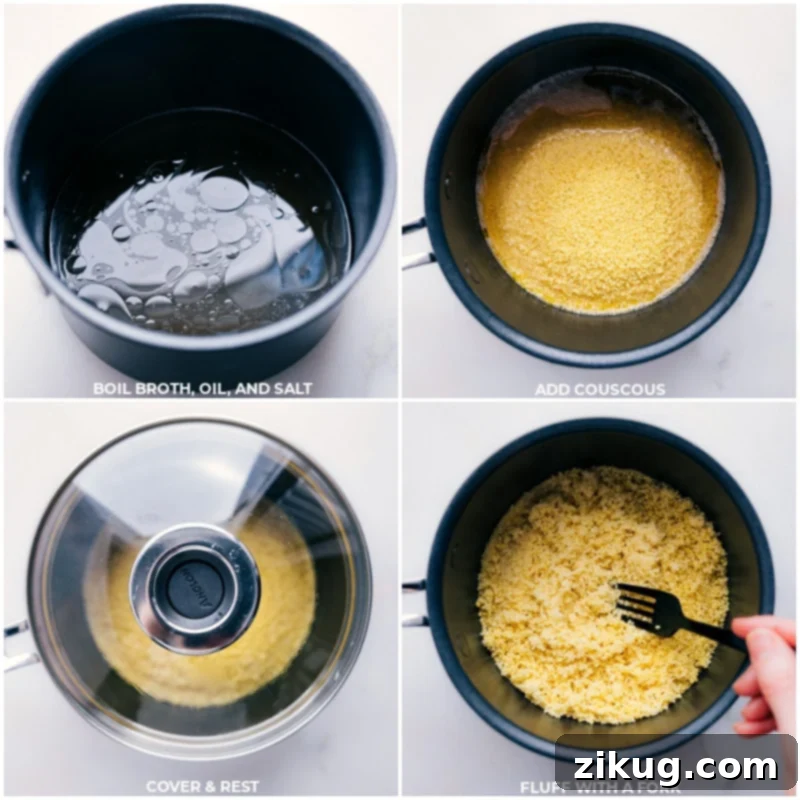
In a medium pot, bring the stock/broth, salt, and olive oil to a vigorous boil over high heat. Once a rolling boil is achieved, promptly remove the pot from the heat source. Stir in the couscous thoroughly until all the grains are moistened. Gently press the couscous into an even layer at the bottom of the pot, then cover it tightly with a secure lid (or plastic wrap). Allow it to sit undisturbed and steam for precisely 5 minutes. After the steaming time, remove the lid and use a fork to gently fluff the couscous, breaking up any potential clumps to ensure a light and airy texture.
-
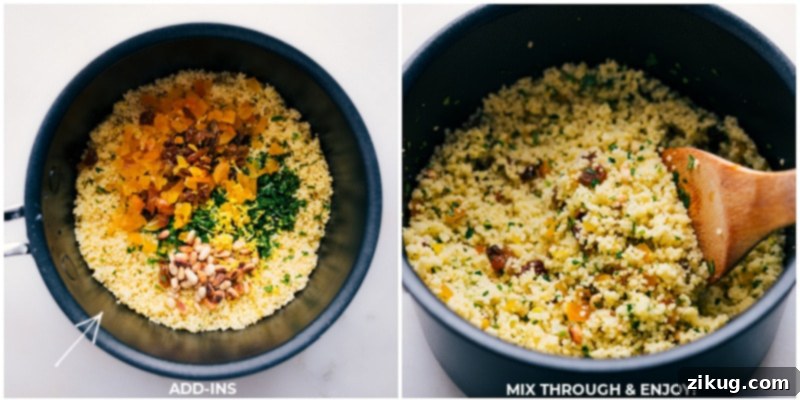
Optional Step – Jazz it up: For a more flavorful and textural experience, now is the time to add your desired “jazzed-up” ingredients. If using lemon, we recommend adding 1/2 teaspoon of fresh lemon zest for an aromatic lift and 2 tablespoons of freshly squeezed lemon juice for brightness. Gently stir through the chopped herbs, dried fruits, and toasted nuts until they are evenly distributed. Keep the couscous warm until you are ready to serve.
Recipe Notes
Note 2: The Importance of Toasted Pine Nuts: For the absolute best flavor and a delightful crunch, toasting your pine nuts is highly recommended. To do this, place the pine nuts in a dry (no oil) skillet over medium heat. Stir them frequently and watch them very closely, as they can burn quickly due to their high oil content. Toast pine nuts for approximately 3–5 minutes, or until they achieve a lightly golden-brown color and release a wonderfully fragrant, nutty aroma. Immediately remove them from the heat and allow them to cool slightly before incorporating them into your couscous to preserve their crisp texture.
Storage and Reheating Advice: Cooked couscous keeps beautifully in the refrigerator for up to 3–4 days when stored in an airtight container. This makes it ideal for preparing ahead of time. To reheat, you can use either a microwave or a stovetop. If reheating on the stovetop, add a tablespoon or two of water or broth to the pan with the couscous and stir gently over low heat until warmed through and rehydrated. This prevents it from becoming dry and clumpy.
Nutrition
Nutrition information is automatically calculated, so should only be used as an approximation.
Creative Variations: Make This Couscous Your Own
The beauty of this basic couscous recipe is its incredible adaptability. Once you master the simple preparation, you can endlessly customize it to suit your taste, dietary needs, or the main course you’re serving. Here are even more ideas to inspire your culinary creativity and ensure your couscous is never boring:
- Incorporate More Vegetables: Beyond the fresh herbs, couscous welcomes a variety of vegetables. Try mixing in finely diced roasted bell peppers (red, yellow, or orange for color), sautéed zucchini, steamed broccoli florets, or even finely grated carrots. Roasted cherry tomatoes add a burst of sweetness and acidity, while chopped cucumber can provide a refreshing crunch, especially in cold salads.
- Experiment with Different Herb Profiles: While cilantro and parsley are excellent, explore other fresh herbs. Mint offers a wonderfully cooling and aromatic touch, especially when paired with lemon and Middle Eastern flavors. Fresh basil provides a sweet, peppery note, perfect for Italian-inspired dishes, and dill pairs beautifully with seafood or yogurt-based dressings.
- Explore Unique Dried Fruit Combinations: Don’t limit yourself to just apricots or raisins. Chopped dates add a rich, caramel-like sweetness, while dried cranberries offer a tart counterpoint. You can also try dried cherries or even a mix of several different dried fruits for a complex flavor profile. Remember to chop larger fruits into small, bite-sized pieces for better integration.
- Boost with Protein for a Complete Meal: To transform your couscous from a side dish into a more substantial main, adding cooked protein is a great option. Stir in shredded or diced cooked chicken, pan-seared shrimp, or flaked salmon. For plant-based protein, cooked chickpeas, black beans, or lentils work wonderfully, adding both substance and fiber. Crumbled feta or goat cheese can also add a delightful creamy, tangy element.
- Spice It Up: Embrace Global Flavors: Couscous is a perfect vehicle for exploring various spice blends. Add warm, earthy spices like cumin, coriander, and paprika for a classic North African profile. A pinch of turmeric will lend a beautiful golden hue and subtle flavor. For a more adventurous twist, try a blend like Ras el Hanout, or even a touch of Garam Masala for an Indian-inspired side. Start with a small amount and adjust to your preference.
- Sweet Couscous Dessert: Don’t forget that couscous can also be sweet! Cook it with milk or a plant-based alternative, a pinch of sugar, cinnamon, and vanilla. Top with fresh berries, toasted nuts, or a drizzle of honey for a unique and delicious breakfast or dessert.
By experimenting with these variations, you’ll discover just how incredibly versatile and adaptable couscous can be, allowing you to create a new and exciting dish every time!