
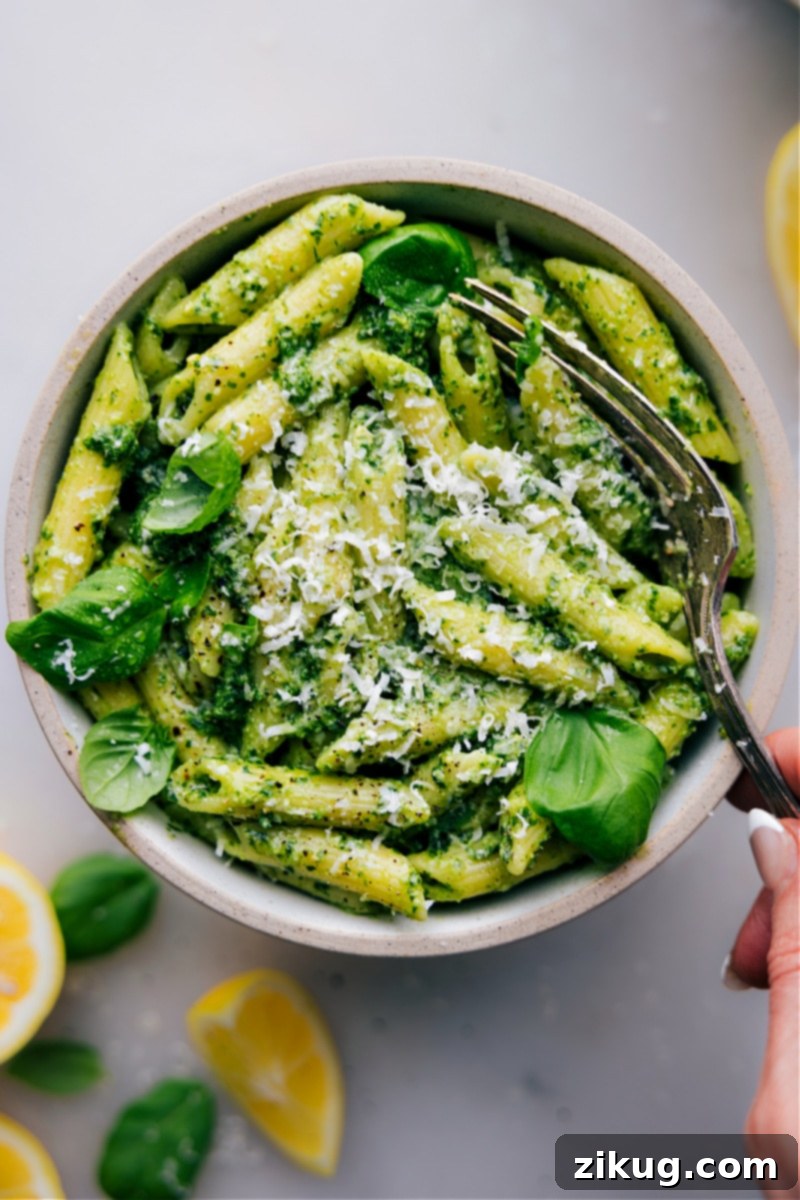
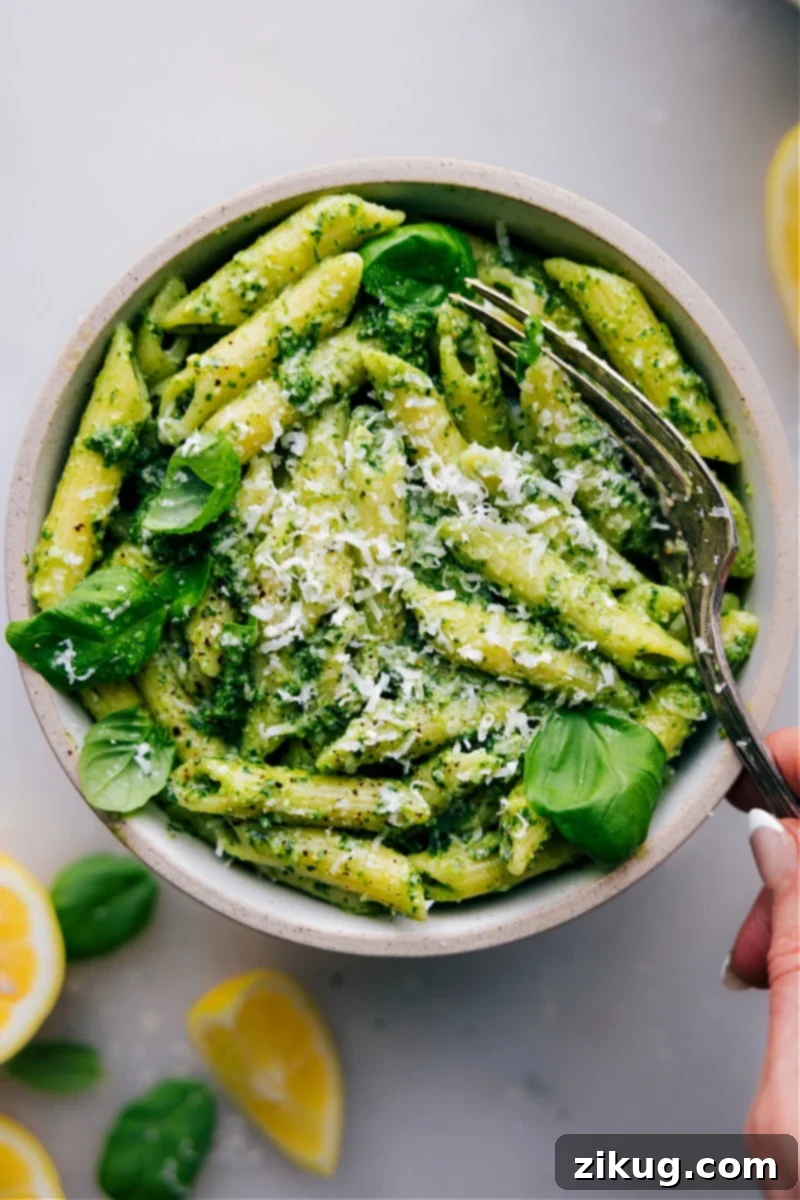
Welcome to the ultimate guide for preparing a truly unforgettable **Pesto Pasta Recipe**! This dish isn’t just a meal; it’s a celebration of fresh flavors and simplicity, designed to bring joy to your table with minimal effort. Imagine a vibrant, aromatic basil pesto coating perfectly cooked pasta, ready to delight your senses in under 20 minutes. It’s the kind of restaurant-quality dish you might expect from a gourmet Italian eatery, yet it’s incredibly easy to achieve right in your own kitchen. Whether you’re a seasoned chef or a beginner looking for a reliable, delicious weeknight meal, this recipe for **easy pesto pasta** is guaranteed to become a staple in your culinary repertoire.

author’s note
A Culinary Journey: My Love Affair with 25-Minute Pesto Pasta!
I distinctly remember the evening Pesto Pasta first captured my heart. It was one of those hectic weeknights when time was short, but my craving for something truly special, something beyond my usual go-to spaghetti with marinara, was undeniable. I scoured my fridge and pantry, seeking inspiration, and there it was—a humble jar of basil pesto. A spark ignited.
In a moment of pure culinary curiosity, I decided to toss that vibrant green pesto with some hot, freshly cooked pasta. What happened next was nothing short of magic. The aromatic basil, the rich olive oil, and the savory cheese instantly transformed simple pasta into a dish that tasted like it had been lovingly prepared in a charming Italian trattoria. It was sophisticated, yet incredibly comforting. That spontaneous dinner quickly evolved from a one-time experiment into an absolute staple, becoming one of my most cherished weeknight meals.
Over the years, my journey with pesto pasta has been one of joyful experimentation. I’ve explored countless pasta shapes, debated the merits of **homemade pesto** versus the best **store-bought pesto** brands, and enthusiastically added various proteins and vegetables. I’ve tried it with tender grilled chicken, succulent shrimp, sun-kissed cherry tomatoes, and earthy roasted veggies. Each variation brought its own charm, but this particular recipe, the one you’re about to discover, is the rendition I consistently return to. It strikes the perfect balance of simplicity, reliability, and absolutely irresistible flavor. It’s a dish that never fails to impress, always brings smiles to the dinner table, and has truly become a beloved classic in my family.
This recipe is more than just instructions; it’s an invitation to experience the sheer delight of Italian cuisine with incredible ease. We’ll explore the best ingredients, essential techniques, and plenty of tips to elevate your pesto pasta from great to extraordinary. Get ready to embrace the fresh, vibrant taste that only a truly well-made pesto pasta can offer!
The Essentials: What You’ll Need for the Perfect Pesto Pasta
Creating an outstanding pesto pasta dish starts with selecting high-quality ingredients. While the recipe is wonderfully simple, the flavor truly shines when you pay attention to these core components. Here’s a detailed look at what you’ll need and some valuable tips for each.
| Ingredient | Swaps & Expert Tips for Enhanced Flavor |
|---|---|
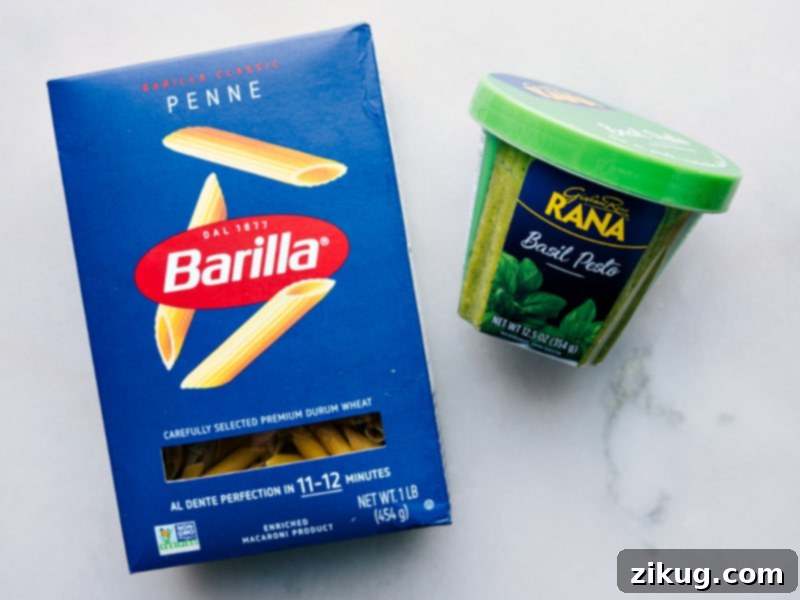
| Pesto | The heart of this dish! For an unparalleled taste, consider making your own **homemade basil pesto**. Its freshness is simply unmatched. If time is a factor, opt for a good-quality, refrigerated store-bought pesto. Look for brands in the refrigerated section near fresh pasta, as these often contain fresher ingredients. For a delicious variation, experiment with sun-dried tomato pesto or even a vibrant arugula pesto for a peppery kick. |
| Pasta | The beauty of pesto pasta lies in its versatility with pasta shapes. While penne is a fantastic choice because its ridges and hollow interior beautifully capture the sauce, feel free to use your favorite! Fusilli, farfalle (bow-tie), orecchiette, or even classic spaghetti or linguine work wonderfully. Choose a shape that will hold the creamy pesto well. For gluten-free options, select a high-quality gluten-free pasta that maintains its texture when cooked. |
| Pasta Water | This is your secret ingredient, often overlooked but absolutely crucial! Before draining your pasta, always scoop out about 1 cup of the starchy cooking water. This cloudy, flavorful liquid is key to creating a silky-smooth, cohesive sauce that beautifully emulsifies with the pesto, ensuring every strand of pasta is perfectly coated. It’s the trick to achieving that restaurant-quality consistency. |
| Parmesan Cheese | A sprinkle of freshly grated Parmesan or Parmigiano-Reggiano elevates the dish with its nutty, salty depth. For a sharper, more intense flavor profile, try Pecorino Romano cheese instead. If your pesto already contains a significant amount of cheese, you might adjust or even skip additional Parmesan. Always grate your cheese fresh for the best flavor and melt. |
| Salt and Pepper | Essential for seasoning! Remember to generously salt your pasta water – it’s the only chance to season the pasta itself. Freshly cracked black pepper adds a wonderful aroma and subtle heat. |
| Lemons (Optional) | A squeeze of fresh lemon juice or a dash of lemon zest can brighten the entire dish, cutting through the richness of the pesto and adding a delightful tang. Highly recommended for an extra burst of freshness! |
Crafting Your Culinary Masterpiece: How to Make Pesto Pasta
Making delicious pesto pasta is surprisingly simple, especially when you follow these straightforward steps. In just a few minutes, you’ll have a vibrant and flavorful dish ready to enjoy.
- Cook Pasta to Perfection: Begin by bringing a large pot of generously salted water to a rolling boil. Once boiling, add your chosen pasta and cook according to the package directions until it reaches a perfect al dente texture. This means it should be tender but still have a slight bite.
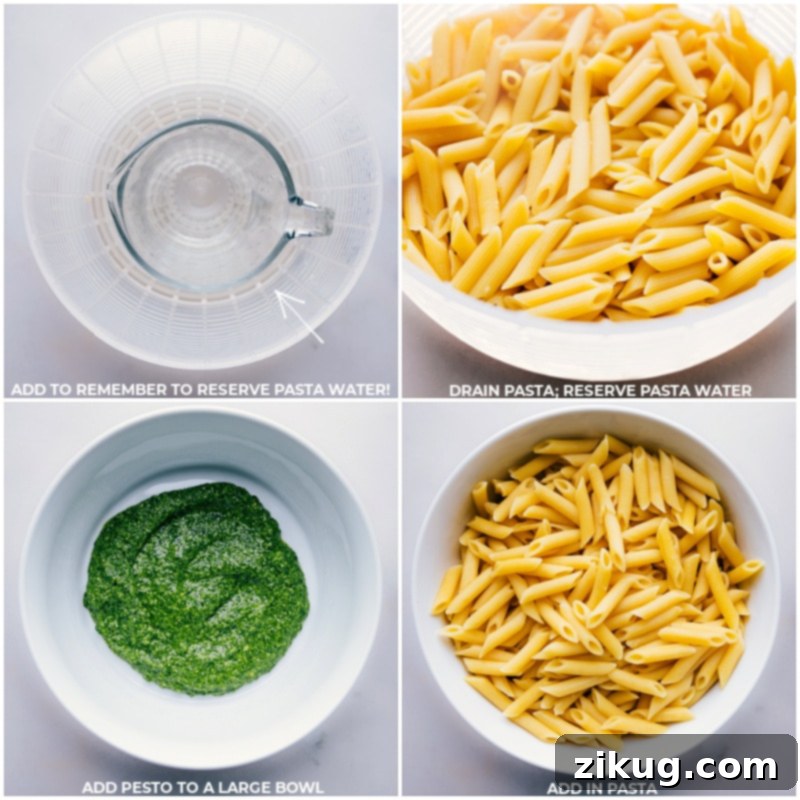
- Strategic Pasta Water Reserve: This step is crucial for achieving a creamy sauce. Before you drain the pasta, use a heat-safe mug or ladle to scoop out approximately 1 cup of the starchy cooking water. This liquid will be vital for emulsifying the sauce. After reserving, proceed to drain the rest of the pasta thoroughly. Remember, do not rinse the pasta under cold water, as this removes the starch needed for the sauce to cling.
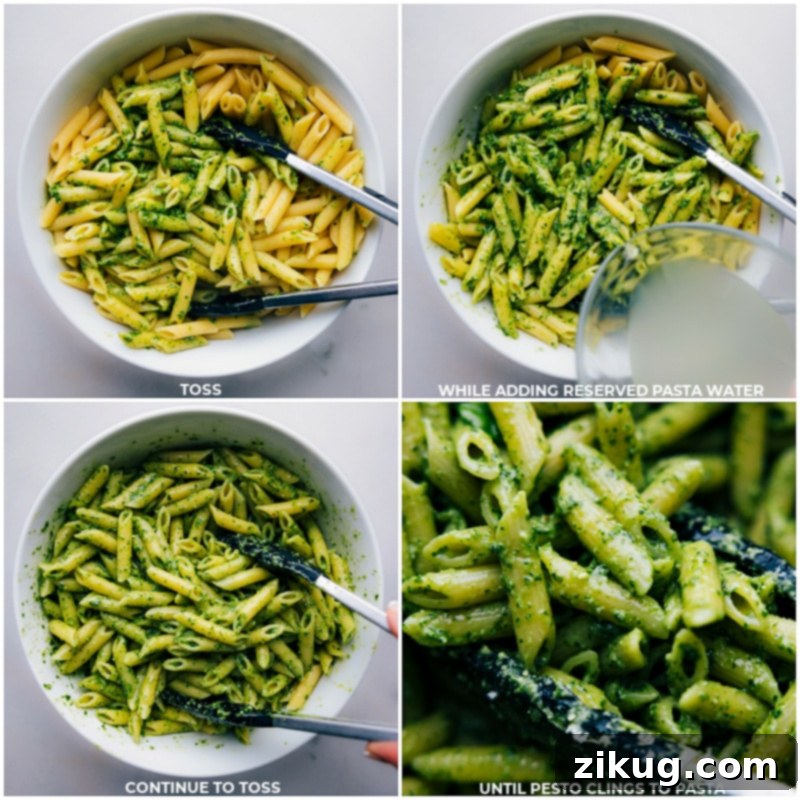
- Combine with Pesto: Transfer the hot, drained pasta immediately to a large mixing bowl. Add your preferred pesto (homemade or store-bought) to the pasta. Start by drizzling in about ½ cup of the reserved pasta cooking water. Using tongs, gently yet thoroughly toss the pasta, pesto, and water together. Continue tossing until every piece of pasta is beautifully coated in the vibrant green sauce. The hot pasta will help the pesto to warm slightly and meld perfectly with the starchy water.
- Finishing Touches & Serve: Once the pasta is evenly coated, stir in a generous amount of freshly grated Parmesan cheese. Toss again to combine. If the sauce seems too thick or dry, gradually add more of the reserved pasta water, a tablespoon at a time, until you achieve your desired cohesive and creamy consistency. Taste and adjust seasoning with additional salt and freshly cracked black pepper as needed. Serve your exquisite pesto pasta warm, garnished with extra Parmesan cheese, a squeeze of fresh lemon juice, and perhaps a few fresh basil leaves. Enjoy this quick and satisfying meal!
Quick Tip: Never Forget Your Pasta Water Again!
Do you often forget to save some of that precious pasta water before draining? You’re not alone! It’s a common oversight. Here’s a simple, foolproof trick: Place your colander directly in the sink, then set a heat-safe mug or measuring cup right in the center of the colander. When you go to drain the pasta, you’ll physically see the mug, serving as a perfect reminder to scoop out that essential starchy water first! This small habit will drastically improve your pasta sauces.
Expert Tips for the Best Pesto Pasta Every Time
While the recipe itself is straightforward, a few key tips can truly elevate your pesto pasta from good to absolutely phenomenal. Master these techniques for a dish that consistently impresses.
- Embrace the Magic of Reserved Pasta Water: This cannot be stressed enough! Adding a splash of the starchy cooking water when you’re mixing the pasta with pesto is a game-changer. The starch in the water helps to create a luscious, silky sauce that adheres beautifully to every strand of pasta, preventing it from being dry or clumpy. It’s the secret to a professional-grade creamy texture.
- Toss in a Separate Bowl, Not the Hot Pot: For best results, always mix your pesto and pasta in a large, separate mixing bowl rather than directly in the hot pot used for cooking the pasta. The residual heat of the pot can be too intense, causing the delicate basil in the pesto to “cook” or oxidize, leading to a duller, browner color and a less vibrant flavor. A separate bowl allows the pesto to gently warm and meld without losing its fresh, bright essence.
- Personalize Your Plate: Endless Customization Options: Pesto pasta is incredibly versatile! Don’t hesitate to make it your own by adding extra ingredients. Consider mixing in cooked proteins like tender grilled chicken or flavorful blackened shrimp for a more substantial meal. Fresh cherry tomatoes, halved or quartered, add a burst of sweetness and color. For an extra layer of flavor and nutrition, incorporate roasted vegetables such as bell peppers, zucchini, or asparagus. Toasted pine nuts add a delightful crunch and nutty flavor.
- Season Your Pasta Water Generously: Remember that the pasta itself absorbs flavor from the water it cooks in. Therefore, it’s essential to salt your pasta water generously – think of it like seasoning soup. A good rule of thumb is about 1 teaspoon of salt per 4 cups of water. This ensures your pasta is seasoned from the inside out, preventing the final dish from tasting bland, even with the flavorful pesto.
- A Touch of Freshness: A final drizzle of high-quality extra virgin olive oil just before serving can add a beautiful sheen and enhance the overall flavor. Additionally, a grating of fresh lemon zest provides an aromatic lift that brightens the entire dish.
Storage and Reheating Recommendations
- Refrigerator Storage: Leftover pesto pasta can be stored in an airtight container in the refrigerator for up to 3-5 days. This makes it an excellent option for meal prepping throughout the week.
- Reheating for Optimal Flavor: When reheating, gently warm the pasta on the stovetop over low heat, gradually adding a splash of water or vegetable broth until the sauce reaches your desired creamy consistency. This prevents the pasta from drying out and helps the sauce re-emulsify. Alternatively, you can reheat it in the microwave, stirring every 30 seconds to ensure even heating. A final squeeze of fresh lemon juice after reheating can revive the flavors beautifully.
- Freezer Not Recommended: Unfortunately, freezing pesto pasta is not ideal. The fresh basil in the pesto tends to lose its vibrant flavor and can sometimes become slightly bitter or dull when frozen and thawed with pasta. It’s best enjoyed fresh or from the refrigerator.
Perfect Pairings: What to Serve with Pesto Pasta
Pesto pasta is a versatile main dish that pairs wonderfully with a variety of sides, enhancing the overall dining experience. Here are some fantastic accompaniments to complete your meal:
Salads
Caprese Salad Recipe
A classic Caprese salad, with its vibrant colors and simple flavors of fresh mozzarella, ripe tomatoes, and fragrant basil, provides a refreshing contrast to the richness of the pesto pasta. A light balsamic glaze or a drizzle of extra virgin olive oil ties it all together beautifully.
Appetizers
Garlic French Bread
What’s pasta without some delicious bread to soak up every last bit of sauce? Warm, crusty French bread, especially when lightly toasted with garlic butter, is the perfect companion. Its texture and flavor complement the pasta wonderfully, making for a truly satisfying Italian-inspired meal.
Side Dishes
Roasted Asparagus (Two Ways!)
For a healthy and flavorful green vegetable, roasted asparagus is an excellent choice. Its slightly crisp texture and earthy flavor, especially when seasoned with a touch of Parmesan and lemon, provide a delightful balance to the creamy pesto pasta. You can roast it simply or try a balsamic glaze.
Appetizers
Fresh Tomato Bruschetta Recipe
Starting your meal with homemade bruschetta is a fantastic way to introduce more fresh Italian flavors. The toasted bread topped with ripe tomatoes, garlic, and basil offers a light, zesty appetizer that perfectly complements the main course without overpowering it.
Print Recipe
Classic Pesto Pasta Recipe
Video: How to Make Pesto Pasta
Watch this quick video to see how easily this delicious Pesto Pasta comes together. It’s incredibly satisfying and perfect for any night of the week!
Equipment
-
Large Pot (for pasta)
-
Large Mixing Bowl
-
Tongs or Pasta Spoon
Ingredients
- 1 cup Basil Pesto (packaged or homemade — see Note 1 for recommendations)
- 16 ounces Penne Pasta (or other preferred pasta shape)
- ~1 cup Reserved Pasta Cooking Water
- Salt and Freshly Ground Black Pepper (to taste)
- Fresh Lemons (optional, for garnish and added brightness)
- Freshly Grated Parmesan Cheese (optional, for serving)
Instructions
-
Bring a large pot of water to a rolling boil. Once boiling, add about 1 tablespoon of salt to the water. Add the pasta and cook according to package directions until it is perfectly al dente. Before draining, remember to scoop out and reserve about 1 cup of the starchy pasta cooking water. Then, drain the pasta well, shaking off any excess water, but do not rinse it under cold water.
-
While the pasta cooks, ensure your pesto is ready. Measure out 1 full cup of basil pesto and transfer it to a large ceramic or glass mixing bowl. It’s important not to add the pesto directly to the hot pot where the pasta cooked, as the intense heat can cause the delicate basil to brown and lose its fresh flavor. Once the pasta is cooked and drained, immediately add it to the bowl with the pesto. Drizzle in about 1/2 cup of the reserved pasta cooking water. Use tongs to gently but thoroughly toss the pasta in the pesto until every piece is beautifully and evenly coated. Add more pasta water, a tablespoon at a time, if needed, to achieve a cohesive, creamy, and luscious sauce consistency.
-
Taste the pasta and season generously to your preference with salt and freshly ground black pepper. Serve the pesto pasta immediately, topped with plenty of freshly grated Parmesan cheese. For the best flavor and texture, I highly recommend grating a block of quality Parmesan finely with a fine grater. A final squeeze of fresh lemon juice over the top is also a fantastic addition that brightens the entire dish. Enjoy your quick and delicious meal!
Recipe Notes
- For an explosion of flavor that truly stands out, prioritize a high-quality pesto. Making your own **homemade pesto** is an incredibly rewarding experience, and if you opt for this route, you absolutely must try this pesto recipe (it’s hands down the best I’ve ever tasted!).
- However, if you’re aiming to save precious time without sacrificing quality, I highly recommend selecting a freshly made, refrigerated basil pesto from your local grocery store. You’ll typically find these gourmet options located near the fresh pasta and specialty cheeses in the refrigerated section. From personal experience, Rana’s® Basil Pesto is an outstanding choice that delivers exceptional flavor.
Storage & Reheating: Keep any leftover Pesto Pasta in an airtight container in the refrigerator for up to 5 days. When reheating, warm the pasta gently on low heat in a skillet. Gradually add small amounts of water or broth to the sauce until your desired consistency is reached, stirring frequently. Alternatively, reheat in the microwave, stirring every 30 seconds. Consider adding more salt if needed, and a fresh squeeze of lemon juice always enhances the flavor of reheated pesto pasta.
Nutrition Information
Nutrition information is automatically calculated, so should only be used as an approximation.
Pesto Pasta Recipe FAQs
For this particular Pesto Pasta recipe, I always recommend adding the pesto to hot pasta immediately after it’s cooked and drained. The residual heat from the pasta helps to gently warm the pesto, causing it to loosen and emulsify beautifully with the reserved pasta water. This creates a wonderfully smooth and cohesive sauce that evenly coats every single piece of pasta, maximizing flavor and texture. However, if you’re aiming for a refreshing cold dish, pesto also makes an excellent base for a vibrant pesto pasta salad! In that case, you’d let the pasta cool completely before tossing it with pesto and any other cold salad ingredients.
Absolutely! Using pesto from a jar is not only acceptable but often a fantastic time-saver, especially for busy weeknights. The key is to select a high-quality brand. Look for refrigerated pesto in the fresh produce or dairy section of your grocery store, as these typically offer a fresher, more vibrant flavor profile compared to shelf-stable versions. Simply scoop the desired amount into your large mixing bowl, and you’re good to go – no extra preparation needed. It’s an easy-peasy way to enjoy this delightful dish!
Pesto pasta is incredibly versatile! You can easily customize it with a variety of delicious additions. For protein, consider grilled chicken, sautéed shrimp, or even chickpeas for a vegetarian option. Vegetables like cherry tomatoes (halved), roasted bell peppers, zucchini, or asparagus spears add color, texture, and nutrients. For extra richness and crunch, toasted pine nuts or walnuts are excellent. A sprinkle of red pepper flakes can introduce a subtle heat, while fresh lemon zest brightens the entire dish. Don’t be afraid to experiment and find your favorite combinations!
The secret to super creamy pesto pasta lies in the judicious use of reserved pasta water. This starchy liquid is essential for emulsifying the pesto sauce, helping it to cling to the pasta rather than sitting loosely. Start with ½ cup of reserved pasta water when tossing your pasta and pesto, and then gradually add more, one tablespoon at a time, until you reach your desired creamy consistency. The starch creates a smooth, luxurious texture that elevates the entire dish.