
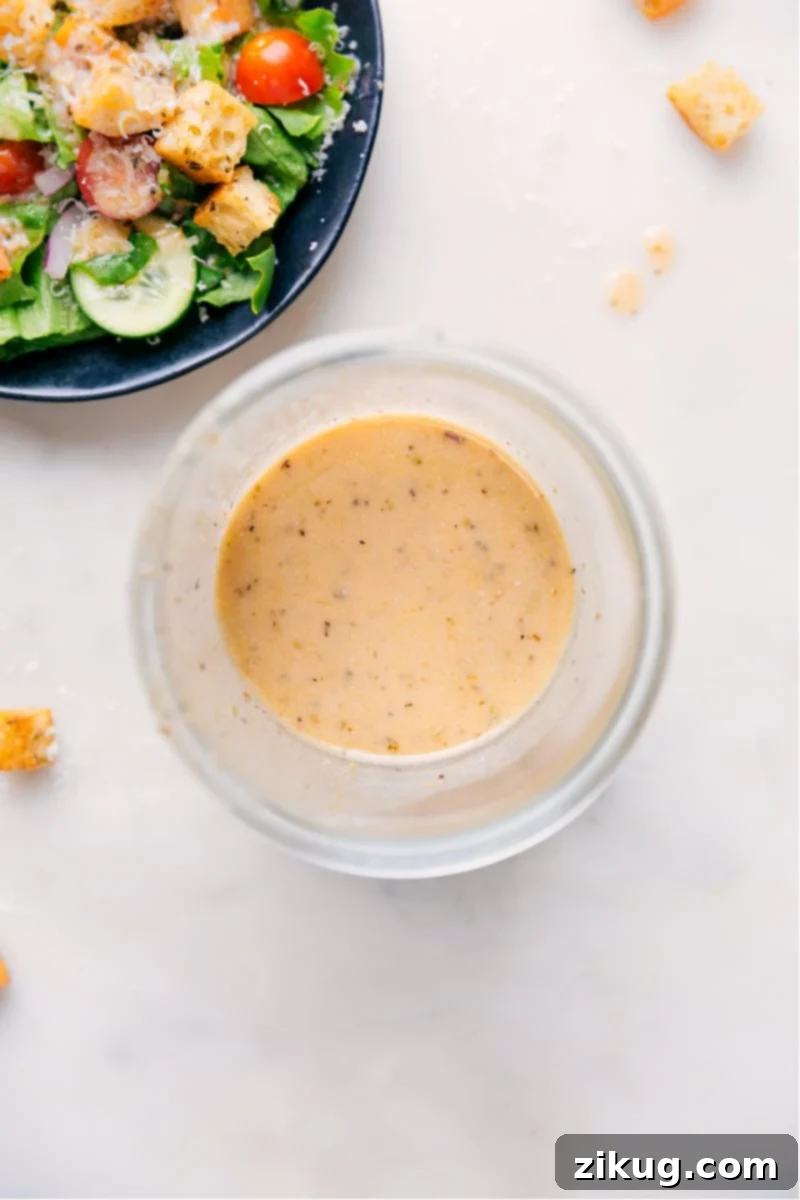
Transform your culinary creations with this exceptional Homemade Italian Dressing Recipe. Say goodbye to store-bought bottles and embrace a world of vibrant, fresh flavors that come together in mere minutes.

Author’s Insight
The Go-To Dressing That’s Always in My Fridge!
Years ago, I embarked on a mission to perfect my own Italian Dressing Recipe. I was constantly disappointed by commercial options—some were overly acidic, others surprisingly sweet, and none ever hit that perfect balance of tang, savory herbs, and rich undertones. I yearned for a dressing that was genuinely balanced, bursting with fresh flavor, and effortless to whip up whenever inspiration struck.
After numerous trials and adjustments, this particular rendition truly stood out and became a staple in my kitchen. The classic combination of robust red wine vinegar, zesty Dijon mustard, and high-quality olive oil forms the vibrant, tangy foundation. However, the true secret ingredient that elevates this recipe from good to absolutely phenomenal is just a hint of mayonnaise. It’s a subtle addition that works wonders: it expertly softens the sharper notes, imparts a delightful touch of creaminess, and, crucially, helps the dressing beautifully cling to your greens and other ingredients, rather than simply sliding off. This means every bite is perfectly coated and flavorful.
Nowadays, I make a fresh batch at the beginning of each week, storing it conveniently in a sealed jar in the refrigerator. This habit has revolutionized my meal prep. Even on evenings when dinner feels hastily assembled, a generous drizzle of this homemade Italian dressing instantly pulls all the elements together, transforming a simple meal into something truly special and satisfying. It’s more than just a dressing; it’s a culinary anchor that brings a touch of gourmet flair to everyday dining.
Why Homemade Italian Dressing is a Must-Try
Ditching the bottle for homemade Italian dressing isn’t just a trend; it’s a revelation. Here’s why this recipe deserves a permanent spot in your culinary repertoire:
- Unmatched Freshness: Store-bought dressings often contain preservatives and artificial flavors. By making it yourself, you control every ingredient, ensuring peak freshness and natural taste.
- Customizable to Perfection: Love more garlic? Prefer it sweeter or tangier? With homemade, you can adjust every element to suit your personal palate. This recipe provides a fantastic base, but the power to tailor it is yours.
- Healthier Choice: You know exactly what goes into your dressing, avoiding unnecessary sugars, unhealthy oils, and additives. Opt for organic ingredients to make it even cleaner.
- Incredibly Easy & Quick: Don’t let the idea of “homemade” intimidate you. This Italian dressing comes together in less than 10 minutes with minimal effort – simply combine and shake!
- Versatile Beyond Salads: While it shines on greens, this dressing is a chameleon in the kitchen, elevating everything from roasted vegetables to grilled meats.
Italian Dressing Recipe Ingredients: A Deep Dive
Each ingredient in this homemade Italian dressing plays a crucial role in creating its balanced and vibrant flavor profile. Understanding their individual contributions and potential substitutions will empower you to craft your perfect dressing every time.
| Ingredient | Tips, Swaps & Why it Works |
|---|---|
| Red Wine Vinegar | This is the backbone of traditional Italian dressing, providing a robust, fruity tang. For a milder flavor profile, you can swap it with white wine vinegar. Apple cider vinegar can also work, lending a slightly different, fruitier acidity. Always use a good quality vinegar for the best results. |
| Dijon Mustard | Don’t skip the Dijon! It’s not just for flavor; it’s a powerful emulsifier that helps bind the oil and vinegar together, preventing separation and creating a smooth, cohesive dressing. Its pungent, slightly spicy notes add depth and complexity. I particularly love and recommend Grey Poupon Dijon for its consistent quality and balanced flavor. Avoid using yellow mustard, as its flavor profile is entirely different. |
| Dried Herbs (Oregano & Italian Seasoning) | Dried herbs are essential here, offering a concentrated, earthy aroma that fresh herbs often can’t replicate in a vinaigrette. Oregano provides classic Mediterranean warmth, while Italian seasoning (a blend typically including basil, thyme, rosemary, marjoram, and sage) adds a complex, aromatic symphony. For an extra aromatic boost, “bloom” the dried herbs by letting them sit in the vinegar for a few minutes before adding oil. You can experiment with other dried herbs like basil, thyme, or marjoram to customize the flavor. |
| Granulated Sugar | Sugar isn’t just about sweetness; it’s about balance. The acidity from the red wine vinegar and the sharpness of Dijon mustard can be quite intense. A touch of sugar mellows these sharp edges, creating a more harmonious and rounded flavor. Adjust the amount to your taste – reduce or omit for a tangier dressing, or add a bit more for a subtly sweeter profile. Honey or maple syrup can also be used as natural sweeteners, which would subtly alter the flavor. |
| Olive Oil | As a primary component, the quality of your olive oil significantly impacts the dressing’s final taste. Always opt for extra-virgin olive oil for the best flavor. Its fruity, sometimes peppery notes are integral to an authentic Italian dressing. A lighter olive oil can be used if you prefer a less intense olive flavor, but extra-virgin truly shines here. |
| Mayonnaise | This is Chelsea’s secret weapon! While not traditional in all Italian vinaigrettes, a small amount of full-fat mayonnaise provides a touch of creamy richness and improves the dressing’s texture, allowing it to cling beautifully to your salad greens. It also helps to mellow out the acidity and contributes to a smoother emulsification. I highly recommend using a good quality, full-fat mayo like Hellmann’s or Best Foods for the best results. If you prefer a lighter dressing, you can reduce or omit it, but you’ll lose some of that desirable creaminess and cling. |
| Salt & Pepper | These foundational seasonings are critical for enhancing all other flavors. Start with a recommended amount and then adjust to taste. Fine sea salt dissolves easily, and freshly ground black pepper adds a superior aroma and subtle heat compared to pre-ground versions. |
| Red Pepper Flakes (Optional) | For those who appreciate a little kick, a pinch of red pepper flakes adds a welcome warmth and subtle heat. Adjust the quantity based on your desired spice level. You can also experiment with a tiny dash of cayenne pepper for a different kind of heat. |
How To Make This Easy Italian Dressing Recipe
Crafting this flavorful Italian dressing is incredibly straightforward. Follow these simple steps for a perfect batch every time:
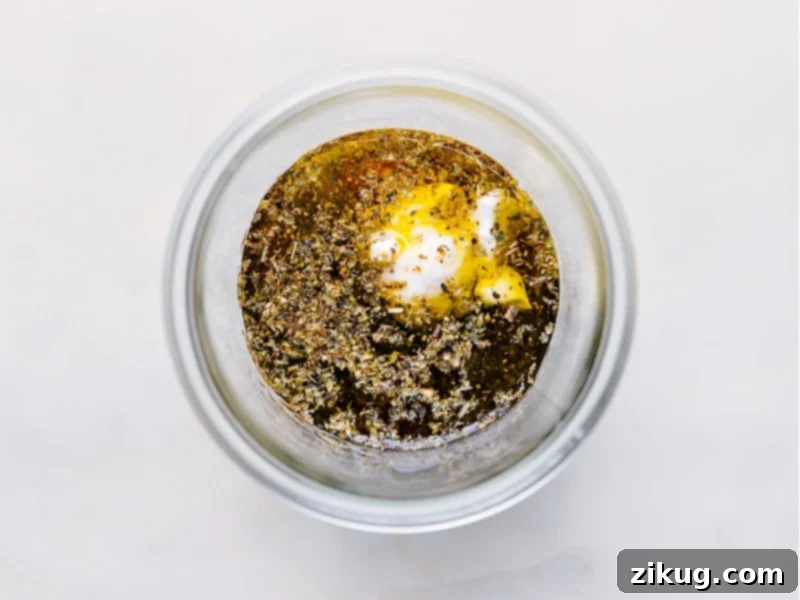
- Combine All Ingredients: In a wide-mouth mason jar (ideal for shaking) or a medium-sized bowl, add the red wine vinegar, Dijon mustard, dried oregano, Italian seasoning, granulated sugar, olive oil, and mayonnaise. Season generously with salt and pepper to taste. A good starting point is about 1/4 to 1/2 teaspoon of fine sea salt and 1/8 teaspoon of freshly ground black pepper, but always adjust to your preference. If you’re adding red pepper flakes for heat, include them now.
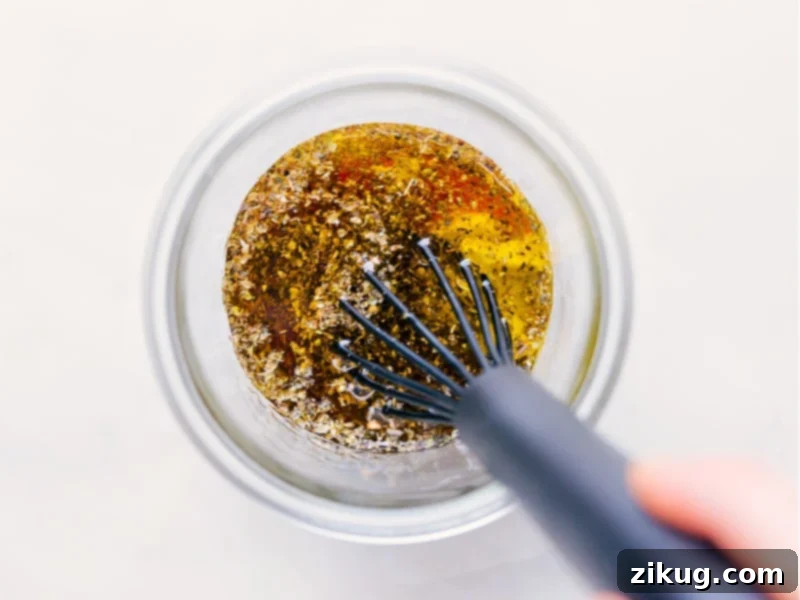
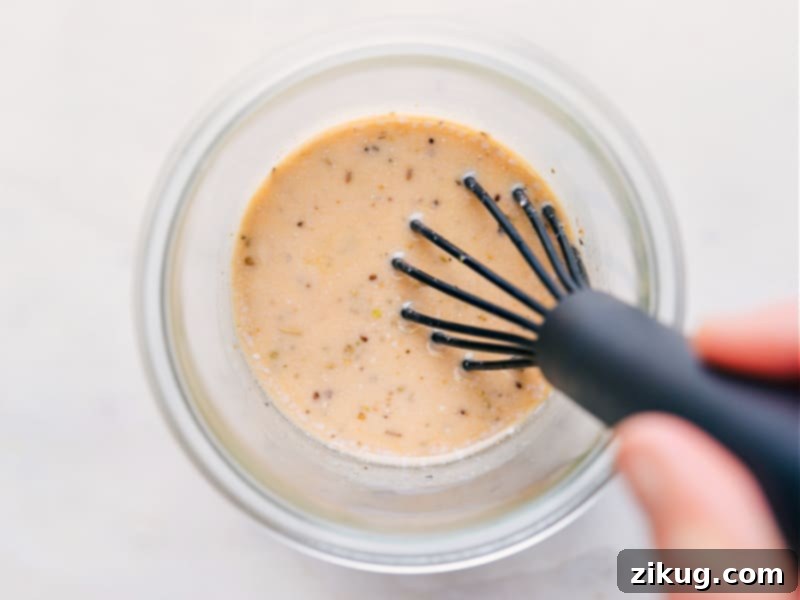
- Emulsify by Shaking or Whisking: If using a jar, secure the lid tightly and shake vigorously for at least 30-60 seconds. The goal is to fully combine all ingredients and emulsify the dressing (meaning the oil and vinegar, which naturally separate, are forced to mix and create a cohesive, slightly thickened mixture). If using a bowl, whisk continuously and energetically until the dressing is smooth and creamy, with no visible separation of ingredients. The mayonnaise will greatly assist in achieving this stable emulsion.
- Taste and Adjust: This is a crucial step! Dip a clean spoon into the dressing and taste. Is it tangy enough? Too tangy? Does it need more sweetness to balance the acidity? Adjust by adding more sugar for balance, more vinegar for tang, more salt for overall flavor enhancement, or more pepper for a gentle kick. Keep tasting and adjusting until it perfectly suits your palate.
- Chill for Enhanced Flavor (Optional, but Recommended): While you can use the dressing immediately, allowing it to sit in the refrigerator for at least 30 minutes, or even a few hours, will significantly deepen and meld the flavors. The herbs will hydrate further, and all the ingredients will harmonize beautifully. This step truly unlocks the dressing’s full potential.
- Shake Again Before Using: Before each use, especially after chilling, give the jar a good shake or the bowl a quick whisk. This ensures any settled ingredients are re-incorporated and the dressing is perfectly emulsified and ready to enjoy.
Quick Tip for Re-Mixing
If your homemade Italian dressing separates or forms small clumps after being refrigerated, there’s no need to worry! This is a natural occurrence, especially with olive oil, which can solidify or become cloudy at colder temperatures. Simply remove the dressing from the fridge about 20-30 minutes before you plan to use it. Allow it to come closer to room temperature, then give it a vigorous shake or a thorough whisk to remix. It will quickly return to its smooth, emulsified state.
Chelsea’s Recipe Tips
How I Use This Versatile Italian Dressing Recipe
The beauty of this homemade Italian dressing lies in its incredible versatility. It’s truly a multi-purpose condiment that can elevate countless dishes. Here are some of my favorite ways to incorporate it into meals:
- Dynamic Grain Bowls: Drizzle generously over hearty quinoa, fluffy farro, light couscous, or wholesome brown rice bowls. It adds a burst of flavor that ties together various proteins, vegetables, and grains.
- Elevated Salads: Beyond simple green salads, this dressing is a dream for tossing with more elaborate creations. Think classic garden salads, vibrant pasta salads (it’s essential for a great Italian pasta salad!), or even a robust chopped salad.
- Fresh Raw Veggies: Transform a platter of crudités. Serve it as a delightful dipping sauce for carrots, crisp broccoli florets, crunchy cauliflower, celery sticks, bell pepper strips, or cucumber slices. It makes healthy snacking much more appealing.
- Flavorful Roasted Vegetables: A simple drizzle before or after roasting can turn humble vegetables into stars. Try it over perfectly roasted broccoli, tender green beans, caramelized Brussels sprouts, sweet carrots, hearty sweet potatoes, or delicate asparagus.
- Savory Sandwiches & Wraps: Use it as a zesty spread to replace mayonnaise or mustard, or toss your sandwich greens with it for an extra layer of flavor before assembling your masterpiece. It adds a gourmet touch to any cold cut or veggie sandwich.
- Marinade Magic: This dressing makes an excellent marinade! Its acidic components help tenderize meats, while the herbs and oil infuse them with incredible Italian flavor. Marinate chicken breasts, pork chops, shrimp, or even firm tofu for at least 30 minutes (or up to a few hours) before grilling, baking, or pan-frying.
- Pasta Sauce Base: Sauté some onions and garlic, then add a splash of this dressing, some canned tomatoes, and a handful of fresh basil for a quick and flavorful pasta sauce.
- Pizza Drizzle: For a fresh, bright finish, drizzle a little over a freshly baked pizza, especially a veggie-heavy or simple Margherita.
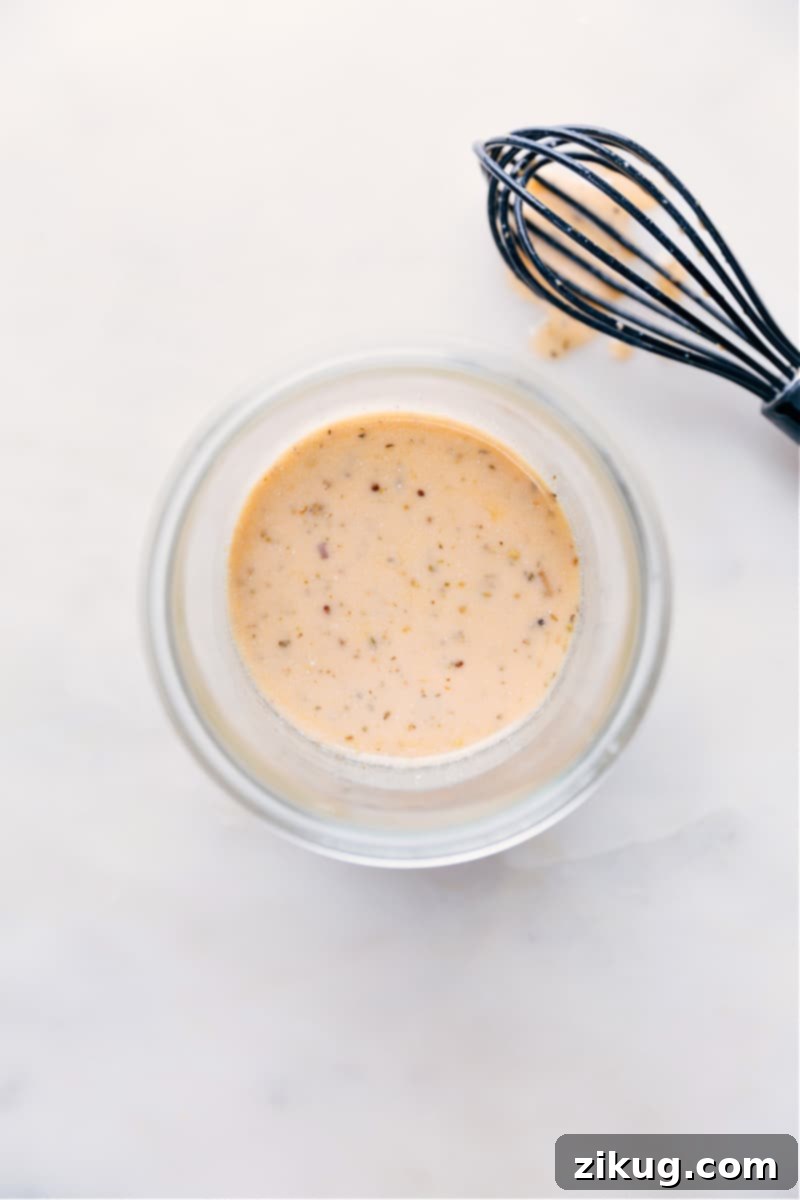
Storage & Make-Ahead Tips
- Store your homemade Italian dressing in an airtight container, preferably a glass jar, in the refrigerator for 5 to 7 days.
- It is completely normal for the dressing to separate or firm up (especially the olive oil) when chilled. Simply allow it to sit at room temperature for 15 to 20 minutes before use, then shake or whisk vigorously until smooth and re-emulsified.
- Making it ahead is highly recommended! The flavors actually deepen and meld beautifully as the dressing chills, resulting in an even more delicious and complex taste. Prepare a batch on Sunday to enjoy throughout the week.
More Delicious Salad Dressings You’ll Love:
Dressings
Cafe Rio Salad Dressing
Dressings
Balsamic Vinaigrette Recipe
Salad Dressings
Greek Salad Dressing Recipe
Salad Dressings
Poppyseed Dressing Recipe

Print Recipe
Classic Italian Dressing
Chelsea Lords
Homemade Italian Dressing is a total game changer—way better than store-bought! With quality olive oil, a thoughtful blend of dried herbs, tangy Dijon, and bright red wine vinegar, it’s a vibrant, perfectly balanced, and crowd-pleasing dressing that comes together in minutes.
10 minutes
10 minutes
1 cup of dressing (approx. 8 servings)
Video Overview
Learn how to make this delightful Italian dressing with our quick video guide:
Equipment Needed
- Wide-mouth Mason Jar (or a mixing bowl with a whisk)
Ingredients
- 1/3 cup red wine vinegar
- 1-1/2 teaspoons Dijon-style mustard (see note 1 below)
- 1/2 teaspoon dried oregano
- 1/2 teaspoon Italian seasoning
- 1 teaspoon granulated sugar (adjust to taste, see note 2 below)
- 1/2 cup olive oil (extra-virgin recommended, see note 3 below)
- 2 tablespoons mayo (full-fat, Hellmann’s/Best Foods recommended, see note 4 below)
- Salt and pepper (to taste)
- 1/8 teaspoon red pepper flakes (optional, for a touch of heat)
Instructions
-
In a wide-mouth jar, or a mixing bowl, combine all the dressing ingredients: red wine vinegar, Dijon mustard, dried oregano, Italian seasoning, granulated sugar, olive oil, and mayonnaise. Season generously with salt and pepper to taste; I typically add about 1/4 to 1/2 teaspoon of fine sea salt and 1/8 teaspoon of freshly ground black pepper, but feel free to adjust to your preference. If desired, add red pepper flakes for a subtle heat.
-
Secure the lid on the jar and shake briskly to combine and emulsify the dressing. If using a bowl, whisk vigorously until the dressing is fully integrated and smooth. It might take a minute of continuous shaking or whisking, but ensure the mayonnaise is completely incorporated and the dressing has a consistent, creamy texture.
-
Taste the dressing and adjust the flavors as needed. If you desire a sweeter profile to balance the tang, add a bit more sugar. For extra zing, a splash more red wine vinegar can be added. Continue to season with salt and pepper until it reaches your ideal taste.
-
For the best flavor, allow the dressing to chill in the refrigerator for at least 30 minutes, or ideally a few hours. This resting period helps the flavors to deepen and meld beautifully. Remember to shake or whisk the dressing again right before serving to re-emulsify it.
Final Step! Please let us know how it was by leaving a review.
Recipe Notes
Note 1: Dijon Mustard
I find Grey Poupon® Dijon mustard offers the best balance of tang and spice for this recipe. It’s crucial to use Dijon-style mustard, not yellow mustard, as Dijon contributes significantly to both the flavor profile and the emulsification of the dressing.
Note 2: Granulated Sugar
The sugar is added to balance the inherent tanginess of the red wine vinegar and Dijon. If you prefer a sharper, more piquant dressing, you can reduce or entirely omit the sugar. For a slightly sweeter, less acidic dressing, incrementally add a bit more sugar, tasting after each addition until you reach your desired sweetness.
Note 3: Olive Oil Quality
The quality of your olive oil directly impacts the richness and flavor of the final dressing. I highly recommend using a high-quality extra-virgin olive oil for its robust, fruity notes. A good olive oil will elevate the entire dressing experience.
Note 4: The Magic of Mayonnaise
My secret to a perfectly creamy and clingy Italian dressing is full-fat mayonnaise. Brands like Hellmann’s or Best Foods® work wonderfully, providing a rich, savory depth without being overly sweet. The mayo not only adds a subtle creaminess but also acts as an emulsifier, ensuring the dressing coats your lettuce and vegetables beautifully, preventing it from just sliding off.
Nutrition Note:
The provided nutrition information is an approximation for one serving (2 tablespoons) of the dressing, assuming 8 servings per recipe. Please note that nutritional values can vary based on specific brands and ingredient choices. For precise dietary information, consider using a detailed nutrition calculator with your exact ingredients.
Storage:
Store your homemade Italian dressing in an airtight container in the refrigerator for 5–7 days. It’s common for olive oil to solidify or for the dressing to separate when cold. To restore its perfect consistency, simply let it sit at room temperature for 15–20 minutes, then shake vigorously until well combined and smooth again. Enjoying it slightly chilled or at room temperature can also highlight different aspects of its flavor.
Nutrition Information (Approximate per serving)
Serving Size: 2 tbsp (approx. 1/8 of recipe)
- Calories: 159 kcal
- Carbohydrates: 0.75 g
- Protein: 0.1 g
- Fat: 17 g
- Saturated Fat: 2.5 g
- Polyunsaturated Fat: 3.1 g
- Monounsaturated Fat: 11.4 g
- Trans Fat: 0.1 g
- Cholesterol: 1.5 mg
- Sodium: 27 mg
- Potassium: 8 mg
- Fiber: 0.1 g
- Sugar: 0.6 g
- Vitamin A: 7 IU
- Vitamin C: 0.1 mg
- Calcium: 5 mg
- Iron: 0.25 mg
Nutrition information is automatically calculated and should only be used as an approximation. Values may vary based on specific ingredients and preparation methods.
Like this recipe? We’d love to hear from you! Leave a comment below!