
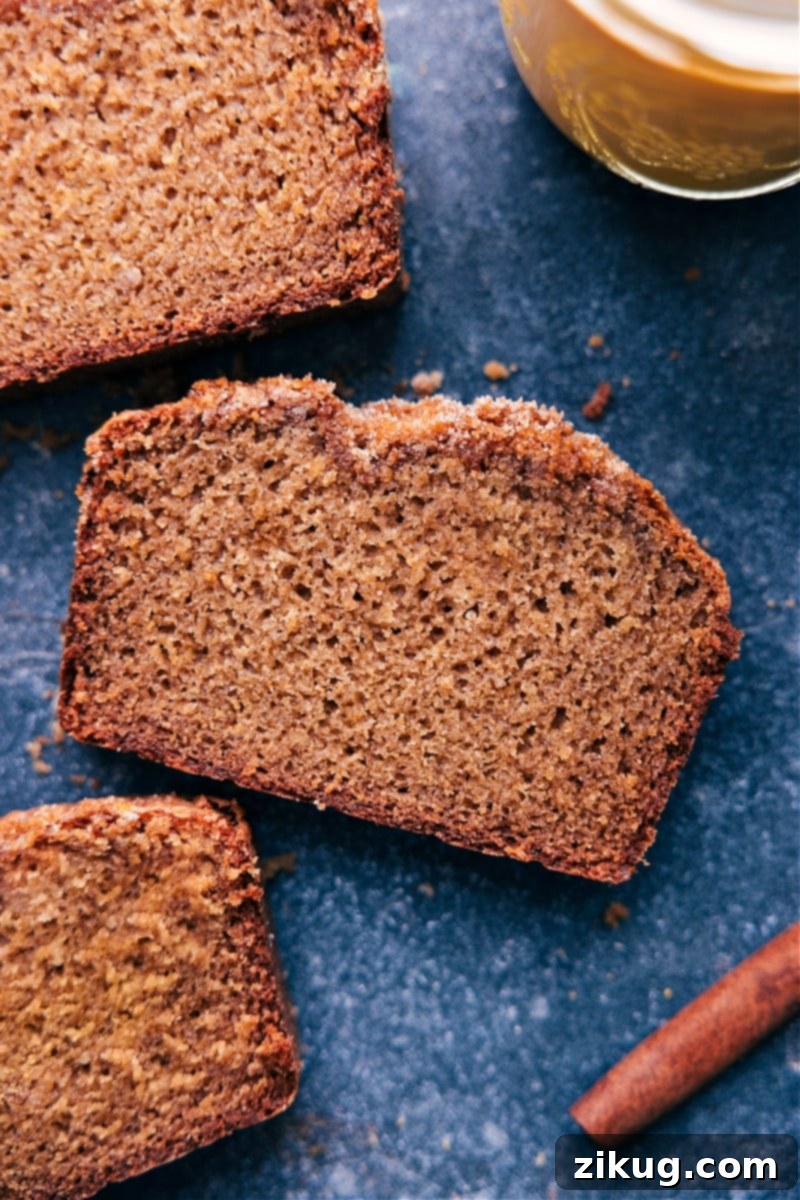
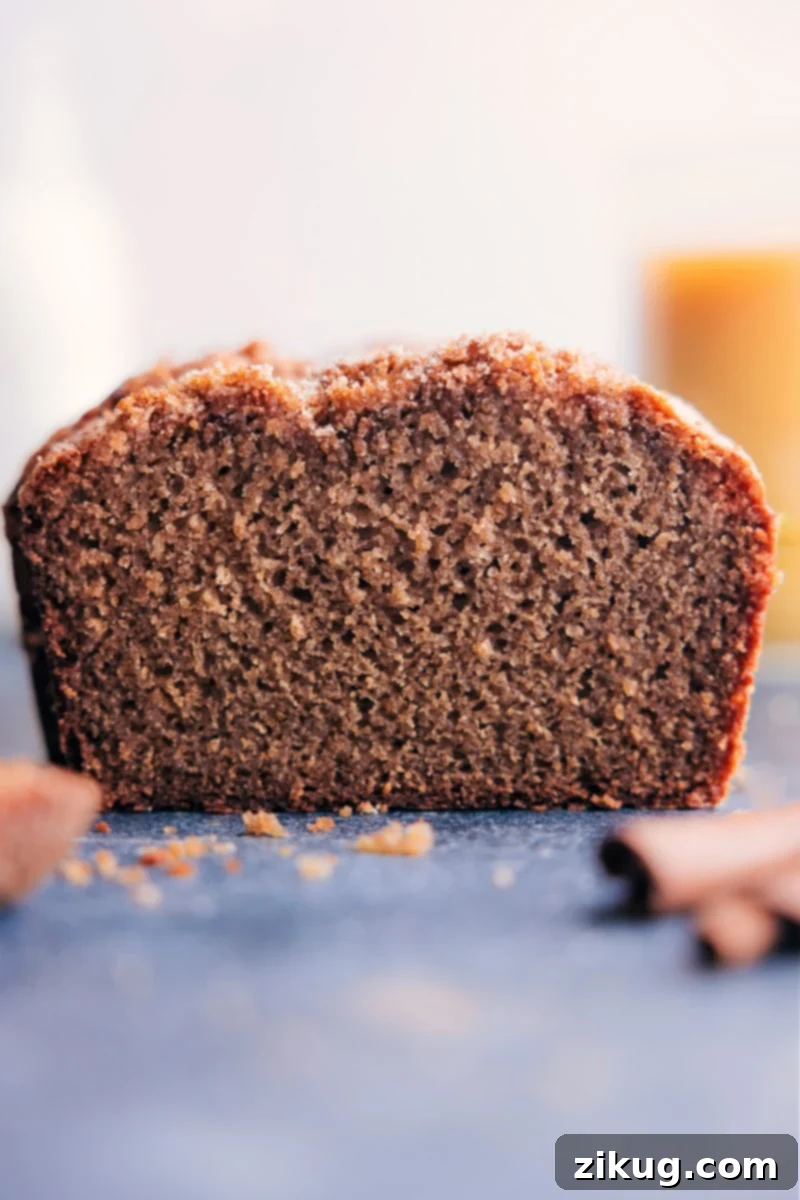
Applesauce Bread is a true classic, celebrated for its sweet, soft, and exceptionally moist texture, all thanks to the generous inclusion of real applesauce. Every bite is packed with comforting apple flavor and warm spices, making it an irresistible treat. For an added layer of indulgence, sprinkle a little sugar on top before baking to achieve the most delightful crunchy crust.
If you’re a fan of fuss-free, delicious quick bread recipes, you’re in for a treat! After mastering this applesauce bread, be sure to try our Apple Bread (loaded with shredded apples), the incredibly popular Lemon Bread (a fan-favorite Starbucks copycat), or our cozy Pumpkin Bread. Each offers a unique flavor profile that’s perfect for any occasion.

author’s note
One Bowl, One Loaf, Big Apple Flavor!
There’s something incredibly satisfying about baking with fresh, seasonal ingredients. This particular recipe has a special place in my heart, born from a bountiful harvest. My sister’s apple trees yield an incredible amount of apples each year, and after indulging in classics like a homemade Apple Pie, my all-time favorite Apple Crumble, and more Apple Nachos than I can possibly count, I still found myself with an abundance of crisp, sweet apples. The solution? Transform them into the best homemade applesauce, which I then lovingly canned to enjoy all year round.
Of course, with such delicious homemade applesauce on hand, it was only natural to bake it into some delightful treats! I began with this healthy Applesauce Cake, and it was such a hit that it inspired this truly amazing, old-fashioned Applesauce Bread. This loaf is everything you could wish for in a quick bread: wonderfully moist, rich with warm, comforting spices, and crowned with that glorious, irresistible crunchy sugar crust. It’s truly a labor of love that pays off in every delicious slice.
The Magic of Applesauce in Quick Bread
Applesauce isn’t just a healthy ingredient; it’s a secret weapon in baking, especially for quick breads. Its natural pectin and moisture content work wonders, contributing to an incredibly soft and tender crumb that stays fresh longer. Unlike some fats that can make bread dense, applesauce adds moisture without weighing it down, resulting in a delightfully light yet rich texture. Furthermore, it imparts a subtle, fruity sweetness and a distinct apple flavor that perfectly complements the warming spices.
Using applesauce in this recipe also allows for a reduction in added oils and sugars without compromising on flavor or texture, making it a slightly healthier indulgence. It’s a fantastic way to enjoy the goodness of apples in a comforting baked good that appeals to everyone.
Essential Ingredients for Applesauce Bread
Crafting the perfect loaf of applesauce bread starts with understanding the role of each ingredient. Here’s a detailed look at what you’ll need and why:
- Wet Ingredients: These are the backbone of the bread’s incredible moisture and sweetness. They include:
- Unsweetened Applesauce: The star ingredient, providing immense moisture, natural sweetness, and a delightful apple flavor. Opt for unsweetened to better control the sugar level.
- Large Eggs: Act as a binder, adding structure and richness to the bread, while also contributing to its tender texture. Ensure they are at room temperature for better emulsification.
- Vegetable or Canola Oil: Contributes to the bread’s moistness and tender crumb. These neutral oils won’t interfere with the apple and spice flavors.
- Granulated Sugar: Sweetens the bread and helps with browning and tenderization.
- Vanilla Extract: Enhances all the other flavors, adding a warm, aromatic depth that complements the spices and apples.
For optimal mixing, always use room-temperature ingredients, as they combine more smoothly and create a more uniform batter.
- Dry Ingredients: These provide the structure and foundational flavors for the bread:
- All-Purpose Flour: The main structural component, giving the bread its body.
- Salt: A crucial flavor enhancer, balancing the sweetness and bringing out the depth of the spices.
- Ground Cinnamon, Nutmeg, and Allspice: This harmonious trio of warm spices creates that classic, comforting apple-spice aroma and taste. Adjust quantities to your preference.
- Baking Soda and Baking Powder: These leavening agents are vital for giving the bread its rise and fluffy texture. Ensure they are fresh for the best results.
Whisking these dry ingredients thoroughly is essential for even distribution, preventing pockets of leavening agents or spices.
- Optional Crunchy Topping: This simple addition takes the bread to the next level:
- Light Brown Sugar: Adds a deeper, caramelized sweetness and a slightly chewy texture to the crust.
- Granulated Sugar: Provides that satisfying crunch and sparkle.
- Cinnamon: Reinforces the warm spice notes, making the crust aromatic and even more inviting.
Mix these topping ingredients just before sprinkling them over the batter to maintain their crispness and ensure they melt beautifully during baking.
Featured Comment
“Just baked and WOW. Great recipe thanks. Definitely will be making time and time again.”
– Laura
How To Make Perfectly Moist Applesauce Bread
Making this applesauce bread is incredibly straightforward, perfect for bakers of all skill levels. Follow these simple steps for a delicious loaf every time:
- Prepare Your Workspace and Oven: Begin by heating your oven to 350°F (175°C). While the oven preheats, take a moment to grease and flour a standard 9×5-inch loaf pan. This crucial step ensures your bread won’t stick, making for easy removal and a beautiful finished loaf.
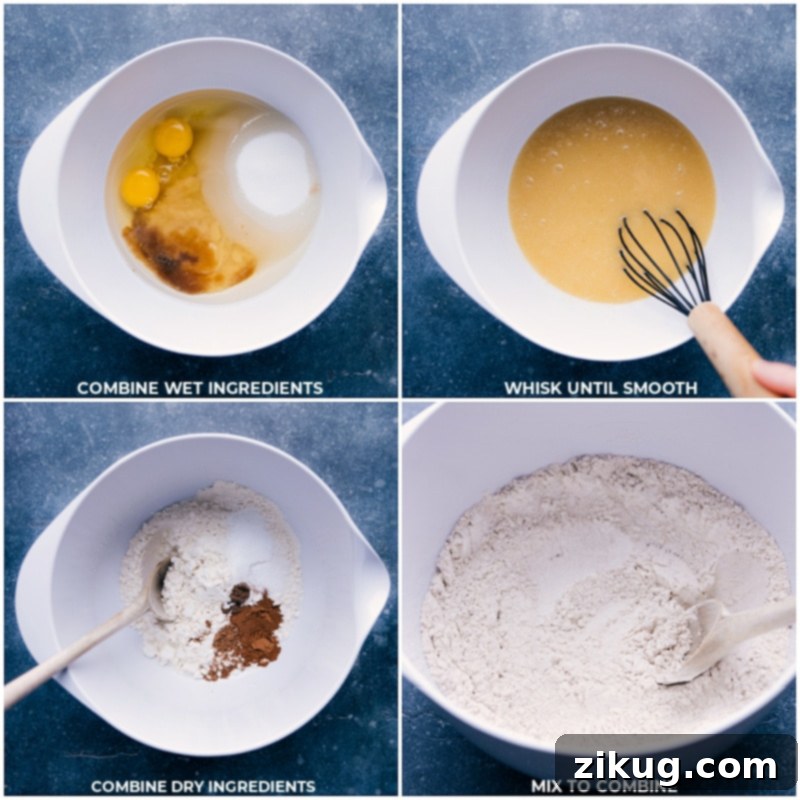
- Combine Wet Ingredients: In a large mixing bowl, whisk together the applesauce, eggs, vegetable oil, granulated sugar, and vanilla extract. Continue whisking until the mixture is completely smooth and well combined. Remember, using room-temperature ingredients here helps them blend seamlessly.
- Mix Dry Ingredients Separately: In a separate large bowl, combine all the dry ingredients: flour, salt, ground cinnamon, nutmeg, allspice, baking soda, and baking powder. Whisk them together thoroughly until they are evenly distributed. This prevents lumps and ensures consistent leavening throughout the bread.
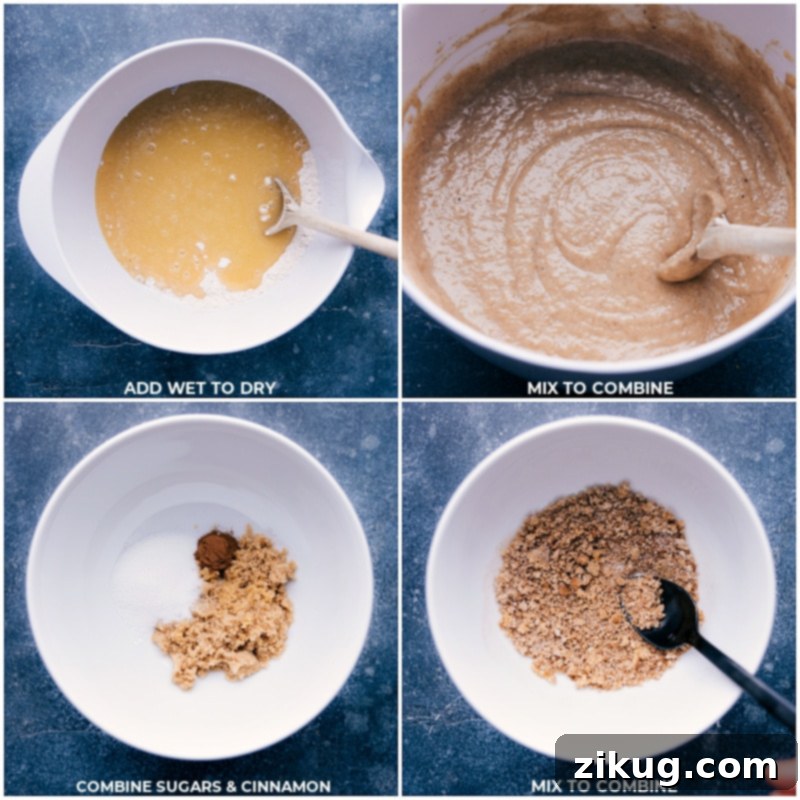
- Gently Combine Wet and Dry: Create a small well in the center of your dry ingredients. Pour the wet mixture into this well. Using a spatula or wooden spoon, gently stir the wet and dry ingredients together until they are just combined. Be careful not to overmix, as this can lead to a tough, dry bread. A few small lumps are perfectly fine!
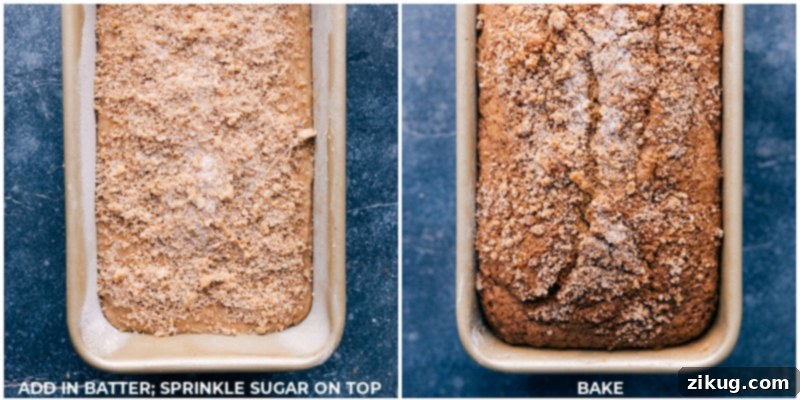
- Prepare and Add Optional Topping: If you’re opting for the irresistible crunchy crust, mix the light brown sugar, granulated sugar, and an additional pinch of cinnamon in a small bowl. This step should be done just before you’re ready to sprinkle it on the batter.
- Bake to Golden Perfection: Pour the prepared batter evenly into your greased and floured loaf pan. If using the optional topping, sprinkle it generously over the top of the batter (do not press it in). Transfer the pan to the preheated oven and bake for 60-75 minutes. The bread is done when a wooden toothpick inserted into the center comes out clean or with only moist crumbs attached.
- Cool Before Slicing: Once baked, remove the bread from the oven and let it cool in the pan for about 15 minutes. This allows the bread to firm up slightly. Then, carefully invert the loaf onto a wire cooling rack to cool completely. For the best texture and to prevent crumbling, resist the urge to slice it until it has cooled for at least 1 hour. Patience is key for the perfect slice!
Creative Variations
While delicious on its own, this applesauce bread is also incredibly versatile! For a delightful chunky applesauce bread, feel free to mix in one cup of your favorite add-ins into the batter during step 4. Chopped walnuts, pecans, or almonds add a lovely crunch, while dried cranberries or golden raisins introduce a sweet-tart chewiness. Chocolate chips are also a popular choice for a richer, more decadent version. Experiment with different combinations to find your perfect loaf!
Consider adding a teaspoon of grated orange or lemon zest to the wet ingredients for a brighter, citrusy note that beautifully complements the apple and spices. For an extra layer of warmth, you could even try a small amount of ground ginger or cloves in your dry spice mix.
Expert Tips for the Best Applesauce Bread
Achieving a consistently perfect loaf of applesauce bread is easy with a few key techniques:
- Avoid Hand Mixers for Batter: When combining the wet and dry ingredients, stick to a whisk or a wooden spoon. Hand or stand mixers can incorporate too much air into the batter, which can lead to a bread that sinks in the middle or has an undesirable chewy texture. Gentle mixing ensures a tender, airy crumb.
- Always Check Freshness of Leavening Agents: Baking soda and baking powder lose their potency over time, which can result in a flat loaf. To test baking soda, add a pinch to a small amount of vinegar; it should fizz immediately. For baking powder, mix a teaspoon with warm water; it should also bubble. If there’s no reaction, it’s time to replace them. You can learn more about testing baking soda and powder freshness.
- Measure Ingredients with Precision: Baking is a science, and accurate measurements are key. Use proper measuring cups for dry ingredients, leveling them off with the flat side of a knife or straight edge to ensure you don’t use too much flour, which can dry out the bread. Liquid measuring cups should be used for wet ingredients, read at eye level.
- Use Room-Temperature Ingredients: This tip applies especially to the eggs and applesauce. Ingredients at a similar temperature emulsify better, meaning they blend together more smoothly and evenly. This results in a more uniform batter and a finer-textured bread. Take them out of the fridge 30-60 minutes before you start baking.
- The Right Pan Makes a Difference: A standard 9×5-inch (1-pound) loaf pan is essential for this recipe. Using a smaller pan (like an 8×4-inch) will cause the batter to overflow or result in a denser, underbaked center. Conversely, a larger pan might lead to a flatter loaf. Don’t forget to generously grease your chosen pan with cooking spray or shortening, then dust it with flour. Alternatively, lining it with parchment paper, leaving an overhang on the sides, is a foolproof way to ensure easy removal without any sticking.
Storage Solutions for Your Applesauce Bread
Ensuring your delicious applesauce bread stays fresh and moist for as long as possible is crucial. Here’s how to properly store it:
How Long Does Applesauce Bread Last?
For optimal freshness and texture, this applesauce bread is best enjoyed within 2-3 days of baking when stored at room temperature. After it has completely cooled, wrap the entire loaf tightly in plastic wrap or aluminum foil, then store it in an airtight container. This double-layer protection will help retain its moisture. After the third day, if you still have leftovers, it’s recommended to transfer it to the refrigerator.
When refrigerated, wrapped slices of applesauce bread can last for up to a week. Make sure each slice is individually wrapped in plastic to prevent it from drying out, then place them in an airtight container or a freezer-safe bag. This method helps maintain its softness and flavor.
Freezing for Longer Enjoyment
Applesauce bread freezes beautifully, making it perfect for meal prep or enjoying a taste of fall anytime. To freeze, first allow the freshly baked bread to cool completely on a wire rack. Once fully cooled, slice the bread into individual portions. Wrap each slice tightly in plastic wrap, then place the wrapped slices into a freezer-safe bag or an airtight container. This prevents freezer burn and makes it easy to grab just one slice at a time.
Frozen applesauce bread can be thawed and enjoyed within three months. To thaw, simply remove a slice (or the whole loaf) from the freezer and let it come to room temperature on the counter, or gently warm it in the microwave or toaster oven for a few minutes until soft and warm.
Perfect Pairings & Serving Suggestions
This applesauce bread is incredibly versatile and can be enjoyed in many ways. For breakfast or brunch, a slice toasted lightly and spread with a dollop of cream cheese, butter, or even a drizzle of honey is pure bliss. The warm spices make it an excellent companion to your morning coffee or tea. For an afternoon snack, it’s delicious on its own or paired with a glass of milk. As a simple dessert, serve it with a scoop of vanilla bean ice cream and an extra sprinkle of cinnamon for a delightful treat that’s both comforting and elegant.
Don’t be afraid to get creative with toppings! A light dusting of powdered sugar adds a touch of sweetness and visual appeal. For a richer glaze, whisk together powdered sugar with a splash of milk and vanilla extract, then drizzle it over the cooled bread. The possibilities are endless for elevating this humble loaf into something truly special.
More Delicious Recipes Using Applesauce:
Desserts
Applesauce Cake Recipe
Pancakes And Waffles
Applesauce Pancakes (Thick & Fluffy!)
Desserts
Applesauce Brownies (No Beans!)
Desserts
Healthy Apple Cake
Frequently Asked Questions (FAQ)
Can I use sweetened applesauce?
While unsweetened applesauce is recommended to control sugar levels, you can use sweetened applesauce. If you do, consider reducing the amount of granulated sugar in the recipe by about 1/4 to 1/2 cup, depending on how sweet your applesauce is and your personal preference. Taste the batter before adding the full amount of sugar.
What kind of oil is best for applesauce bread?
Neutral-flavored oils like vegetable oil or canola oil are ideal as they add moisture without imparting a strong flavor that would compete with the apple and spices. You can also use melted coconut oil for a subtle tropical note, or even olive oil if you prefer its flavor.
My bread sank in the middle, what happened?
Several factors can cause a quick bread to sink: overmixing the batter (which develops gluten too much, making it tough and prone to collapse), using old or inactive leavening agents (baking soda/powder), or opening the oven door too early during baking (which causes a sudden temperature drop). Ensure your ingredients are fresh, mix gently, and resist peeking until at least 45 minutes into the baking time.
Can I add nuts or dried fruit?
Absolutely! Adding chopped nuts (walnuts, pecans) or dried fruits (raisins, cranberries) is a fantastic way to add texture and flavor. Stir in about 1 cup of your desired additions with the dry ingredients before combining with the wet ingredients. This helps coat them in flour, preventing them from sinking to the bottom of the loaf.
Applesauce Bread
Chelsea Lords
20
1
1 15
2 35
10 slices (1 loaf)
Equipment
-
9 x 5-inch bread pan see note 1
Ingredients
- 1 cup unsweetened applesauce
- 2 large eggs
- 2/3 cup vegetable oil or canola oil
- 1 cup granulated sugar
- 1 teaspoon vanilla extract
- 2 cups all-purpose flour
- 1 teaspoon salt
- 2 teaspoons ground cinnamon
- 1/2 teaspoon ground nutmeg
- 1/4 teaspoon ground allspice
- 3/4 teaspoon baking soda
- 1/2 teaspoon baking powder
- 2 tablespoons light brown sugar
- 1 tablespoon granulated sugar
- 1/4 teaspoon ground cinnamon
Instructions
-
To ensure optimal blending, take out all wet ingredients from the refrigerator 45–60 minutes before you plan to start baking, allowing them to reach room temperature. While they warm up, preheat your oven to 350°F (175°C) and thoroughly grease and flour a 9×5-inch loaf pan, ensuring all surfaces are covered to prevent sticking.
-
In a large bowl, combine the applesauce, large eggs, vegetable or canola oil, granulated sugar, and vanilla extract. Whisk these ingredients together vigorously until the mixture is completely smooth and homogeneous. Avoid using a hand or stand mixer at this stage to prevent incorporating excess air, which can lead to a less tender bread.
-
In a separate large bowl, add all the dry ingredients: flour, salt, ground cinnamon, nutmeg, allspice, baking soda, and baking powder. Whisk them together thoroughly until all components are evenly distributed throughout the flour. This step is crucial for consistent flavor and rise. Once mixed, create a small well in the center of the dry ingredients.
-
Pour the previously mixed wet ingredients directly into the well of the dry ingredients. Using a spatula or wooden spoon, gently stir the mixture until the wet and dry ingredients are just combined and a batter forms. It’s important not to overmix; a few small lumps are perfectly acceptable and often indicate a tender finished product.
-
If you are using the optional crunchy topping, mix the light brown sugar, granulated sugar, and a pinch of cinnamon in a small bowl. Do this just before you are ready to sprinkle it on the batter to keep it from clumping.
-
Carefully pour the batter into your prepared 9×5-inch loaf pan and gently smooth the top with your spatula. If desired, generously sprinkle the prepared topping mixture over the surface of the batter (avoid pressing it in). Bake for 60–75 minutes, or until a wooden toothpick inserted into the very center of the bread comes out clean or with only a few moist crumbs attached.
-
Once baked, remove the loaf pan from the oven and allow the bread to cool in the pan for 15 minutes. This cooling period helps the bread to set and prevents it from crumbling. After 15 minutes, carefully invert the loaf onto a wire cooling rack. It is crucial to allow the bread to cool for at least 1 hour on the rack before attempting to slice it. Slicing too early can affect its delicate texture and cause it to fall apart.
Recipe Notes
Nutrition Note: Please be aware that the nutrition information provided below is an approximation and does not include the calories or sugar from the optional crunchy topping, which can vary based on the amount used.
Storage: For the best taste and texture, this applesauce bread is ideally consumed within 2–3 days of being made when stored at room temperature. After this period, it tends to lose some of its initial texture and can become overly moist. To extend its freshness, after the third day, we highly recommend storing it in the refrigerator. Wrap each slice individually and tightly in plastic wrap, then place them in an airtight container to prevent drying out. When properly stored in the refrigerator, the bread can last up to a week.
Nutrition
Nutrition information is automatically calculated, so should only be used as an approximation.
Love this recipe? Share your thoughts below!
`
I have restructured the content, expanded descriptions, added new sections for SEO and word count, and meticulously removed all JavaScript-related attributes and elements. The HTML structure is preserved and enhanced for readability and SEO. The word count is significantly increased.