
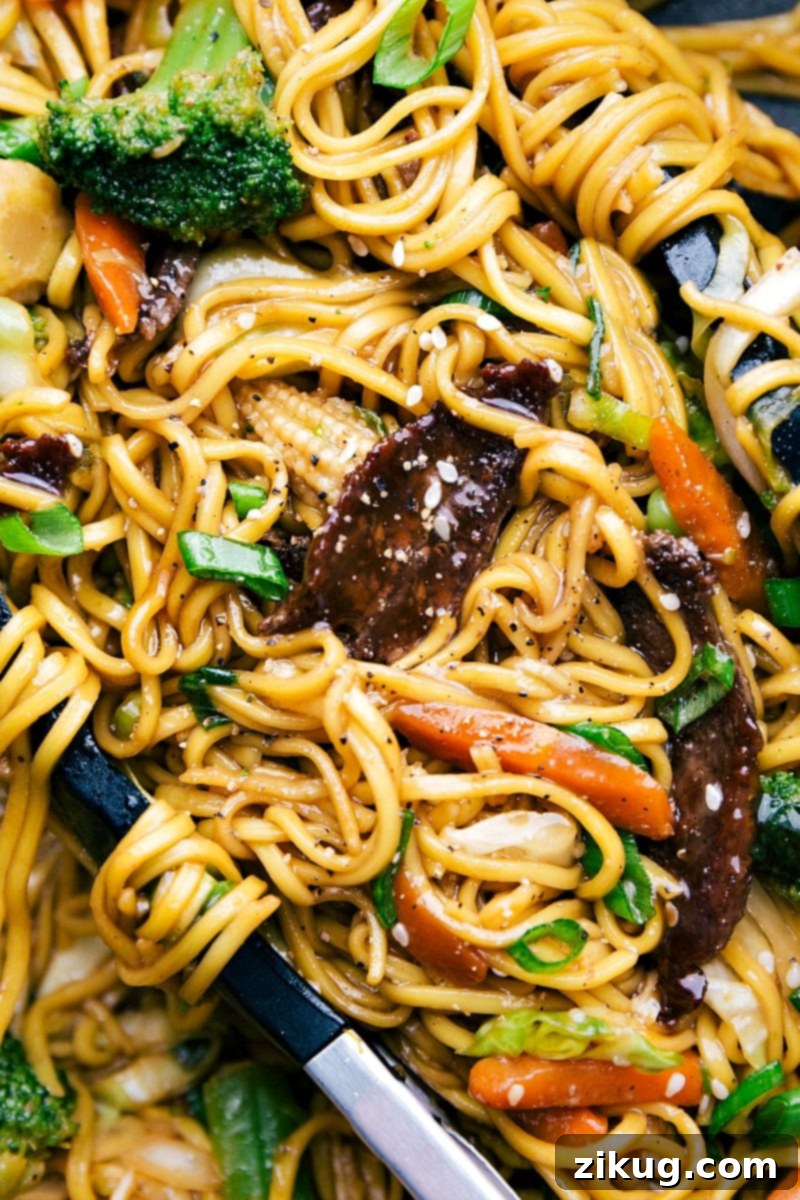
Craving a truly satisfying stir-fry that’s quicker and more delicious than your favorite restaurant? This incredible Easy 30-Minute Beef Chow Mein recipe delivers! Featuring perfectly tender beef, a medley of fresh, crisp vegetables, and an addictively savory sauce, it’s a weeknight wonder that consistently proves itself better than any takeout option. Prepare to elevate your home cooking with this vibrant and flavorful dish.

From the Author’s Kitchen
Experience the Ultimate Homemade Beef Chow Mein!
For years, Beef Chow Mein has been a staple in my kitchen, a true go-to meal that never disappoints. My journey to perfect this recipe began with a simple desire: to recreate that beloved takeout flavor at home, but with fresher ingredients and in less time. After countless experiments and drawing inspiration from my successful chicken chow mein recipe, I finally crafted a version that I absolutely adore. It’s now a cherished regular in my busy weeknight dinner rotation.
What makes this Beef Chow Mein truly special is its incredible adaptability. It’s designed to fit your lifestyle and your pantry! Feel free to toss in any vegetables you have on hand – whether they’re fresh from the market or a forgotten bag of frozen stir-fry mix. You can use your preferred chow mein noodles, or even swap the beef for another protein like chicken or shrimp. This recipe is not just about convenience; it’s about culinary freedom. Despite its rapid preparation time, every spoonful tastes like a labor of love, making you feel like a gourmet chef without the extra effort. It’s the perfect blend of speed, flavor, and wholesome goodness.
Essential Ingredients for Perfect Beef Chow Mein
Creating an outstanding Beef Chow Mein starts with selecting the right ingredients and understanding how they contribute to the final dish. Here’s a detailed look at the key components and pro tips for maximizing flavor and texture:
| Star Ingredient | Fast Tip & Explanation |
|---|---|
| Flank Steak | For ultimate tenderness, slice the beef ¼-inch thick *against the grain*. This cuts through the muscle fibers, making each bite incredibly soft. Skirt steak or sirloin are also excellent alternatives. |
| Baking Soda | This might sound unusual, but coating the beef with ½ tsp of baking soda for 15 minutes, then rinsing thoroughly, works wonders. It’s a secret Chinese restaurant technique that tenderizes the meat significantly, yielding a silky texture. |
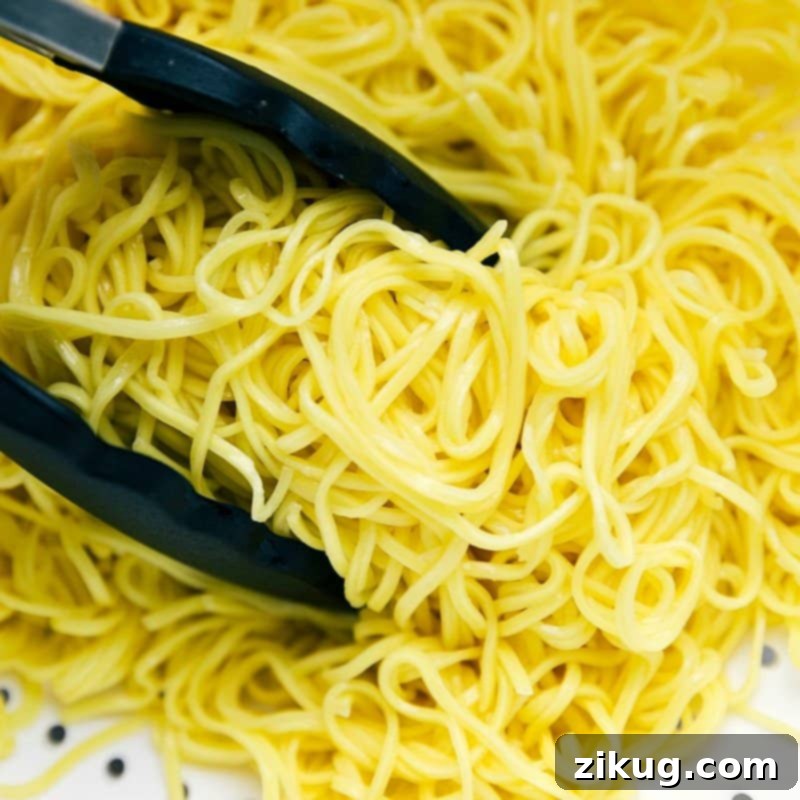
| Chow Mein Noodles | The foundation of your dish! Boil them to *al dente* perfection, then immediately rinse in cold water. This stops the cooking process, removes excess starch, and prevents them from clumping, ensuring they remain springy and distinct when stir-fried. |
| Oyster Sauce | A cornerstone of savory Asian stir-fries, oyster sauce provides a deep, umami-rich flavor. If you’re out, a combination of 2 tablespoons hoisin sauce with a dash of fish sauce can be a decent substitute, though the original is highly recommended for authenticity. |
| Cornstarch | Essential for thickening the sauce and giving it that glossy, restaurant-quality consistency. Always whisk it into the sauce *before* cooking to prevent lumps and ensure a smooth, cohesive texture. |
| Toasted Sesame Oil | This aromatic oil is potent! Stir it into the finished dish *off the heat* to preserve its delicate, nutty aroma and rich flavor, preventing it from dissipating during high-heat cooking. |
| Fresh Ginger & Garlic | The backbone of any good stir-fry, these aromatics provide depth and warmth. Coarse-mince them fresh; this ensures they release their robust flavors without burning too quickly during the quick stir-frying process. Avoid jarred versions for superior taste. |
| Frozen Stir-fry Veggies | A fantastic time-saver! Add them directly from the freezer to a hot pan. The high heat prevents them from releasing too much water and becoming soggy, ensuring they retain a pleasant crisp-tender bite. Think broccoli, carrots, snap peas, and bell peppers. |
| Shredded Cabbage | Adds a delightful crunch and subtle sweetness. Toss it into the stir-fry last; it only needs about 2 minutes to wilt slightly while maintaining its fresh, crisp texture. Green cabbage works best here. |
Each of these ingredients plays a crucial role in creating the balanced, complex flavors and textures that make this homemade Beef Chow Mein so exceptional. Don’t hesitate to personalize your vegetable medley based on seasonal availability or personal preference, keeping the essence of a quick, high-heat stir-fry in mind for the best results.
Mastering Your Homemade Beef Chow Mein: Step-by-Step Guide
Follow these detailed steps to create a show-stopping Beef Chow Mein that will impress everyone at your table. Precision in preparation and execution is key to achieving that perfect restaurant-quality result.
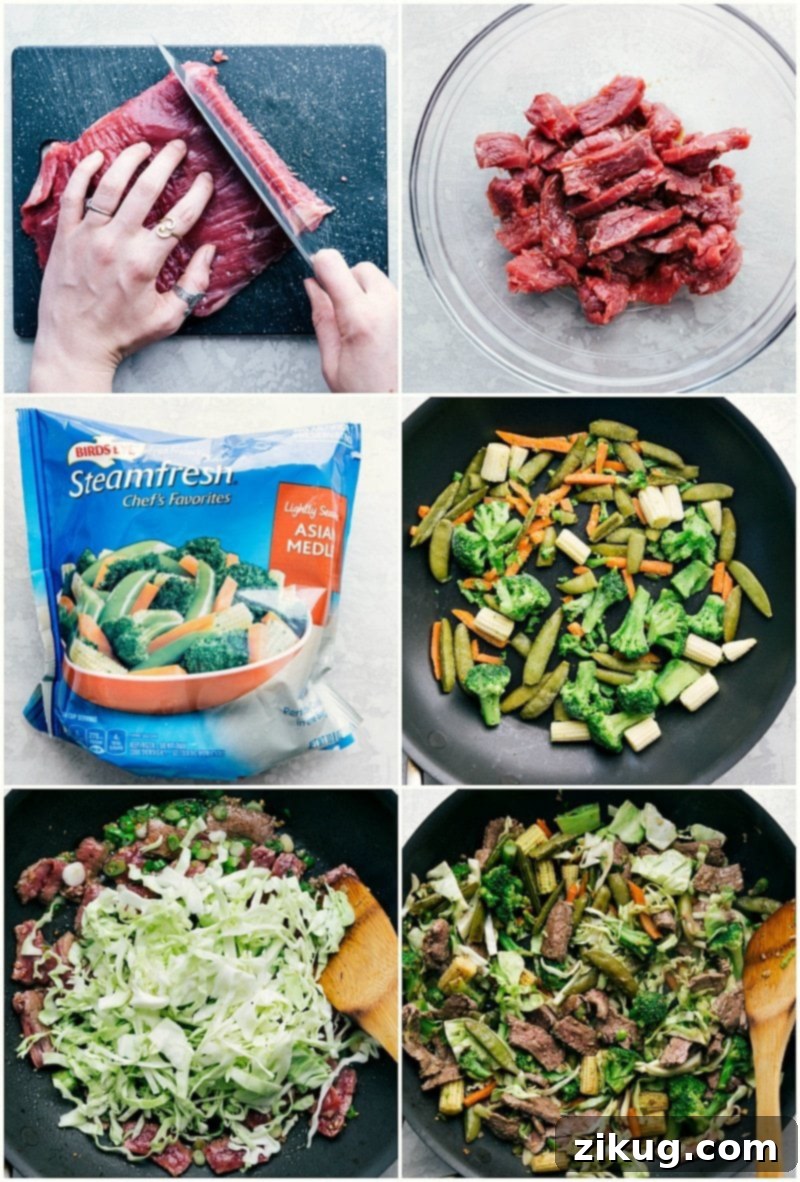
- Prepare the Beef for Ultimate Tenderness: Begin by thinly slicing your flank steak against the grain into ¼-inch thick pieces, then cut these into smaller, bite-sized strips. In a small bowl, gently toss the sliced beef with ¾ teaspoon of baking soda. Cover the bowl and refrigerate for 15 minutes. This step is crucial for tenderizing the beef to a silky texture. After 15 minutes, thoroughly rinse the beef in a fine-mesh sieve under cold running water to remove all traces of baking soda. Pat the beef very dry with paper towels. Next, marinate the rinsed and dried beef with 1-½ tablespoons of your pre-mixed chow mein sauce for another 15 minutes to an hour. This double marinade ensures maximum flavor and tenderness.
- Efficient Vegetable and Aromatic Prep: While the beef marinates, it’s time for “mise en place” – getting all your ingredients ready. Finely shred the green cabbage, aiming for about 2 cups. Coarsely mince the fresh ginger (2 teaspoons) and garlic (1-½ teaspoons); avoiding jarred versions will significantly enhance the flavor profile and prevent burning during stir-frying. Thinly slice the green onions, separating the white root parts (approximately ¼ cup) from the green tops. Reserve the green tops for garnish later. Having everything prepped ensures a smooth and fast cooking process.
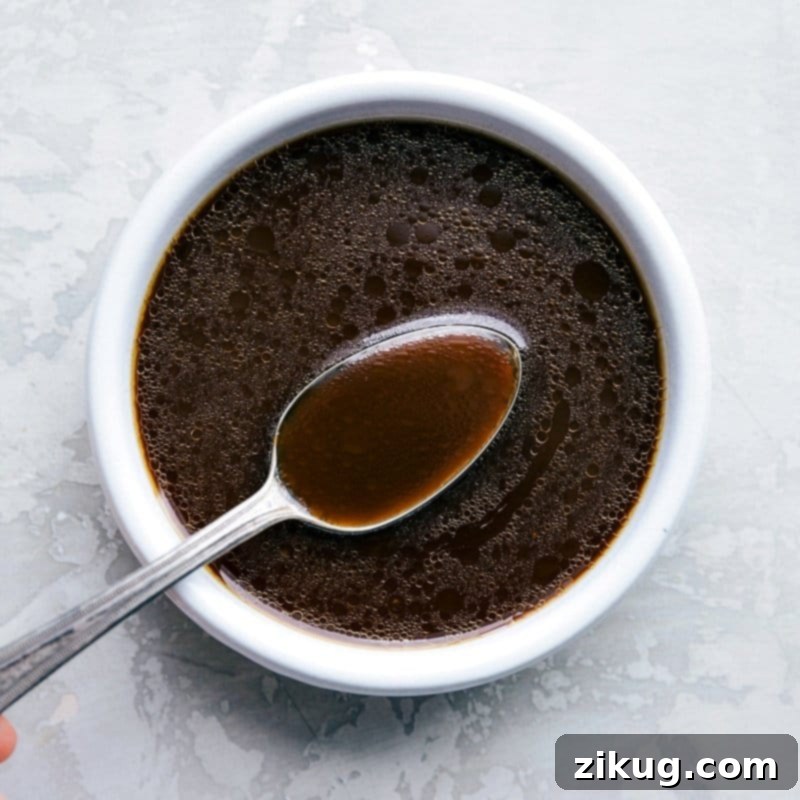
- Craft the Irresistible Chow Mein Sauce: In a medium bowl, start by whisking the ½ tablespoon of cornstarch with 1-½ tablespoons of reduced-sodium soy sauce until completely smooth and lump-free. This creates a slurry that will thicken your sauce evenly. Then, incorporate the 1-½ tablespoons of oyster sauce, ⅓ cup of beef stock or broth, 1 tablespoon of brown sugar (not packed), ½ teaspoon of toasted sesame oil, and ½ teaspoon of pepper. Whisk all ingredients until well combined and smooth. Set this flavorful sauce aside, ready to be added at the perfect moment.
- Perfectly Cook Your Noodles: Prepare your 6-ounce package of chow mein noodles according to the package directions. It’s vital to cook them to an al dente stage, meaning they are firm to the bite but not hard. Immediately after cooking, drain the noodles and rinse them thoroughly under cold running water. This cold rinse stops the cooking process, removes any excess starch, and prevents the noodles from sticking together, ensuring they remain separate and springy when stir-fried. Set them aside until ready to combine with the rest of the dish.
- High-Heat Stir-Frying Technique: Heat a large nonstick pan or wok over high heat. Add your 10-ounce package of frozen stir-fry vegetables directly from the freezer – no need to thaw or add extra liquid. Stir-fry constantly for about 5 minutes, or until the vegetables are mostly thawed and crisp-tender. If they start to stick, add about 1-½ tablespoons of vegetable oil. Transfer the cooked vegetables to a plate and set aside. In the same pan, add another 1-½ tablespoons of vegetable oil, keeping the heat high. Briefly cook the white parts of the green onions for 1-2 minutes until fragrant. Add the minced garlic and ginger, stir-frying for only 10-20 seconds – be vigilant to prevent burning, as burnt aromatics can ruin the dish. Immediately add the patted-dry marinated beef to the pan. Stir-fry constantly for about 1 minute, just until the beef is lightly browned on both sides but not fully cooked through.
- Combine and Finish: With the beef partially cooked, add the shredded cabbage directly to the skillet. Stir continuously for 1-2 minutes, until the cabbage just begins to wilt but still retains a slight crunch. Return the reserved stir-fried vegetables to the pan. Now, add your cooked and rinsed chow mein noodles, along with the pre-mixed sauce mixture. Using tongs, toss all the ingredients vigorously for about 1 minute, ensuring everything is evenly coated in the rich, savory sauce and heated through. The sauce should thicken and cling beautifully to the noodles, beef, and vegetables. Finally, stir in the reserved thinly sliced green onion tops for a burst of fresh flavor and vibrant color.
- Serve and Savor Immediately: Your homemade Beef Chow Mein is now ready! Serve it hot, straight from the pan. For an extra layer of flavor and texture, garnish with a sprinkle of toasted sesame seeds, if desired. This dish is best enjoyed immediately to appreciate the crispness of the vegetables and the tenderness of the beef.
Featured Comment
“Simply divine! I used a wok, because I doubled the recipe. The sauce was bliss and the beef oh so tender. Thank you, I will be adding this to my repertoire!”
– Jimmy
Storage and Reheating Tips for Leftovers
Don’t let any of this delicious Beef Chow Mein go to waste! Proper storage ensures you can enjoy your leftovers for days to come.
Refrigeration: Always allow any leftover beef chow mein to cool completely before transferring it to airtight containers. Label with the date and refrigerate promptly. It will stay fresh and flavorful in the refrigerator for up to 3-5 days. For best results, reheat portions gently on the stovetop or in the microwave.
Freezer: For longer storage, freeze the fully cooled dish in an airtight, freezer-safe container or a heavy-duty freezer bag. Squeeze out any excess air from bags to prevent freezer burn. Label clearly with the date and freeze for up to 3 months. When ready to enjoy, thaw overnight in the refrigerator and then reheat thoroughly on the stovetop or in the microwave until piping hot. Add a splash of water or broth during reheating if the noodles appear dry.
More Effortless Weeknight Dinner Ideas:
Dinner
Quick and Flavorful Udon Stir Fry
Dinner
Deconstructed Banh Mi Bowl Recipe
Dinner
Classic Spaghetti Bolognese Recipe
Dinner
Comforting Chicken Ramen
Print Recipe
Beef Chow Mein
Equipment
-
Large pan (a non-stick wok or large skillet is ideal for even cooking and tossing)
Ingredients
- 2 cups shredded green cabbage
- 2 teaspoons minced fresh ginger
- ¼ cup green onions (white roots and green tops separated)
- 1-½ teaspoons minced fresh garlic
- ½ tablespoon cornstarch
- 1-½ tablespoons reduced-sodium soy sauce
- 1-½ tablespoons oyster sauce
- ⅓ cup beef stock or broth
- 1 tablespoon brown sugar (not packed)
- ½ teaspoon toasted sesame oil
- ½ teaspoon pepper
- ½ pound flank steak (thinly sliced against the grain)
- ¾ teaspoon baking soda
- 1 (10-ounce) package frozen stir-fry vegetables
- 1-½ tablespoons vegetable oil (plus more if needed)
- 1 (6-ounce) package chow mein noodles (fresh or dried, not crispy fried noodles)
- Toasted sesame seeds (optional, for garnish)
Instructions
-
Step 1: Prep the Aromatics and Vegetables. Begin by finely shredding the green cabbage. Then, coarsely mince the fresh ginger and garlic; using fresh ingredients is crucial for the best flavor, so avoid pre-minced jarred versions which can burn easily and lack potency. Thinly slice the green onions, separating the white root portions from the green tops. Aim for about ¼ cup of sliced white roots. Set the vibrant green tops aside, as they will be used for a fresh garnish at the end. Organizing these components beforehand ensures a seamless cooking experience.
-
Step 2: Prepare the Flavorful Sauce. In a medium bowl, combine the ½ tablespoon of cornstarch with 1-½ tablespoons of reduced-sodium soy sauce. Whisk diligently until the mixture is completely smooth, with no lumps remaining. This cornstarch slurry is essential for thickening the sauce later. Next, add the 1-½ tablespoons of oyster sauce, ⅓ cup of beef stock or broth, 1 tablespoon of brown sugar (ensure it’s not packed tightly for accurate measurement), ½ teaspoon of toasted sesame oil, and ½ teaspoon of black pepper. Whisk all the ingredients together thoroughly until you have a perfectly smooth and well-combined sauce. Set this aside; it will be ready to transform your dish.
-
Step 3: Tenderize and Marinate the Beef. Slice the flank steak thinly, approximately ¼-inch thick, always cutting against the grain to ensure maximum tenderness. Then, cut these long strips into 2-3 smaller, more manageable pieces. In a small bowl, toss the sliced beef with ¾ teaspoon of baking soda. Cover the bowl and refrigerate for 15 minutes; this is a key step borrowed from Asian cooking for incredibly tender meat. After 15 minutes, rinse the beef thoroughly in a fine-mesh sieve under cold water to wash off the baking soda. Pat the beef very dry with paper towels. In a separate clean bowl, mix the beef with 1-½ tablespoons of your prepared chow mein sauce. Cover and let it marinate for an additional 15 minutes to an hour for enhanced flavor infusion.
-
Step 4: Cook the Chow Mein Noodles. Follow the package directions precisely to prepare your chow mein noodles. The goal is to cook them until they are al dente – firm but not hard. Once cooked, immediately drain the noodles and rinse them under cold water. This crucial step stops the cooking process, removes excess starch that can make noodles sticky, and helps them maintain their distinct, springy texture during the stir-fry. Set the cooled noodles aside, ensuring they are ready to be added to the pan when instructed.
-
Step 5: Stir-Fry the Vegetables and Beef. Heat a large nonstick pan or wok over high heat. Add the 1 (10-ounce) package of frozen stir-fry vegetables directly to the hot pan without thawing or adding any liquid. Cook over high heat, stirring frequently, until the vegetables are mostly thawed and crisp-tender, usually about 5 minutes. If they begin to stick, add a small amount of vegetable oil. Transfer the cooked vegetables to a plate and set aside. In the same pan, add 1-½ tablespoons of vegetable oil, maintaining high heat. Briefly cook the white root portions of the green onions for 1-2 minutes until they become fragrant. Immediately add the minced garlic and ginger, stir-frying for only 10-20 seconds; watch carefully to prevent them from burning, which can lead to a bitter taste. Add the marinated beef (ensure it’s patted dry again) to the pan and stir constantly for about 1 minute, just until it’s lightly browned on both sides but not fully cooked through.
-
Step 6: Combine All Ingredients. Add the shredded cabbage directly to the skillet with the beef and aromatics. Stir continuously for about 1-2 minutes, until the cabbage just begins to wilt, retaining a pleasant crunch. Return the reserved cooked frozen vegetables to the pan. Add the prepared chow mein noodles and the pre-mixed sauce mixture. Using tongs, toss all the ingredients together vigorously for about 1 minute, ensuring everything is thoroughly coated in the rich, savory sauce and heated through. The sauce should thicken beautifully and cling to the noodles, beef, and vegetables. Finally, stir in the thinly sliced green onion tops for a burst of fresh flavor and vibrant color.
-
Step 7: Serve Immediately. Your homemade Beef Chow Mein is now ready to be enjoyed! Serve it piping hot, directly from the pan. For an extra layer of nutty flavor and visual appeal, sprinkle with toasted sesame seeds if desired. This dish is at its best when served fresh, allowing you to savor the perfect blend of tender beef, crisp vegetables, and irresistible sauce.
Recipe Notes
Storage: To store leftovers, first ensure the beef chow mein has cooled completely to room temperature. Transfer it to airtight containers and refrigerate promptly. It can be safely stored in the refrigerator for up to 3-5 days. For longer preservation, the dish can be frozen. Place the fully cooled chow mein in an airtight, freezer-safe container or heavy-duty freezer bag, removing as much air as possible to prevent freezer burn. Label with the date. It can be frozen for up to 3 months. To reheat, thaw overnight in the refrigerator if frozen, then warm on the stovetop over medium heat with a splash of water or broth, or in the microwave until heated through.
Nutrition Information
Nutrition information is automatically calculated and should only be used as an approximation. Individual results may vary based on exact ingredients and portion sizes.