
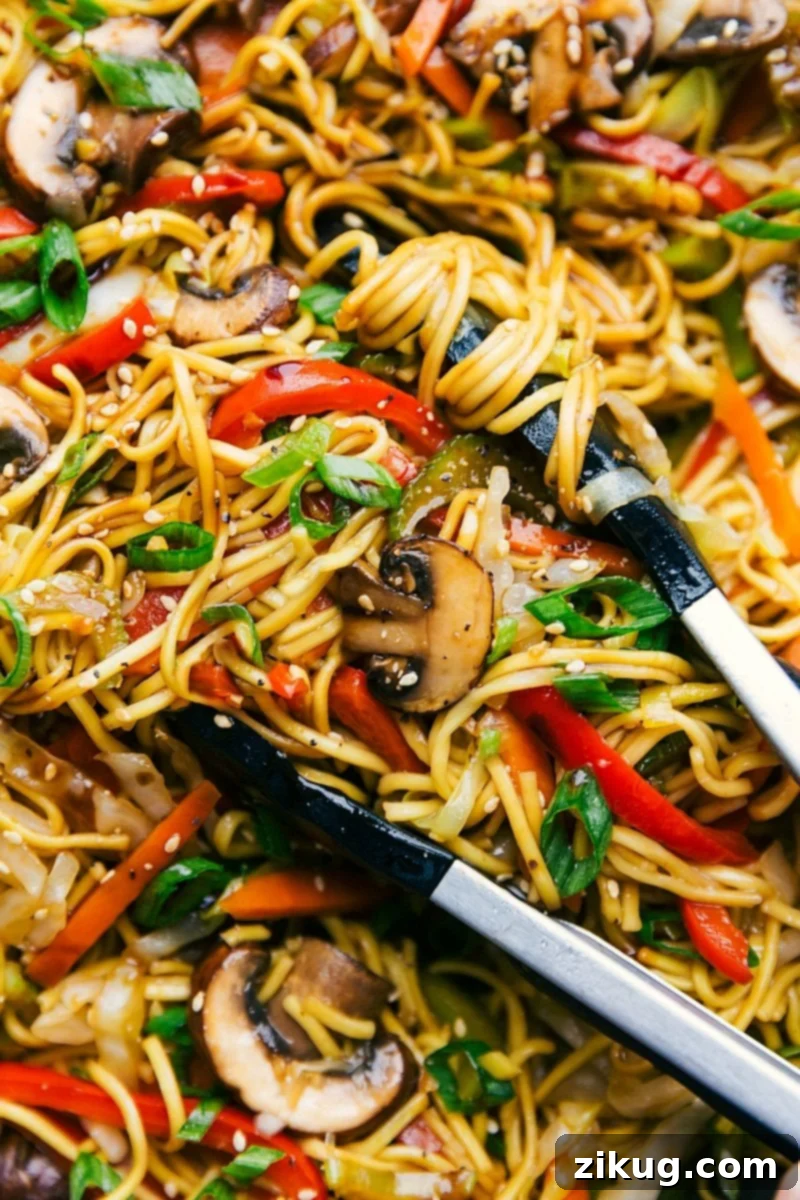
Easy 30-Minute Vegetarian Chow Mein: Better Than Takeout, Bursting with Flavor
Whip up a delectable vegetarian Chow Mein in under 30 minutes, overflowing with crisp vegetables and coated in an irresistibly savory sauce – a homemade delight that easily surpasses any takeout experience.
For those who aren’t strictly vegetarian and wish to incorporate meat into their Chow Mein, explore our delightful Beef Chow Mein or Chicken Chow Mein recipes for equally satisfying variations.
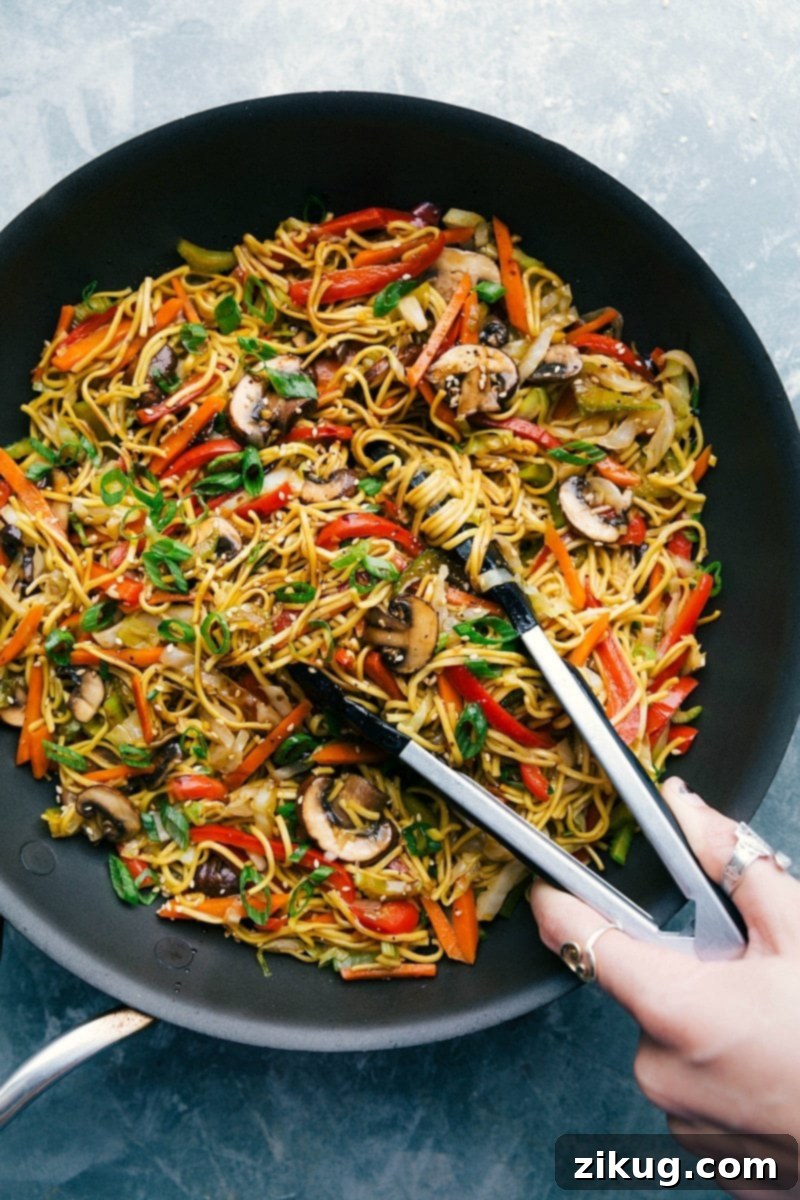
Understanding Chow Mein: A Classic Stir-Fried Noodle Dish
Chow Mein, meaning “stir-fried noodles” in Cantonese, is a cornerstone of Chinese cuisine and a beloved dish worldwide. At its heart, it comprises flavorful noodles stir-fried with an assortment of fresh vegetables, and often, various proteins such as chicken, beef, shrimp, or pork, all brought together by a rich, savory sauce. While traditional versions frequently feature meat, this particular recipe champions a vibrant vegetarian approach, proving that you don’t need meat to create an incredibly satisfying and flavorful meal.
This vegetarian rendition of Chow Mein is not just a meal; it’s a celebration of fresh produce. It’s the perfect “clear out the fridge” meal, utilizing an array of vegetables you might already have on hand. As someone who loves to load meals with nutritious veggies – much like these Thai Chicken Wraps – this Chow Mein holds a special place in my recipe collection. It’s also one of the most effective ways I’ve found to encourage kids (and adults!) to enjoy their vegetables. The magic lies in tossing crisp, colorful veggies with slippery noodles and an enticing sauce – every bite becomes an adventure.
Why Embrace Vegetarian Chow Mein? More Than Just a Meal
Opting for vegetarian Chow Mein offers a multitude of benefits, making it an excellent choice for a wide range of lifestyles and dietary preferences. Beyond its undeniable deliciousness, this plant-based dish provides a healthy, sustainable, and incredibly versatile option for your dinner table.
Packed with Nutrition and Wholesome Goodness
By focusing on a generous assortment of vegetables, this Chow Mein becomes a powerhouse of vitamins, minerals, and dietary fiber. Ingredients like cabbage, carrots, bell peppers, and mushrooms contribute essential nutrients that support overall health, aid digestion, and boost immunity. Reducing meat consumption can also lead to lower intake of saturated fats and cholesterol, making this a heart-friendly meal. It’s a fantastic way to increase your daily vegetable intake in a truly enjoyable manner.
A Sustainable Choice for a Better Planet
Choosing plant-based meals, even occasionally, contributes positively to environmental sustainability. Vegetable-centric dishes generally have a lower carbon footprint compared to meat-heavy ones. This vegetarian Chow Mein is a delicious step towards more eco-conscious eating, supporting both your well-being and the planet.
Economical and Easy to Source Ingredients
Vegetables and noodles are often more budget-friendly than premium cuts of meat. This makes vegetarian Chow Mein an economical choice for feeding a family or for meal prepping without breaking the bank. The ingredients are widely available in most grocery stores, making it an accessible recipe for everyone.
A Canvas for Culinary Creativity
The beauty of this vegetarian Chow Mein recipe lies in its adaptability. It’s incredibly forgiving and encourages experimentation. You can easily swap vegetables based on what’s in season, what you prefer, or what needs to be used up in your fridge. This makes it a dynamic dish that can be enjoyed repeatedly without ever feeling repetitive. It’s truly a culinary canvas waiting for your personal touch.
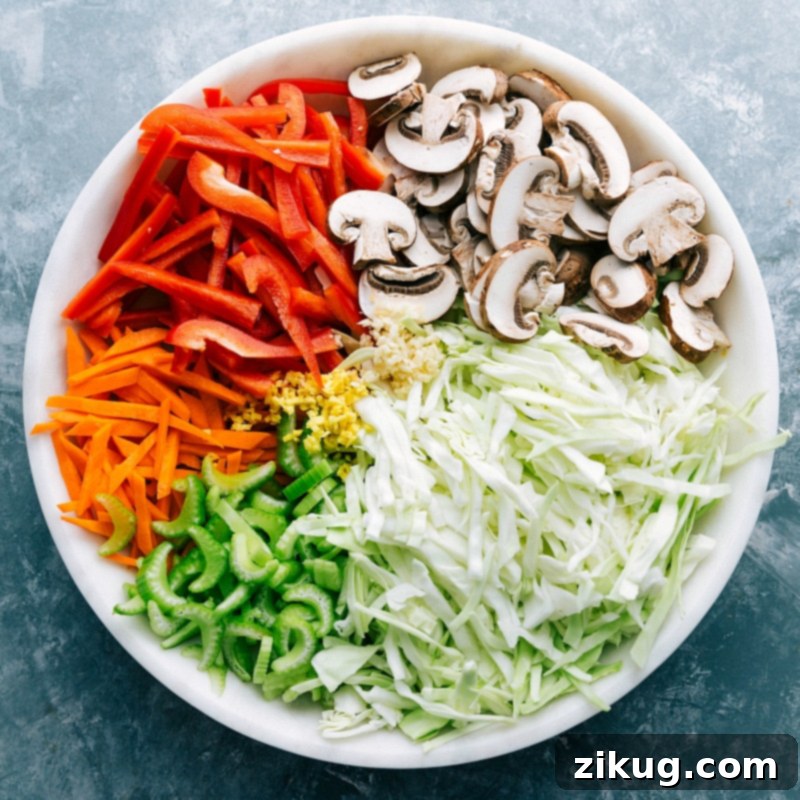
Essential Ingredients for the Perfect Vegetarian Chow Mein
Creating an outstanding Chow Mein relies on a balanced combination of fresh ingredients and a well-crafted sauce. Here’s a detailed look at the components that make this dish truly special:
- The Noodles: The heart of any Chow Mein! We recommend classic Chow Mein noodles, typically made from wheat flour and egg (though egg-free varieties are available for a vegan option). They are designed to absorb the rich flavors of the sauce and provide a satisfying, chewy texture, making the dish incredibly filling and comforting. Look for fresh or dried stir-fry noodles in the Asian aisle of your grocery store.
- A Rainbow of Vegetables: This recipe calls for a vibrant mix including shredded green cabbage, julienned carrots, thinly sliced celery, red bell pepper, mushrooms (baby bella are excellent), and green onions. This combination provides a delightful crunch, a spectrum of flavors, and a significant nutritional boost. The key is to slice them thinly and uniformly for quick and even cooking in a hot wok or skillet.
- Fresh Aromatics: Fresh ginger and garlic are non-negotiable for authentic Asian flavors. They infuse the dish with a pungent, spicy, and incredibly aromatic essence that will make your kitchen smell amazing. Always opt for fresh over powdered for the best results.
- Vegetable Oil: Used for sautéing the ingredients. A neutral oil with a high smoke point like canola, grapeseed, or sunflower oil is ideal for stir-frying.
- The Irresistible Sauce Components:
- Cornstarch: This acts as a thickener, giving the sauce its characteristic glossy texture that clings beautifully to the noodles and vegetables.
- Soy Sauce: The foundation of umami and saltiness. Opt for reduced-sodium soy sauce to control the overall saltiness of the dish, allowing other flavors to shine.
- Vegetarian Oyster Sauce: A crucial ingredient for depth and authentic savory flavor. If you’re vegetarian or vegan, be sure to use a mushroom-based vegetarian oyster sauce. Regular oyster sauce can be used if you’re not strictly vegetarian.
- Vegetable Stock or Broth: Provides a savory base for the sauce, adding moisture and richness without overpowering the other flavors.
- Brown Sugar: A touch of brown sugar is essential for balancing the saltiness of the soy and oyster sauce, adding a subtle sweetness and enhancing the overall complexity of the flavor profile.
- Sesame Oil: Added at the end, a dash of toasted sesame oil lends a distinct nutty aroma and deepens the Asian character of the sauce.
- Seasoning & Garnish: Freshly cracked black pepper adds a subtle kick, while optional toasted sesame seeds provide a lovely textural contrast and an extra layer of nutty flavor as a garnish.
Quick Tip: Chow Mein vs. Chop Suey
Often confused, Chow Mein and Chop Suey are distinct dishes. The primary difference lies in the base: Chow Mein is always served with some type of stir-fried noodles, while Chop Suey is typically served with rice and often features a thicker, gravy-like sauce with ingredients piled on top.
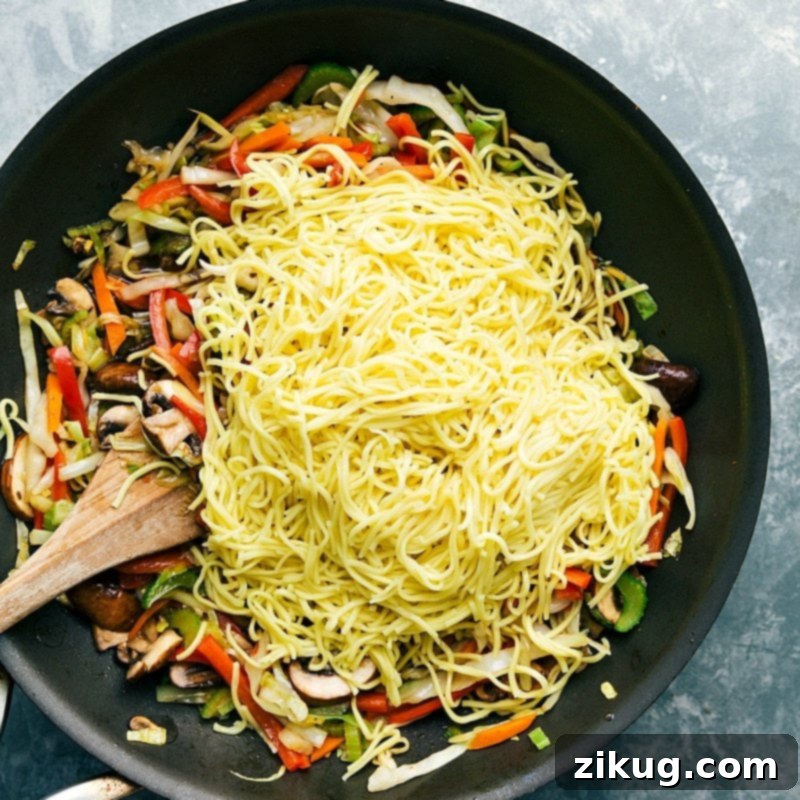
Step-by-Step Guide: Crafting Your Perfect Vegetarian Chow Mein
Creating this flavorful vegetarian Chow Mein at home is simpler than you might think. Follow these steps for a quick, delicious meal that comes together in just 30 minutes:
- Master the Prep (Mise en Place is Key): This is the most crucial step for successful stir-frying. Begin by thinly slicing or finely shredding all your vegetables. Mince your fresh ginger and garlic. Having everything prepped and ready to go before you even turn on the heat will ensure a smooth cooking process and prevent anything from burning. Uniform sizing allows for even cooking.
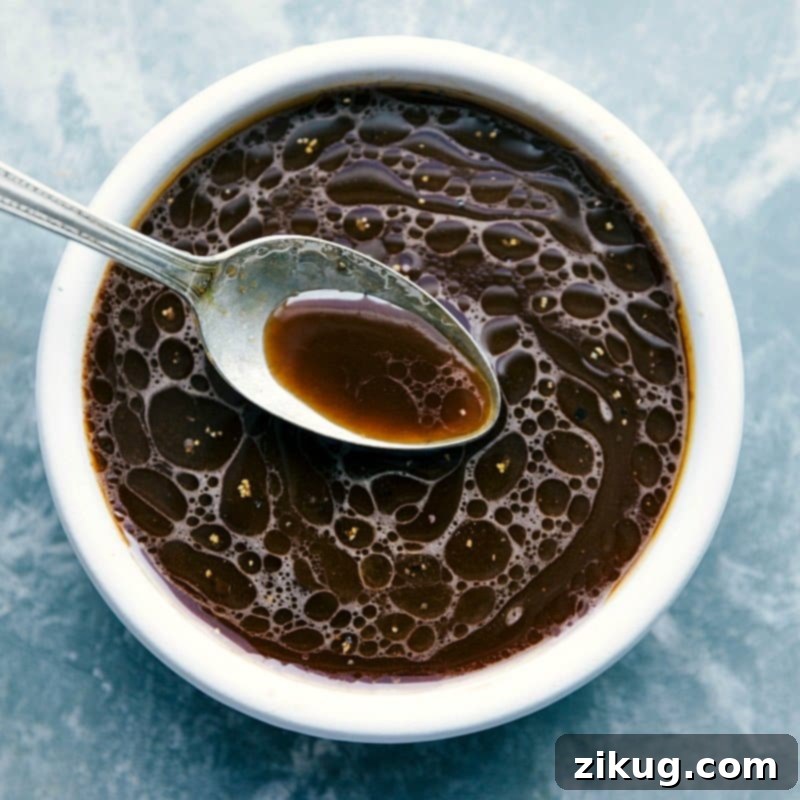
- Whip Up the Savory Sauce: In a small bowl, combine all the sauce ingredients – cornstarch, soy sauce, vegetarian oyster sauce, vegetable stock, brown sugar, sesame oil, and black pepper. Whisk thoroughly until the cornstarch is completely dissolved and the mixture is smooth. Set this aside; you’ll add it at the very end.
- Cook the Noodles to Perfection: Follow the package directions meticulously to cook your chosen Chow Mein noodles. Whether fresh or dried, ensure they are cooked al dente, meaning they still have a slight bite. Once cooked, drain them, then rinse thoroughly under cold water to stop the cooking process and prevent them from sticking together. Set them aside while you stir-fry the vegetables.
- Stir-Fry the Vegetables with Precision: Heat a large pan or wok over high heat with vegetable oil. High heat is essential for achieving that authentic stir-fry texture. Start by adding the white parts of the green onions and cook for about a minute to release their aroma. Immediately follow with the minced garlic and ginger, stir-frying for only about 20 seconds to prevent burning. Next, add the harder vegetables like red pepper, carrots, and celery. Stir-fry constantly for 2-3 minutes until they start to soften slightly but retain some crispness. Finally, add the shredded cabbage and mushrooms, continuing to stir constantly for another 2-3 minutes until the cabbage wilts and all vegetables are tender-crisp.
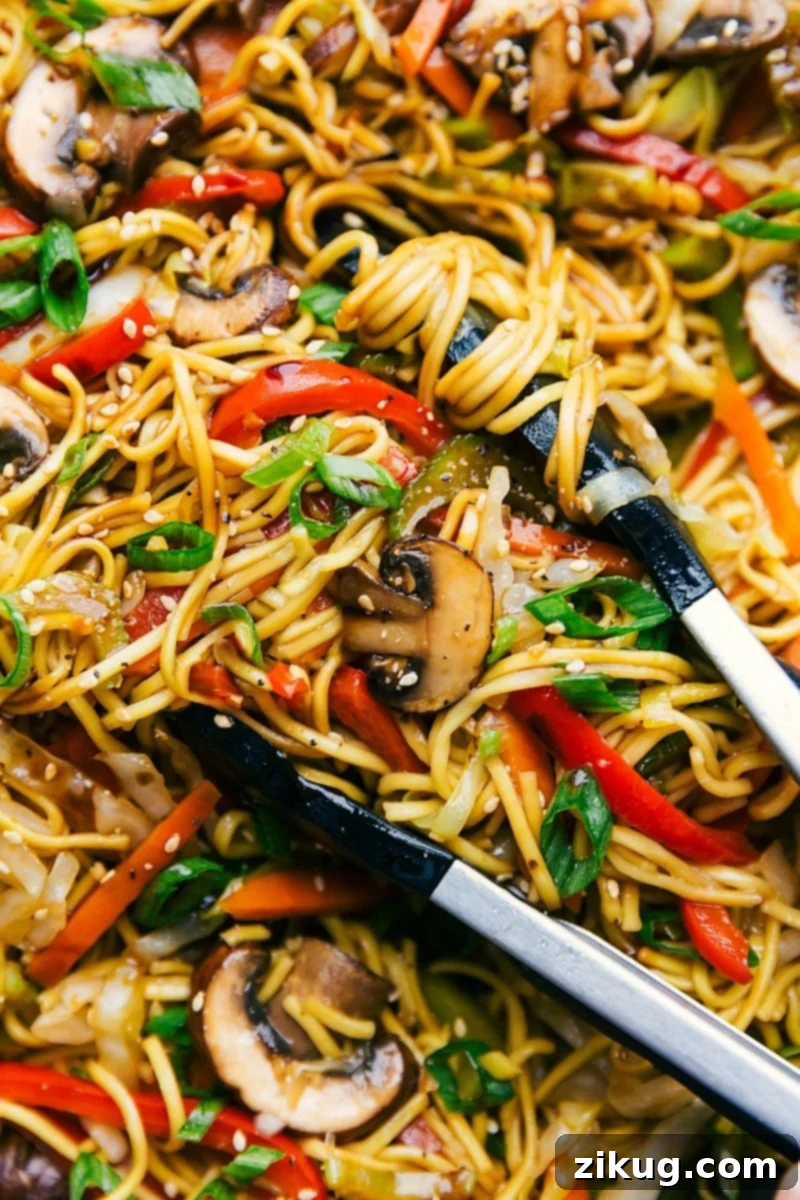
- Combine, Toss, and Garnish: Once your vegetables are perfectly cooked, add the prepared noodles and the whisked sauce mixture to the pan. Using tongs, toss everything together vigorously for about 1 minute, ensuring the noodles and vegetables are thoroughly coated in the rich, glossy sauce. The sauce will thicken quickly. Remove from heat, stir in the reserved green parts of the green onions, and if desired, sprinkle with toasted sesame seeds for an extra layer of flavor and texture. Serve immediately and savor every bite!
Customizing Your Chow Mein: Protein & Veggie Variations
One of the greatest strengths of this vegetarian Chow Mein recipe is its incredible adaptability. It serves as a fantastic base for customization, allowing you to tailor it to your dietary needs, preferences, or whatever ingredients you have available.
Boosting Vegetarian Protein Content
If you’re looking to enhance the protein in your vegetarian Chow Mein without adding meat, several excellent plant-based options can be incorporated:
- Tofu: Firm or extra-firm tofu is an ideal choice. Press it well to remove excess water, then cube and pan-fry, bake, or air-fry until golden and crispy before adding it to the stir-fry. We highly recommend this comprehensive guide for cooking tofu to perfection.
- Tempeh: Similar to tofu but with a firmer, nuttier texture. Cube and pan-fry or steam before adding.
- Edamame: Shelled edamame (fresh or frozen) can be added directly to the stir-fry with the other vegetables for an extra protein punch and a pop of green color.
- Chickpeas: Roasted or pan-fried chickpeas can add a hearty texture and protein.
Meat Options for Non-Vegetarians
For those who aren’t vegetarian, this dish can easily be adapted with cooked meats. Feel free to include thinly sliced and cooked chicken, beef, or shrimp. Simply stir-fry your chosen protein first until cooked through, then remove it from the pan and set it aside before you begin stir-frying the vegetables. Add it back in along with the noodles and sauce for the final toss. Alternatively, this vibrant vegetarian Chow Mein makes an excellent side dish, complementing main courses like Grilled Chicken or Grilled Steak beautifully.
Beyond the Basics: Exciting Vegetable Swaps
This vegetarian Chow Mein is designed to be highly customizable with vegetables. The golden rule is to keep the total amount of vegetables similar to the recipe and slice them thinly to ensure quick and even cooking. Don’t be afraid to experiment with what’s fresh and in season! Excellent options for variation include:
- Bean Sprouts: Add them in the last minute of cooking for a fresh, crisp texture.
- Green Bell Pepper: Offers a slightly different flavor profile and color than red bell pepper.
- Snow Peas or Sugar Snap Peas: Add a sweet crunch; stir-fry for only a minute or two.
- Yellow Onion: Can be used instead of or in addition to green onions for a different onion flavor base.
- Red Cabbage: Adds a beautiful color and slightly more robust texture.
- Broccoli Florets: Small florets work best; blanch them briefly before stir-frying for quicker cooking.
- Water Chestnuts: Provide a unique, crisp texture. Add them with the other vegetables.
- Zucchini or Yellow Squash: Slice them into thin matchsticks for a tender addition.
- Bok Choy: Roughly chop and add the stems first, then the leaves, towards the end of the stir-frying process.
Pro Tips for the Best Homemade Chow Mein
Achieving takeout-quality Chow Mein at home is entirely possible with a few professional techniques. These tips will elevate your dish from good to absolutely fantastic:
Mastering the Heat: The Wok Hei Effect
The secret to great stir-fry lies in using high heat. A wok or large skillet should be smoking hot before you add any ingredients. This intense heat creates “wok hei” – the coveted smoky, charred aroma and flavor that defines authentic stir-fries. Don’t overcrowd the pan, as this lowers the temperature and steams the vegetables instead of stir-frying them. Cook in batches if necessary, then combine everything at the end.
Preparation is Paramount (Mise en Place)
As mentioned, stir-frying is a rapid cooking method. There’s no time to chop vegetables once you start cooking. Have all your ingredients – chopped veggies, mixed sauce, cooked noodles – lined up and ready to go. This ensures a smooth, stress-free cooking experience and perfect results.
Preventing Soggy Noodles
Overcooked or improperly rinsed noodles can become mushy. Cook your noodles until they are just al dente, then immediately rinse them with cold water to halt the cooking process and remove excess starch. This keeps them firm and prevents them from clumping together, allowing them to absorb the sauce beautifully without becoming soggy.
Don’t Overcook the Vegetables
The best Chow Mein boasts vegetables that are tender-crisp, not limp. Stir-fry them quickly over high heat, following the order of hardness (harder vegetables first, softer ones later). They should retain some bite and their vibrant color, adding wonderful texture to the dish.
Serving Suggestions for Your Vegetarian Chow Mein
This vegetarian Chow Mein is a complete meal on its own, packed with protein, carbs, and a rainbow of vegetables. However, you can enhance your dining experience by pairing it with a few complementary dishes:
- Crispy Spring Rolls or Egg Rolls: A classic pairing that adds a delightful crunch.
- Light Soup: A simple hot and sour soup or a clear vegetable broth can start the meal perfectly.
- Asian Cucumber Salad: A refreshing, tangy salad can balance the richness of the Chow Mein.
- Steamed Edamame: A healthy and easy appetizer that adds more plant-based protein.
- Fortune Cookies: For a fun, traditional end to your Chinese-inspired meal.
Storage and Reheating Best Practices
Cooked Vegetarian Chow Mein makes excellent leftovers, perfect for meal prep throughout the week. Properly storing and reheating ensures you can enjoy its delicious flavors for days.
Storage: Allow any leftover Vegetarian Chow Mein to cool completely to room temperature before transferring it to an airtight container. Store it in the refrigerator for up to 3 days. This prevents bacterial growth and maintains freshness.
Reheating:
- Skillet Method (Recommended): For best results, reheat your Chow Mein in a large skillet or wok over medium-high heat with a tiny splash of vegetable oil or water. Stir-fry constantly for 3-5 minutes, breaking up any clumps, until it’s heated through. This method helps restore some of the fresh stir-fried texture.
- Microwave Method: If you’re short on time, microwave individual portions in a microwave-safe dish. Add a tablespoon of water or broth and cover loosely before heating for 1-2 minutes, stirring halfway through, until warmed. Be careful not to overheat, as this can make the noodles rubbery.
Frequently Asked Questions (FAQ) About Vegetarian Chow Mein
Can I make this Chow Mein gluten-free?
Absolutely! To make this recipe gluten-free, ensure you use certified gluten-free Chow Mein noodles (or rice noodles for a different texture). Most importantly, substitute regular soy sauce with tamari or a gluten-free soy sauce alternative, and confirm that your vegetarian oyster sauce (or any other sauce component) is also gluten-free. Always check product labels carefully.
How can I make my Vegetarian Chow Mein spicy?
There are several ways to add a kick to your Chow Mein! You can include a pinch of red pepper flakes during the vegetable stir-fry, add a teaspoon or two of sriracha or chili garlic sauce to your sauce mixture, or simply serve with a side of your favorite hot sauce for individual customization.
What kind of noodles should I use for Chow Mein?
For authentic Chow Mein, typically, thin, round or flat wheat-based egg noodles are used. Many Asian grocery stores sell “Chow Mein noodles” that are fresh or dried. If you can’t find them, ramen noodles (without the seasoning packet), lo mein noodles, or even spaghetti (cooked al dente) can be decent substitutes in a pinch. Just ensure they are not too thick and are rinsed well after cooking.
Is this recipe vegan?
This recipe can easily be made vegan! Ensure your Chow Mein noodles are egg-free (many are, but double-check the ingredients). Use a vegetarian oyster sauce that is explicitly mushroom-based and labeled vegan. All other ingredients are typically plant-based.
Explore More Delicious Vegetarian Recipes
If you loved this vibrant and healthy Vegetarian Chow Mein, you’ll surely enjoy these other plant-forward dishes:
- Healthy Tacos (Vegetarian Option)
- Easy Sweet Potato and Black Bean Burrito Bowls
- Southwest Quinoa Salad with Cilantro-Lime Vinaigrette
- Hearty Quinoa Vegetarian Enchiladas
- Baked Gnocchi & Roasted Vegetables
Vegetarian Chow Mein
Equipment
- Large pan or Wok
Ingredients
- 3 cups shredded green cabbage
- 1/2 tablespoon minced ginger
- 1/2 tablespoon minced garlic
- 3/4 cup julienned carrots
- 3/4 cup thinly sliced celery
- 1-1/2 cups thinly sliced red bell pepper
- 1-1/2 cups thinly sliced baby bella mushrooms
- 1/4 cup green onions (separated white and green parts)
- 1-1/2 tablespoons vegetable oil
- 1 (6-ounce) package crispy chow mein noodles
- For the Sauce:
- 1/2 tablespoon cornstarch
- 1-1/2 tablespoons reduced-sodium soy sauce
- 1-1/2 tablespoons vegetarian oyster sauce (or regular oyster sauce)
- 1/3 cup vegetable stock or vegetable broth
- 1 tablespoon brown sugar
- 1/2 teaspoon sesame oil
- 1/2 teaspoon pepper
- Toasted sesame seeds (optional, for garnish)
Instructions
- Prepare All Vegetables: Finely shred the green cabbage. Coarsely mince the fresh ginger and garlic. Peel the carrots, then julienne them into very thin pieces. Very thinly slice the celery, red bell pepper, and baby bella mushrooms. Thinly slice the green onions, separating the white root parts (you should have about 1/4 cup) from the green tops. Reserve the green tops for later garnish.
- Prepare the Sauce Mixture: In a small bowl, combine the cornstarch and soy sauce. Whisk with a fork until the cornstarch is completely smooth and no lumps remain. Then, stir in the vegetarian oyster sauce (or regular oyster sauce), vegetable stock (or broth), brown sugar, sesame oil, and black pepper. Whisk again until all ingredients are well combined and smooth. Set this sauce mixture aside.
- Cook the Chow Mein Noodles: Refer to the package directions for your specific chow mein noodles to cook them. Aim for an al dente texture. Once cooked, immediately drain the noodles and rinse them thoroughly under cold running water. This stops the cooking process and prevents the noodles from sticking together. Set them aside while you prepare the stir-fry.
- Begin the Stir-Fry: Heat the vegetable oil in a large pan or wok over high heat until it just begins to smoke lightly. Add the white parts of the green onions to the hot pan and stir-fry for about 1 minute until fragrant. Immediately add the minced garlic and ginger, cooking for only about 20 seconds; be careful not to let them burn. Next, add the thinly sliced red bell pepper, julienned carrots, and thinly sliced celery. Stir-fry vigorously, stirring almost constantly, for 2-3 minutes until the vegetables start to become tender-crisp.
- Finish the Stir-Fry & Combine: Add the shredded green cabbage and thinly sliced mushrooms to the pan. Continue to stir-fry constantly for another 2-3 minutes, until the vegetables are tender-crisp and the cabbage has wilted down. Add the cooked and rinsed noodles to the pan along with the prepared sauce mixture. Using tongs, toss everything together for about 1 minute, ensuring the noodles and vegetables are thoroughly coated in the sauce, which will thicken quickly. Remove from heat. Stir in the reserved green parts of the green onions. If desired, sprinkle with toasted sesame seeds for garnish. Serve your delicious homemade Vegetarian Chow Mein immediately and enjoy!
Recipe Notes
Storage: Store leftover Vegetarian Chow Mein in an airtight container in the refrigerator for up to 3 days. Reheat gently in a skillet over medium-high heat with a splash of water or in the microwave until warmed through, stirring occasionally.
Nutrition
Nutrition information is automatically calculated, so should only be used as an approximation.
Enjoyed this recipe? Share your thoughts!
We love hearing from you! If you tried this Easy Vegetarian Chow Mein and loved it as much as we do, please consider leaving a comment or review below. Your feedback helps us and other home cooks discover fantastic new meals.