
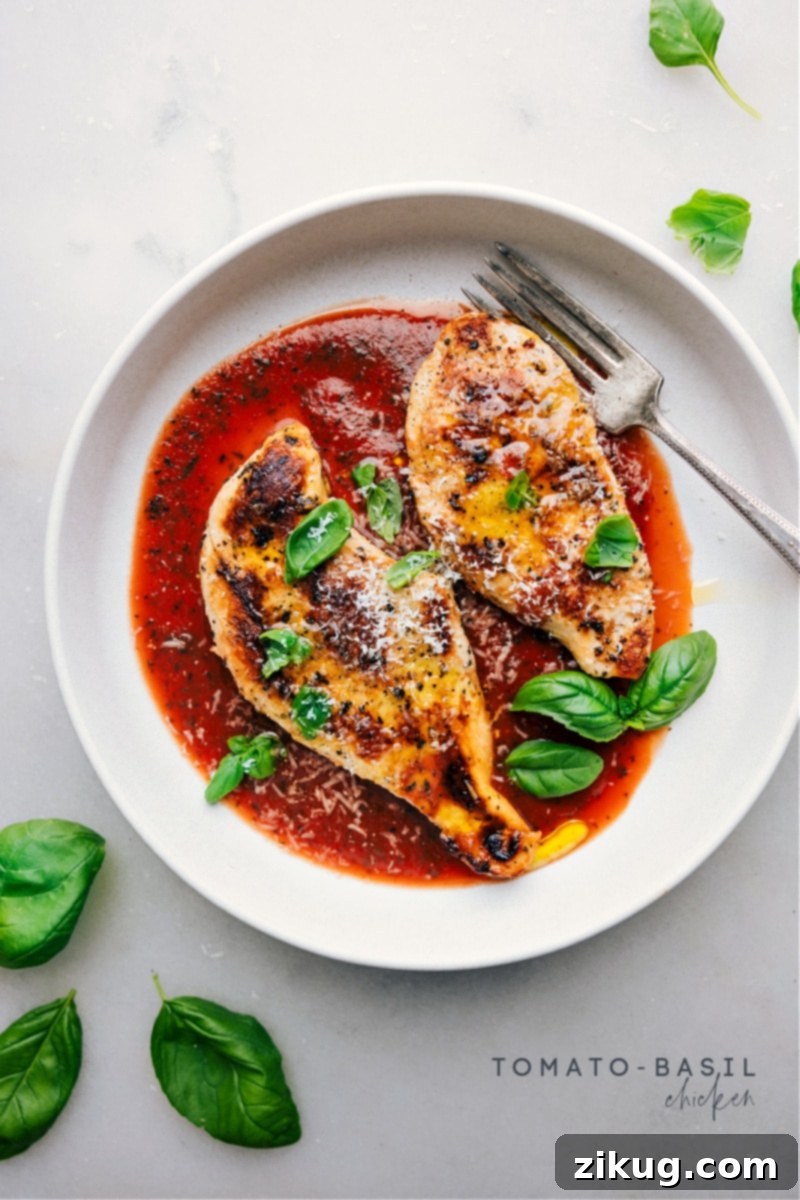
Tomato Basil Chicken is the ultimate comfort food that tastes gourmet but comes together with minimal effort. Imagine succulent chicken breasts, perfectly seasoned and seared, then gently simmered in a vibrant, herbaceous tomato sauce bursting with fresh basil. This dish epitomizes simple sophistication, bringing classic Italian flavors to your dinner table without the fuss. It’s a versatile, nutritious, and incredibly satisfying meal that you’ll want to add to your regular rotation.
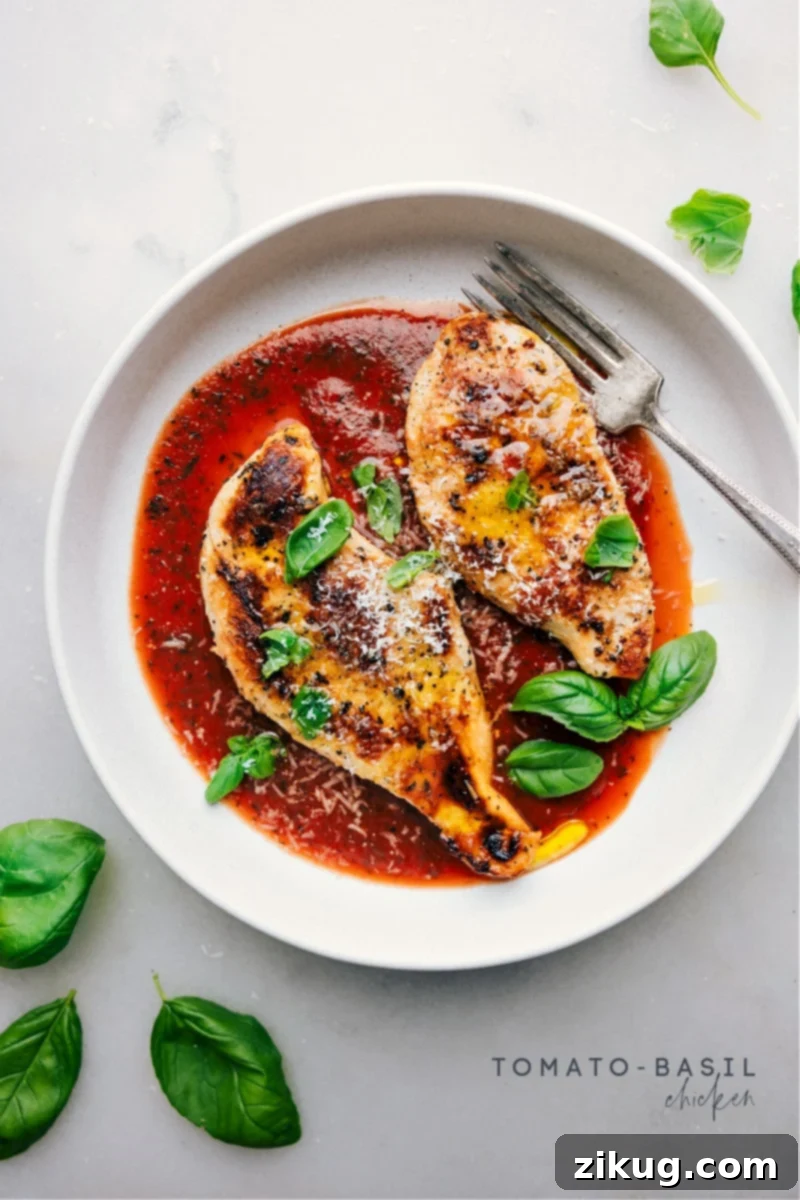

author’s note
One Pan, Tons of Flavor, Zero Stress: My Go-To Tomato Basil Chicken!
As someone who appreciates delicious food but also values my time, I’m always on the hunt for quick and easy meals that don’t compromise on flavor. This Tomato Basil Chicken perfectly fits the bill. It’s the kind of recipe that feels special enough for a weekend dinner but is genuinely simple enough for any busy weeknight.
The beauty of this dish lies in its simplicity and the power of upfront preparation. Once the chicken is in its flavorful marinade, the rest of the cooking process is incredibly fast. I often make the marinade the night before, tossing the chicken in it and letting it work its magic overnight. By the time dinner rolls around the next day, the chicken is primed for searing and ready to transform into a mouth-watering meal in mere minutes.
What I truly adore about this Tomato Basil Chicken is its clean, authentic taste. There’s no need for heavy creams or excess butter. Instead, the sauce relies on the robust foundation of quality tomato paste, savory chicken broth, and an abundance of fresh basil. These classic Italian ingredients create a harmonious symphony of flavors that really shine through, making the entire meal feel indulgent and satisfying without a ton of effort or added calories. It’s a testament to how simple, wholesome ingredients can yield the most delicious results.
Why You’ll Love This Tomato Basil Chicken Recipe
This isn’t just another chicken recipe; it’s a culinary experience designed for convenience and flavor. Here’s why you’ll find yourself reaching for this recipe again and again:
- Effortlessly Elegant: It looks and tastes impressive, yet the preparation is straightforward and uses minimal dishes.
- Rich & Robust Flavors: The combination of tangy tomatoes, fragrant basil, and savory chicken creates a deeply satisfying taste profile that evokes classic Italian cuisine.
- Quick & Easy: Perfect for busy weeknights, the active cooking time is surprisingly short, especially with overnight marinating.
- Healthy & Nutritious: Packed with lean protein and fresh ingredients, it’s a meal you can feel good about serving to your family. It’s naturally low-carb and supports a balanced diet.
- Family-Friendly: The mild, comforting flavors are a hit with both adults and children, making dinner time enjoyable for everyone.
- Customizable: Easily adaptable to your taste preferences and dietary needs, whether you want to add more vegetables or adjust the spice level.
- Excellent for Meal Prep: Marinate the chicken ahead of time, or cook a larger batch to enjoy flavorful leftovers throughout the week.
Key Ingredients for the Perfect Tomato Basil Chicken
Creating an outstanding Tomato Basil Chicken starts with selecting quality ingredients. Each component plays a vital role in building the layered flavors of this delightful dish. From the tender chicken to the aromatic herbs and rich tomato base, every item contributes to a harmonious and memorable meal.
| Ingredient | Quick Swap or Tip for Best Results |
|---|---|
| Chicken breasts (halved) | Boneless, skinless chicken thighs are an excellent alternative, offering a slightly richer flavor and more tender texture. If using thighs, there’s no need to slice them in half; simply marinate them whole. |
| Tomato paste | For a lighter, fresher sauce, you can substitute ½ cup of crushed tomatoes. This will result in a less concentrated tomato flavor, but still delicious. Ensure it’s good quality crushed tomatoes for the best taste. |
| Dried basil | If dried basil isn’t on hand, a good quality Italian seasoning blend can be used in its place for the sauce. However, always aim to finish the dish with plenty of fresh basil for that vibrant burst of authentic flavor. |
| Red-wine vinegar | Freshly squeezed lemon juice works wonderfully as a substitute, providing a similar bright, acidic counterpoint to the richness of the tomatoes. It adds a lovely zestiness that awakens the palate. |
| Balsamic glaze | No balsamic glaze? No problem! Simply reduce regular balsamic vinegar in the pan for about 2 minutes over low heat until it thickens slightly to create your own homemade glaze. |
| Shaved Parmesan | For a different but equally delicious cheesy topping, consider using Pecorino Romano for a sharper, saltier kick, or delicate mozzarella pearls for a milder, creamier melt. |
How To Make Tomato Basil Chicken: A Step-by-Step Guide
Creating this flavorful Tomato Basil Chicken is an enjoyable and straightforward process. Follow these simple steps to bring this delightful dish to life in your kitchen, ensuring tender chicken and a rich, aromatic sauce every time.
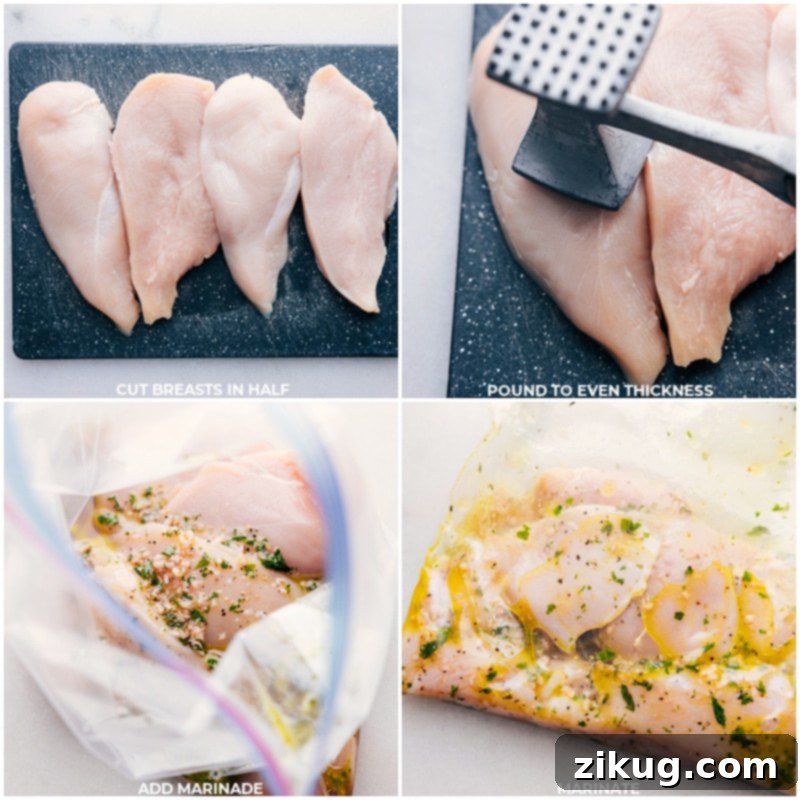
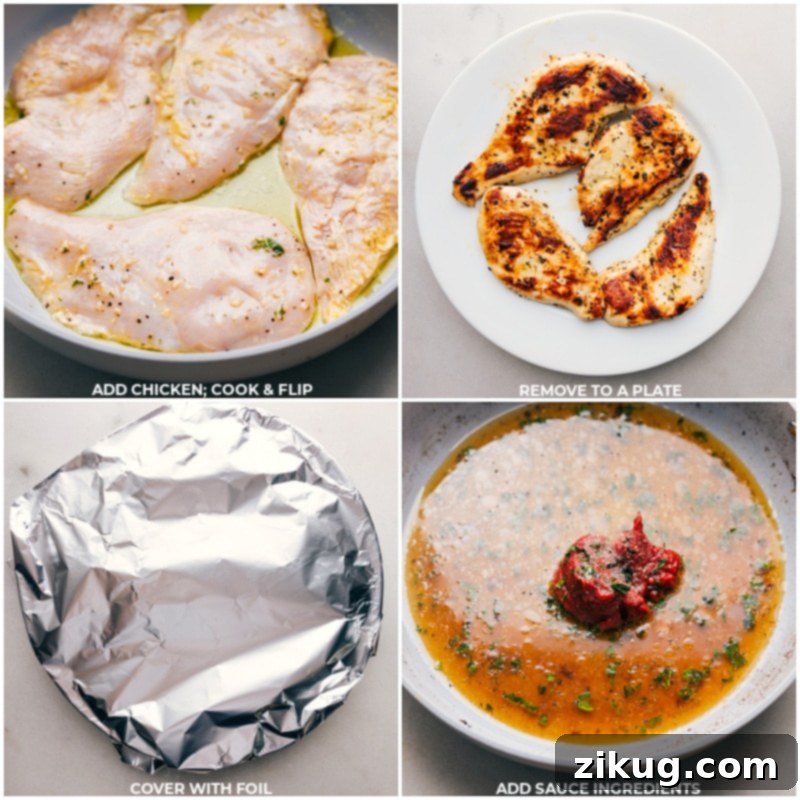
- Prepare and Marinate the Chicken: Begin by slicing each chicken breast in half widthwise to create thinner, more uniformly sized pieces. This ensures even cooking and better absorption of the marinade. In a bowl, whisk together minced garlic, red wine vinegar, dried basil, olive oil, and a generous pinch of salt and pepper. Add the chicken to a resealable bag or a shallow dish, pour the marinade over, and ensure each piece is well coated. Let it marinate for at least 30 minutes in the refrigerator, or for an even deeper flavor, leave it overnight. This step is crucial for tenderizing the chicken and infusing it with aromatic notes.
- Sear the Marinated Chicken: Once marinated, remove the chicken from the bag, allowing any excess marinade to drip off. Heat a large nonstick skillet over medium-high heat with a couple of tablespoons of olive oil. When the oil shimmers, carefully place the chicken pieces into the hot pan in a single layer, ensuring not to overcrowd the skillet. Sear the chicken for about 4-6 minutes per side, until it develops a beautiful golden-brown crust and is cooked through to an internal temperature of 160°F (it will reach 165°F with residual heat). Remove the cooked chicken from the pan and set it aside, lightly tented with foil to keep it warm and juicy.
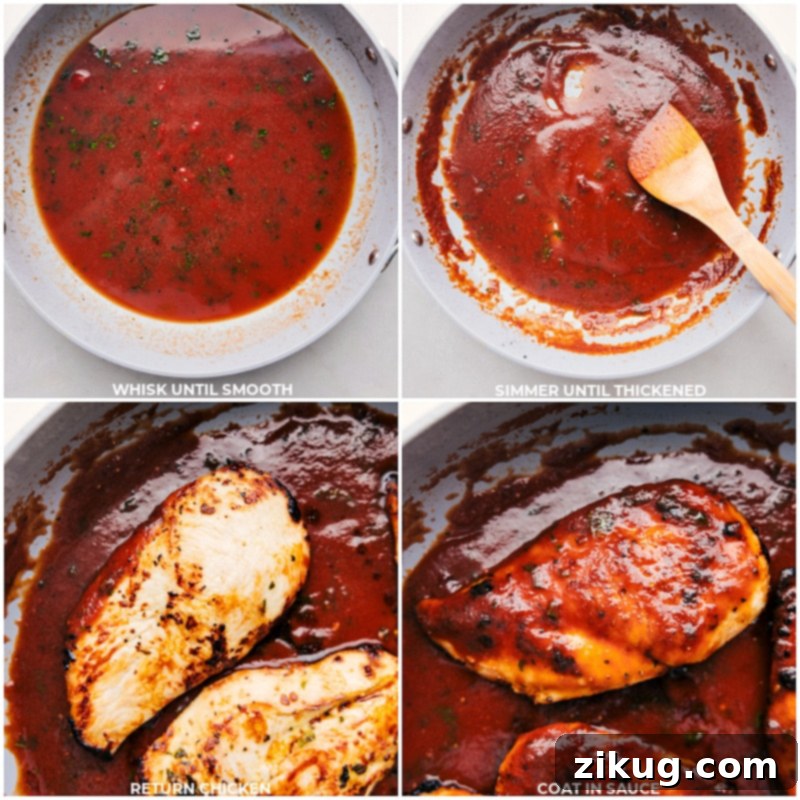
- Craft the Aromatic Tomato Sauce: Using the same pan, which now holds delicious caramelized bits from the chicken, reduce the heat to low. Add the tomato paste, chicken broth, a pinch of granulated sugar (if using), and more dried basil. Whisk continuously until the mixture is smooth and well combined, ensuring there are no lumps of tomato paste. Season with salt and pepper to taste. Gradually increase the heat to medium-low, bringing the sauce to a gentle simmer.
- Simmer and Finish: Allow the sauce to simmer for a few minutes, stirring occasionally, until it thickens slightly to your desired consistency. For an even richer, more complex flavor, you can let it gently simmer for up to 30 minutes on low heat. If the sauce becomes too thick, simply add a splash more chicken broth to thin it out. Once the sauce has reached perfection, return the seared chicken pieces to the pan. Spoon the luscious tomato basil sauce generously over the chicken, allowing it to warm through for another minute or two.
- Serve with Flair: To elevate your Tomato Basil Chicken, serve it immediately with optional balsamic glaze drizzled over the top, a sprinkle of freshly shaved Parmesan cheese, and a garnish of vibrant fresh basil leaves. A touch of good quality extra-virgin olive oil can also be drizzled for added richness and flavor. This dish is wonderful on its own, or paired with your favorite sides for a complete and satisfying meal.
The Sweet Secret: Why Add Sugar to Tomato Sauce?
The idea of adding sugar to tomato sauce sometimes raises eyebrows, and it’s perfectly fine to omit it if you prefer. However, there’s a good reason for this culinary trick: a small amount of granulated sugar works wonders in balancing the flavors. Tomato paste, while rich and concentrated, can sometimes carry a distinct acidity or even a subtle bitterness. The sugar helps to counteract these notes, mellowing the tartness and creating a smoother, more rounded, and less sharp flavor profile for the sauce. If your tomatoes inherently taste sweet and lack bitterness, you might find the sweetener unnecessary. But for store-bought tomato paste, it’s often the secret ingredient that elevates the sauce from good to exceptional, enhancing its overall depth and appeal.
Expert Tips for the Best Tomato Basil Chicken
To ensure your Tomato Basil Chicken is consistently delicious and perfectly cooked, keep these expert tips in mind:
- Don’t Overcrowd the Pan: When searing the chicken, work in batches if necessary to avoid overcrowding the skillet. Crowding lowers the pan’s temperature, steaming the chicken instead of searing it, which prevents that desirable golden-brown crust from forming.
- Achieve Uniform Thickness: Pounding your chicken breasts to an even thickness (about ½-¾ inch) is crucial. This ensures the chicken cooks evenly and quickly, preventing some parts from drying out while others are still raw.
- Marinate for Maximum Flavor: While 30 minutes is the minimum, marinating the chicken for several hours or overnight truly deepens the flavors and tenderizes the meat. Plan ahead for the best results!
- Taste and Adjust the Sauce: Don’t be afraid to taste your sauce as it simmers. Adjust seasonings (salt, pepper, sugar) to your preference. A perfectly balanced sauce can make all the difference.
- Fresh Basil for Finish: Although dried basil is excellent for simmering in the sauce, always reserve a generous amount of fresh basil to stir in at the very end or garnish before serving. This preserves its vibrant color and pungent aroma.
- Use a Meat Thermometer: For perfectly cooked chicken every time, use an instant-read meat thermometer. Chicken is safely cooked at 165°F (74°C). Removing it at 160°F (71°C) and letting it rest allows carryover cooking to finish the job, resulting in juicier chicken.
What To Serve With Tomato Basil Chicken: Complementary Sides
This versatile Tomato Basil Chicken pairs beautifully with a variety of sides, making it easy to create a complete and satisfying meal. Here are some of my favorite accompaniments:
- Pasta: A classic pairing! Delicate angel hair pasta is my top choice for soaking up every last drop of the rich tomato basil sauce. Alternatively, couscous, with its tiny, fluffy grains (actually a form of pasta!), offers a lighter yet equally satisfying base.
- Rice: For a gluten-free option, serve this chicken with a bed of fluffy white rice, aromatic garlic rice, or wholesome brown rice. Hearty grains like farro or a savory pilaf also work wonderfully to complement the flavors.
- Bread: Don’t let a single drop of that incredible sauce go to waste! Crusty Italian bread or warm, buttery garlic bread is absolutely perfect for mopping up every bit of the leftover sauce.
- Salad: Add a refreshing contrast with a crisp, fresh Garden Salad. For an extra touch of Italian flair, a vibrant Caprese Salad with fresh mozzarella, tomatoes, and basil is an exquisite choice.
- Vegetables: Boost the nutrition with your favorite vegetables. Try grilled, roasted, or steamed options like tender broccoli, crisp-tender asparagus, delicate zucchini, or colorful bell peppers.
Marinade vs. Marinate: A Quick Grammar Tip for Foodies
Ever wondered about the difference between “marinade” and “marinate”? It’s a common point of confusion! “Marinade,” spelled with a ‘d’ at the end, is a noun. It refers to the savory, seasoned liquid mixture itself—the blend of spices, herbs, oils, and acids designed to flavor and tenderize food. For example, “I prepared a delicious citrus marinade.” On the other hand, “marinate,” spelled with a ‘t’ at the end, is a verb. It describes the action or process of soaking food in that flavorful liquid. So, you add the *marinade* to a bowl, and then you let the chicken *marinate* in it. Understanding this subtle distinction can make your recipe conversations just a little bit more precise!
Storage and Leftovers: Enjoy Your Tomato Basil Chicken Later
Planning for Leftovers? Here’s How to Store Them:
This Tomato Basil Chicken recipe is so delicious, you might not have many leftovers! But if you do, it reheats beautifully. Properly storing your cooked chicken and sauce ensures you can enjoy its fantastic flavors for days to come.
- Refrigeration: Once the Tomato Basil Chicken has cooled completely to room temperature (within 2 hours of cooking), transfer both the chicken and the sauce together into an airtight container. It can be safely refrigerated for up to 3 days. When ready to reheat, gently warm on the stovetop over low heat, or in the microwave, adding a splash of chicken broth if the sauce has thickened too much.
- Freezing for Longer Storage: For extended preservation, it’s best to freeze the chicken and sauce separately. Once cooled, place the chicken pieces in a freezer-safe container or bag. Store the sauce in another airtight, freezer-safe container. This allows for better texture preservation for both components. It can be frozen for up to 3 months. To use, thaw overnight in the refrigerator, then reheat as directed for refrigerated leftovers. This is a fantastic option for meal prepping and having a delicious, homemade meal ready to go on busy days.
Frequently Asked Questions (FAQ)
Here are answers to some common questions about making this delightful Tomato Basil Chicken:
Can I use chicken thighs instead of breasts?
Absolutely! Boneless, skinless chicken thighs are a fantastic alternative. They tend to be more forgiving and stay juicier than breasts. If using thighs, there’s no need to halve them; simply marinate and cook them whole, adjusting cooking time slightly if they are very thick. The rich flavor of thighs pairs wonderfully with the tomato-basil sauce.
What if I don’t have fresh basil for garnish?
While fresh basil truly elevates the dish with its vibrant aroma and flavor, you can still make a delicious meal without it. You can omit the fresh garnish entirely, or sprinkle a tiny bit more dried basil over the top just before serving. However, for the best experience, try to get some fresh basil if possible!
Can I make this dish spicier?
Yes, easily! To add a kick, you can include a pinch of red pepper flakes to the marinade or the sauce while it simmers. Adjust the amount to your preferred spice level. A dash of hot sauce stirred into the sauce at the end also works.
Is this recipe dairy-free?
The base recipe for the chicken and sauce is dairy-free. The shaved Parmesan cheese is an optional topping. If you need to keep the dish dairy-free, simply skip the Parmesan cheese garnish at the end.
Can I add other vegetables to the sauce?
Definitely! This recipe is very adaptable. Feel free to sauté some diced onions, bell peppers, mushrooms, or even spinach in the pan after removing the chicken and before adding the tomato paste. Cook them until tender, then proceed with the sauce steps. This is a great way to boost the vegetable content and customize the meal.
Why is there sugar in the sauce? Is it necessary?
As mentioned in our quick tip, the sugar helps to balance the acidity and potential bitterness of the tomato paste, resulting in a smoother, more rounded flavor. It’s often not about making the sauce sweet, but about perfecting the overall balance. You can omit it if you prefer, especially if you’re using very sweet, ripe tomatoes, but it often enhances the depth of flavor significantly.
More Delicious Italian Chicken Recipes: Expand Your Culinary Repertoire
If you loved this Tomato Basil Chicken, you’re in for a treat! Explore more of our fantastic Italian-inspired chicken dishes that are easy to make and packed with incredible flavor. These recipes are perfect for expanding your weekly meal plan.
Dinner
Baked Ziti With Chicken
Pasta And Pizza
Tuscan Chicken Pasta Recipe (ONE PAN!)
Pasta And Pizza
Chicken Parmesan Pasta
Pasta And Pizza
Chicken Alfredo Recipe
Print Recipe
Tomato Basil Chicken
Chelsea Lords
15 minutes
15 minutes
30 minutes
1 hour
4 servings
Equipment
-
Resealable plastic bag gallon-sized
-
Large nonstick pan
Ingredients
- 3 tablespoons olive oil
- 2 tablespoons red wine vinegar
- 1 teaspoon dried basil (see Note 1 below for basil tips)
- 2 cloves garlic minced
- Salt and pepper (to taste)
- 2 tablespoons olive oil (for searing)
- 1 pound boneless, skinless chicken breasts (2 large, halved horizontally)
- 1/4 cup tomato paste
- 1 cup chicken broth
- 1/2 teaspoon granulated sugar (optional, see Quick Tip above)
- 1 teaspoon dried basil
- Toppings as desired (see Note 2 below)
- Serving suggestions (see Note 3 below)
Instructions
-
In a small bowl, combine all marinade ingredients: 3 tablespoons olive oil, 2 tablespoons red wine vinegar, 1 teaspoon dried basil, 2 minced garlic cloves, and a generous seasoning of salt and pepper (about 1/2 teaspoon salt and 1/4 teaspoon pepper). Whisk until thoroughly combined.
-
Prepare the chicken: Slice each large chicken breast in half widthwise to create two thinner pieces. This will result in a total of four chicken pieces. If any pieces are uneven, gently pound them slightly to ensure uniform thickness for even cooking.
-
Marinate the chicken: Place the four chicken pieces into a gallon-sized resealable plastic bag. Pour the prepared marinade over the chicken, then seal the bag, pressing out any excess air. Gently knead the bag to ensure all chicken pieces are fully coated. Refrigerate for at least 30 minutes, or for optimal flavor and tenderness, marinate overnight (up to 24 hours). Flip the bag occasionally to keep the chicken thoroughly coated.
-
Sear the chicken: Remove the chicken from the marinade. Heat a large nonstick pan over medium heat and add 2 tablespoons of olive oil. Once the oil is hot and shimmering, transfer the chicken pieces to the pan in a single layer, ensuring they do not overlap. Cook the chicken for about 4–6 minutes on each side, until it’s golden brown and cooked through. An instant-read thermometer inserted into the thickest part should register 160°F (the chicken will continue to cook to 165°F while resting). Remove the cooked chicken to a plate and loosely tent it with foil to keep it warm. Reduce the pan heat to low.
-
Make the sauce: In the same pan, add the 1/4 cup tomato paste, 1 cup chicken broth, 1/2 teaspoon granulated sugar (if using), and 1 teaspoon dried basil. Season the sauce to taste with salt and pepper (I typically add about 1/2 teaspoon salt and 1/4 teaspoon pepper). Whisk the mixture until it’s smooth and well combined. Increase the heat slightly to medium-low.
-
Simmer the sauce: Allow the sauce to gently simmer for a few minutes until it thickens slightly to your desired consistency. If time permits, you can let it simmer for up to 30 minutes on low heat for a deeper, richer flavor. If the sauce reduces too much and becomes too thick, simply add a bit more chicken broth to thin it out.
-
Finish and serve: Return the seared chicken pieces to the pan, nestling them into the simmering sauce. Spoon the sauce generously over the chicken. Allow it to simmer for just one minute longer to warm the chicken through. Serve immediately.
-
Garnish and enjoy: To serve, drizzle with optional balsamic vinegar (or a pre-made balsamic glaze), add a sprinkle of freshly shaved Parmesan cheese, and garnish generously with fresh basil leaves. An optional final touch is a light drizzle of extra-virgin olive oil. Enjoy as is, or serve over pasta/couscous with hearty bread to soak up the delicious leftover sauce!
Recipe Notes
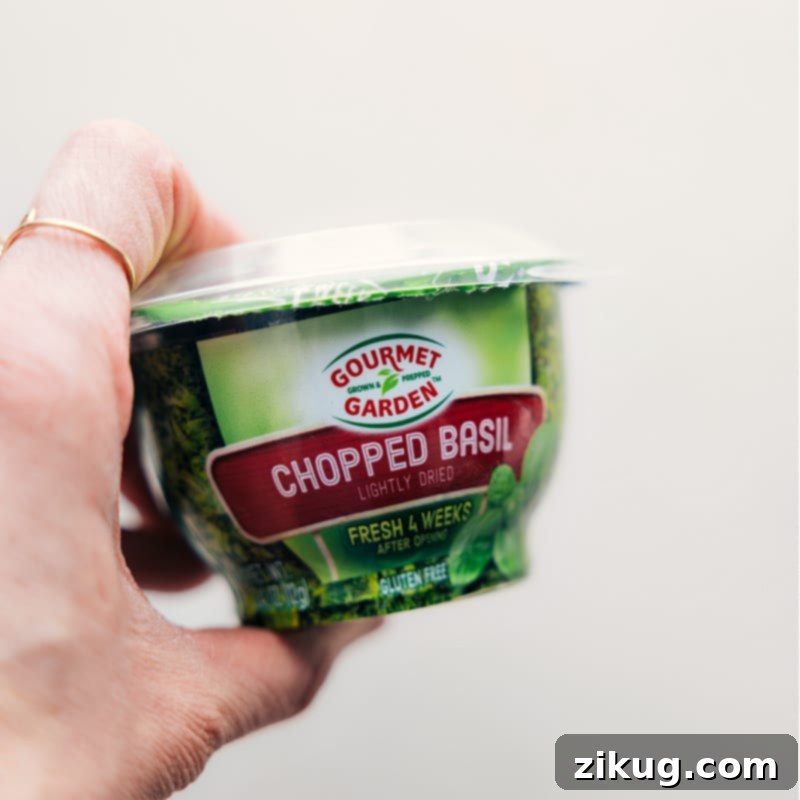
Note 1: Basil Choices for Best Flavor. Fresh basil leaves are delicate and tend to brown and lose their vibrant flavor when cooked for extended periods at high heat. This is why I recommend using dried basil or lightly dried chopped basil (often found in the refrigerated produce section of your grocery store) in the sauce during cooking. Dried basil reconstitutes beautifully and infuses the sauce with flavor. Always finish the dish with fresh basil leaves as a garnish for that unmistakable aromatic burst and beautiful color.
Note 2: Optional Toppings to Enhance Your Dish. Elevate your Tomato Basil Chicken with these delicious optional toppings. A drizzle of 2 tablespoons of balsamic vinegar (or a thicker balsamic glaze) adds a rich, complex, and slightly sweet-tart flavor that complements the tomatoes beautifully. For cheese, freshly grated Parmesan cheese is highly recommended. I prefer using a block of Parmesan and grating it yourself with a fine grater for the best texture and flavor. Abundant fresh basil leaves, chiffonaded (stacked, rolled, and thinly sliced), provide a vibrant, peppery freshness. Finally, a small drizzle of high-quality extra-virgin olive oil over the finished dish can add a lovely depth and smoothness that ties all the flavors together.
Note 3: Serving Suggestions for a Complete Meal. This Tomato Basil Chicken is incredibly versatile when it comes to serving. For a traditional pairing, couscous or any type of pasta, particularly angel hair, is fantastic for soaking up every bit of the delicious sauce. Couscous is a personal favorite in my home, as it cooks in minutes and serves as a perfect, quick accompaniment. If you prefer grains, serve it over white, brown, or garlic rice. Don’t forget hearty Italian bread or garlic bread for dipping into the flavorful sauce! For lighter options, a fresh garden salad or a side of roasted or steamed vegetables like broccoli, asparagus, zucchini, or bell peppers make excellent nutritious additions.
Storage: Store the chicken and sauce together in an airtight container in the fridge for 2-3 days. For longer storage, freeze the sauce and chicken separately in freezer-safe containers for up to 3 months. Thaw overnight in the refrigerator before reheating.
Nutrition Information (Approximate)
Serving: 1 serving | Calories: 308 kcal | Carbohydrates: 5g | Protein: 25g | Fat: 21g | Saturated Fat: 3g | Polyunsaturated Fat: 2g | Monounsaturated Fat: 14g | Trans Fat: 0.01g | Cholesterol: 74mg | Sodium: 480mg | Potassium: 618mg | Fiber: 1g | Sugar: 3g | Vitamin A: 289 IU | Vitamin C: 5mg | Calcium: 28mg | Iron: 2mg
Nutrition information is automatically calculated and is an approximation. Values may vary based on specific ingredients and preparation methods.
Loved this recipe? Leave a comment below!