
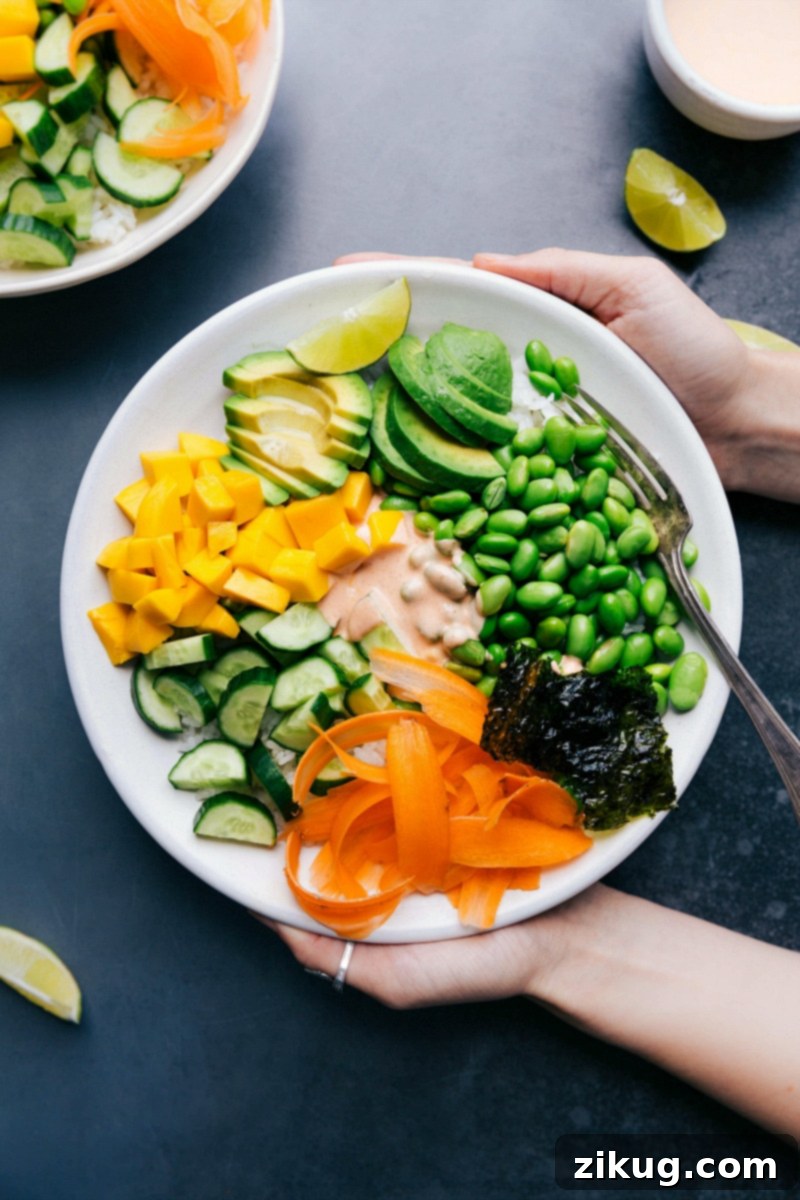
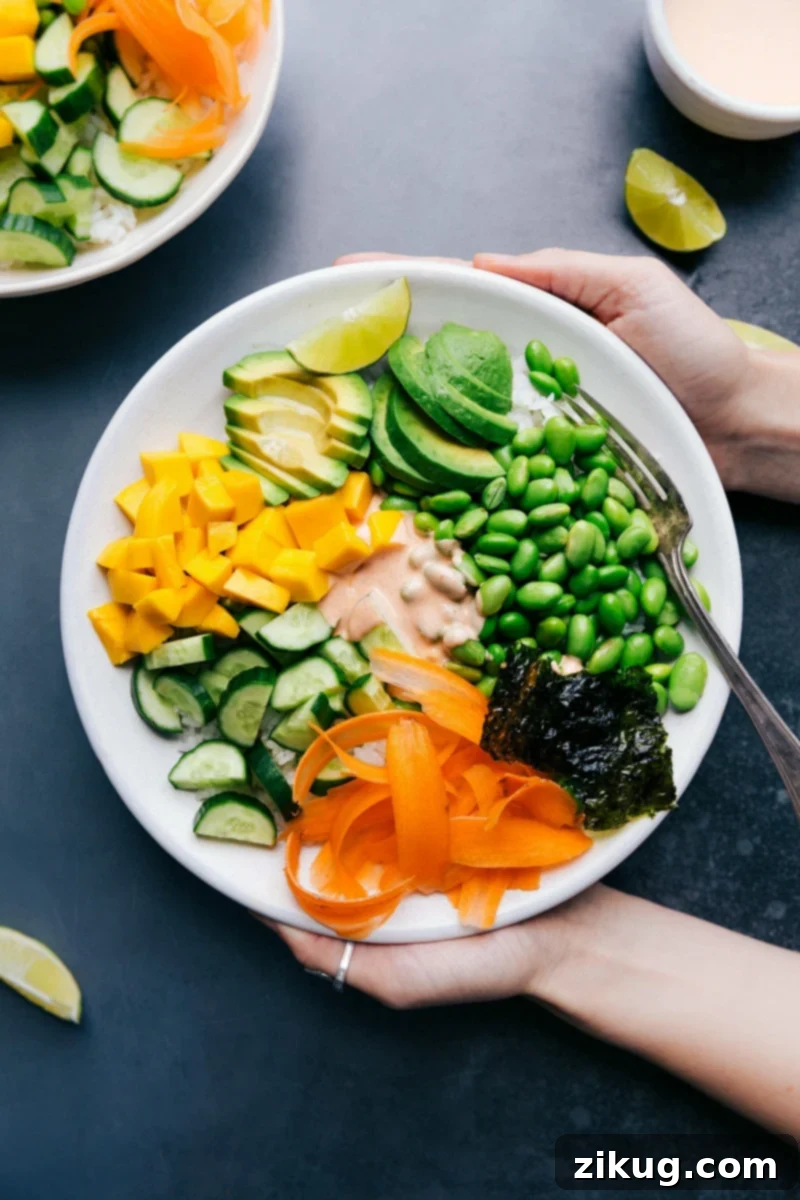
Vegetarian Sushi Bowls offer a delightful, deconstructed take on classic sushi, bringing together a vibrant medley of fresh flavors and textures. Imagine fluffy sushi rice, creamy avocado, crisp cucumbers, sweet, ripe mango, and protein-packed edamame, all beautifully arranged and crowned with a luscious, spicy sriracha mayo. These bowls are not just a meal; they’re an experience, perfect for a quick, healthy, and incredibly satisfying lunch or dinner.

Author’s Note
Ditch the Takeout, Embrace Homemade Sushi Bowls!
My husband is a true sushi aficionado, but if I’m being honest, the art of rolling traditional sushi can be quite time-consuming and a bit challenging to master perfectly at home. However, these Vegetarian Sushi Bowls? They are an absolute game-changer! I find myself wanting to make them all the time because they simplify the entire sushi experience without sacrificing any of the incredible flavors or fresh ingredients we love.
The beauty of these bowls lies in their effortless assembly. You can have them ready in mere minutes – no intricate rolling, no delicate shaping, just a straightforward layering of delicious components. While you might initially wonder about the protein content in a meat-free dish, rest assured, the edamame and nutrient-rich seaweed provide a fantastic and satisfying boost. This makes them a wonderfully balanced and wholesome meal option.
Despite being deconstructed, these bowls undeniably capture that classic sushi essence. They begin with perfectly seasoned sushi rice, which provides that signature slightly sweet and tangy base, and are elevated with a super simple, yet incredibly flavorful, four-ingredient spicy mayo that ties everything together. So this week, skip the expensive takeout, save some money, and savor all those beloved sushi flavors in the comfort of your own kitchen, effortlessly.
The Foundation: Perfect Sushi Rice for Your Bowls
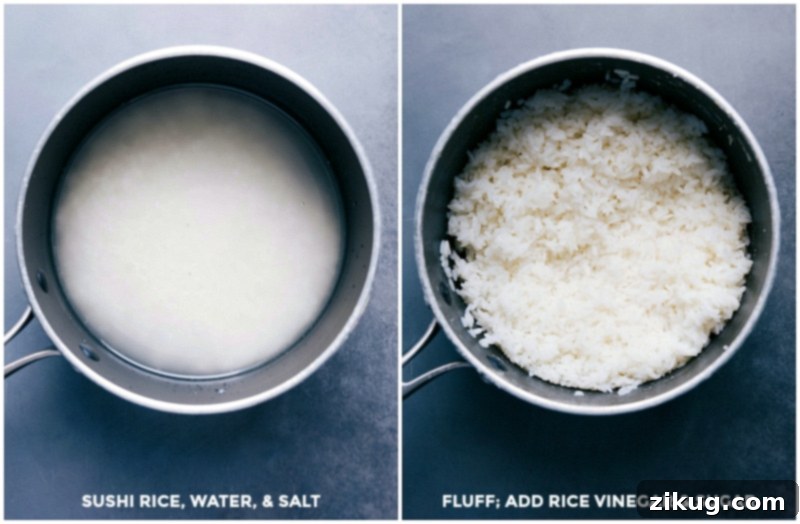
Sushi rice is the heart and soul of any great sushi dish, and these bowls are no exception. It’s a special short-grain rice prepared with a distinctive vinegar-based seasoning, typically a blend of rice vinegar, sugar, and salt. This unique preparation is what gives sushi rice its characteristic slightly sweet, tangy, and incredibly sticky texture – a crucial element that distinguishes it from other rice varieties.
For these Vegetarian Sushi Bowls, using short-grain rice is absolutely essential. Its inherent starchiness is what allows the grains to stick together beautifully without becoming mushy, providing that satisfying mouthfeel we associate with sushi. Other types of rice, such as long-grain or medium-grain varieties, simply won’t yield the same desirable sticky consistency. I personally recommend Calrose® rice, a popular medium-grain variety often used as sushi rice, known for its versatility and ideal texture. However, any high-quality short-grain rice specifically labeled as “sushi rice” will work wonderfully. Don’t be tempted to substitute with jasmine or basmati rice; while delicious in their own right, they lack the necessary stickiness for this recipe.
**Pro Tips for Flawless Sushi Rice:**
- **Rinsing is Key:** Don’t skip this step! Place your rice in a fine-mesh strainer and rinse it thoroughly under cold running water until the water runs completely clear. This removes excess starch, preventing the rice from becoming overly gummy.
- **Soaking for Perfection:** If time allows, soak the rinsed rice for 20-25 minutes before cooking. This helps the grains absorb water evenly, resulting in a more tender and consistent cook.
- **Achieving the Right Texture:** After cooking, your sushi rice should be fluffy, plump, and firm, with each grain just sticking together. It should never be mushy or overly dry. The goal is a perfect balance of tenderness and chewiness that holds its shape.
- **Gentle Seasoning:** When adding the vinegar mixture, do so gently. Use a cutting motion with a rice paddle or wooden spoon to fold it in, being careful not to mash the grains. This ensures even seasoning without damaging the delicate texture of the cooked rice.
The Zest: Crafting the Irresistible Spicy Mayo
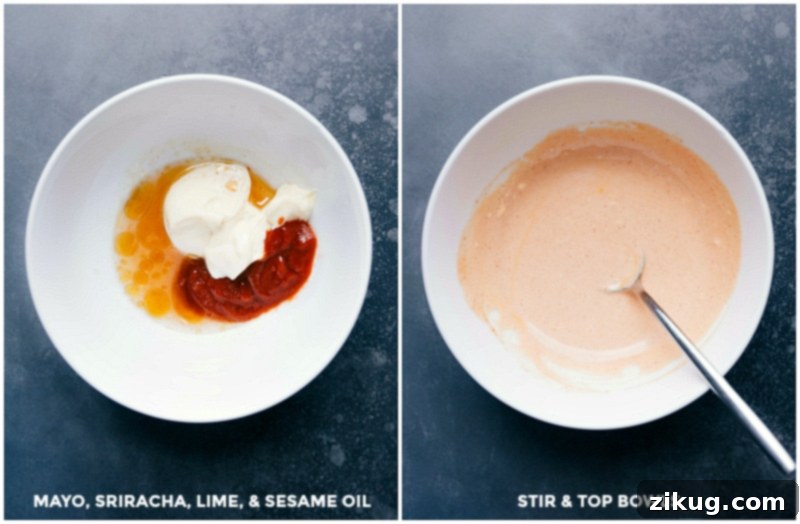
No sushi bowl is truly complete without a generous drizzle of a creamy, spicy sauce, and our four-ingredient sriracha mayo is simply divine. This vibrant sauce provides the perfect tangy kick and a touch of heat, beautifully complementing the fresh flavors of your Vegetarian Sushi Bowls. If you’re anything like me and love a little extra something, don’t hesitate to double the recipe – you’ll thank yourself later!
- **Mayonnaise (Mayo):** The foundation of our creamy sauce. The quality of your mayonnaise significantly impacts the overall flavor, so opt for a brand you love. I’m a big fan of Hellman’s/Best Foods for its rich, consistent texture and balanced taste, which provides the ideal base for the other ingredients to shine.
- **Sriracha®:** This beloved chili sauce is what brings the signature heat and a wonderfully complex, garlicky flavor to the mayo. Its vibrant red hue also adds a pop of color. I recommend adding Sriracha slowly, tasting as you go, as its spiciness can intensify over time. Start with a smaller amount and gradually increase to your personal heat preference – whether you like a mild tingle or a fiery kick, it’s totally customizable!
- **Sesame Oil:** Just a touch of toasted sesame oil goes a long way in adding a deep, nutty, and distinctly Asian-inspired aroma and flavor. It provides an extra layer of complexity that elevates the sauce from good to truly exceptional, making it incredibly aromatic and appealing.
- **Lime Juice:** Freshly squeezed lime juice is the secret ingredient that balances the richness of the mayo and the heat of the sriracha. Its bright, zesty tang cuts through the creaminess, adding a refreshing acidity that prevents the sauce from feeling heavy and enhances all the other flavors in the bowl.
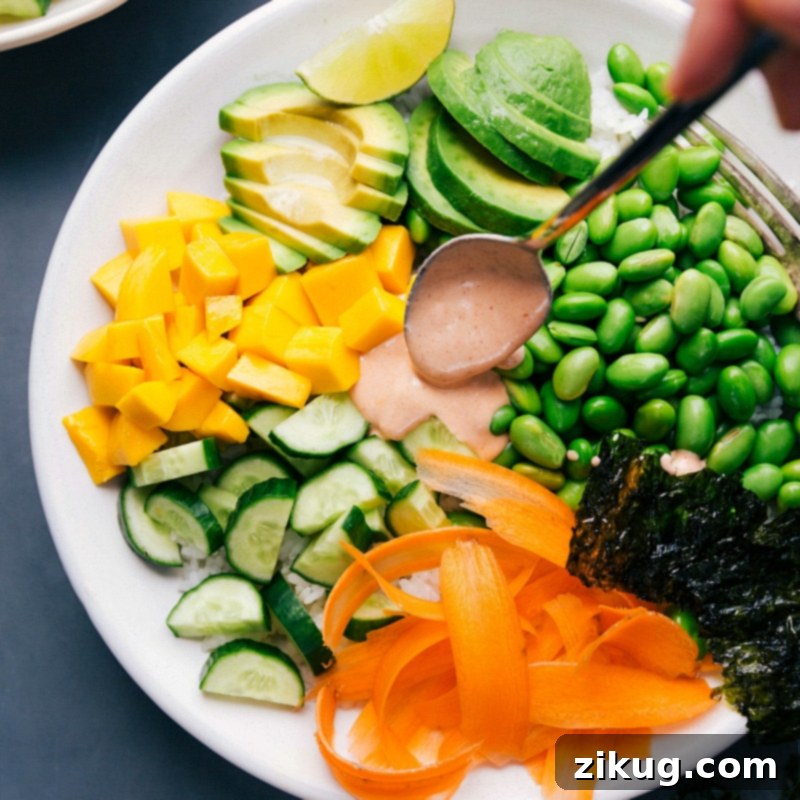
The Artful Arrangement: Vibrant Vegetarian Sushi Bowl Toppings
The true beauty of Vegetarian Sushi Bowls lies in their endless possibilities for colorful, fresh, and flavorful toppings. Each ingredient adds a unique texture and taste, creating a harmonious and satisfying bite every time. Here’s a breakdown of our favorite toppings and how to prepare them for optimal enjoyment:
- **Sweet Mango and Creamy Avocado:** These two ingredients are non-negotiable for a truly authentic and delicious sushi bowl experience. For mangoes, I highly recommend using Honey mangoes (also known as Ataulfo mangoes). Their exceptionally sweet, buttery flesh and smooth, non-fibrous texture are simply unparalleled. If you’re new to cutting mangoes, check out this helpful guide for how to cut a mango perfectly. For avocados, ensure they are perfectly ripe – creamy, soft but not mushy, and with a vibrant green hue. Ripe avocado adds a luxurious creaminess that is essential.
- **Crunchy Cucumber and Delightful Carrot Ribbons:** These provide a refreshing crunch and a pop of color. For cucumbers, opt for Persian or English varieties; they are typically crisper, sweeter, and have fewer seeds than standard cucumbers, making them ideal for slicing into thin, appealing half-moons. To elevate your carrots, transform them into elegant ribbons: simply use a vegetable peeler to shave a large carrot lengthwise, creating thin, pliable strips that add visual appeal and a delicate texture.
- **Nutritious Edamame:** These vibrant green soybeans are not only beautiful but also a fantastic source of plant-based protein, adding substance and a slightly nutty flavor to your bowls. I typically use frozen shelled edamame for convenience. After quickly cooking them, a sprinkle of salt is a must to bring out their natural sweetness and savory notes.
- **Crispy Seaweed Snacks:** These thin, roasted seaweed sheets add an authentic sushi flavor and an addictive umami crunch. Break them into smaller pieces and sprinkle them over your bowl just before serving for the best texture.
Quick Customization Tip
While these bowls are designed to be vegetarian, they are incredibly versatile! If you’re looking to add a touch of seafood without going full-on traditional sushi, consider incorporating some imitation crabmeat or cooked lump crabmeat, chopped into bite-sized pieces. It blends seamlessly with the other flavors and adds another layer of texture.
Why You’ll Fall in Love with Vegetarian Sushi Bowls
These deconstructed sushi bowls offer all the beloved flavors of traditional sushi rolls but with an incredible ease of preparation that makes them perfect for busy weeknights or a healthy meal prep solution. Here’s why they’ll quickly become a staple in your kitchen:
- **Effortless Assembly:** Say goodbye to complicated rolling mats and sticky situations. These bowls are simply layered, making them accessible to even beginner home cooks.
- **Fresh & Flavorful:** Bursting with vibrant fruits and vegetables, each spoonful is a delightful explosion of sweet, savory, tangy, and spicy notes.
- **Healthy & Wholesome:** Packed with nutrient-rich ingredients like avocado, edamame, and various veggies, they offer a satisfying and balanced meal. The plant-based nature makes them a fantastic choice for those looking for healthier dining options.
- **Highly Customizable:** Easily adapt to dietary preferences or what you have on hand. Swap out veggies, add different proteins, or experiment with various sauces.
- **Perfect for Meal Prep:** Components can be prepared ahead of time, allowing for quick assembly throughout the week.
Making it Your Own: Creative Customization Tips
One of the best aspects of Vegetarian Sushi Bowls is their incredible versatility. Feel free to experiment with different ingredients to suit your taste, use what’s in season, or cater to specific dietary needs.
- **Add More Veggies:** Consider shredded red cabbage, bell peppers (sliced thin), radish slices, or even blanched asparagus for extra crunch and nutrients.
- **Introduce New Flavors:** A sprinkle of toasted sesame seeds, chopped green onions, or a dash of furikake (Japanese rice seasoning) can add another dimension of taste and texture.
- **Boost Protein:** While edamame provides protein, you could also add baked tofu, tempeh, or even a vegan “tuna” made from chickpeas for more substance.
- **Alternative Sauces:** Beyond the spicy mayo, try a classic soy-ginger dressing, a creamy peanut sauce, or simply a drizzle of unagi (eel) sauce for a sweeter, savory glaze (ensure it’s vegetarian if desired).
- **Spice it Up:** For those who love extra heat, a pinch of red pepper flakes or a hotter chili garlic sauce mixed into the mayo can deliver an extra punch.
Serving Suggestions for Your Sushi Bowls
These Vegetarian Sushi Bowls are a complete meal in themselves, but you can enhance the dining experience with a few simple additions. Serve them immediately after assembly to enjoy the freshest textures and temperatures.
- **Extra Sauces:** Offer small bowls of extra soy sauce (or tamari for a gluten-free option), extra sriracha mayo, or a dash of wasabi paste on the side for those who like to customize their flavors.
- **Garnish with Herbs:** Fresh cilantro, mint, or thinly sliced green onions can add a burst of freshness and color.
- **Pair with Soup:** A light miso soup or a clear vegetable broth can be a wonderful accompaniment, especially on a cooler day.
- **Complement with Salad:** A simple side salad dressed with a ginger vinaigrette can round out the meal beautifully.
Frequently Asked Questions (FAQs) About Vegetarian Sushi Bowls
Got questions? We’ve got answers to help you master these delicious and healthy sushi bowls.
-
**Can I make sushi bowls ahead of time for meal prep?**
Absolutely! This is one of the best things about sushi bowls. Prepare the rice, cook the edamame, and chop all your vegetables. Store each component in separate airtight containers in the refrigerator. When you’re ready to eat, simply assemble a fresh bowl – this keeps all your ingredients at their peak freshness and prevents the rice from drying out or the avocado from browning. The sauce can also be made a few days in advance. -
**What if I don’t have short-grain rice?**
While short-grain rice is highly recommended for its sticky texture, if it’s truly unavailable, medium-grain rice (like Arborio) can be a distant second choice, though it won’t be quite as sticky. Avoid long-grain rice as it won’t achieve the desired consistency. For the best experience, it’s worth seeking out proper sushi or short-grain rice. -
**Are these bowls gluten-free?**
With a few modifications, yes! Ensure you use gluten-free soy sauce (tamari) and confirm that your sriracha and mayonnaise brands are gluten-free. Most common brands are, but always check labels. The rest of the ingredients are naturally gluten-free. -
**How long do leftovers last?**
If stored separately, the components (rice, cooked edamame, chopped veggies, sauce) can last for 3-4 days in airtight containers in the refrigerator. Once assembled, it’s best to consume the bowl within a day, mainly due to the avocado, which tends to brown quickly. -
**Can I make this recipe vegan?**
Yes! The only non-vegan ingredient is typically mayonnaise. Simply substitute with your favorite good-quality vegan mayonnaise to make the entire bowl plant-based.
Explore More Delicious Vegetarian Recipes:
Dinner
Hearty Quinoa Vegetarian Enchiladas
Dinner
Authentic Panang Curry Recipe (with Sweet Potatoes)
Dinner
The BEST Vegetarian Tacos You’ll Ever Make
Dinner
Crispy & Healthy Baked Falafel
Print Recipe
Vegetarian Sushi Bowl
Chelsea Lords
25
5
30
4
servings
Video
Equipment
-
Medium pot
-
Vegetable peeler
Ingredients
-
2
cups
sushi rice
or short-grain rice -
2-1/4
cups
water -
3
tablespoons
rice vinegar -
2
tablespoons
granulated sugar -
Salt
-
1/4
teaspoon
sesame oil -
1/4
cup
mayo
I love Hellman’s/Best Foods -
1
tablespoons
Sriracha
scale up or down to personal heat tolerance -
1
tablespoon
lime juice
-
2 to 3
honey mangoes
also called yellow or Ataulfo, see note 1 -
1
(12-ounce) bag
frozen shelled edamame -
1
large
avocado -
2 to 3
Persian cucumbers -
4
large
carrots -
1/4
cup
reduced-sodium soy sauce
optionally plus extra -
1
tablespoon
rice vinegar -
Seaweed sea salt snack
optional
Instructions
-
**Prepare the Sushi Rice:** Place the sushi rice in a fine-mesh strainer and rinse it thoroughly under cold water until the water runs clear. Gently tap out any excess water to ensure it’s well-drained, then transfer the rinsed rice to a medium pot. Add the measured 2-1/4 cups of water. Bring the water to a full, rolling boil over high heat, then immediately cover the pot, reduce the heat to its lowest setting, and let it simmer for 15 minutes. After 15 minutes, remove the pot from the heat but keep the lid on, allowing the rice to steam and stand undisturbed for another 15 minutes. This steaming process is crucial for achieving the perfect sticky texture.
-
**Season the Rice:** While the rice is resting, prepare the seasoning. In a small microwave-safe bowl, combine the rice vinegar, granulated sugar, and 1 teaspoon of salt. Microwave the mixture for 15–20 seconds, or just until it’s warm enough for the sugar to fully dissolve. Stir well to ensure there are no remaining sugar crystals. Once the rice has finished its cooking and standing time, carefully pour approximately one-third of this warm vinegar mixture over the rice. Using a rice paddle or wooden spoon, gently fold the seasoning into the rice with a cutting motion, being careful not to mash the grains. Repeat this process, adding the vinegar mixture in batches, until all of the seasoning has been evenly incorporated into the rice. Set the seasoned rice aside to cool slightly.
-
**Cook the Edamame:** Bring a pot containing about 6 cups of water to a rolling boil. Add 1 tablespoon of salt and the bag of frozen, shelled edamame to the boiling water. Cook for 2–3 minutes, or until the edamame is tender-crisp and bright green. Drain the edamame thoroughly using a colander and immediately toss it with an additional sprinkle of salt to taste, enhancing its natural flavor.
-
**Prepare the Spicy Mayo:** In a separate small bowl, whisk together the sesame oil, mayonnaise, sriracha sauce, and fresh lime juice until thoroughly combined and smooth. Start with the recommended amount of sriracha, then taste the sauce. If you prefer a spicier kick, gradually add more sriracha, whisking and tasting after each addition, until it reaches your desired heat preference.
-
**Prepare the Toppings:** Slice the cucumbers in half lengthwise, then cut them into thin half-moon shapes, approximately 1/4-inch thick. To create elegant carrot ribbons, lay a large carrot flat on a cutting board. Using a vegetable peeler, carefully peel along the length of the carrot to create long, delicate ribbons. Continue repeating this process, rotating the carrot as needed, until the carrot becomes too thin to peel further. Repeat with the remaining carrots. For the avocado, remove the peel and pit, then thinly slice or chop the flesh into bite-sized pieces. Peel the mango using a vegetable peeler, then carefully cut the two fleshy halves away from the large center pit. Dice these halves into uniform, bite-sized pieces.
-
**Create the Soy-Vinegar Drizzle:** In a very small bowl, combine the reduced-sodium soy sauce and 1 tablespoon of rice vinegar. Stir well to mix. This mixture will add an extra layer of umami and tang to the finished bowls.
-
**Assemble the Bowls:** Divide the prepared sushi rice evenly among four individual serving bowls. Artfully arrange the cooked edamame, carrot ribbons, sliced avocado, and cucumber over the rice in separate sections, creating a visually appealing presentation. Drizzle the soy sauce and rice vinegar mixture evenly over all the toppings. Finish each bowl with a generous amount of the spicy sriracha mayo, and scatter crispy seaweed snack sheets on top for an extra crunch and authentic flavor. Serve immediately and enjoy your homemade Vegetarian Sushi Bowls!
Recipe Notes
**Note 1: Selecting Perfectly Ripe Produce:** The success of these sushi bowls heavily relies on the quality and ripeness of your main fruit components. Perfectly ripe mangoes and avocados are absolute game-changers, contributing incredible sweetness and creamy texture.
**How to tell if an avocado is ripe:** Gently press around (not directly on) the stem end of the avocado. If it yields slightly to gentle pressure, it’s ripe and ready to eat. The “give” should feel similar to pressing the tip of your nose – firm yet yielding. Avoid avocados that are too hard (underripe) or too soft/mushy (overripe).
**How to tell if a mango is ripe:** Always judge mango ripeness by feel, not by color, as colors vary by variety. Squeeze the mango gently; a ripe mango will give slightly under pressure. It should feel firm but yielding. If it squishes down significantly, it’s likely overripe. A perfectly ripe mango will also often have a fragrant, sweet aroma near the stem end.
**Storage & Meal Prep:** To maximize freshness and flavor, store any leftover components of your sushi bowls in separate airtight containers in the refrigerator. Keep the seasoned sushi rice, individual chopped vegetables (cucumber, carrots, mango, avocado), and the spicy sriracha mayo apart. This prevents ingredients from getting soggy, losing their texture, or browning prematurely (especially avocado). When you’re ready to enjoy a fresh bowl, simply scoop out your desired portions and assemble them fresh. This method ensures each bowl tastes just as delicious as the first!
Nutrition
Serving:
1
serving
|
Calories:
760
kcal
|
Carbohydrates:
119
g
|
Protein:
21
g
|
Fat:
24
g
|
Saturated Fat:
4
g
|
Polyunsaturated Fat:
9
g
|
Monounsaturated Fat:
9
g
|
Trans Fat:
0.03
g
|
Cholesterol:
6
mg
|
Sodium:
1388
mg
|
Potassium:
1220
mg
|
Fiber:
14
g
|
Sugar:
26
g
|
Vitamin A:
11430
IU
|
Vitamin C:
56
mg
|
Calcium:
122
mg
|
Iron:
5
mg
Nutrition information is automatically calculated, so should only be used as an approximation.
Loved this recipe? Share your thoughts below!