
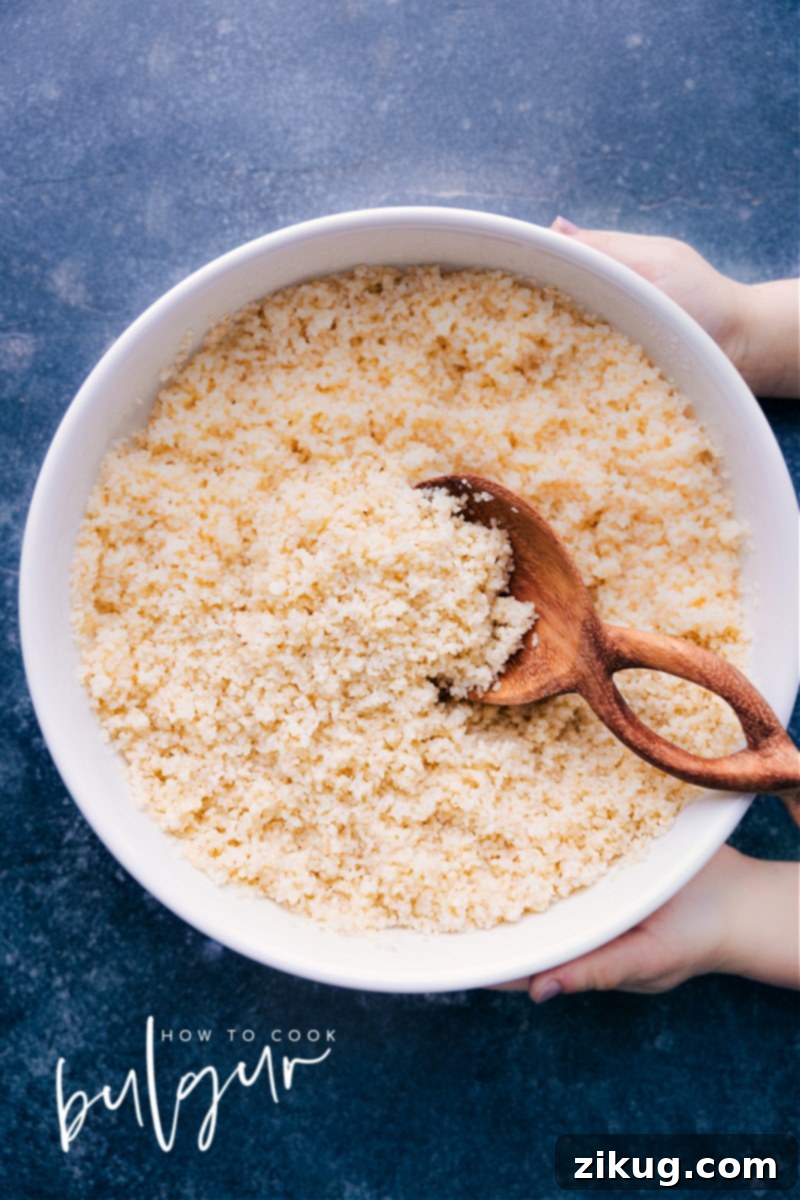
Mastering Bulgur Wheat: A Guide to Perfectly Fluffy Grains Every Time
Discover the secret to perfectly fluffy, flavorful, and never-mushy bulgur wheat with this comprehensive guide. Whether you’re a first-timer or looking to refine your technique, this quick and easy recipe is designed for success. Bulgur wheat is not only fast to prepare but also packed with essential nutrients, making it a versatile and healthy addition to countless meals. Say goodbye to bland side dishes and hello to a delicious, nutritious grain that will elevate your culinary creations.
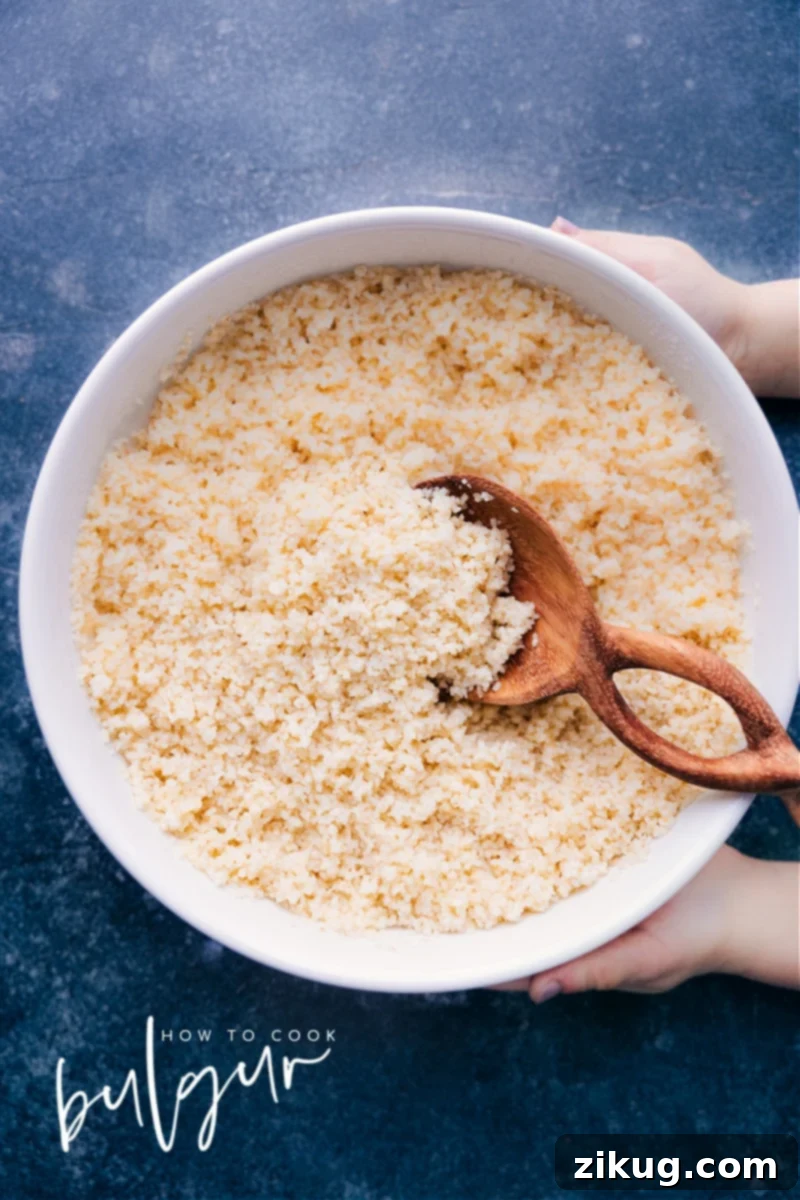
What Exactly Is Bulgur Wheat?
Bulgur wheat is a remarkably versatile whole grain produced from cracked durum wheat kernels that have been partially steamed, dried, and then cracked into various sizes. This pre-cooking process means bulgur requires minimal preparation, often just a simple soak in hot water, making it a fantastic quick-cooking grain. It’s a staple in Middle Eastern and Mediterranean cuisines, known for its distinctive slightly nutty flavor and satisfyingly chewy texture. Beyond its culinary appeal, bulgur is a nutritional powerhouse, offering an excellent source of dietary fiber, plant-based protein, and an array of essential vitamins and minerals.
Its natural, earthy flavor makes it an ideal base or accompaniment for a vast range of dishes, from light salads and hearty stews to flavorful side dishes. Bulgur has been a dietary cornerstone for centuries, valued not only for its taste but also for its ability to provide sustained energy and contribute to overall well-being. Incorporating bulgur into your meals is an easy way to boost your nutrient intake and explore diverse flavor profiles.
Why Bulgur Wheat is a Pantry Essential
Are you looking to break free from the monotony of traditional side dishes like rice or pasta? Bulgur wheat offers a refreshing change, bringing both robust flavor and impressive nutritional benefits to your table. Its earthy, slightly sweet, and nutty notes pair beautifully with an extensive array of ingredients and cuisines, making it incredibly adaptable. This adaptability is truly one of bulgur’s greatest strengths, allowing it to seamlessly integrate into virtually any meal plan.
Consider bulgur as a dynamic ingredient ready to transform your culinary repertoire:
- Vibrant Salads: Bulgur adds a delightful chewiness and hearty texture to greens, absorbing dressings and complementing fresh vegetables beautifully. Think Mediterranean-inspired salads with cucumbers, tomatoes, and herbs, or even a refreshing fruit-and-nut bulgur salad.
- Nourishing Grain Bowls: Create wholesome and satisfying grain bowls by using bulgur as your foundational layer. Top it with roasted or steamed vegetables, your favorite lean protein (chicken, fish, tofu, or legumes), and a drizzle of a flavorful sauce for a complete and balanced meal.
- Creative Breakfast Bowls: Don’t limit bulgur to lunch and dinner! It makes an excellent base for breakfast. Combine it with yogurt, fresh berries, sliced nuts, and a touch of honey for a sweet start to your day. For a savory twist, try it with sautéed greens, a poached egg, and a sprinkle of chili flakes.
- Hearty Soups and Stews: Add a spoonful or two of cooked bulgur to thicken soups and stews, imparting a wholesome texture and boosting their nutritional value. It’s particularly good in lentil soups or vegetable broths.
Its quick preparation time further solidifies bulgur’s status as a pantry hero, especially for busy individuals seeking healthy, convenient meal solutions.
Quick Culinary Inspirations
For more delicious ways to incorporate bulgur into your diet, explore some of our favorite recipes:
- This refreshing cucumber and apricot Bulgur Salad
- A timeless Middle Eastern classic: Tabouli (Tabbouleh)
- Or a surprisingly delightful personal favorite: Blueberry Corn Salad
Understanding Bulgur Coarseness Levels
Bulgur wheat is not a one-size-fits-all grain; it’s categorized into four distinct types based on its grind, ranging from very fine to very coarse. This variance in coarseness dictates both its cooking time and its ideal culinary applications. The texture refers simply to the size of the cracked wheat pieces after they have undergone their initial steaming and drying process.
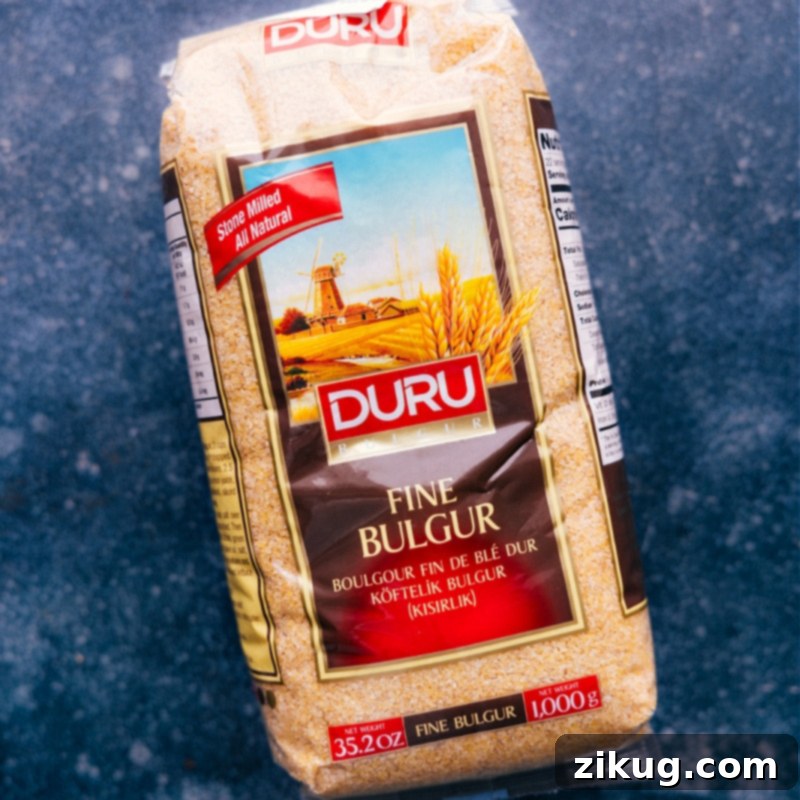
- Fine Bulgur: This is the quickest-cooking variety, typically rehydrating in just minutes with hot water. Its delicate texture makes it perfect for salads like tabbouleh, kishk, or as a component in various fillings and light side dishes. It’s often mistaken for couscous due to its small grain size.
- Medium Bulgur: Slightly larger than fine bulgur, this type offers a bit more bite. It’s excellent for adding texture to cereals, crafting veggie burgers, preparing traditional dolmas (stuffed vegetables), or making a wholesome porridge. Its versatility shines in dishes where you want a noticeable, yet tender, grain.
- Coarse Bulgur: With a more robust texture, coarse bulgur requires a longer cooking time, usually needing to be simmered. It’s highly suitable for heartier dishes such as pilafs, where it absorbs flavors beautifully, and as a stuffing for vegetables like bell peppers or zucchini, providing a satisfying chew.
- Very Coarse Bulgur: This is the largest and chewiest type of bulgur, demanding the longest cooking time, similar to rice. It excels in substantial pilafs, adds body to soups and stews, creates firm and flavorful veggie burgers, and is a key ingredient in traditional Syrian kibbeh, a savory ground meat and bulgur dish.
It is crucial to note that **this particular recipe for How To Cook Bulgur Wheat specifically utilizes fine bulgur.** The rapid rehydration method described here is tailored to its delicate structure. Attempting this method with coarser bulgur types will not yield the desired fluffy texture and may result in undercooked grains, requiring a different cooking approach such as simmering.
Bulgur’s Nutritional Powerhouse: Health Benefits and Comparison to Rice
When it comes to nutrition, bulgur wheat stands out as a superior choice compared to many other grains, even often surpassing brown rice in key areas. For instance, bulgur boasts more than twice the fiber content and an impressive four times as much folate as brown rice, highlighting its significant nutritional advantage. As a whole grain, bulgur offers a multitude of health benefits that make it an excellent staple in a balanced diet:
- Rich in Dietary Fiber: Bulgur is an exceptional source of both soluble and insoluble fiber. This high fiber content is crucial for promoting healthy digestion, preventing constipation, and maintaining bowel regularity. Fiber also contributes significantly to feelings of fullness, which can aid in appetite control and weight management.
- Supports Stable Blood Sugar Levels: With its low glycemic index (GI), bulgur helps to regulate blood sugar levels more effectively than refined grains. The slow release of glucose into the bloodstream prevents sharp spikes and crashes, providing sustained energy and making it a beneficial food choice for individuals managing diabetes or seeking to maintain consistent energy throughout the day.
- Packed with Essential Nutrients: Beyond fiber, bulgur is a good source of vital vitamins and minerals. It provides a notable amount of iron, essential for oxygen transport in the blood; magnesium, important for muscle and nerve function; and B vitamins (specifically B6 and B9, or folate), which play key roles in energy metabolism and cell growth.
- Beneficial for Weight Management: Due to its high fiber and protein content, bulgur is relatively low in calories while being incredibly satiating. This combination makes it an ideal food for those aiming for weight loss or maintaining a healthy weight, as it helps reduce overall calorie intake by keeping hunger at bay.
- Reduces Inflammation: Bulgur contains various antioxidants and anti-inflammatory compounds. Regular consumption of whole grains like bulgur can help combat chronic inflammation in the body, which is linked to a variety of chronic diseases.
- Promotes Heart Health: The potassium in bulgur contributes to healthy blood pressure levels, while its fiber helps reduce cholesterol. These factors collectively support cardiovascular health, decreasing the risk of heart disease. Furthermore, the overall profile of bulgur, as part of a whole-grain-rich diet, is often associated with improved heart function.
Incorporating bulgur into your meals is a simple and effective way to harness these impressive health benefits, making it a truly smart choice for a healthier lifestyle.
Storing and Reheating Cooked Bulgur Wheat
Proper storage and reheating ensure your cooked bulgur remains delicious and retains its ideal texture for subsequent meals. Handling it correctly prevents drying out and maintains its versatility.
- Storing: To keep cooked bulgur fresh, allow it to cool completely before transferring it to an airtight container. Store it in the refrigerator, where it will maintain its quality for up to **5 days**.
- Reheating: When you’re ready to enjoy your bulgur again, reheat it in the microwave. Transfer the desired portion to a microwave-safe dish and heat in 30-second intervals, stirring gently between each interval, until it is thoroughly warmed through.
If your bulgur has become a little dry during refrigeration, simply add a splash of water, vegetable broth, or olive oil before reheating. This small addition will help rehydrate the grains and restore their fluffy, appealing texture, making them just as enjoyable as when they were freshly cooked.
Creative Ways to Enjoy Cooked Bulgur Wheat
Once you’ve mastered cooking bulgur wheat, a world of culinary possibilities opens up. Its versatile nature allows it to be incorporated into a wide variety of dishes, adding texture, flavor, and nutrition.
- Enhance Your Salads: Elevate any green salad by tossing in cooked bulgur. Its nutty, chewy texture provides a fantastic counterpoint to crisp greens and fresh vegetables, while boosting the meal’s fiber and protein content.
- Build Nutrient-Rich Grain Bowls: Utilize bulgur as the flavorful and wholesome base for your customized grain bowls. Layer it with an assortment of roasted or raw vegetables, a source of protein (such as grilled chicken, chickpeas, or tofu), and a drizzle of your favorite dressing or sauce for a satisfying meal.
- Craft Delicious Burgers and Meatballs: Incorporate cooked bulgur as a binder in homemade veggie burgers, lentil patties, or even traditional meatballs. It adds texture and helps to hold everything together, providing an extra nutritional punch.
- Create Hearty Breakfast Bowls: For a nutritious start to your day, mix cooked bulgur with Greek yogurt, fresh fruit, a handful of nuts or seeds, and a touch of cinnamon or maple syrup. It’s a fantastic alternative to oatmeal or granola.
- Thicken Soups and Stews: Stir cooked bulgur into simmering soups and stews during the last few minutes of cooking. It will absorb some of the broth, adding body, heartiness, and an extra layer of texture to your comfort food favorites.
- Serve as a Simple Side Dish: Sometimes, simplicity is key. Serve perfectly cooked bulgur as a straightforward yet elegant side dish alongside grilled fish, roasted chicken, or any vegetable entree. A squeeze of lemon and fresh herbs can elevate it beautifully.
How To Cook Bulgur Wheat: Frequently Asked Questions (FAQs)
Where can I find bulgur wheat in the grocery store?
Bulgur wheat is typically located in the health food aisle, the bulk foods section, or sometimes near other grains like rice and quinoa in mainstream grocery stores. It might also be found in the international foods aisle, especially in stores with Middle Eastern or Mediterranean sections. If you’re having trouble locating it locally, ordering it online is a convenient option. Look for labels that say “cracked wheat” as it’s sometimes marketed under that name.
Do I need to soak bulgur wheat before cooking?
For fine bulgur, no soaking is required prior to cooking. The beauty of fine bulgur is its rapid rehydration. Simply pouring boiling water over it and allowing it to rest covered is sufficient for it to absorb the liquid and become perfectly tender and fluffy. Coarser grades of bulgur, however, may benefit from a brief rinse or a more extended simmer.
Is bulgur wheat gluten-free?
No, bulgur wheat is not gluten-free. It is made from durum wheat, which contains gluten. Therefore, individuals with celiac disease or gluten sensitivity should avoid bulgur wheat and opt for naturally gluten-free grains like quinoa, rice, or millet.
Can I cook bulgur wheat in a rice cooker?
While this recipe focuses on the stovetop method, you can generally cook bulgur wheat in a rice cooker using similar liquid-to-grain ratios. For fine bulgur, use a 1:1.5 ratio of bulgur to boiling water (e.g., 1 cup bulgur to 1.5 cups boiling water) and use the “white rice” setting. Always check your rice cooker’s manual and the bulgur packaging for specific instructions, as cooking times and water absorption can vary slightly by brand and coarseness.
Delicious Recipes Featuring Bulgur Wheat
Once you have perfectly cooked bulgur, it’s ready to be incorporated into a myriad of delicious dishes. Here are some ideas for using bulgur wheat in recipes where it can shine:
- Rice and Beans: Elevate this classic by replacing the rice with bulgur for a nuttier flavor and increased fiber.
- Caprese Quinoa Salad: Substitute the quinoa with bulgur to give this fresh salad a delightful new texture.
- Honey-Garlic Chicken Thighs: Serve these flavorful chicken thighs over a bed of fluffy bulgur instead of traditional rice.
- Cashew Chicken: Enjoy the rich flavors of cashew chicken by serving it over bulgur for a wholesome and satisfying meal.
- Quick Vegan Curry: Complement your quick vegan curry with a side of bulgur to soak up all the aromatic spices.
How To Cook Bulgur Wheat
Chelsea Lords
5 minutes
15 minutes
20 minutes
2-1/2 cups (6 servings)
Equipment
-
Small Pot
-
Wide, shallow bowl
Ingredients
-
3/4
cup
fine bulgur wheat
(see note 1 below) -
1-1/4
cups
boiling water -
3/4
teaspoon
salt
Instructions
-
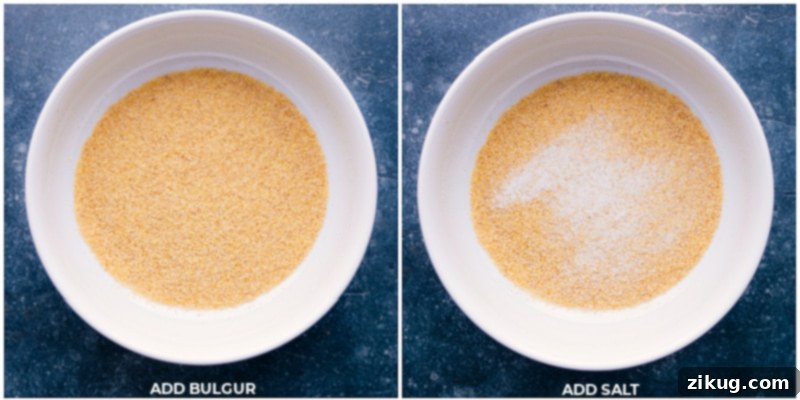
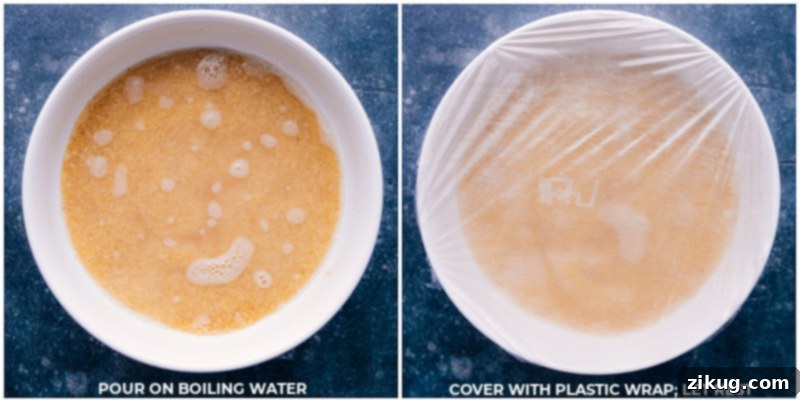
In a small pot, bring the specified amount of water to a rolling boil. While the water is heating, add the fine bulgur to a wide, shallow bowl. Sprinkle the salt evenly over the bulgur.
-
Carefully measure out 1-1/4 cups of the boiling water and pour it directly over the bulgur and salt in the bowl. Stir briefly to combine. Immediately cover the bowl tightly with plastic wrap or a snug-fitting lid.
-
Allow the bulgur to sit undisturbed at room temperature for 15 to 25 minutes. During this time, the bulgur will absorb all the hot water and become tender and fluffy. The exact time may vary slightly depending on the bulgur brand.
-
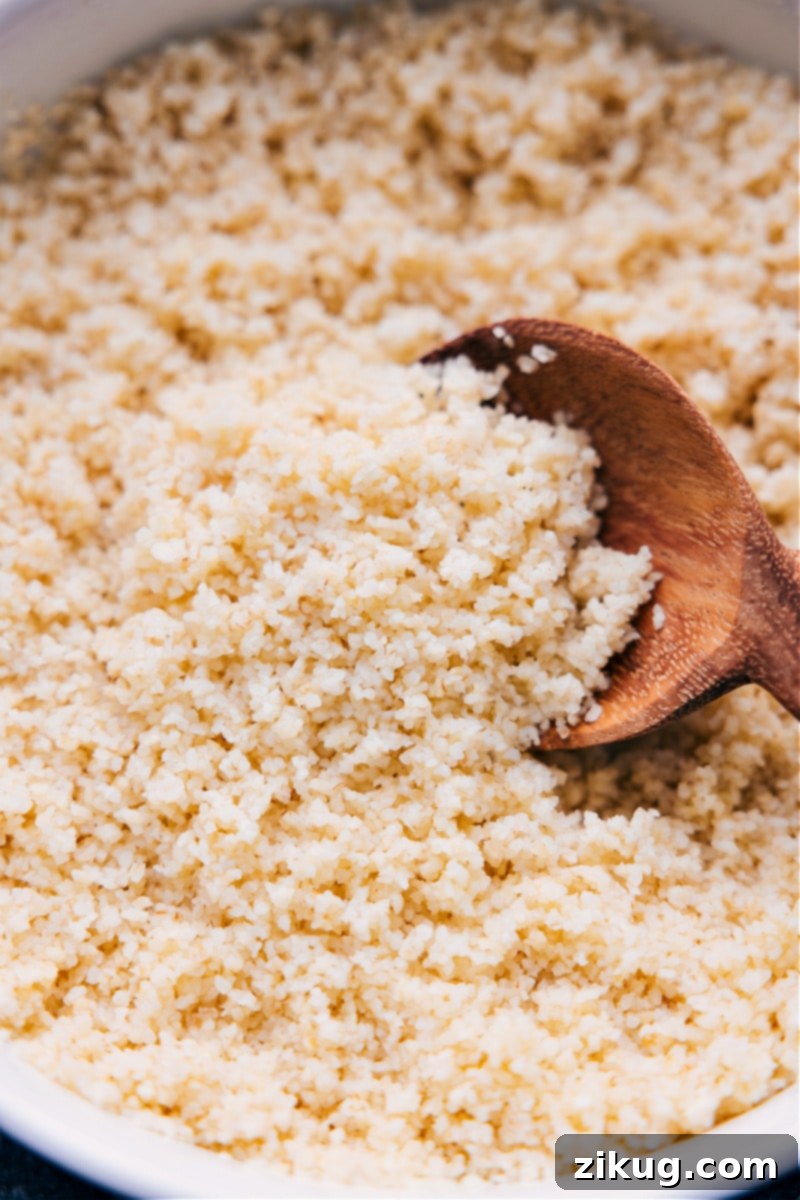
Once all the water is absorbed, remove the plastic wrap or lid. Using a fork, gently fluff the bulgur to separate the grains. Serve immediately as a delicious side dish, incorporate into a fresh salad, build a vibrant grain bowl, or enjoy as part of a breakfast bowl.
Recipe Notes
Note 2: Storage and Reheating Store any leftover cooked bulgur wheat in an airtight container in the refrigerator for up to 5 days. To reheat, transfer to a microwave-safe dish and warm in 30-second increments, stirring between each, until heated through. If it seems dry, add a tiny splash of water or broth before reheating to restore its moisture.
Nutrition Information (Approximate)
Serving: 1 serving |
Calories: 180 kcal |
Carbohydrates: 40 g |
Protein: 6 g |
Fat: 1 g |
Saturated Fat: 0.1 g |
Polyunsaturated Fat: 0.3 g |
Monounsaturated Fat: 0.1 g |
Sodium: 881 mg |
Potassium: 215 mg |
Fiber: 10 g |
Sugar: 0.2 g |
Vitamin A: 5 IU |
Calcium: 19 mg |
Iron: 1 mg
Nutrition information is automatically calculated and should be used as an approximation only.
Enjoyed this recipe? Share your thoughts in the comments below!