
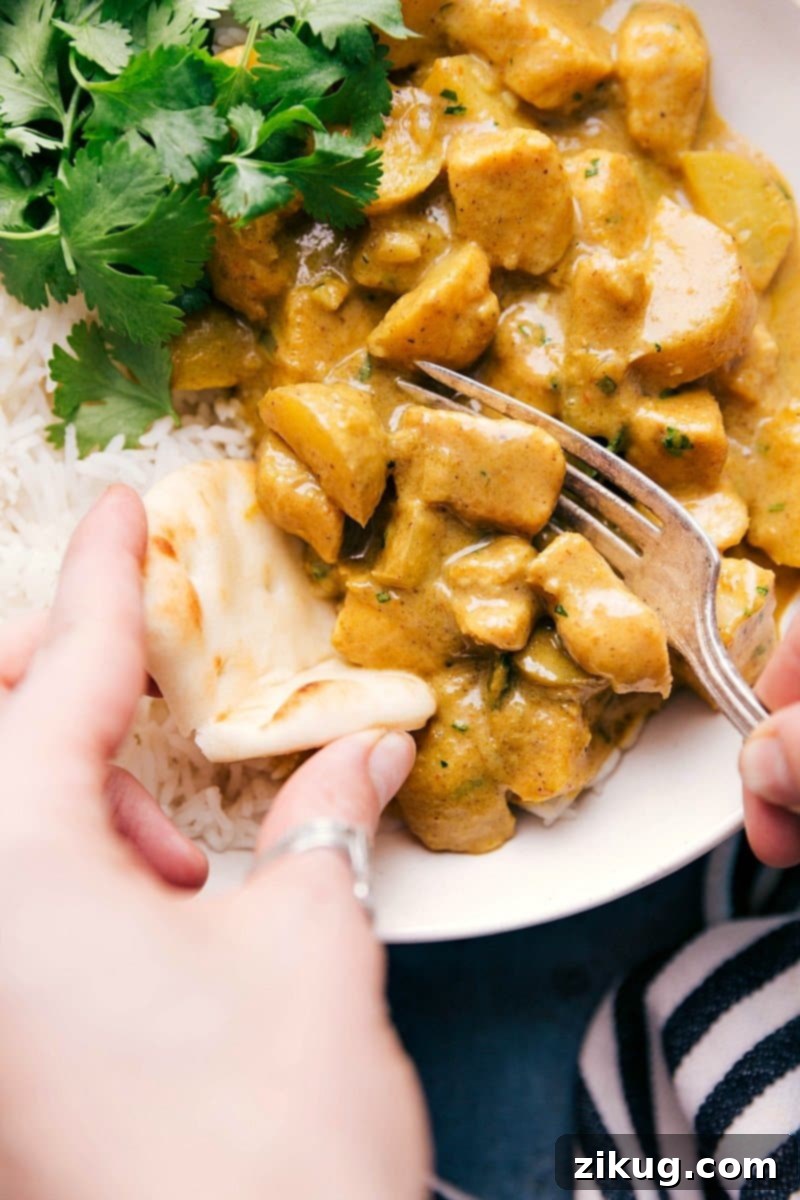
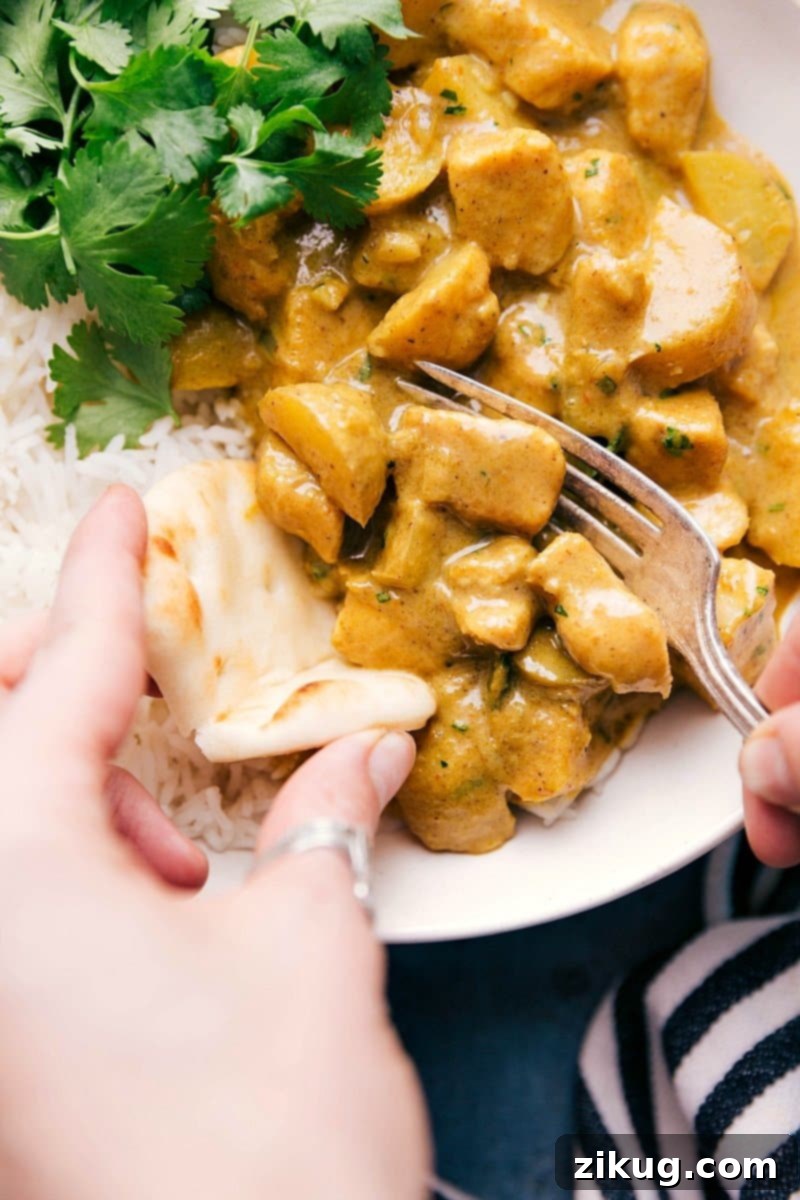
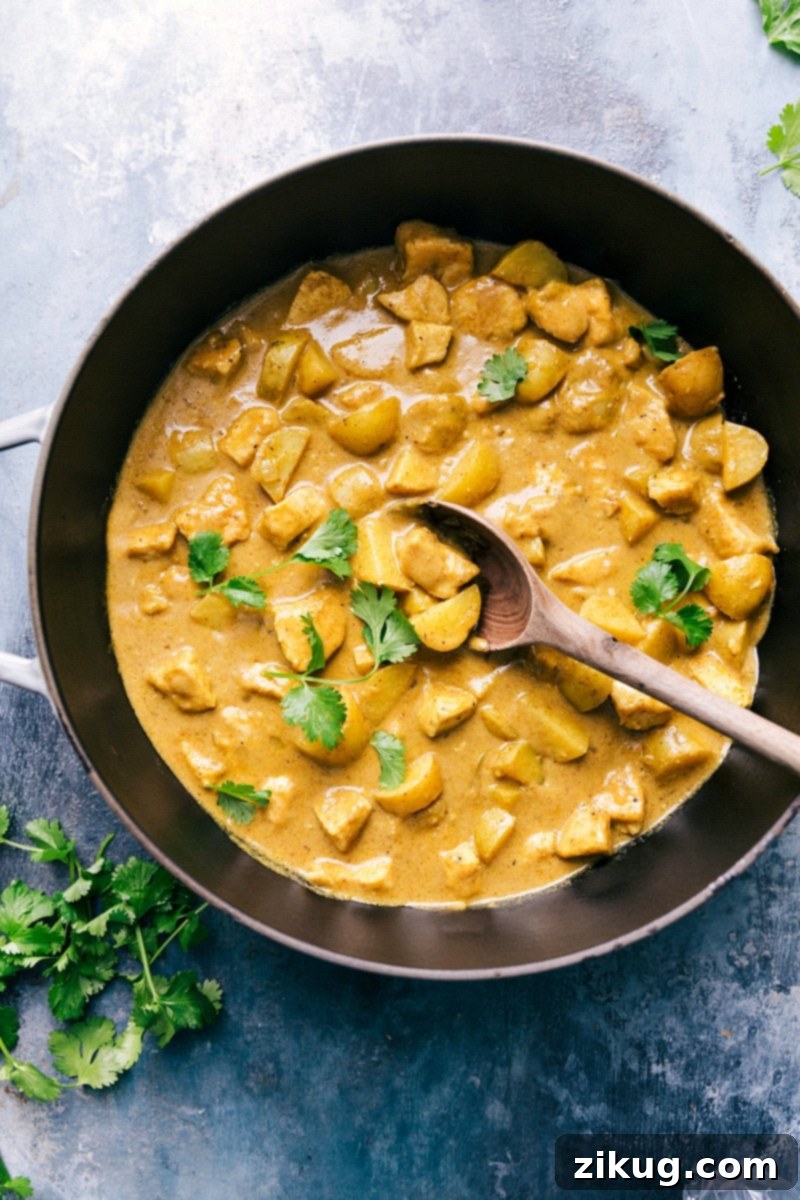
Yellow Chicken Curry with baby gold potatoes isn’t just a meal; it’s a culinary hug, a burst of vibrant flavor that promises pure comfort! This incredible method for crafting a truly authentic Thai yellow curry brings a restaurant-quality experience right to your kitchen in about 45 minutes or less, making it the perfect choice for a flavorful weeknight dinner.
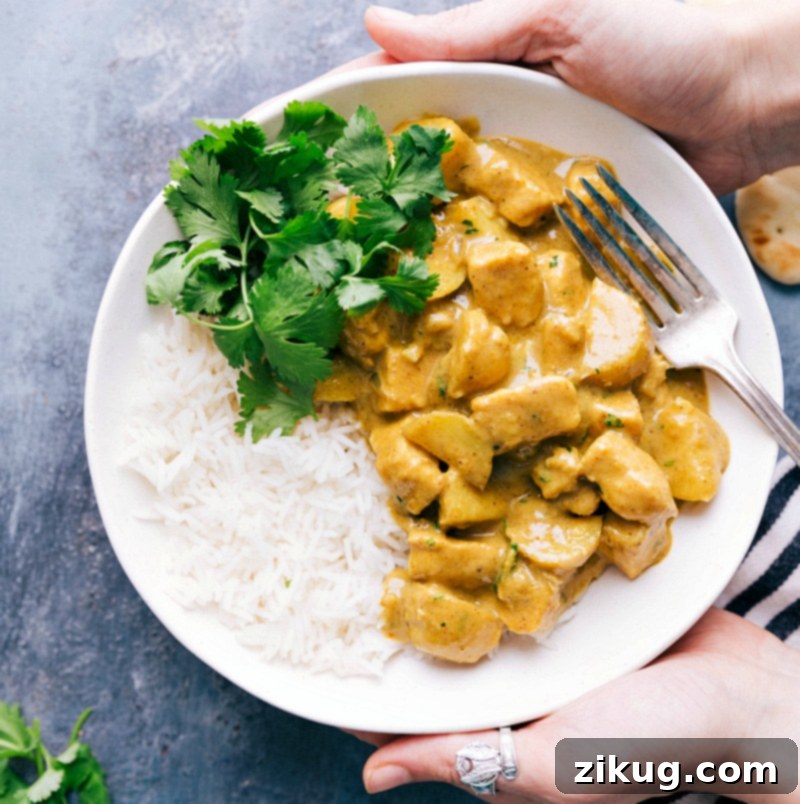
Imagine tender chunks of chicken and creamy baby gold potatoes, all bathed in a rich, aromatic coconut milk sauce that hums with exotic spices. Serve this exquisite curry over fluffy basmati rice and accompany it with warm, pillowy naan bread for a complete and utterly delicious meal that will leave everyone satisfied.
The Ultimate Yellow Chicken Curry: A Flavorful Journey
Prepare to discover what might just become your all-time favorite curry recipe. I am beyond excited to share this culinary gem with you, a dish that consistently earns rave reviews and quickly becomes a household staple. This particular Thai Yellow Curry recipe has captured hearts and taste buds alike, proving that extraordinary flavor doesn’t have to be complicated or time-consuming.
I once shared some leftovers with my sister, and her husband’s enthusiastic text message sums it up perfectly: “That curry was frickin’ awesome. I have been reborn. I am a new man.” If that testimonial doesn’t spark your desire to whip up this dish immediately, I’m not sure what will! It’s truly an experience that awakens the senses and leaves a lasting impression, transforming even the most skeptical eaters into curry converts.
One important detail to note: this Yellow Chicken Curry is unapologetically spicy! It truly delivers a delightful kick of heat, which, for me, only enhances its appeal. If you’re a fellow spice enthusiast, you’re in for a treat. The harmonious blend of chiles in the yellow curry paste, combined with fresh ginger and garlic, creates a warmth that permeates every bite without overwhelming the other delicate flavors. However, if your palate prefers a milder experience, I highly recommend exploring my Coconut Curry Chicken recipe instead. It offers a similar creamy base but with a significantly gentler spice profile, ensuring everyone can enjoy a taste of Thai-inspired comfort. You can also slightly reduce the amount of yellow curry paste in this recipe to temper the heat, though it may slightly adjust the overall flavor intensity.
Why This Yellow Chicken Curry Stands Out
What makes this particular Yellow Chicken Curry recipe a cut above the rest, earning its place as a cherished favorite? It’s a harmonious blend of several factors that combine to create an unforgettable dining experience:
- Speed & Simplicity: Despite its rich and complex flavor, this curry comes together remarkably quickly, making it an ideal choice for busy weeknights when you crave something special but lack ample time. The steps are straightforward and easy to follow, making it accessible even for novice cooks venturing into Thai cuisine.
- Depth of Flavor: The secret lies in a potent, well-balanced yellow curry paste, combined with fresh aromatics like ginger, garlic, and onion. These ingredients are meticulously sautéed to build a robust foundation that is both savory and subtly sweet, with layers of herbaceous and earthy notes.
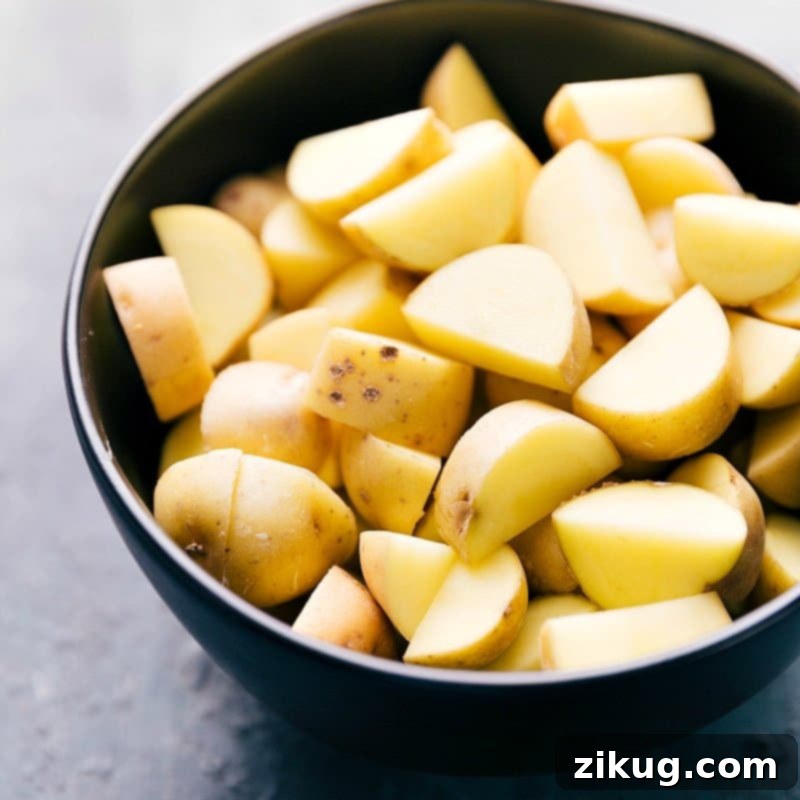
- Perfect Texture Combination: The dish features tender, succulent boneless chicken breast or thighs, which absorb the curry’s flavors beautifully. These pair exquisitely with soft, creamy baby gold potatoes, offering a satisfying mouthfeel and a comforting contrast in every bite.
- Luxurious Coconut Base: Using full-fat coconut milk is non-negotiable for achieving the desired richness. It creates a luxurious, velvety sauce that binds all the flavors together, providing a comforting, decadent, and authentic Thai experience.
- Adjustable Spice Level: While this recipe is designed to deliver a pleasant and invigorating heat, it’s easily customizable. You have the flexibility to reduce the amount of yellow curry paste or add a touch more coconut milk to temper the spice to your exact preference without sacrificing the core flavors.
- Versatility for Meal Prep: This curry tastes even better the next day, making it an excellent candidate for meal prepping or enjoying as delicious leftovers. Its flavors meld and deepen over time, providing a convenient and satisfying meal solution.
How To Make Yellow Chicken Curry: A Quick Guide to Culinary Success
Creating this magnificent curry is a seamless and rewarding process. Here’s an overview of the key steps you’ll follow to achieve that perfect balance of flavor and texture, resulting in a dish that tastes like it took hours, but was ready in minutes:
- Prepare & Organize Your Ingredients: Begin your culinary journey by meticulously dicing your yellow onion, finely mincing fresh garlic and ginger, and cutting both the baby gold potatoes and chicken into uniform, bite-sized pieces. This essential mise en place ensures a smooth and efficient cooking process.
- Build the Aromatic Flavor Base: In a large, deep pan or Dutch oven, heat a portion of the coconut oil. Add the diced onion and sauté until it softens and begins to caramelize, releasing its sweet aroma. Then, incorporate the minced garlic and ginger, cooking briefly until they become fragrant. This step is crucial for developing the curry’s foundational aromatic profile.
- Infuse with Vibrant Spices & Potatoes: Introduce the yellow curry powder, the star yellow curry paste, and ground coriander to the aromatic base. Stir well and toast these spices lightly for a couple of minutes to truly awaken their flavors. Next, add the chopped baby gold potatoes, tossing them thoroughly to coat them in the rich spice mixture.
- Simmer to Velvety Perfection: Pour in the luxurious full-fat coconut milk and savory chicken stock. Bring the mixture to a gentle simmer, ensuring the potatoes are mostly submerged. Allow it to cook, stirring occasionally, until the potatoes are beautifully tender and the sauce has thickened to a luscious, creamy consistency. This patient simmering allows all the flavors to meld beautifully.
- Sear the Chicken Separately for Tenderness: While the curry base is simmering, prepare your chicken. Toss the cubed chicken pieces with a touch of cornstarch and seasonings. In a separate pan, sear the chicken until it’s mostly cooked through and lightly browned on the exterior. This method ensures the chicken remains tender and moist, preventing it from drying out in the curry.
- Combine & Master the Finishing Touches: Gently add the perfectly seared chicken to the simmering curry. Stir in granulated sugar to balance the heat and acidity, fresh cilantro for a burst of herbaceousness, bright lime juice for a tangy lift, and fish sauce (if using) for an authentic depth of umami. Taste, adjust seasonings to your personal preference, and serve your exquisite homemade masterpiece!
Featured Comment
I absolutely LOVE this curry! It’s now a requested favorite at my home. It’s flavorful, simple and filling. I didn’t change a thing. It’s absolutely perfect and I’m so happy I found it. Thank you!
– Mary
The Heart of the Dish: What Is Yellow Curry Paste?
The true undeniable star, the very soul and vibrant essence of this recipe, is the remarkable yellow curry paste. This isn’t just any spice blend; it’s a meticulously crafted fusion of aromatic ingredients that delivers an unparalleled depth of flavor and that signature golden hue. Typically, authentic yellow curry paste is a vibrant mixture grounded in fresh ingredients like pungent ginger, aromatic garlic, a robust blend of curry powder, earthy turmeric (which is largely responsible for its brilliant, enticing color), fresh cilantro, zesty lemongrass, warm cumin, and fiery dried red chiles. This powerful combination results in a sauce that is both intensely flavorful, complex, and delightfully spicy, making it the non-negotiable foundation of a truly authentic Thai yellow chicken curry.
While its flavor profile is extraordinary, sourcing high-quality yellow curry paste can sometimes be a bit of a treasure hunt, especially if you’re looking for specific brands. I highly recommend calling your local grocery store or well-stocked Asian market in advance to confirm if they carry it, as many specialty stores will stock a good variety. Alternatively, for those who love a hands-on approach and desire ultimate freshness, you can easily make your own yellow curry paste from scratch. This method allows for complete control over the freshness of ingredients and a customizable spice level. If convenience is key and you prefer to purchase it, ordering it online is a fantastic and reliable option; here’s the exact Mae Ploy brand paste I consistently use and enthusiastically recommend for its consistent quality, authentic taste, and excellent flavor profile.
Quick Tip for Turmeric Stains
The turmeric within yellow curry paste imparts a wonderfully brilliant yellow color to your dish, which is part of its visual appeal. However, this powerful spice can also leave an equally brilliant, stubborn stain on plastic storage containers. To keep your containers pristine when storing leftovers, always opt for glass, ceramic, or even disposable materials. This simple yet effective trick will save you the headache of stained plastics and keep your kitchenware looking new!
Maximizing Your Curry Paste: Freezing Leftovers for Future Meals
Often, yellow curry paste is sold in larger containers, and unless you’re planning to indulge in this delightful Yellow Chicken Curry every single night (and honestly, who could blame you if you were!), you’ll likely find yourself with some paste leftover. Don’t let this precious and flavorful ingredient go to waste! Freezing is an excellent and highly effective way to preserve its potency and vibrant flavor for future culinary adventures, ensuring you always have a head start on your next curry.
To freeze leftover curry paste efficiently and conveniently, simply spoon the paste into standard ice cube trays. These trays create perfect, portion-sized amounts of paste. Freeze these trays until the curry paste portions are completely solid, which usually takes a few hours. Once frozen, transfer your convenient curry “cubes” into a freezer-safe, airtight container or a heavy-duty freezer bag, making sure to remove as much air as possible to prevent freezer burn. They can be stored in the freezer for up to 3 months, ready whenever a curry craving strikes or you need a quick flavor boost for another dish. When you’re ready to use them, just thaw the desired number of cubes overnight in the refrigerator, and they’ll be as good as fresh, perfectly preserving that authentic Thai taste.
Yellow Chicken Curry FAQs: All Your Questions Answered
The spice level of yellow curry can vary significantly based on the brand and amount of curry paste used. This particular recipe, as written, falls into the medium-to-medium-plus spicy category, offering a noticeable but enjoyable heat that warms the palate. If you prefer a milder curry, you can easily reduce the amount of yellow curry paste by half initially, then taste and add more incrementally until it suits your preference. Be mindful that reducing the paste will also subtly alter the overall depth of flavor. For a truly mild option, consider using a different curry base altogether, like a gentler massaman curry, or incorporating more plain coconut milk to dilute the spice. Conversely, for more heat, you can add a pinch of cayenne pepper or a few thin slices of fresh red chili during the simmering stage.
For the creamiest, most authentic, and truly restaurant-quality Yellow Chicken Curry, using full-fat coconut milk is highly recommended. The rich fat content is crucial; it contributes significantly to the luxurious, velvety texture and deep, satisfying flavor of the sauce, providing that comforting mouthfeel synonymous with great curries. While you can opt for light coconut milk, please be aware that the resulting curry will inevitably be less creamy, thinner in consistency, and may lack some of the robust flavor and richness that full-fat coconut milk provides. If you’re looking to reduce calories, it’s an option, but be prepared for a noticeable difference in the culinary experience.
Absolutely! In fact, curries are renowned for becoming even more flavorful as they sit, allowing the complex blend of spices to meld and deepen over time. Yellow Chicken Curry is an excellent choice for meal prep or for enjoying delicious leftovers throughout the week. It stores beautifully in an airtight container in the refrigerator for up to 5 days. When reheating, whether on the stovetop or in the microwave, you might notice the sauce has thickened considerably; simply add a splash of chicken stock or water to achieve your desired, luscious consistency. This quality makes it a perfect dish for batch cooking.
This curry is incredibly versatile and welcomes a variety of vegetables! Feel free to customize it with your favorite produce. Excellent additions include vibrant bell peppers (red, yellow, or orange), crisp snap peas, fresh green beans, thinly sliced or diced carrots, hearty broccoli florets, tender cauliflower, or even traditional bamboo shoots. When adding vegetables, consider their cooking times: incorporate harder vegetables like carrots or hearty greens with the potatoes, and softer ones like bell peppers or snap peas closer to the end of the simmering process to prevent them from becoming overly soft or mushy.
Yes, this recipe adapts wonderfully to other proteins, making it highly flexible for different preferences or dietary needs. You can easily substitute chicken with shrimp, tender beef, succulent pork, or even tofu for a delicious vegetarian or vegan option. If using shrimp, add it towards the very end of cooking, as it cooks quickly (typically just 2-3 minutes) to prevent it from becoming rubbery. For beef or pork, consider using stewing cuts and simmering them longer with the potatoes until they are fork-tender. If opting for tofu, ensure you press it well to remove excess water, then sear or bake it before adding to the curry for better texture and to help it absorb the rich flavors.
While high-quality store-bought yellow curry paste offers incredible convenience and consistent results, making it from scratch can be a profoundly rewarding culinary experience. It allows you to meticulously control the freshness of ingredients, precisely adjust spice levels, and truly understand the intricate layers of flavor that constitute this aromatic blend. If you have the time, access to fresh, exotic ingredients like lemongrass, galangal, kaffir lime zest, and a food processor or mortar and pestle, it’s definitely worth trying at least once for an unparalleled aromatic depth and a true appreciation of traditional Thai cooking.
Perfect Pairings: What to Serve with Yellow Chicken Curry
To truly complete your Yellow Chicken Curry experience, pairing it with the right accompaniments is key. These carefully selected suggestions not only complement the rich, complex flavors of the curry but also help to balance its delightful heat, creating a harmonious and unforgettable meal.
Side Dishes
How To Make White Rice (Baked!)
A generous bed of perfectly cooked white rice, especially aromatic basmati, is absolutely essential. Its neutral flavor provides the ideal canvas for soaking up every drop of that rich, flavorful curry sauce. Our baked method ensures consistently fluffy, separate grains every time.
Salads
Asian Cucumber Salad
The crisp, cool, and tangy notes of an Asian cucumber salad offer a fantastic counterpoint to the rich and spicy curry. Its refreshing qualities help cleanse the palate, adding a bright, zesty dimension that perfectly complements the warmth of the main dish.
Side Dishes
Roasted Brussel Sprouts
For a hearty and flavorful green vegetable, roasted Brussels sprouts with a hint of crispness and savory seasoning can add wonderful texture and nutritional balance to your curry feast. Their slight bitterness pairs surprisingly well with the curry’s richness.
Green Salads
Garden Salad
A simple, crisp garden salad with a light, refreshing vinaigrette can offer a welcome contrast. Its freshness and crunch provide a cleansing element, cutting through the richness of the curry for a perfectly balanced and enjoyable meal.
Pin Recipe
Print Recipe
★
★
★
★
★︎
Yellow Chicken Curry
Chelsea Lords
20
25
45
4 servings
Video Guide
Equipment You’ll Need
-
Large, deep pan or Dutch oven (for the curry)
-
Medium pan (for searing chicken)
-
Sharp knife and cutting board
-
Spatula or wooden spoon
-
Measuring cups and spoons
Ingredients for Yellow Chicken Curry
For the Curry Base:
- 3 tablespoons coconut oil divided for curry base and chicken
- 1/2 cup diced yellow onion (about 1/2 medium onion)
- 1-1/2 teaspoons minced garlic (approximately 3 cloves, finely minced)
- 1 tablespoon finely minced ginger (from a 1 and 1/2-inch piece, peeled)
- 2 teaspoons yellow curry powder divided
- 1/4 cup yellow curry paste (see Note 1 in recipe notes below for sourcing)
- 2 teaspoons ground coriander
- 1 pound baby gold potatoes (Yukon golds or similar, cut into bite-sized pieces)
- 1 (13.6-ounce) can full-fat coconut milk (lite not recommended for optimal creaminess)
- 1 cup chicken stock
For the Chicken:
- 1 pound boneless, skinless chicken breast or thighs (cut into 1-inch pieces)
- 1/2 teaspoon cornstarch
- Salt and pepper (to taste, approximately 1/2 tsp salt, 1/4 tsp pepper)
For Finishing the Curry:
- 1-1/2 teaspoons granulated sugar (adjust to taste for balance)
- 1/4 cup fresh cilantro (diced, plus extra for garnish)
- 1 tablespoon fresh lime juice (freshly squeezed is best)
- 2 teaspoons fish sauce (optional, but highly recommended for authentic depth)
For Serving:
- Cooked basmati rice (for serving, as a base for the curry)
- Warm naan bread (for scooping up the delicious sauce)
Detailed Instructions for Cooking Yellow Chicken Curry
-
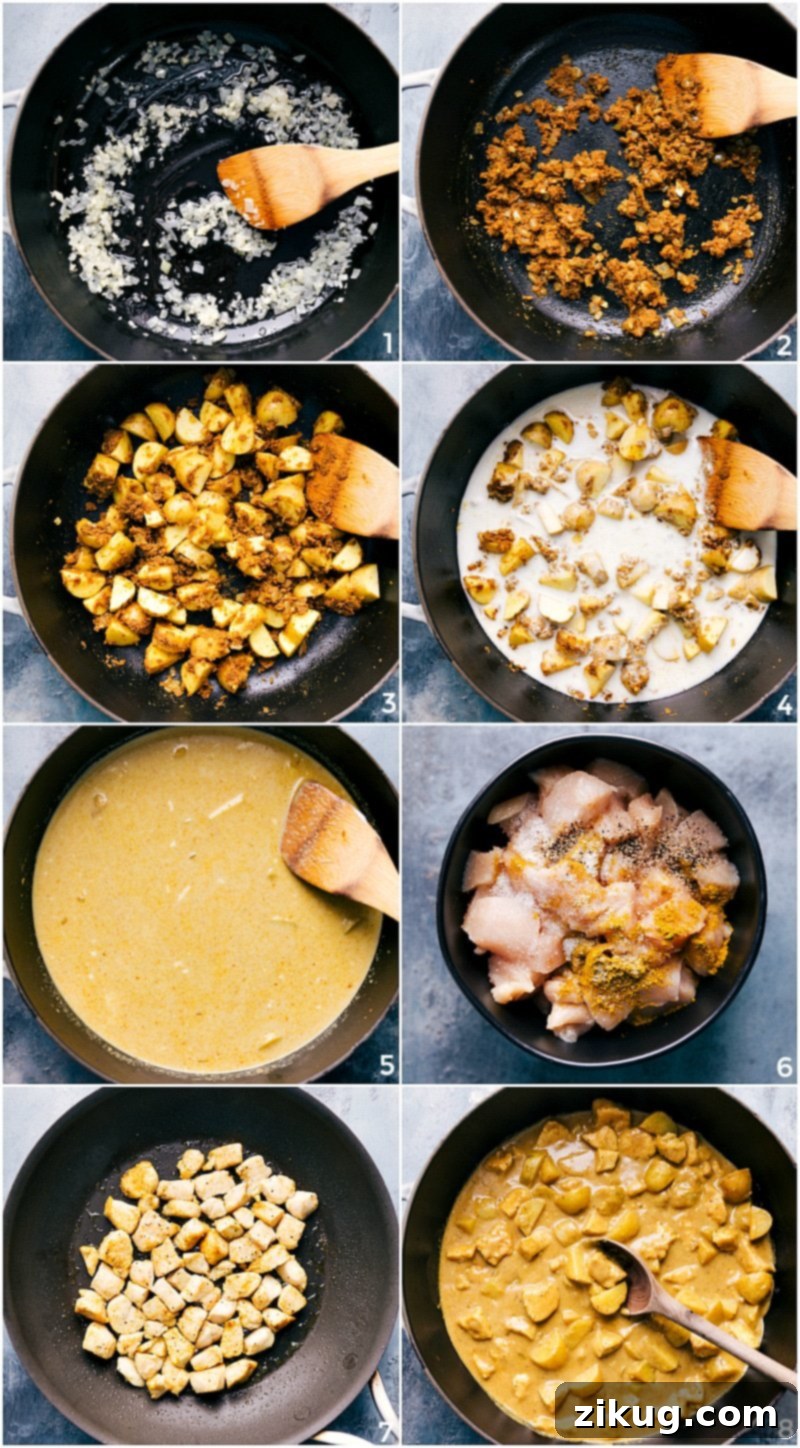
1. Prepare Your Ingredients: Begin your culinary journey by meticulously dicing the yellow onion into small, even pieces. Finely mince the garlic (aim for about 3 cloves’ worth) and ginger (from a 1.5-inch piece, peeled first with a spoon or vegetable peeler). Next, chop the baby gold potatoes (Yukon golds work wonderfully) into uniform, bite-sized pieces – typically 6 to 8 pieces per potato, depending on its size – to ensure even cooking. Cube the boneless, skinless chicken breast or thighs into 1-inch pieces. This essential mise en place ensures a smooth and efficient cooking process, allowing you to focus on flavor development.
-
2. Sauté Aromatics & Build Flavor Base: Heat 2 tablespoons of coconut oil in a large, deep pan or Dutch oven over medium-high heat. Add the diced onion and sauté for 3–5 minutes, stirring occasionally, until they soften and begin to turn lightly golden brown. This caramelization adds a subtle sweetness. Add the minced garlic and ginger, stirring constantly for about 1 minute until they become intensely fragrant but not browned. Reduce the heat to low-medium. Now, it’s time to build the core flavor: stir in 1.5 teaspoons of yellow curry powder, the full 1/4 cup of yellow curry paste, and the ground coriander. Cook, stirring often, for 2–3 minutes, allowing the spices to lightly toast and become intensely aromatic. This step deepens the curry’s flavor profile significantly. Finally, add the chopped potatoes and stir well to ensure they are thoroughly coated with the aromatic spice mixture for about 1 minute.
-
3. Simmer the Curry Base to Perfection: Pour in the full 13.6-ounce can of full-fat coconut milk and the 1 cup of chicken stock. Using your spatula or wooden spoon, gently scrape the bottom of the pan to dislodge any browned bits (fond), as this adds extra flavor to the sauce. Ensure all the potatoes are submerged in the liquid as much as possible for even cooking. Bring the mixture to a rapid simmer over medium heat (you should see bubbles forming around the edges, but it shouldn’t be a rolling boil) and let it cook for 20–30 minutes, stirring occasionally. The goal is for the potatoes to become beautifully fork-tender and for the sauce to reduce and thicken to a luscious, creamy consistency. For me, this usually takes around 20–22 minutes. If the sauce reduces too quickly and the potatoes are still firm, you may need to add a splash more chicken stock or water and slightly lower the heat. Conversely, if the potatoes are cooking too slowly and the sauce isn’t thickening, increase the heat slightly. Once potatoes are tender and the sauce is rich, stir in the granulated sugar, fresh cilantro, and lime juice. Taste and adjust these ingredients to your personal preference for sweetness and acidity. If desired, now is the time to add the fish sauce for an authentic umami depth that elevates the entire dish.
-
4. Sear the Chicken Separately for Tenderness: While the curry base is simmering, prepare the chicken. In a separate, medium-sized pan, add the remaining 1 tablespoon of coconut oil and heat it over high heat until shimmering. Toss the cubed chicken pieces with the cornstarch, the remaining 1/2 teaspoon of yellow curry powder, 1/2 teaspoon of salt, and 1/4 teaspoon of pepper, ensuring they are evenly coated. Once the pan is hot, add the chicken in a single layer (you may need to work in batches to avoid crowding the pan, which can steam rather than sear). Sear the chicken, stirring occasionally, until it’s mostly cooked through and lightly browned on the outside, which typically takes about 4–7 minutes, depending on the size of the chunks. Be careful not to overcook the chicken at this stage, as it will continue to cook in the curry, and overcooked chicken can become dry and bland. Add the mostly cooked chicken directly into the simmering curry and allow it to finish cooking for the last 1–2 minutes, absorbing all the wonderful flavors of the sauce.
-
5. Final Touches & Serve: Remove the curry from the heat. Give it a final taste test and adjust any seasonings as needed – perhaps a little more salt, pepper, sugar, or lime juice to perfectly balance the flavors and achieve your ideal taste profile. Serve your magnificent Yellow Chicken Curry piping hot over a generous bed of freshly cooked basmati rice. Don’t forget to include warm, fluffy naan bread on the side; it’s perfect for scooping up the rich, flavorful sauce and also helps beautifully temper some of the curry’s delightful heat. Garnish with extra fresh cilantro if desired for a burst of color and freshness. Enjoy your homemade Thai masterpiece!
Recipe Notes & Expert Tips
Storage & Meal Prep: This curry makes fantastic leftovers and is perfectly suited for meal prepping throughout the week! Store any remaining Yellow Chicken Curry in an airtight container in the refrigerator for up to 5 days. For reheating, gently warm on the stovetop over low heat or in the microwave. If the sauce has thickened considerably (which is common for curries), you might want to add a small splash of chicken stock or water to loosen it to your preferred consistency and restore its creamy texture.
Freezing Leftover Curry Paste: If you purchase a large container of yellow curry paste and won’t be using it all quickly, it freezes beautifully! To preserve its fresh flavor, spoon the paste into standard ice cube trays and freeze until completely solid. Once frozen, transfer these convenient curry “cubes” into a freezer-safe container or bag, ensuring it’s airtight. They will keep well in the freezer for up to 3 months. Simply thaw individual cubes in the fridge overnight as needed for your next delightful batch of curry.
Adjusting Spice: To lessen the heat, begin with half the recommended amount of yellow curry paste and taste the curry before adding more. This allows you to tailor the spice level precisely. To increase the spice for those who crave more heat, a pinch of cayenne pepper, a dash of red pepper flakes, or a few thin slices of fresh red chili (like bird’s eye chilies) can be added during the simmering stage.
Nutrition Information
Calories: 551kcal |
Carbohydrates: 30g |
Protein: 31g |
Fat: 36g |
Saturated Fat: 28g |
Polyunsaturated Fat: 1g |
Monounsaturated Fat: 3g |
Trans Fat: 0.01g |
Cholesterol: 74mg |
Sodium: 489mg |
Potassium: 1298mg |
Fiber: 4g |
Sugar: 6g |
Vitamin A: 2453IU |
Vitamin C: 17mg |
Calcium: 78mg |
Iron: 6mg
Nutrition information is automatically calculated and should be considered an approximation. Individual results may vary based on specific ingredients, preparation methods, and serving sizes. It is provided for informational purposes only.
Enjoyed this recipe? Leave a comment and share your experience below!
Your feedback helps others discover delicious meals and perfect their own Yellow Chicken Curry.