
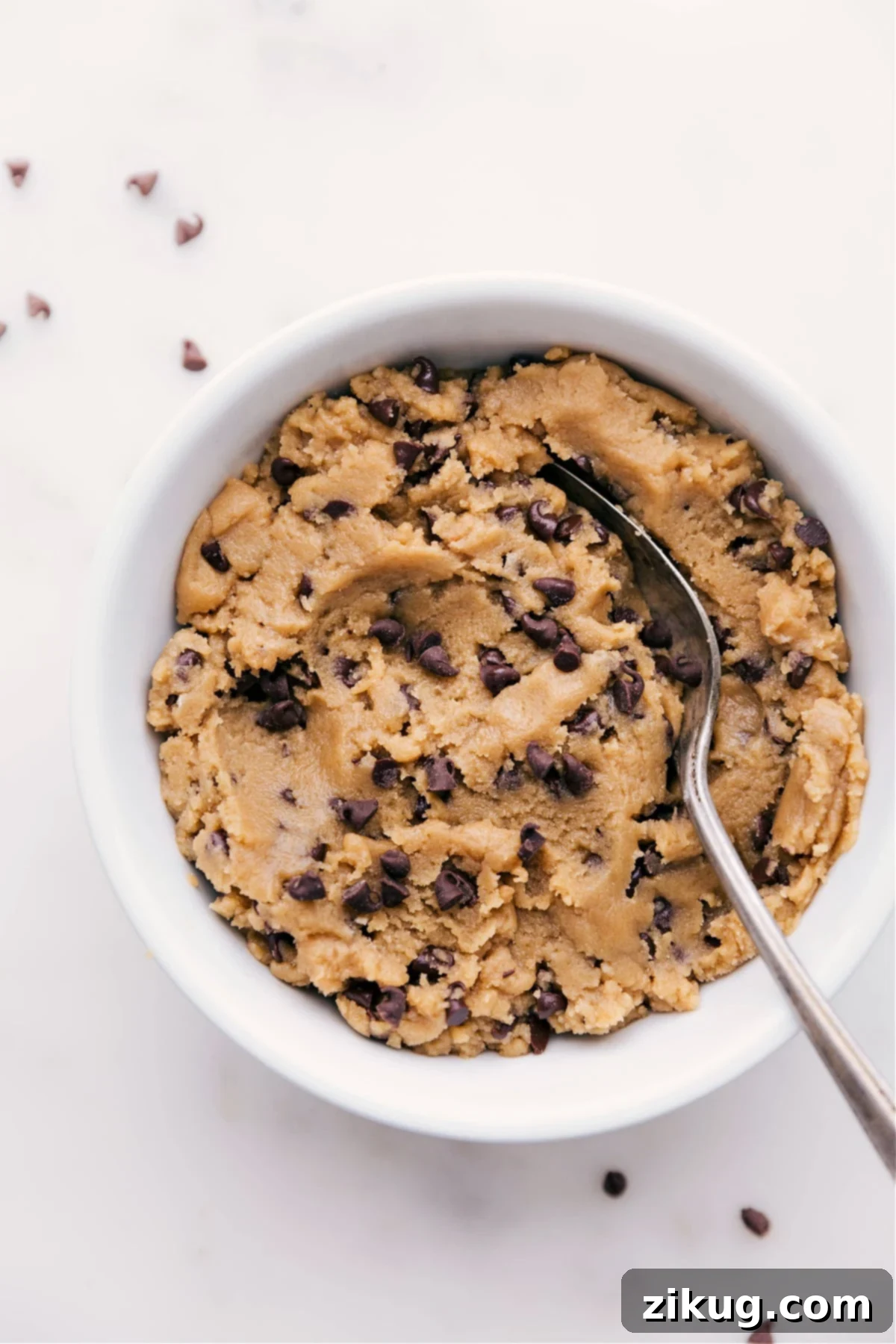
The Ultimate Edible Chocolate Chip Cookie Dough Recipe: Indulge in your deepest cookie dough cravings the safe, delicious way with this classic, utterly irresistible chocolate chip cookie dough – no baking required!
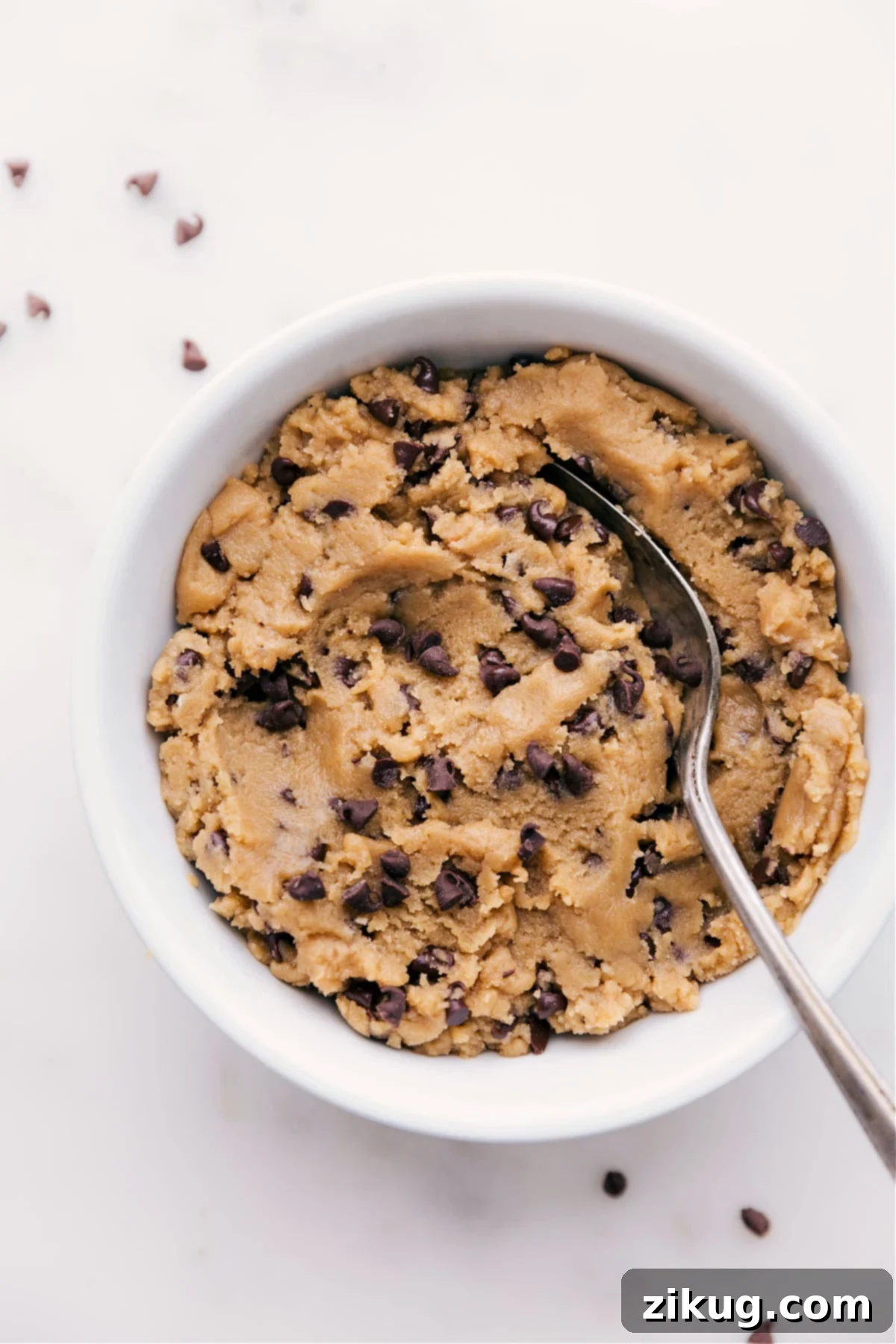
Unveiling the Best Edible Cookie Dough Recipe: Safe & Simply Irresistible
There’s a universal truth for many dessert lovers: the raw cookie dough often tastes even better than the baked cookies themselves. That creamy, sweet, unctuous texture, studded with chocolate chips, holds an irresistible allure. Growing up, this delightful indulgence was always met with my mom’s strict, unwavering rule: absolutely no eating raw cookie dough. She had experienced a nasty bout of food poisoning from raw dough once and, to this day, recounts it as one of the sickest she’s ever been. Consequently, our opportunities to sneak a spoonful were few and far between, requiring stealthy maneuvers when her back was turned.
That childhood yearning for safe-to-eat cookie dough sparked a culinary mission. Why should the sheer pleasure of raw cookie dough be denied due to safety concerns? After countless experiments, adjustments, and taste tests, this particular edible chocolate chip cookie dough recipe emerged as the undisputed champion. It’s the culmination of years of perfecting the texture, flavor, and, most importantly, the safety of raw dough. We’ve mastered the art of creating that nostalgic, comforting taste and texture we all adore, but with the peace of mind that comes from knowing it’s entirely safe to consume straight from the bowl.
This recipe is a labor of love, developed alongside other delightful no-bake creations like Edible Cake Batter, Peanut Butter Cookie Dough, and Edible Brownie Batter. As someone who has dedicated considerable time to mastering the art of safe, raw desserts, I can confidently declare: this is the best edible cookie dough recipe you will ever try! Get ready to ditch the oven and dive into pure, unadulterated cookie dough bliss.
The Essential Question: Why Can’t You Eat Traditional Raw Cookie Dough?
While the allure of raw cookie dough is undeniable, there are critical health reasons why traditional recipes aren’t recommended for uncooked consumption. Understanding these risks is the first step towards enjoying safe edible cookie dough. The primary culprits behind health concerns are raw eggs and uncooked flour, both of which can harbor harmful bacteria that lead to foodborne illnesses.
- Raw Eggs & Salmonella Risk: The most widely known concern with raw cookie dough stems from raw eggs, which can contain Salmonella enteritidis bacteria. This bacterium is a common cause of food poisoning. The Centers for Disease Control and Prevention (CDC) reports that Salmonella causes millions of illnesses annually, and eggs are a common source. Symptoms of Salmonella infection include fever, diarrhea, nausea, vomiting, and abdominal cramps, often appearing 12 to 72 hours after consuming contaminated food. While modern egg production and handling practices have significantly reduced the risk, it’s never entirely eliminated, making raw eggs a significant risk factor in uncooked foods. Our edible cookie dough recipe completely omits eggs, eliminating this particular concern altogether.
- Raw Flour & E. coli Contamination: Perhaps less commonly known but equally important is the risk associated with raw flour. Flour is an agricultural product and, like fresh produce, it comes directly from the field. It can easily become contaminated with harmful bacteria like Escherichia coli (E. coli), particularly Shiga toxin-producing E. coli (STEC), often referred to as E. coli O157. This bacteria can originate from animal waste that contaminates grains in the field or during the milling and processing stages. Consuming raw flour contaminated with E. coli can lead to severe gastrointestinal illness, including stomach cramps, severe diarrhea (often bloody), and vomiting. In some unfortunate cases, it can progress to hemolytic uremic syndrome (HUS), a serious type of kidney failure. Both the FDA and CDC have issued explicit warnings about consuming raw flour due to several documented outbreaks linked to uncooked doughs and batters. Our recipe comprehensively addresses this risk by requiring the heat treatment of all-purpose flour, effectively neutralizing any potential E. coli contamination and rendering it safe for raw consumption.
By consciously removing raw eggs and properly treating the flour through a simple heating process, this edible cookie dough recipe ensures you can enjoy that irresistible flavor and delightful texture without any of the associated health worries. It’s a truly safe way to satisfy your sweet tooth!
Key Ingredients for the Perfect Edible Cookie Dough
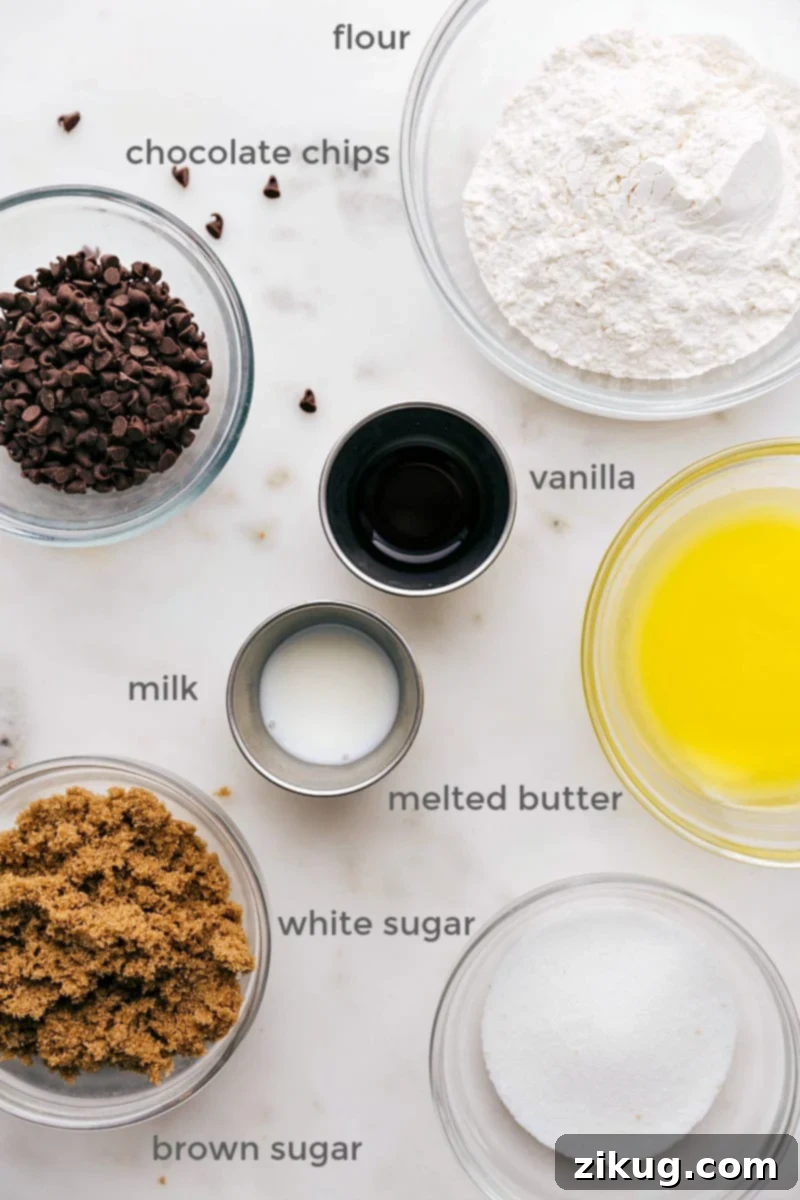
Crafting the best edible cookie dough relies on a careful selection and preparation of simple, high-quality ingredients. Each component plays a crucial role in achieving that quintessential cookie dough taste and texture, all while ensuring it’s completely safe to eat raw. Understanding the function of each ingredient will help you achieve optimal results and even experiment with confidence.
- All-Purpose Flour: This is the fundamental structural backbone of our cookie dough. The most important step for safety is to heat-treat the flour before use. This critical process, which can be done quickly in an oven or microwave, effectively kills any potential harmful bacteria like E. coli. Beyond safety, lightly toasting the flour can also impart a subtle, delightful nutty flavor that adds a layer of complexity to the overall depth of the cookie dough. It’s imperative that the flour cools completely to room temperature before you incorporate it into your wet ingredients to prevent it from melting the butter and sugars, which could result in a greasy texture.
- Unsalted Butter: Butter is indispensable for providing richness, a decadent flavor, and helping to bind all the ingredients together into a cohesive dough. It’s crucial to melt the butter until it’s mostly liquid but then allow it to cool completely to room temperature. If the butter is too warm when added to the sugars, it will melt them, leading to a greasy, oily, and undesirable texture rather than a smooth, creamy one. Using unsalted butter gives you full control over the salt content; if you opt for salted butter, taste the dough before adding the extra pinch of salt mentioned in the recipe and adjust accordingly.
- Brown Sugar & Granulated Sugar: This classic combination is absolutely essential for achieving the perfect balance of sweetness, moisture, chewiness, and that iconic cookie dough flavor.
- Brown Sugar: When measuring, be sure to pack the brown sugar firmly into the cup. It’s key for adding moisture, a rich, caramel-like depth of flavor, and contributes significantly to the soft, chewy texture characteristic of great cookie dough. Dark brown sugar will lend a more pronounced molasses-forward flavor, which I personally find incredibly delicious, but light brown sugar works beautifully too for a milder taste.
- Granulated Sugar: This provides a clean, pure sweetness that perfectly complements the brown sugar. It also helps in achieving a desirable texture without making the dough overly dense or heavy. The combination ensures a multifaceted sweetness that is far more complex than using just one type of sugar.
- Vanilla Extract: A non-negotiable ingredient for authentic chocolate chip cookie dough flavor! Pure vanilla extract infuses the dough with its signature warm, inviting aroma and sweet, rich taste that is absolutely essential for capturing that classic appeal. While imitation vanilla can be used, a good quality pure vanilla extract truly makes a noticeable difference in the final product.
- Milk: In our egg-free edible cookie dough, milk serves as the vital liquid binder, bringing all the dry and wet ingredients together to form a cohesive, pliable, and scoopable dough. It’s best to start with just one tablespoon and add more, one teaspoon at a time, if the dough appears too dry, crumbly, or not cohesive enough. Different brands and types of flour can absorb liquids differently, so trust your judgment here. Any type of milk—whole, 2%, 1%, or even a dairy-free alternative like almond milk, oat milk, or soy milk—will work perfectly, so feel free to use what you have on hand.
- Mini Chocolate Chips: While regular-sized chocolate chips can certainly be used, mini chocolate chips are highly recommended for edible cookie dough. Their smaller size ensures they distribute far more evenly throughout the dough, making every single bite consistently chocolaty and delightful. Furthermore, mini chips remain softer and are much easier to bite into when the dough is chilled, offering a more pleasant textural experience compared to their larger counterparts. Feel free to experiment with different varieties of mini chips, such as milk chocolate, semi-sweet, or even dark chocolate minis, to suit your personal preference.
Quick Tip: Mastering Flour Heat Treatment for Safety
Heat treating flour is the single most crucial step for transforming conventional raw flour into a safe ingredient for edible cookie dough. This process effectively neutralizes any potential harmful E. coli bacteria without significantly altering the flour’s texture or flavor (which is ideal since we’re not baking!).
Here are two straightforward and effective methods for heat treating flour:
- Oven Method: Preheat your oven to a moderate 300°F (150°C). Spread the desired amount of all-purpose flour evenly in a thin layer over a large, rimmed baking sheet. Bake for 5-7 minutes, making sure to stir the flour thoroughly halfway through to ensure even heating. The primary goal is to bring the flour’s internal temperature to 165°F (74°C), which is sufficient to kill off any bacteria. Using a reliable food thermometer to check the temperature is highly recommended for accuracy. Once it reaches the target temperature, promptly remove it from the oven and allow it to cool completely on the baking sheet before incorporating it into your recipe. This method has the added benefit of sometimes imparting a very subtle, pleasant toasted flavor, which enhances the overall dough.
- Microwave Method: For a quicker approach, place the flour in a large, microwave-safe bowl. Microwave on high power in short 30-second intervals, stirring the flour thoroughly after each interval. Continue this process until the flour reaches an internal temperature of 165°F (74°C). This usually takes a total of 1 to 2 minutes, depending on your microwave’s wattage and the quantity of flour. Be vigilant not to overcook or burn the flour; the objective is solely to heat it sufficiently for safety. Once it reaches temperature, remove it and let it cool completely to room temperature before proceeding with the rest of your recipe.
Always ensure the heat-treated flour is entirely cool before combining it with your wet ingredients. Adding warm flour will prematurely melt the butter and sugars, which can lead to a greasy, undesirable dough consistency.
Featured Comment
“I was on the hunt for a good cookie dough recipe and I loved this recipe so much! I wish I could give it 100 stars! Definitely the best cookie dough recipe—trust me, I tried a lot of recipes.”
– AD
How to Make The Best Edible Cookie Dough: A Step-by-Step Guide
Making this incredible edible cookie dough is surprisingly simple and quick, requiring just a few basic steps. Follow these instructions carefully to ensure a perfectly safe, deliciously smooth, and satisfying treat every single time. You’ll be enjoying spoonfuls of pure bliss in under 30 minutes!
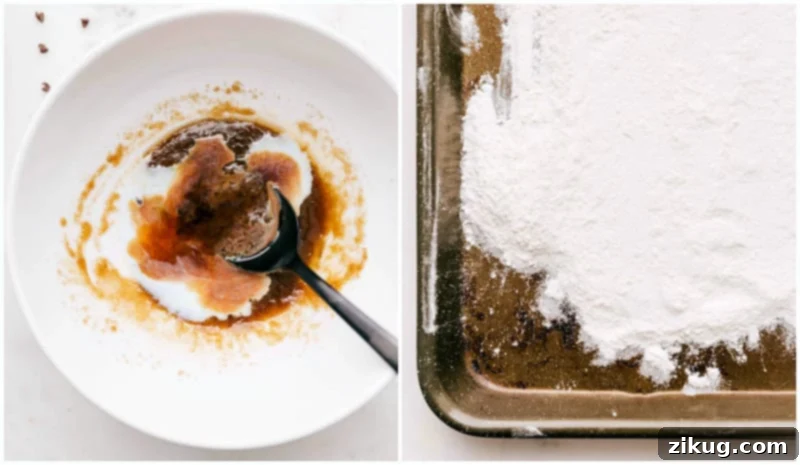
- Prepare the Flour for Safety: Begin by heat treating your all-purpose flour. Preheat your oven to 300°F (150°C) if you’re using the oven method, or simply prepare your microwave. Spread your flour evenly in a thin layer on a clean baking sheet, or place it in a microwave-safe bowl. Toast it in the oven for 5–7 minutes, stirring once halfway through, or microwave it in 30-second bursts, stirring between each, until it reaches an internal temperature of 165°F (74°C). This is a crucial step to kill any potential harmful bacteria. Once treated, let the flour cool completely to room temperature. This is vital; warm flour will melt your butter and sugars, leading to an undesirable texture.
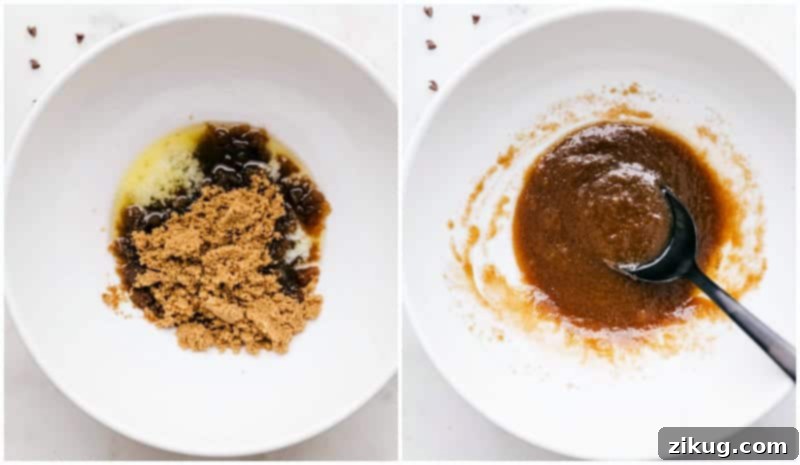
- Cream Butter and Sugars: While the flour cools, partially melt your unsalted butter in a microwave-safe bowl. It should be mostly liquid but still have a few small, solid pieces remaining. Allow this partially melted butter to cool completely to room temperature – this prevents the dough from becoming greasy. In a medium mixing bowl, combine the cooled melted butter with the packed brown sugar and granulated sugar. Using a whisk or a sturdy rubber spatula, mix vigorously until the mixture is light, fluffy, and smooth, ensuring no sugar lumps remain. This step typically takes about 1-2 minutes of consistent stirring and helps aerate the sugars for a better texture.
- Add Liquid Flavorings: Next, pour in the vanilla extract and add the salt to the butter-sugar mixture. Stir well until all these ingredients are fully combined and evenly distributed throughout the mixture. The vanilla will infuse the dough with its classic sweet aroma, which is essential for that authentic cookie dough taste.
- Incorporate Milk for Consistency: Gradually add the milk to the mixture, starting with 1 tablespoon. Mix thoroughly until the dough begins to come together and form a cohesive mass. Assess the consistency; if the dough still appears too dry, crumbly, or not cohesive enough, add more milk, one teaspoon at a time, mixing after each addition, until you achieve your desired soft, pliable cookie dough texture. Different flours can absorb liquids differently, so trust your judgment here to get it just right.
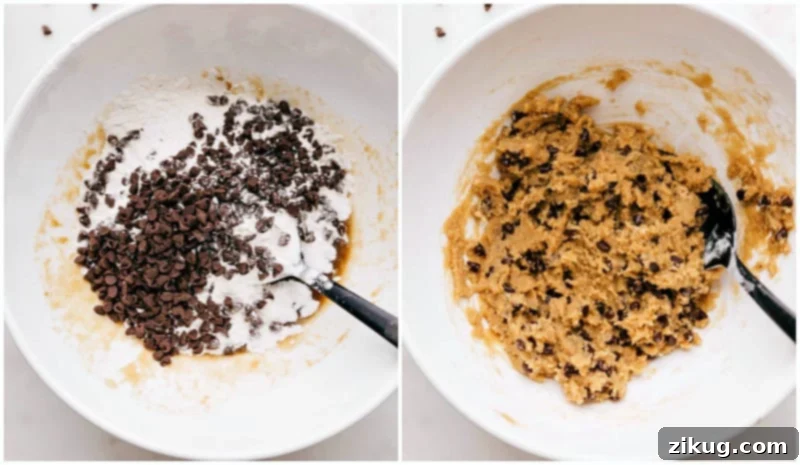
- Fold in Flour and Chocolate Chips: Once your heat-treated flour has completely cooled, spoon it into your measuring cup and level it off with a knife (avoid packing it down, which can lead to a dry dough). Add this cooled, heat-treated flour to the wet ingredients. Mix until just combined, being careful not to overmix, as this can develop the gluten too much and potentially make the dough tough. Finally, gently fold in your mini chocolate chips (or any other desired mix-ins) until they are evenly distributed throughout the dough, ensuring every bite is loaded with flavor.
- Chill (Optional, but Recommended for Firmness): If, after mixing, your dough feels a little too soft or sticky from the partially melted butter, cover the bowl and chill it in the refrigerator for about 10-15 minutes. This brief chilling period will help the dough firm up to a perfect scoopable, enjoyable consistency, much like traditional cookie dough.
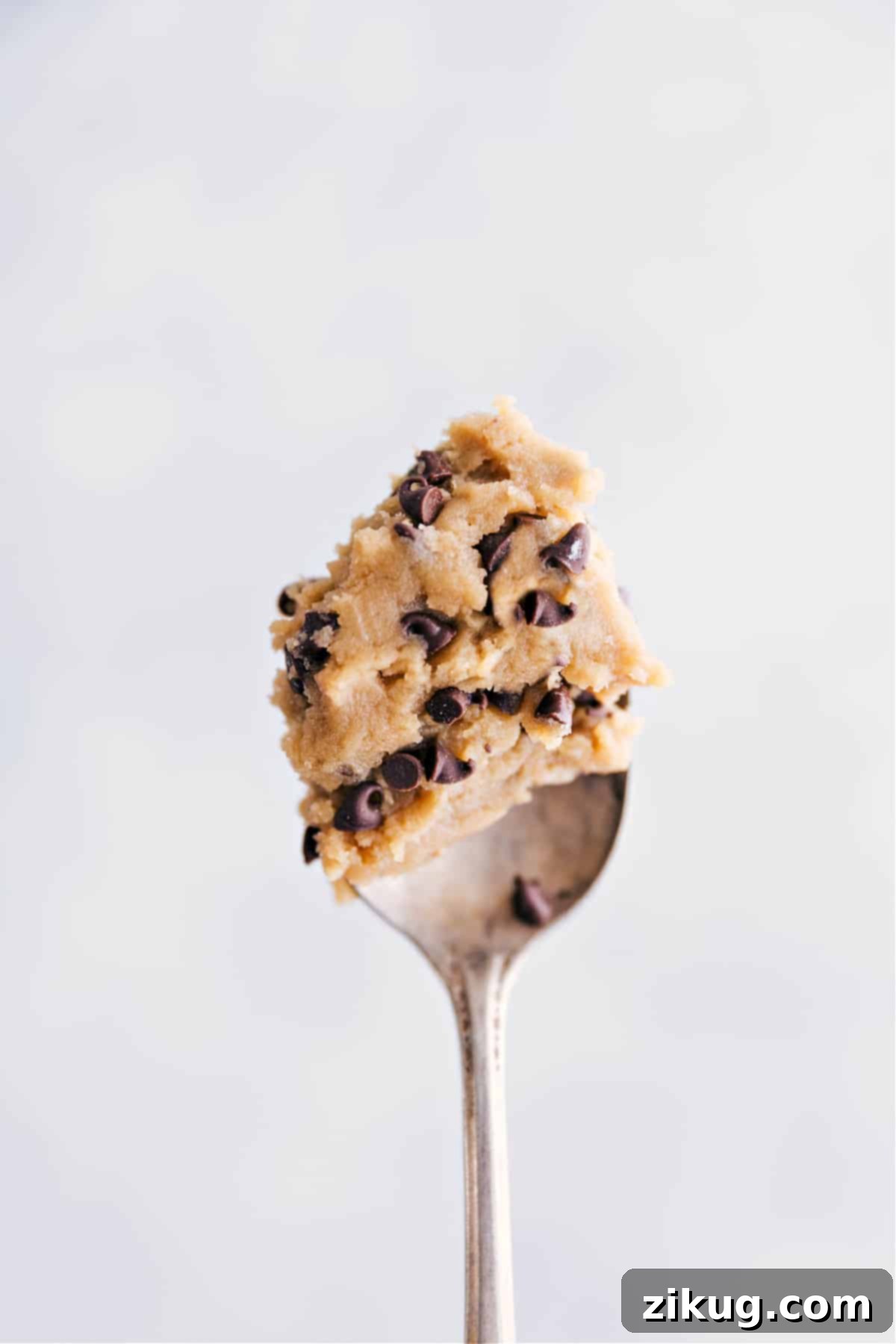
- Enjoy Immediately: Your safe-to-eat, utterly delicious edible chocolate chip cookie dough is now ready to be enjoyed! Grab a spoon and dig in, or explore the various serving suggestions below for creative ways to savor this delightful no-bake treat.
Edible Cookie Dough FAQs: Your Questions Answered
Here are answers to some of the most common questions about making, enjoying, and customizing this safe edible cookie dough recipe:
Can I Bake This Edible Cookie Dough into Cookies?
No, this edible cookie dough recipe is specifically designed for raw consumption and should not be baked. It fundamentally differs from traditional cookie dough in several key aspects. Firstly, it completely lacks leavening agents (such as baking soda or baking powder) that are crucial for making traditional cookies rise and spread correctly. Secondly, the proportions of butter and sugar are meticulously optimized for a raw, soft, and chewy texture, not for undergoing the chemical reactions and structural changes that occur during baking. Most importantly, it contains no eggs, which are essential for binding, moisture, and providing structure in baked cookies. Attempting to bake this dough will inevitably result in flat, overly spread-out, and likely greasy discs that do not resemble traditional baked cookies in taste or texture.
How Do I Make A Smaller Batch of Edible Cookie Dough?
Making a smaller batch of this irresistible edible cookie dough is incredibly easy and convenient! For approximately two generous servings, simply halve all the ingredients listed in the main recipe. This method is perfect when you’re craving a quick, personal treat. Alternatively, you can prepare the full batch as written, enjoy some immediately, and then efficiently store the remaining portions. The dough keeps beautifully when properly stored in the refrigerator for up to 5 days, or you can freeze individual portions for up to 3 months, ensuring you always have a quick, safe treat on hand whenever a craving strikes.
Why do you have to heat treat the flour? Isn’t it just a dry ingredient?
Heat treating flour is a critical safety step when preparing any raw dough or batter, and it’s essential for edible cookie dough. While flour appears to be a dry and innocuous ingredient, it is, in fact, a raw agricultural product derived directly from grains grown in fields. During its journey from farm to pantry, flour can be exposed to and harbor harmful bacteria, most notably E. coli. These bacteria can be present in fields due to animal waste and are robust enough to survive the milling and packaging processes. Traditional cooking or baking temperatures typically kill these bacteria, rendering them harmless. However, since we are consuming this cookie dough raw, heat treatment is absolutely essential to eliminate this potential health risk. Heating the flour to an internal temperature of 165°F (74°C) ensures it is thoroughly pasteurized and safe for raw consumption without altering its functionality or flavor in this delightful no-bake recipe.
Can I make this edible cookie dough gluten-free or dairy-free?
Yes, you absolutely can adapt this recipe to fit various dietary needs! For a gluten-free version, simply substitute the all-purpose flour with a high-quality 1:1 gluten-free baking flour blend (ensure the blend you choose contains xanthan gum for optimal texture). It’s crucial to remember that even gluten-free flour must be heat-treated to ensure safety. For a dairy-free version, you can easily swap the unsalted butter for a good quality dairy-free butter stick (brands like Miyoko’s Kitchen, Earth Balance sticks, or Country Crock Plant Butter work wonderfully) and use your preferred dairy-free milk alternative (almond milk, oat milk, or soy milk are excellent choices). If you have strict dairy-free requirements, also double-check that your mini chocolate chips are certified dairy-free.
What are some fun mix-in variations for edible cookie dough?
While the classic chocolate chip version is undeniably divine, edible cookie dough is incredibly versatile and serves as a fantastic base for endless flavor combinations! Beyond just mini chocolate chips, consider these delicious and creative additions to customize your dough:
- Candy Delights: Fold in colorful M&M’s, finely chopped Reese’s Peanut Butter Cups, crushed Oreos, or even mini gummy bears for a playful twist.
- Nutty Additions: Introduce a textural crunch and rich flavor with chopped walnuts, pecans, almonds, or even a handful of salted peanuts.
- Other Chocolates & Chips: Elevate the chocolate profile with white chocolate chips, butterscotch chips, or larger dark chocolate chunks for varied melt-in-your-mouth moments.
- Festive Sprinkles: Add a vibrant pop of color and a touch of fun with rainbow sprinkles, perfect for birthdays, holidays, or any celebratory occasion.
- Flavor Extracts: A tiny drop (start with 1/4 teaspoon) of peppermint extract can transform your dough into a refreshing mint chocolate chip delight, or a dash of almond extract can introduce a subtle, sophisticated nutty note.
- Nut Butter Swirls: For added creaminess and an extra boost of flavor, swirl in a spoonful of creamy peanut butter, almond butter, or cashew butter after mixing the main dough ingredients.
Just remember to keep the total volume of mix-ins reasonable to ensure the dough maintains its cohesive and enjoyable structure.
Storage Tips for Edible Cookie Dough: Keeping it Fresh
Proper storage is key to ensuring your homemade edible cookie dough remains fresh, delicious, and safe to enjoy for an extended period. Whether you plan to savor it over a few days or keep a convenient stash for future cravings, these tips will help maintain its perfect texture and flavor:
- Refrigeration for Short-Term Storage: For immediate enjoyment over several days, store your edible cookie dough in an airtight container in the refrigerator. This crucial step prevents it from drying out, keeps it fresh, and inhibits bacterial growth. When properly sealed, it will remain fresh for up to 5 days. Before serving, you might prefer to let it sit at room temperature for 10-15 minutes to allow it to soften slightly, achieving a creamier texture, or enjoy it chilled straight from the fridge for a firmer, more dense bite.
- Freezing for Long-Term Storage: This edible cookie dough freezes exceptionally well, making it ideal for meal prepping your dessert cravings. You have a couple of options: you can freeze the entire batch in a single freezer-safe, airtight container, pressing plastic wrap directly onto the surface of the dough before sealing the container. Alternatively, for ultimate convenience, portion it out into individual balls or scoops before freezing them solid on a parchment-lined baking sheet. Once the individual portions are frozen solid, transfer them to a larger freezer bag or container to save space. When frozen correctly, it can be kept for up to 3 months without significant loss of quality. When you’re ready to indulge, simply thaw the frozen dough in the refrigerator overnight or for a few hours until it’s soft enough to enjoy. Avoid microwaving to thaw, as this can negatively alter the dough’s delicate texture and consistency.
Explore More Delicious No-Bake Treats and Desserts
If you’ve fallen in love with the convenience, ease, and sheer deliciousness of this edible cookie dough, you’re in for a treat! There’s a whole wonderful world of no-bake desserts waiting to satisfy your sweet tooth without ever requiring you to turn on the oven. These recipes are perfect for busy days, warm weather, or whenever you need a quick, satisfying dessert fix. Here are some other delightful no-bake favorites that are quick, easy, and utterly delightful:
- Classic No-Bake Cookies: These timeless, old-fashioned treats require absolutely no chilling or baking, making them one of the fastest and easiest ways to curb a cookie craving. Made with wholesome oats, rich cocoa powder, creamy peanut butter, and a touch of sugar, they’re wonderfully fudgy, delightfully chewy, and incredibly satisfying – a true nostalgic favorite!
- Salty and Sweet Pretzel Peanut Butter Bars: Experience a perfect symphony of flavors and textures with these irresistible bars. They feature a delightful combination of crunchy salted pretzels, a luscious layer of creamy peanut butter filling, and a generous topping of rich chocolate, all layered into an easy-to-make bar that comes together in mere minutes. No baking, just pure, harmonious bliss!
- Decadent Banana Pudding Recipe: Indulge in a truly comforting and luxurious dessert with this fabulous banana pudding recipe, thoughtfully adapted from the famous Magnolia Bakery creation. This exquisite no-bake dessert features sumptuous layers of fresh, ripe bananas, delicate vanilla wafers, and a rich, velvety creamy vanilla pudding. It’s an absolute crowd-pleaser and embodies the very definition of comfort food.
- Irresistible Cannoli Dip: Experience all the delightful flavors and textures of a classic Italian cannoli but in a fun, shareable, and wonderfully dippable form! This creamy, sweet ricotta-based dip is generously studded with mini chocolate chips (and sometimes candied fruit) and is perfectly served with crispy, broken waffle cones, graham crackers, or shortbread cookies for effortless scooping.
- Super Popular No-Bake Brownie Bites: For devoted chocolate lovers, these quick and incredibly easy brownie bites are an absolute dream come true. Made with just a few simple ingredients and requiring no oven time whatsoever, they offer all the rich, fudgy, decadent flavor of a classic brownie but in a convenient, perfectly bite-sized, and utterly irresistible form.

Print Recipe
Edible Chocolate Chip Cookie Dough Recipe
Chelsea Lords
15 minutes
10 minutes
25 minutes
4 servings
Equipment
-
Medium mixing bowl
-
Baking sheet (for heat treating flour)
-
Whisk or spatula
Ingredients
- 3/4 cup all-purpose flour (heat-treated and cooled, see Note 1)
- 1/3 cup unsalted butter (melted and cooled to room temperature)
- 1/3 cup brown sugar (packed, dark or light)
- 3 tablespoons granulated sugar
- 1/8 teaspoon salt
- 1 teaspoon vanilla extract
- 1 tablespoon whole milk (or 1%, 2%, or dairy-free alternative; add more if needed)
- 1/3 cup mini chocolate chips (or preferred mix-ins)
Instructions
-
Melt the butter: Place butter in a microwave-safe bowl and melt until mostly liquid but with a few small solid pieces remaining. Set aside and let it cool completely to room temperature. This is crucial to prevent a greasy dough.
-
Heat treat the flour: Preheat oven to 300°F (150°C) or prepare your microwave. Spread flour evenly on a baking sheet or place in a microwave-safe bowl. Heat in oven for 5-7 minutes (stirring halfway) or in microwave in 30-second bursts (stirring between) until it reaches 165°F (74°C). Let the flour cool completely to room temperature before using. Spoon the cooled flour into a measuring cup and level it with a knife for accurate measurement (do not pack).
-
Combine wet ingredients: In a medium bowl, add the cooled melted butter, brown sugar, and granulated sugar. Use a whisk to mix vigorously until smooth and well emulsified, about 1 minute. Stir in the vanilla extract and salt until combined. Then, add the milk and mix until the mixture is cohesive.
-
Add dry ingredients and mix-ins: Gradually stir in the cooled, heat-treated flour until just combined. Be careful not to overmix. Finally, fold in the mini chocolate chips until they are evenly distributed throughout the dough.
-
Chill and enjoy: If the dough is too soft (due to warmer butter or environment), cover and chill in the fridge for 10-15 minutes to firm up. Scoop and enjoy your delicious, safe-to-eat cookie dough!
Recipe Notes
Storage: When stored in an airtight container, this edible cookie dough will stay fresh in the fridge for up to 5 days or in the freezer for up to 3 months. Thaw frozen dough in the fridge before eating.
Nutrition Information (Approximate Per Serving)
Calories: 406 kcal |
Carbohydrates: 55 g |
Protein: 3 g |
Fat: 19 g |
Saturated Fat: 12 g |
Trans Fat: 1 g |
Cholesterol: 43 mg |
Sodium: 153 mg |
Potassium: 61 mg |
Fiber: 1 g |
Sugar: 37 g |
Vitamin A: 512 IU |
Vitamin C: 1 mg |
Calcium: 45 mg |
Iron: 1 mg
Nutrition information is automatically calculated and should be considered an approximation. Individual results may vary.
Love this recipe? Leave a comment below!