
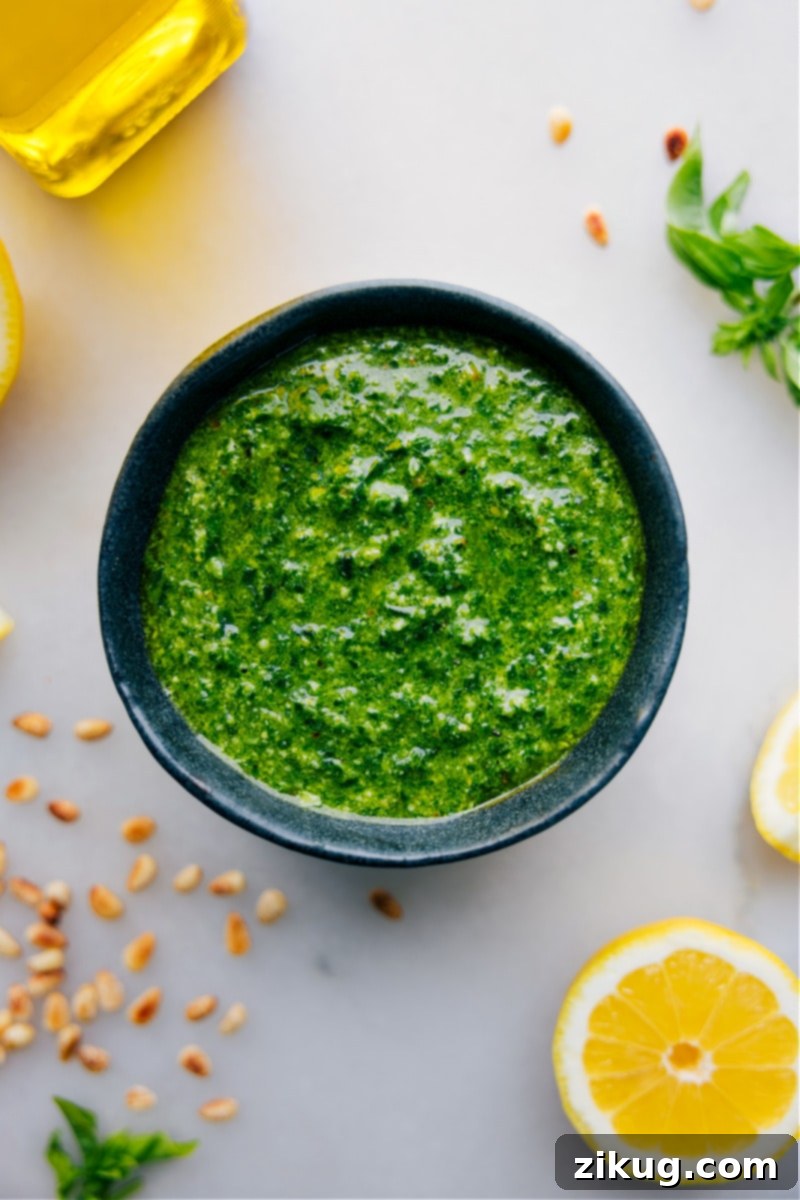
Authentic Pesto Recipe: Elevate Your Dishes with This Flavorful Homemade Sauce!

Author’s Culinary Journey
A Pesto Recipe That Changed My Kitchen: Straight From New Zealand!
Pesto has always held a special place in my heart. It’s that magical ingredient capable of transforming an ordinary meal into something extraordinary, infusing vibrant flavors and a touch of gourmet elegance. For years, I experimented with various recipes, always searching for that elusive “perfect” version that would truly capture the essence of what pesto should be.
My quest for the ultimate pesto ended during a memorable trip to the stunning landscapes of New Zealand. There, I had the privilege of tasting a pesto that transcended all my previous experiences. It was incredibly fresh, perfectly balanced, and bursting with an aromatic richness I had never encountered. Naturally, my culinary curiosity led me to approach the chef, hoping to glean some secrets. To my absolute delight and surprise, he generously shared his cherished recipe with me!
Upon returning home, I was eager to recreate that culinary magic in my own kitchen. I immediately began testing and adapting the recipe, making a few thoughtful adjustments to scale it for home cooking. After some fine-tuning to perfect the measurements, I successfully replicated that same incredible pesto. The vibrant green color, the intoxicating aroma, and the unforgettable taste were all there. Now, making a fresh batch of this homemade pesto has become a cherished weekly ritual. It’s more than just a sauce; it’s a versatile staple that continually inspires new culinary creations, proving how truly simple yet profound great food can be.
This recipe is incredibly easy to follow and consistently delivers a pesto that rivals any restaurant’s. It’s a game-changer not only for its exceptional flavor but also for its simplicity, making gourmet cooking accessible on any weeknight. Get ready to elevate your culinary game with this authentic and easy-to-make homemade pesto!
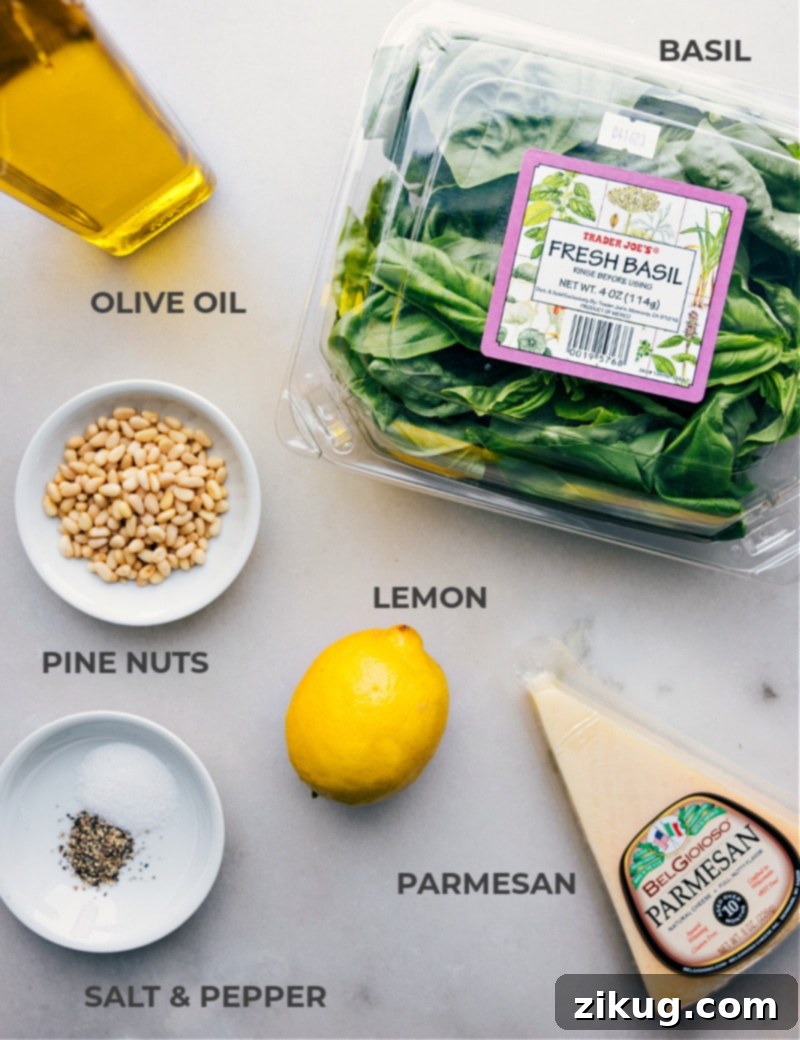
Essential Ingredients for the Best Homemade Pesto
Making a truly outstanding pesto requires quality ingredients. Each component plays a vital role in achieving that perfect balance of fresh, savory, and tangy flavors. Here’s a closer look at what you’ll need and why each choice matters, ensuring your homemade pesto is nothing short of spectacular:
- Fresh Basil Leaves: The heart and soul of any classic pesto. Always opt for the freshest basil you can find. Look for vibrant green leaves without any wilting or dark spots. Older basil can impart a slightly bitter taste and often results in a duller, browner pesto due to oxidation. For the most aromatic and flavorful results, pick basil that has just been harvested.
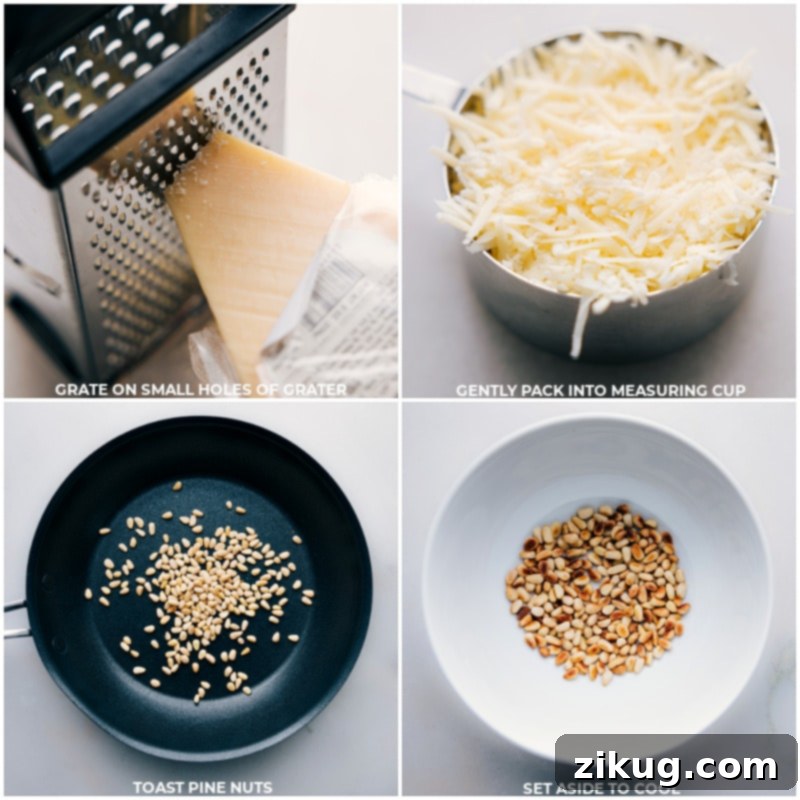
- Pine Nuts: These small, delicate nuts contribute a subtle, buttery texture and a characteristic nutty flavor to traditional pesto. To truly unlock their full potential and enhance their richness, always toast your pine nuts lightly in a dry pan until they are golden brown and wonderfully fragrant. Keep a close eye on them, as they can burn quickly!
- High-Quality Olive Oil: The choice of olive oil significantly impacts the overall flavor and texture of your pesto. I strongly recommend using a good-quality extra virgin olive oil. Its fruity notes and smooth consistency will beautifully emulsify with the other ingredients, creating a luxurious and creamy sauce. Avoid using strongly flavored or overly bitter olive oils, as they can easily overpower the delicate basil.
- Freshly Grated Parmesan Cheese: Forget the pre-shredded stuff! For the best flavor and texture, use a block of authentic Parmesan cheese (Parmigiano-Reggiano if possible) and grate it finely yourself. Freshly grated Parmesan melts more smoothly into the pesto and offers a much richer, sharper, and saltier taste compared to its pre-packaged counterparts, which often contain anti-caking agents that hinder proper blending.
- Fresh Lemon Juice: A squeeze of fresh lemon juice is a game-changer! It adds a bright, tangy kick that cuts through the richness of the oil and cheese, expertly balancing the flavors and preventing the pesto from tasting too heavy. It also plays a crucial role in helping to preserve the vibrant green color of the basil by slowing down oxidation.
- Sea Salt and Freshly Ground Black Pepper: Simple seasonings, yet absolutely crucial for bringing all the flavors together. A good pinch of flaky sea salt (or fine sea salt) and freshly ground black pepper will enhance all the other ingredients. Start with a conservative amount and adjust to your taste preferences, remembering that the Parmesan cheese also contributes a significant amount of salinity.
Mastering Basil Measurement: Why a Food Scale is Your Best Friend
One of the most common challenges in making a consistently delicious homemade pesto is accurately measuring the basil. Depending on how tightly you pack the leaves into a measuring cup, the quantity can vary significantly, leading to inconsistent results in flavor and texture. This variability can drastically alter the final outcome of your vibrant green sauce.
- My top tip for precision: Invest in a reliable food scale. Using a food scale takes all the guesswork out of measuring, ensuring you have the exact amount of basil needed for a perfect batch every single time. This precision is absolutely key to replicating the incredible taste of this recipe consistently, allowing you to achieve that ideal balance of flavors without fail.
- For this particular recipe, you’ll need precisely 4 ounces (which is approximately 100-110 grams) of fresh basil leaves. If you don’t have a food scale immediately available, a practical and highly recommended alternative is to purchase fresh basil that comes in a pre-packaged container clearly stating its weight. This way, you can be confident that you’re starting with the correct base amount for your vibrant homemade pesto, setting you up for success.
Pesto Variations: Get Creative with Your Greens and Nuts!
Switch Things Up: Unleash Your Pesto Creativity
While classic basil pesto is a timeless favorite, the true beauty of this versatile sauce lies in its remarkable adaptability. Don’t hesitate to experiment with different greens and nuts to create unique flavor profiles that perfectly cater to your taste preferences or dietary needs. These variations open up a world of culinary possibilities beyond the traditional:
- Different Greens for a Fresh Twist: Swapping out or supplementing basil can dramatically change your pesto’s character.
- Arugula Pesto: Offers a peppery, slightly bitter kick that pairs wonderfully with grilled steak, roasted vegetables, or as a vibrant pizza topping.
- Spinach Pesto: A milder and often sweeter alternative, perfect for those who find basil too strong, or for subtly sneaking in extra greens. It works great in lasagna, mixed into scrambled eggs, or as a base for creamy sauces.
- Kale Pesto: Provides an earthy, robust flavor and a significant nutrient boost. For the best texture and to mellow any bitterness, it’s often recommended to blanch kale first.
- Parsley Pesto: Delivers a clean, fresh, and distinctly herbaceous note. This lighter version is excellent with fish, chicken, or as a brighter alternative to basil pesto.
- Mixed Green Pesto: Combine basil with a smaller amount of spinach or arugula for a more complex and nuanced flavor without fully diverging from the classic taste.
- Nut Substitutes for Unique Flavors: Pine nuts are classic, but other nuts can provide fascinating alternative flavors and textures.
- Walnuts: A popular, more economical choice than pine nuts, offering an earthy, slightly bitter undertone that works beautifully, especially in robust dishes.
- Cashews: For a creamier, subtly sweet pesto. These nuts blend exceptionally well, yielding a very smooth and rich texture that’s great for dressings.
- Almonds: Provide a slightly crunchy texture and a delicate, sweet flavor. Blanched almonds work best for a smoother finish and lighter color.
- Hazelnuts: Impart a rich, distinctive, and slightly sweet flavor. Toasting them will deepen their unique aroma and make them even more complementary.
- Allergy-Friendly Nut-Free Pesto: If you or someone you’re cooking for has a nut allergy, there are excellent safe alternatives. Sunflower seeds are a fantastic option; toast them lightly to enhance their flavor before blending. You can also use pumpkin seeds for a similar effect, offering a slightly different, earthy nutty profile. These alternatives ensure everyone can enjoy a delicious pesto!
Choosing Your Pesto Power Tool: A Guide to Blending Equipment
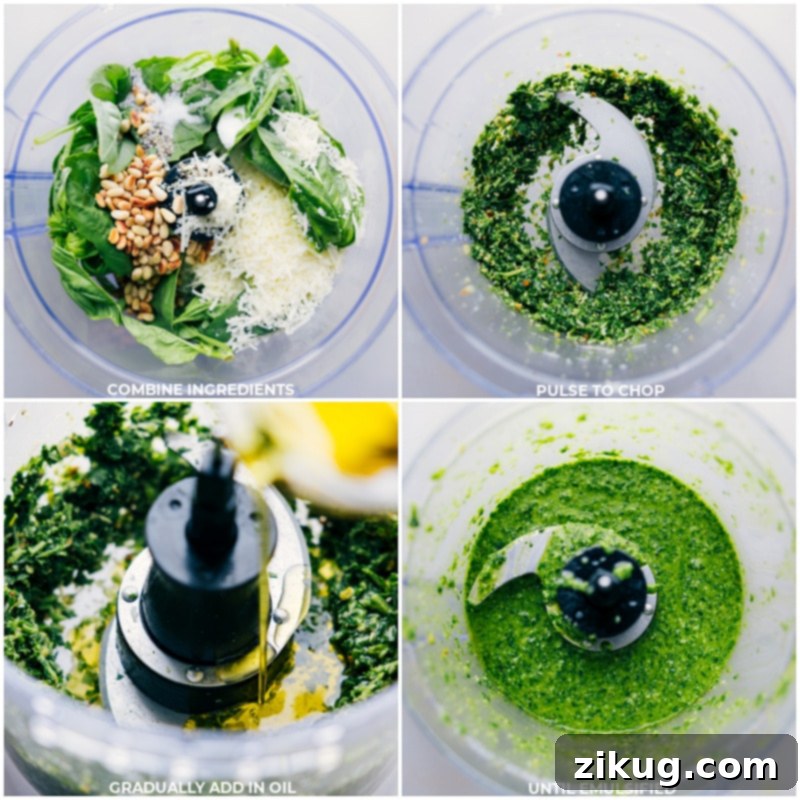
The tool you choose for making your pesto can significantly impact its final texture. Whether you prefer a rustic, slightly chunky pesto or a super smooth, emulsified sauce, there’s an ideal kitchen appliance for the job. Consider your batch size and desired consistency when selecting your equipment to achieve the perfect homemade pesto:
- Food Processor: This is generally the top recommendation for making pesto, especially for larger batches. A good food processor will efficiently chop and blend all ingredients into a beautifully smooth and creamy texture without over-processing the basil (which can make it bitter). Its wide bowl and sharp blades make it easy to scrape down the sides and achieve consistent results. It’s a reliable choice for consistent, medium to large batches.
- Blender: A powerful blender can also work wonders for making pesto, particularly for bigger quantities. However, blenders can sometimes struggle with smaller amounts of ingredients, requiring more frequent stopping and scraping to ensure everything is incorporated evenly. If using a blender, you might need to add a touch more olive oil to help it blend smoothly, achieving a slightly looser consistency. Blenders are great for very smooth pesto, but less ideal for chunky versions.
- Immersion Blender (Hand Blender): Ideal for small batches of pesto, an immersion blender offers convenience and minimal cleanup. While it can produce a good pesto, it generally won’t achieve the same level of smoothness or emulsification as a food processor. The resulting texture tends to be a bit more rustic and less uniform, which some prefer for a charming homemade feel. It’s perfect for a quick, small serving.
- Mortar and Pestle: For the ultimate traditional pesto experience and a truly authentic texture, a mortar and pestle is the way to go. This age-old method gently bruises the basil, releasing its essential oils more slowly and intensely, resulting in a remarkably aromatic and flavorful pesto. It requires more effort and time but is incredibly rewarding, yielding a pesto with a unique, slightly coarse texture that highlights the individual ingredients. This is perfect for small, artisanal batches.
- Spice/Nut Grinder: A small spice or nut grinder can be a fantastic finishing tool for achieving an exceptionally smooth pesto. I often start my pesto in a food processor or blender and then transfer a portion to a nut grinder for a final pulse. This step helps break down any remaining tiny pieces of basil or nuts, creating an almost velvety texture that is perfect for spreading or dressing delicate dishes.
Storage Tips for Your Fresh Homemade Pesto
Maximizing Freshness: How to Store Your Homemade Pesto
Homemade pesto is incredibly delicious, but basil is delicate and prone to browning when exposed to air (oxidation). Proper storage is crucial to maintain its vibrant green color and fresh, aromatic flavor. Here’s a comprehensive guide on how to keep your homemade pesto at its absolute best, ensuring you can enjoy its deliciousness for as long as possible:
- Refrigeration for Short-Term Use: Store your freshly made pesto in an airtight container in the refrigerator for up to 3 to 5 days. To prevent the top layer from oxidizing and turning an unappetizing brown, pour a thin layer of high-quality extra virgin olive oil over the entire surface of the pesto before sealing the container. This creates a protective barrier that effectively keeps the air out, preserving both color and flavor.
- Freezing for Longer Shelf Life: Pesto freezes beautifully, making it an excellent candidate for meal prep or preserving a large batch of fresh summer basil. When properly stored, it can be kept in the freezer for up to 3 months, and often even longer without significant loss of quality.
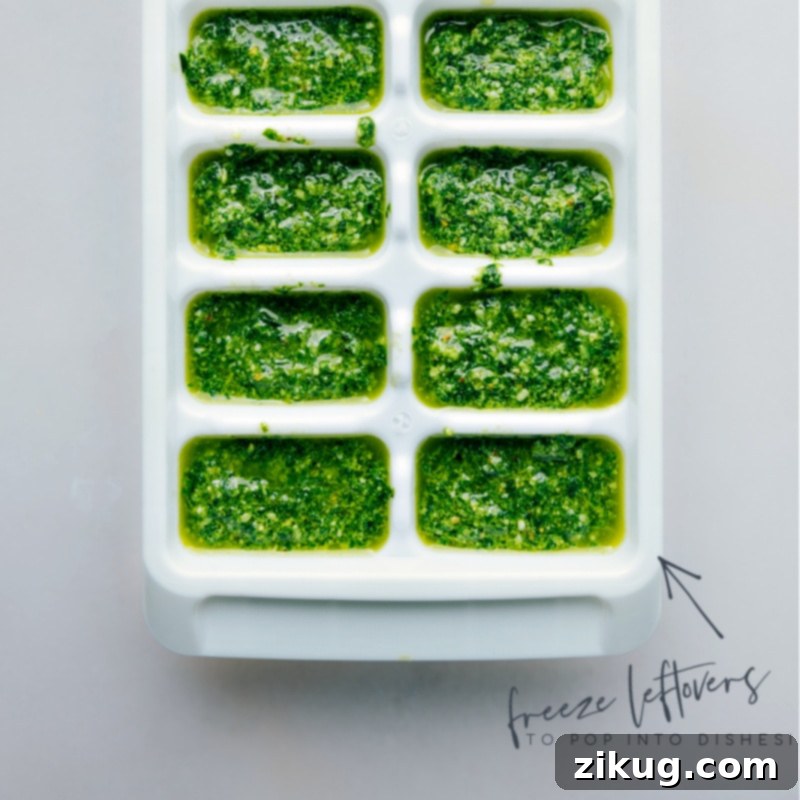
- Efficient Freezing in Ice Cube Trays: This is an ingenious and highly recommended method for perfect portion control. Simply spoon individual portions of pesto into standard ice cube trays and freeze until they are completely solid. Once frozen, pop out the pesto cubes and transfer them to a freezer-safe bag or container. Label the container with the date for easy tracking, and return it to the freezer. This allows you to thaw only the precise amount you need for a single meal or recipe, minimizing waste and maximizing convenience.
- Thawing and Using Frozen Pesto: When you’re ready to incorporate your frozen pesto into a dish, you have a couple of convenient options. You can transfer the desired number of pesto cubes to the refrigerator to thaw slowly overnight. Alternatively, for quick use, you can add the frozen pesto cubes directly to hot pasta, warm soups, or simmering sauces; they will melt and integrate beautifully into your dish. Just remember to give the pesto a quick taste after thawing and adjust the seasonings (salt, pepper, lemon juice) as needed, as freezing can sometimes slightly mute the flavors.
By following these simple yet effective storage tips, you can extend the life of your homemade pesto, ensuring you can enjoy its fresh, bright flavors long after you’ve made it, and confidently incorporate it into countless delicious meals.
Unlock Flavor: Delicious Ways to Use Your Homemade Pesto!
Sandwiches
Pesto Chickpea Sandwiches
Dinner
Pesto Rice
Dinner
Creamy Pesto Orzo (30 Minutes; ONE Pot!)
Lunch
Pesto Chicken Salad
Print Recipe
The Best Homemade Pesto Recipe
By
Chelsea Lords
This exquisite pesto recipe, perfected after a culinary discovery in New Zealand, is guaranteed to be a sensational addition to your kitchen! Effortless to prepare and bursting with fresh, aromatic flavors, it’s the ultimate homemade sauce to transform any dish into a gourmet experience.
Prep Time:
15 minutes
Total Time:
15 minutes
Yields:
8 servings
Equipment
- Small pan (for toasting nuts)
- Food scale (highly recommended for basil accuracy)
- Food processor (or blender or nut grinder for extra smoothness)
Ingredients
- 2-1/2 tablespoons pine nuts (toasted)
- 4 ounces fresh basil leaves (approx. 100-110 grams, precisely measured)
- 11 tablespoons olive oil (or 3/4 cup minus 1 tablespoon, high-quality extra virgin preferred)
- 1/3 cup freshly grated Parmesan cheese (from a block)
- 2 tablespoons fresh lemon juice
- Salt and pepper (to taste, preferably sea salt and freshly ground black pepper)
Instructions
- Preheat a small, dry pan over medium-high heat. Add the pine nuts in an even layer and toast, stirring frequently, until they are lightly golden brown and fragrant. Be very careful as they burn quickly! Immediately transfer the toasted pine nuts to a separate bowl to cool completely.
- Combine all ingredients, except the olive oil, into your food processor or blender. Season to taste; I typically start with a generous 1/2 teaspoon of sea salt and 1/4 teaspoon of freshly ground black pepper. Pulse the mixture until all ingredients are finely chopped. Pause as needed to scrape down the sides of the bowl with a spatula to ensure even blending.
- With the food processor or blender running on low, gradually drizzle in the olive oil through the feed tube. Continue to pulse and blend until the pesto reaches your desired consistency – smooth or slightly chunky. If you aim for an exceptionally smooth pesto and your appliance isn’t quite achieving it, consider transferring the mixture to a nut grinder for a final pass, or keep stirring/scraping the edges and continue to pulse in the food processor/blender.
- Taste the pesto and adjust the seasonings as needed. If it tastes slightly bitter, add a touch more salt. For a brighter flavor, a little more lemon juice can make a difference. If you prefer a creamier texture, stir in an additional tablespoon of freshly grated Parmesan cheese. Remember, homemade pesto has a very concentrated flavor, which will mellow out wonderfully when incorporated into a dish. It’s naturally thick, but you can thin it slightly with more olive oil if a looser consistency is desired.
- Your fresh homemade pesto is now ready to use! Explore the various serving suggestions provided in the blog post above. It’s fantastic tossed with pasta, spread on avocado toast, or as a flavorful addition to sandwiches and wraps.
Recipe Notes
Note 1: Basil Measurement Accuracy: Achieving the perfect pesto often hinges on accurate basil measurement. The volume of basil can vary greatly depending on how tightly it’s packed into a cup. For reliable results, use a food scale. Weighing your basil ensures consistent flavor and texture every time. If using a scale, consider converting the entire recipe to metric grams for even greater precision.
Note 2: Achieving Optimal Pesto Consistency: While a food processor or blender works well, for an incredibly smooth pesto, I swear by finishing the blending process in a nut grinder. This extra step helps emulsify the ingredients further and eliminates any remaining tiny basil or nut pieces, resulting in a velvety texture. Experiment to find your preferred consistency!
Note 3: Fresh Basil Selection: You will need 4 ounces (approximately 100-110 grams) of fresh basil leaves. If a food scale isn’t available, look for basil sold in pre-weighed packets to ensure you have the correct amount. Always use the freshest basil possible; older leaves can lead to a less vibrant green color and a slightly altered flavor profile once blended due to rapid oxidation.
Note 4: Parmesan Cheese Quality: For the best flavor and melting quality, always use a solid block of Parmesan cheese and grate it finely yourself. Avoid canned or pre-grated Parmesan, which often contains anti-caking agents and can be excessively salty, preventing it from blending smoothly and impacting the overall taste.
Note 5: Pesto Storage Best Practices: Store your homemade pesto in a meticulously airtight container in the refrigerator for up to 3 to 5 days. For longer storage, freeze it for up to 3 months. To prevent the surface from browning (oxidation), always cover the top of the pesto with a thin layer of olive oil before sealing and storing. This creates a protective barrier against air.
Nutrition Information
(Approximate values per serving, based on 8 servings)
- Serving: 1 serving
- Calories: 238 kcal
- Carbohydrates: 1g
- Protein: 2g
- Fat: 25g
- Saturated Fat: 4g
- Polyunsaturated Fat: 3g
- Monounsaturated Fat: 17g
- Cholesterol: 3mg
- Sodium: 68mg
- Potassium: 68mg
- Fiber: 0.4g
- Sugar: 0.3g
- Vitamin A: 781IU
- Vitamin C: 4mg
- Calcium: 75mg
- Iron: 1mg
Nutrition information is automatically calculated and should be used as an approximation. Individual results may vary based on specific ingredients and preparation methods.
Creative Ways to Enjoy Your Homemade Pesto
Once you’ve mastered this incredible homemade pesto recipe, you’ll find endless opportunities to incorporate its vibrant flavor into your daily meals. Beyond just pasta, pesto is a remarkably versatile sauce that can elevate almost any dish. Its fresh, herbaceous notes and rich texture make it a fantastic addition to a wide range of culinary creations. Here are some of my favorite creative applications to inspire your next meal:
- Perfect Pasta Partner: The classic pairing for a reason! Toss your freshly cooked pasta with a generous spoonful of pesto for a simple, yet intensely flavorful meal. Try it in a creamy pesto pasta, or mix it into a refreshing pesto pasta salad for picnics and potlucks, offering a delightful twist on a traditional favorite.
- Elevated Spreads and Toasts: Spread a thin layer of pesto on warm bread, toast, or crackers. It’s divine on avocado toast, instantly adding a gourmet touch to your breakfast or brunch. Use it as a vibrant base for sandwiches, wraps, or Panini, often paired beautifully with fresh tomatoes, creamy mozzarella, or your favorite roasted vegetables.
- Flavorful Dips and Appetizers: Pesto makes an amazing dip that’s both elegant and easy! Serve it with a platter of fresh, crisp vegetables (think carrots, cucumber, bell peppers), sturdy crackers, or warm breadsticks. For an extra creamy dip, you can also swirl it into hummus or Greek yogurt, adding an herbaceous depth.
- Marinades for Grilled Delights: Infuse your proteins with incredible flavor by using pesto as a marinade. It works wonderfully with grilled chicken, delicate fish fillets, succulent shrimp, or even a robust steak. The olive oil and lemon in the pesto help tenderize the meat while brightening its flavor.
- Pizza and Flatbread Topping: Ditch the traditional red sauce and use pesto as the vibrant base for your next pizza or flatbread. Top with fresh mozzarella, cherry tomatoes, and a sprinkle of red pepper flakes for a delightful and visually appealing alternative to classic pizza.
- Soups and Stew Enhancer: Stir a dollop of pesto into your favorite vegetable soup, hearty minestrone, or even a simple tomato soup just before serving. It adds a burst of freshness, a touch of richness, and a depth of flavor that can transform an ordinary soup into something extraordinary.
- Breakfast Booster: Don’t underestimate pesto at breakfast! Swirl it into scrambled eggs, omelets, or frittatas for an instant upgrade. It also pairs beautifully with roasted potatoes, savory breakfast bowls, or as a condiment alongside your morning eggs.
- Salad Dressing Base: Whisk pesto with a little extra olive oil, a splash of your favorite vinegar (like balsamic or apple cider), and a touch more lemon juice to create a quick and intensely flavorful salad dressing. It’s perfect for green salads, hearty grain bowls, or even a vibrant potato salad.
- Vegetable Roasting Companion: Toss roasted vegetables like zucchini, bell peppers, asparagus, broccoli, or potatoes with pesto immediately after they come out of the oven. The warmth helps the pesto’s flavors bloom, creating a delicious and aromatic side dish that’s packed with taste.
With this incredible homemade pesto, your culinary possibilities are truly limitless. Enjoy experimenting and discovering your own favorite ways to incorporate this vibrant, flavorful sauce into your meals, turning everyday dishes into gourmet experiences!