
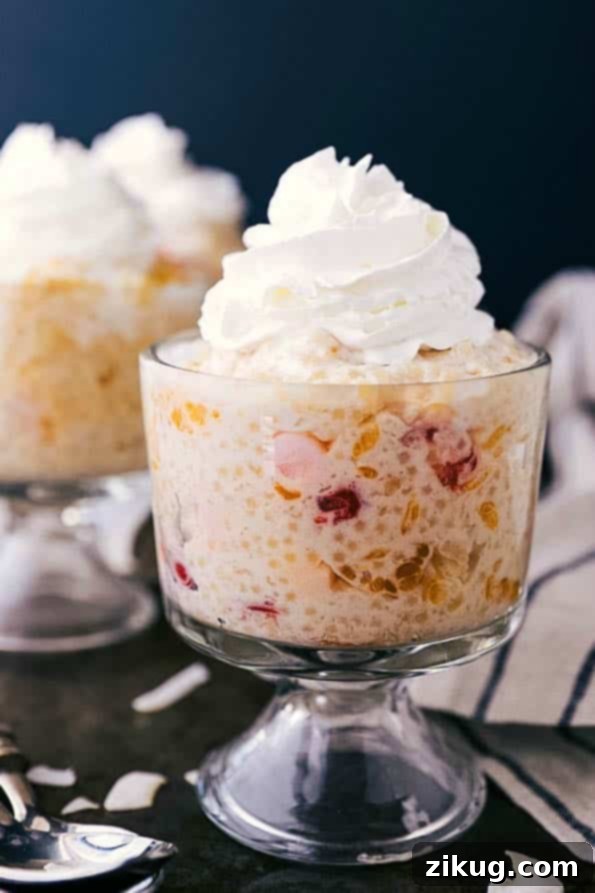
Frog Eye Salad: A Timeless Retro Dessert or Side Dish
Step back in time with a classic that’s as whimsical as its name: Frog Eye Salad. This beloved retro “salad” effortlessly blends the sweetness of canned fruits, the unique texture of acini de pepe pasta, and a light, fluffy whipped topping into a delightful dish. Whether served as a refreshing side or a charming dessert, Frog Eye Salad promises a taste of nostalgia and a smile at every gathering.
More than just a quirky name, this dish holds a special place in the hearts of many, especially in regions like Utah, where it’s a staple at holiday dinners and family potlucks. It pairs wonderfully with a variety of other classic side dishes, complementing hearty meals like Mashed Potatoes, vibrant Roasted Vegetables, savory Parmesan Brussels Sprouts, or a comforting Sweet Potato Casserole.
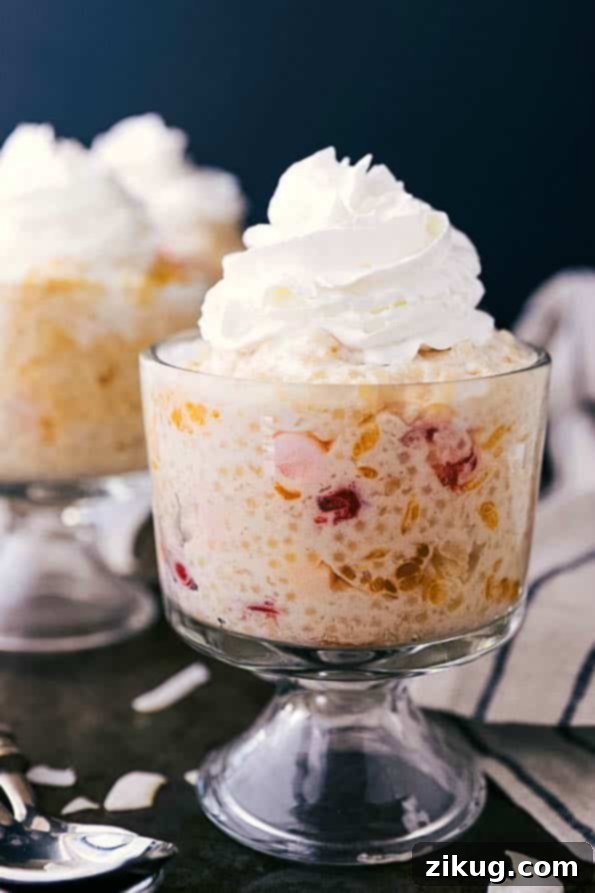
What Exactly Is Frog Eye Salad?
For those unfamiliar with this charmingly peculiar dish, Frog Eye Salad is a sweet concoction that defies traditional salad definitions. Originating from mid-century American kitchens, particularly popular in the Intermountain West, it’s a unique pasta salad where tiny pasta pearls, called acini de pepe, are suspended in a creamy, pineapple-infused custard. This base is then generously mixed with an assortment of canned fruits, primarily pineapple and mandarin oranges, and finished with a light, airy whipped topping. Often, miniature marshmallows and shredded coconut are added for extra texture and sweetness.
Growing up in Utah, Frog Eye Salad wasn’t just a recipe; it was a tradition. It was a guaranteed sight at every family gathering, potluck, or holiday feast, often alongside other beloved gelatin-based “salads” or creamy delights like Watergate Salad. Its unusual name always sparked curiosity, making it a conversation starter even before the first spoonful.
While its sweetness often qualifies it as a dessert, in many homes, especially in Utah, it’s proudly served as a side dish. This ingenious classification allows for more room on the plate (and in the stomach!) for other decadent treats like 7 Layer Bars, rich Carmelitas, or tangy Lemon Bars. It’s a testament to its versatility and undeniable appeal.
The Origin of the Quirky Name: Frog Eye Salad
The name “Frog Eye Salad” is undoubtedly its most distinguishing and memorable feature, often evoking chuckles and curious glances. While a definitively documented “original story” remains elusive, the widely accepted explanation is quite simple and visual: the tiny, spherical acini de pepe pasta pearls, when cooked and mixed into the salad, bear a striking resemblance to small frog eyes. This playful, slightly whimsical, and perhaps a little bit eerie, visual association stuck, giving this sweet pasta salad its unforgettable moniker.
Despite its (admittedly) quirky name, the salad itself is far from creepy. It’s a delightful blend of textures and flavors – the chewiness of the pasta, the softness of the fruits, and the lightness of the whipped topping – all coated in a rich, sweet custard that truly makes it a unique addition to any meal. This playful naming convention is a hallmark of many retro American dishes, often designed to catch attention and add a touch of fun to the dining experience.
Unpacking the Core Components of Frog Eye Salad
Frog Eye Salad is more than just its funny name; it’s a symphony of simple ingredients coming together to create something truly special. Let’s delve into the key elements that make this dish a beloved classic:
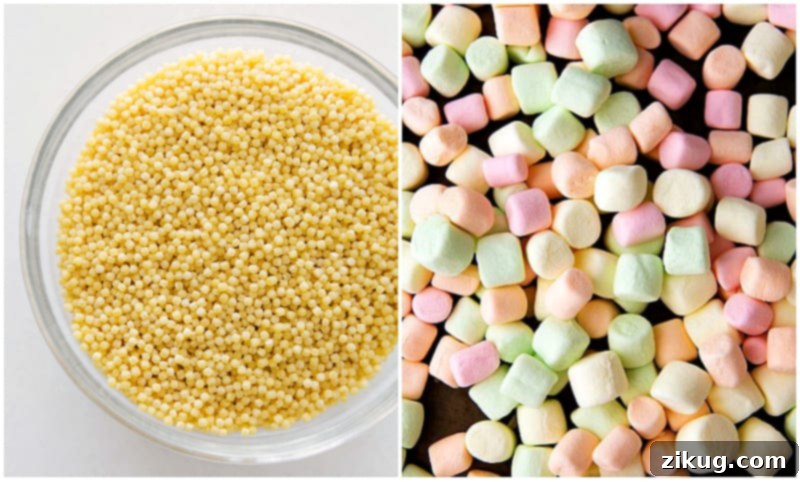
- Acini de Pepe Pasta: This is the star ingredient that gives the salad its signature “frog eye” appearance. Acini de pepe are incredibly tiny, pearl-shaped pasta pieces, smaller than peppercorns, hence the Italian name meaning “grape seeds.” When cooked al dente, they offer a delightful bite that contrasts beautifully with the soft fruits and creamy dressing.
- The Custard Base: What truly sets Frog Eye Salad apart from a typical fruit salad is its rich, sweet custard. Made from pineapple juice, eggs, sugar, and flour, this cooked custard creates a velvety binder that infuses the entire dish with a tropical sweetness and a luxurious mouthfeel. A touch of lemon juice often brightens the flavor, cutting through the sweetness with a hint of tang.
- Canned Fruits: Convenience is key in many retro recipes, and Frog Eye Salad embraces it fully with canned fruits. Pineapple (both tidbits and crushed) and mandarin oranges are the traditional choices, providing a burst of juicy sweetness and a vibrant color palette. The trick here is to drain them exceptionally well to avoid a watery salad.
- Whipped Topping: The final flourish comes from whipped topping, which lightens the entire mixture, giving it an airy, cloud-like consistency. It transforms the custard-coated fruit and pasta into a fluffy, irresistible delight.
- Optional Embellishments: For an extra layer of texture and sweetness, miniature marshmallows (especially the colorful ones!) and shredded coconut are often folded in just before serving, adding to the salad’s festive and playful nature.
Understanding these components reveals why Frog Eye Salad, despite its humble ingredients, has endured as a treasured recipe for generations.
Preparing Acini de Pepe Pasta for Frog Eye Salad
Don’t let the unique name of acini de pepe pasta intimidate you; cooking it is as straightforward as preparing any other pasta. The key is to achieve that perfect al dente texture that holds up well in the salad.
Here’s how to cook it just right:
- Bring a pot of water to a rolling boil. Season with a pinch of salt if desired.
- Add the acini de pepe pasta to the boiling water, stirring gently to prevent sticking.
- Reduce the heat slightly to maintain a gentle boil and set a timer.
- For salads, where you want the pasta to be tender yet firm to the bite (al dente), cook for approximately 6 minutes.
- If you prefer a softer, more tender pasta, especially for soups or if you like a very soft texture in your salad, cook for about 8 minutes.
- Once cooked, drain the pasta thoroughly and rinse it immediately with very cold water. This stops the cooking process and prevents the pasta from sticking together, ensuring individual pearls ready for your salad. Place the rinsed pasta in a large bowl and chill in the refrigerator while you prepare the other ingredients.
Quick Tip: All About Acini de Pepe
Acini de pepe translates from Italian as “grape seeds,” a fitting description for its diminutive, spherical shape. It’s often categorized alongside pastina, which is Italian for “tiny dough.” While some pasta manufacturers distinguish pastina as being even smaller or shaped differently (like tiny stars), acini de pepe generally refers to the small, round pearls that are roughly the size of couscous or slightly smaller than peppercorns. Despite its unique appearance, cooking it is no more complex than preparing any other pasta, simply boil and drain!
Pasta Alternatives for Frog Eye Salad
While acini de pepe is the traditional pasta for Frog Eye Salad, it might not always be readily available in every grocery store. But don’t worry, a delightful Frog Eye Salad is still within reach! The best substitute, and one that closely mimics the visual and textural appeal, is pastina pasta. Many varieties of pastina come in tiny star shapes or even small, irregular grains that work perfectly. Their small size integrates seamlessly with the fruit and custard, maintaining the salad’s signature look and feel.
If pastina is also hard to find, another option, though less traditional, could be orzo (rice-shaped pasta) or even small couscous, though these will slightly alter the “frog eye” aesthetic. The key is to use a small pasta that doesn’t overwhelm the delicate balance of the salad’s other ingredients.
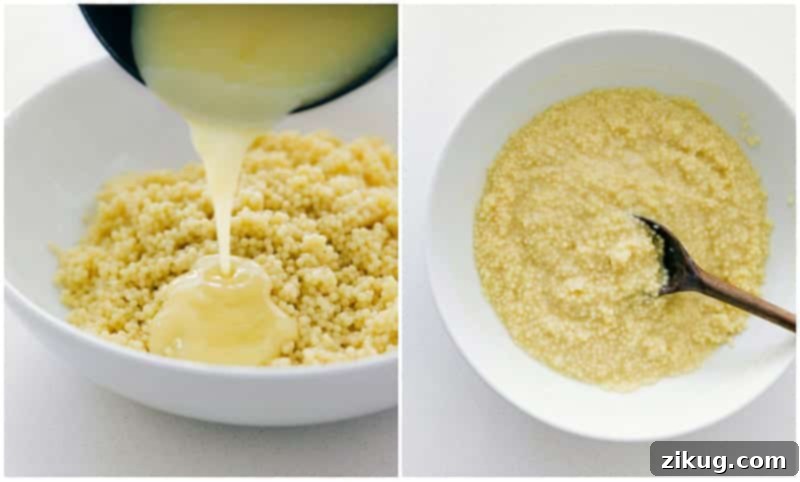
Mastering the Art of Frog Eye Salad: A Step-by-Step Guide
Crafting the perfect Frog Eye Salad is a rewarding process that results in a refreshing and unique dish. Here’s a comprehensive look at how to bring all these delicious components together:
- Prepare the Pasta: Begin by cooking the acini de pepe (or your chosen substitute) according to package directions until it reaches an *al dente* consistency. Immediately drain the pasta and rinse it thoroughly under very cold water to halt the cooking process and prevent stickiness. Transfer the cooled pasta to a large bowl and refrigerate while you move on to the next steps.
- Extract Pineapple Juice: Drain your cans of pineapple tidbits and crushed pineapple, making sure to reserve at least 1 cup of the juice. If one can doesn’t yield enough, combine the juice from both. This pineapple juice forms the flavorful base of your custard.
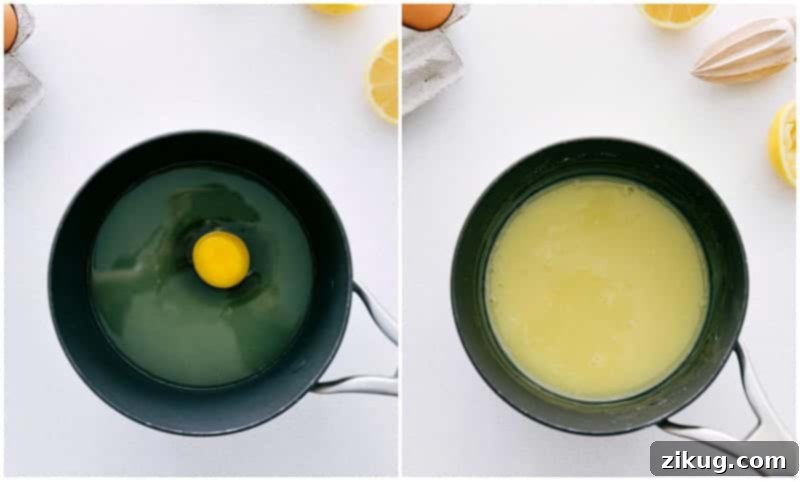
- Create the Luscious Custard: In a small bowl, whisk 1 tablespoon of the reserved pineapple juice with the flour until a smooth paste forms. In a medium saucepan, pour the remaining pineapple juice and briskly whisk in the egg. Add the flour paste to the saucepan, whisking constantly to ensure no lumps. Stir in the granulated sugar and salt.
- Cook and Chill the Custard: Cook the mixture over medium heat, stirring occasionally, until it thickens to a consistency similar to pudding, which typically takes about 10 minutes. Remove the pot from the heat and stir in ½ tablespoon of fresh lemon juice. Allow the custard to cool completely, preferably in the refrigerator for about 30 minutes, stirring occasionally to prevent a skin from forming. Once chilled, pour the custard over the cooled pasta in the large bowl and return it to the fridge until both are thoroughly cold.
- Prepare the Fruits: While the pasta and custard are chilling, open and drain your cans of mandarin oranges, crushed pineapple, and pineapple tidbits. This step is crucial: ensure all fruits are *very well drained*. Excess liquid will make your salad watery, impacting its creamy texture.
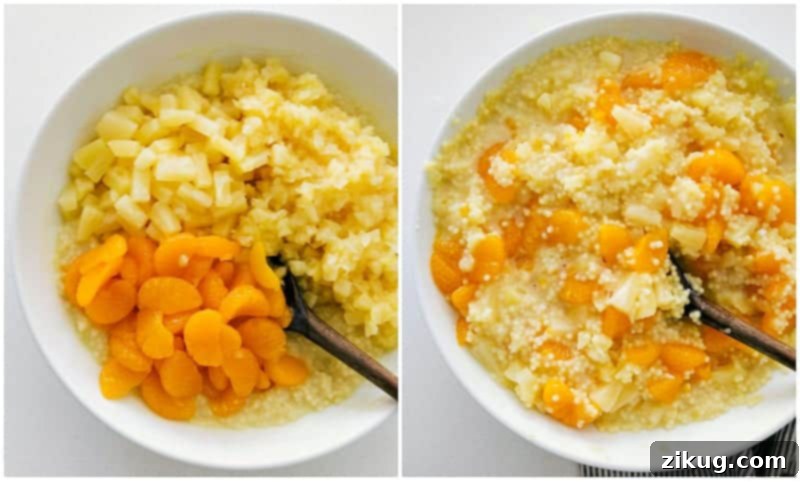
- Assemble the Salad: Once the pasta and custard mixture is completely chilled, gently fold in the well-drained fruits. Stir until they are evenly distributed.
- Incorporate Whipped Topping: Gently fold in the completely thawed whipped topping until all ingredients are thoroughly combined and the salad takes on a light, airy consistency. Be careful not to overmix, as this can deflate the topping.
- Final Chill and Serve: Cover the bowl and refrigerate the Frog Eye Salad for at least 30 minutes, or ideally overnight. This allows the flavors to meld beautifully and the salad to set. Just before serving, if desired, stir in miniature marshmallows and shredded coconut for added texture and visual appeal.
Tips for a Healthier Frog Eye Salad
While Frog Eye Salad is undeniably a sweet treat, there are several ways to make it a slightly more “better-for-you” choice without sacrificing its delightful flavor. Here are a few ideas to lighten up this retro classic:
- Choose Fruit Canned in Juice: This is a crucial step. Always opt for canned fruits that are packed in their own juice, not heavy syrup. This significantly reduces the amount of added sugars in the salad while still providing natural fruit sweetness.
- Opt for Lighter Whipped Topping Alternatives: Instead of traditional whipped topping, consider using “lite” versions or brands like Truwhip® which often contain fewer artificial ingredients. For a more natural option, you can whip your own fresh cream. While homemade whipped cream might be slightly higher in calories, it offers a cleaner ingredient list and a richer flavor. You can also control the amount of sugar added.
- Explore Alternative Sweeteners: For a different flavor profile and potentially a lower glycemic index, try using coconut sugar in place of white granulated sugar in the custard. Coconut sugar imparts a subtle caramel-like, coconut-y flavor that complements the tropical fruits beautifully. You can also experiment with other natural sweeteners, adjusting to taste.
Perfect Pairings: What to Serve with Frog Eye Salad
Frog Eye Salad’s unique sweet and creamy profile makes it incredibly versatile, fitting perfectly into meals as either a refreshing side or a light dessert. It beautifully balances richer, savory dishes, offering a palate cleanser that everyone will enjoy. Here are some fantastic main course pairings that highlight its versatility:
- Crock Pot Pot Roast: The tender, savory beef and gravy find a perfect sweet counterpoint in the salad.
- Shepherd’s Pie: The comforting, hearty nature of Shepherd’s Pie is wonderfully uplifted by the light, fruity notes of Frog Eye Salad.
- Crock Pot Sloppy Joes: The tangy, robust flavor of Sloppy Joes is complemented by the salad’s cool sweetness, making for a fun and family-friendly meal.
- Spaghetti Bolognese: A rich, meaty pasta dish finds a refreshing partner in this sweet fruit and pasta “salad.”
- Beef Ragu: The deep, savory notes of a slow-cooked beef ragu are beautifully balanced by the bright, sweet, and creamy Frog Eye Salad.
Beyond main courses, Frog Eye Salad is also an ideal addition to holiday buffets, summer barbecues, or any potluck where a dish that stands out from the crowd is appreciated. Its vibrant colors and unique texture always make it a hit!
Storage and Make-Ahead Tips
Frog Eye Salad is a fantastic make-ahead dish, as its flavors deepen and meld beautifully after a few hours or even overnight in the refrigerator. To store leftovers, transfer them to an airtight container and keep in the fridge for up to 3 days. Before serving, give it a gentle stir. If the salad appears to have lost some of its fluffiness, you can lightly fold in a bit of extra whipped topping to revive its airy texture. Freezing is not recommended, as the delicate texture of the pasta and whipped topping can become compromised upon thawing, leading to a watery and unappealing result.

Pin
Frog Eye Salad
Video
Equipment
-
Medium pot
Ingredients
- 1 cup acini di pepe pasta or pastina pasta
- 1 (20-ounce) can pineapple tidbits in juice (not syrup), drained but reserve the juice
- 1 (20-ounce) can crushed pineapple in juice, drained but reserve the juice
- 1 large egg
- 1 tablespoon all-purpose flour
- 1/2 teaspoon salt
- 1/2 cup granulated sugar
- 1 lemon
- 2 (15-ounce) cans mandarin oranges in juice
- 1 (8-ounce) container frozen whipped topping completely thawed, see note 1
- 1/3 cup miniature marshmallows colored preferred, optional
- 1/2 cup shredded coconut optional
Instructions
-
Prepare the pasta according to package directions to cook it al dente. Drain and rinse the pasta in very cold water. Place in a large bowl in the fridge.
-
Drain the pineapple tidbits to get 1 cup pineapple juice. Use more juice from the crushed pineapple if needed.
-
Remove 1 tablespoon of the pineapple juice and pour in a small bowl. Pour the remaining pineapple juice into a medium pot and set over medium heat. Briskly whisk in the egg. Add flour to the reserved tablespoon of pineapple juice and whisk with a fork until smooth like a paste—add to the egg and pineapple juice mixture, whisking constantly. Add in salt and sugar.
-
Cook over medium heat until the mixture has thickened, stirring occasionally, about 10 minutes. Remove the pot from the heat, stir in 1/2 tablespoon lemon juice, and allow to cool in the fridge for about 30 minutes. Pour over the pasta and return the bowl to the fridge until both the pasta and the pineapple juice mixture are completely chilled.
-
Meanwhile, open the cans and drain the mandarin oranges, crushed pineapple, and pineapple tidbits. Make sure all the canned fruits are very well drained or your salad will be watery.
-
Add the drained fruit into the cooled pasta mixture and gently stir together.
-
Gently fold in the thawed whipped topping until all the ingredients are well combined. Cover and refrigerate for at least 30 minutes to overnight.
-
If desired, stir in colored miniature marshmallows and shredded coconut right before serving.
Recipe Notes
Nutrition Note: Nutrition information does not include the optional coconut or marshmallows.
Storage: Store leftovers in an airtight container in the fridge for up to 3 days. Stir before serving, and add extra whipped topping if needed.
Nutrition
Nutrition information is automatically calculated, so should only be used as an approximation.