
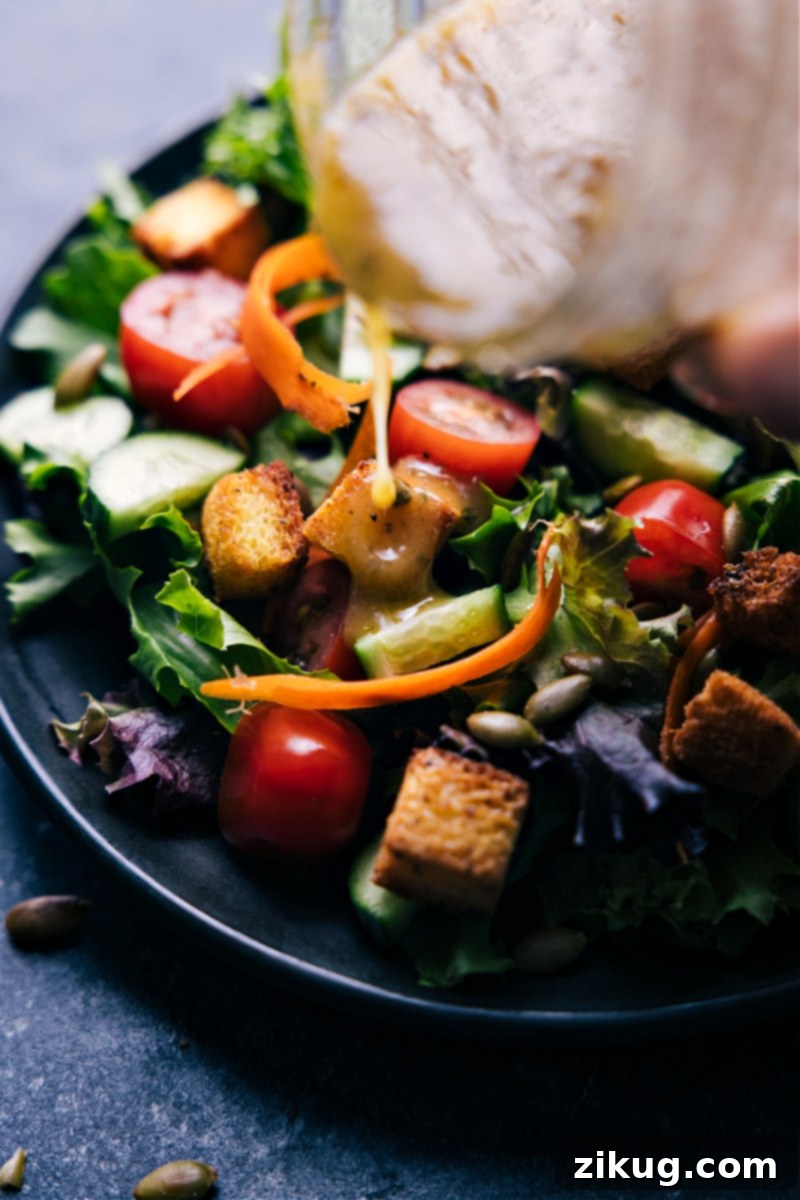
This simple Homemade Vinaigrette Recipe is about to become your absolute kitchen staple! Forget store-bought dressings laden with unnecessary additives; crafting your own vinaigrette is surprisingly easy, incredibly flavorful, and immensely versatile. Prepare a generous batch at the start of your week, and you’ll find yourself drizzling it over everything from crisp green salads and perfectly roasted vegetables to grilled fish and succulent chicken. There’s truly nothing that compares to the fresh, vibrant taste of a homemade dressing, and this classic recipe is designed to be the very best!
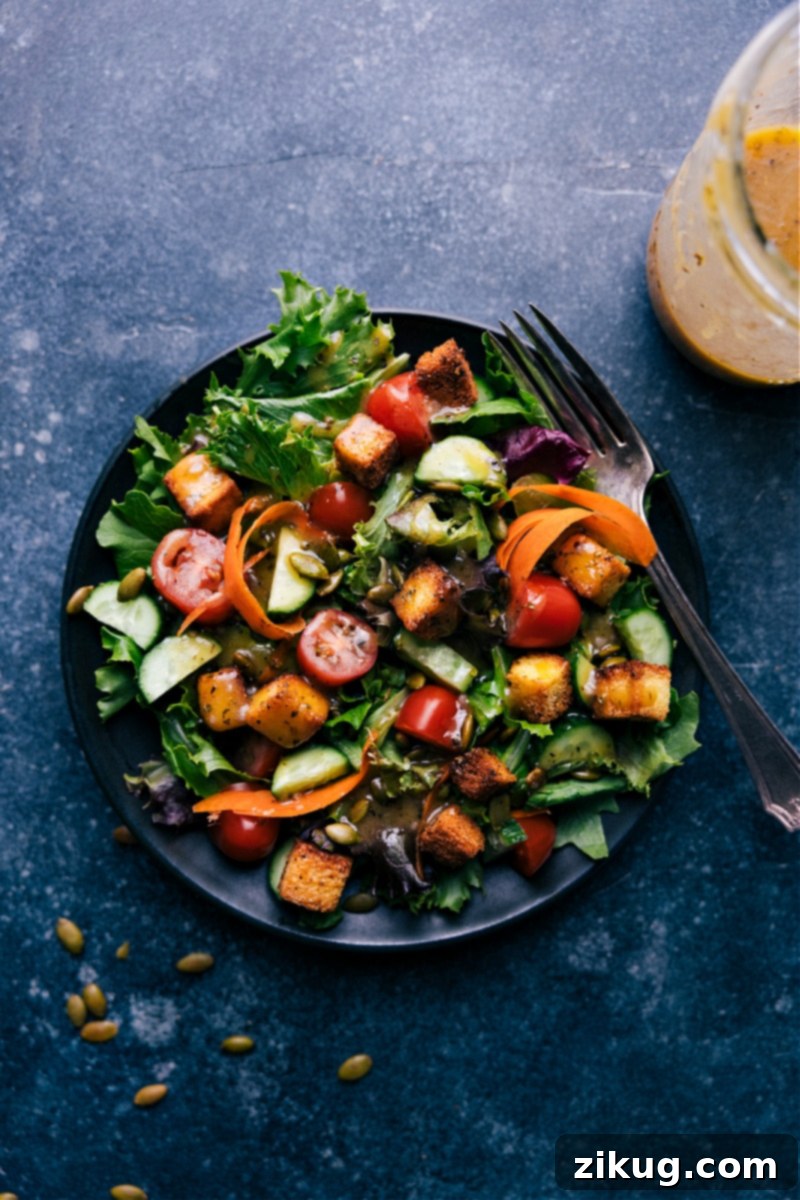

Author’s Culinary Journey
How a Master Chef Unlocked the Secret to Effortless Vinaigrette
My culinary adventure with vinaigrettes began during my college years, working at an exquisite high-end restaurant. The executive chef there was a true magician in the kitchen, and every evening, without fail, he’d whip up a fresh batch of vinaigrette. What fascinated me most was his approach: no measuring cups, no precise spoons. Just a confident pour of premium oil, a splash of aromatic vinegar, a hint of something sweet, and a pinch of perfectly balanced seasoning. And somehow, every single time, the result was nothing short of perfection.
Witnessing his intuitive process, I quickly learned that creating an exceptional vinaigrette doesn’t need to be complex. The best dressings, he taught me, boil down to a few fundamental elements: a high-quality base oil, the right acidic vinegar, and a touch of sweetness or savory flavor to create a harmonious balance. Watching him demystified the process, teaching me to trust my instincts in the kitchen rather than overthinking every step. It was a liberating lesson that transformed my approach to cooking.
Since then, I’ve enthusiastically embraced making my own vinaigrettes for countless dishes. From brightening up fresh salads and enhancing the natural sweetness of roasted vegetables to serving as a fantastic base for marinades, homemade vinaigrette has become an indispensable part of my cooking. After years of perfecting it by eye, I finally decided it was time to jot down the precise measurements and codify my favorite combination. Now, I’m thrilled to share this ultimate easy vinaigrette recipe with you, so you can experience the same joy and flavor in your own kitchen.
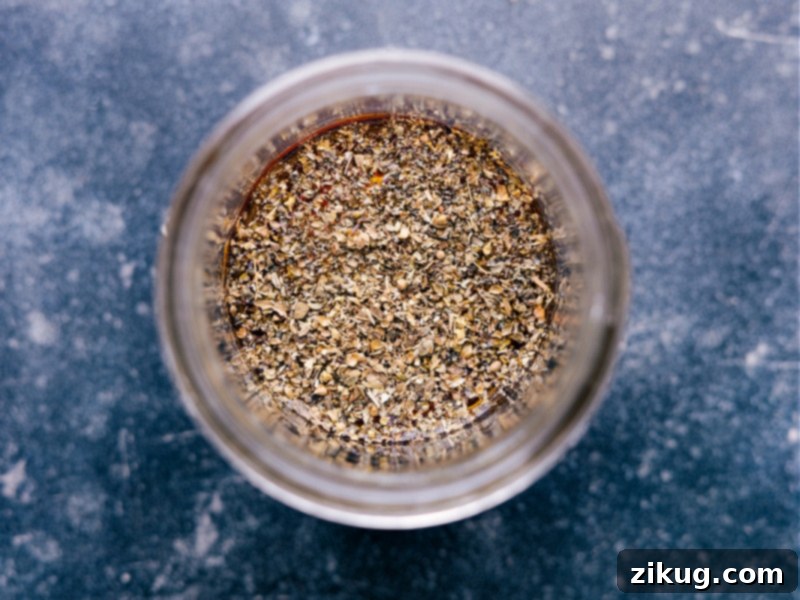
Essential Ingredients for the Perfect Vinaigrette
Crafting the perfect homemade vinaigrette starts with understanding the role each ingredient plays. Here’s a breakdown of what you’ll need and how you can customize it to your taste.
| Ingredient | Notes & Swaps for Maximum Flavor |
|---|---|
| Extra Virgin Olive Oil | A truly good-quality olive oil is the foundation of an outstanding vinaigrette. Its rich, fruity notes bring depth and a smooth texture. While extra virgin is preferred for its flavor, a light-tasting avocado oil or even a neutral grapeseed oil can work as an alternative if you’re in a pinch, though the flavor profile will be different. |
| Red Wine Vinegar | This is my go-to vinegar for a perfectly balanced tang and a subtle fruity finish that complements most dishes. However, the world of vinegar is vast! Feel free to experiment:
|
| Dijon Mustard | Beyond its subtle pungent kick, Dijon mustard acts as a crucial emulsifier, helping the oil and vinegar blend together into a creamy, cohesive dressing that beautifully clings to your greens. Don’t skip this ingredient; it’s key to achieving that smooth texture. |
| Honey | A touch of sweetness from honey perfectly rounds out the acidity of the vinegar, creating a harmonious flavor profile. For vegan alternatives or different flavor notes, maple syrup or agave nectar are excellent substitutes. Adjust the quantity to achieve your desired level of sweetness. |
| Fresh Garlic & Herbs (optional) | These additions elevate your vinaigrette from good to extraordinary. Minced fresh garlic offers a pungent kick, while dried Italian seasoning or oregano provides a warm, earthy depth. Fresh herbs like finely chopped parsley, chives, basil, or thyme can add a burst of freshness and aroma. Use whatever flavors you love and feel inspired by! |
| Salt & Freshly Ground Black Pepper | Essential for seasoning and bringing out all the other flavors. Adjust to taste, always remembering that a good dressing should be well-seasoned to make your food pop. |
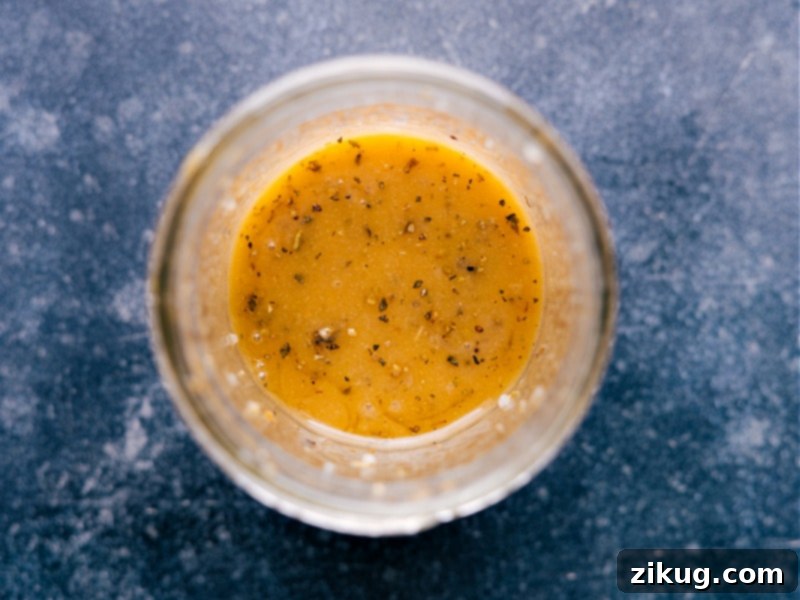
Simple Steps to Make This Amazing Vinaigrette
Preparing this homemade vinaigrette couldn’t be simpler. You’ll be amazed at how quickly you can create a dressing that rivals any gourmet option.
- Combine All Ingredients: Start by adding all your chosen vinaigrette ingredients—olive oil, vinegar, Dijon mustard, honey, and any optional garlic or herbs—into a clean jar with a tight-fitting lid. If you don’t have a jar, a small bowl and a whisk will work perfectly fine. Ensure all ingredients are at room temperature for optimal blending.
- Shake (or Whisk) Vigorously: Secure the lid tightly on your jar and shake it vigorously for about 30-60 seconds. The goal is to emulsify the dressing, meaning the oil and vinegar will combine into a smooth, creamy, and uniform mixture that won’t easily separate. If using a bowl, whisk continuously until the dressing is well-blended and visibly thickened. This emulsification is what helps the dressing beautifully coat your salad greens.
- Taste & Adjust to Perfection: This is a crucial step! Open your jar or bowl and taste a small amount of the dressing. Is it too tangy? Add a bit more honey. Not tangy enough? Incorporate a little more vinegar. Does it need more depth? A pinch more salt and pepper can work wonders. Feel free to adjust the seasoning until it perfectly suits your palate.
Pro Kitchen Tip for Convenience
For effortless mixing and storage of all my homemade sauces and dressings, I highly recommend investing in these wide-mouth mason jars paired with durable white plastic storage caps. They make shaking and pouring a breeze, and they look great in the fridge!
Storage Guidelines for Freshness
Once prepared, store your homemade vinaigrette in a tightly sealed jar in the refrigerator for up to 1 week. It’s completely normal for the dressing to separate or even for the olive oil to solidify slightly when chilled. Simply allow it to sit at room temperature for 15-20 minutes, then give it a good shake or whisk before using. It will re-emulsify and be as delicious as freshly made!
Why Make Your Own Vinaigrette?
Beyond the undeniable fresh taste, there are numerous compelling reasons to choose homemade over store-bought dressing. Firstly, you have complete control over the ingredients, allowing you to avoid artificial preservatives, unnecessary sugars, and unhealthy oils often found in commercial options. This makes homemade vinaigrette a healthier choice for you and your family. Secondly, it’s incredibly cost-effective. Pantry staples like oil, vinegar, and mustard are often cheaper in bulk, leading to significant savings over time. Finally, the customization possibilities are endless. Adjust the tang, sweetness, and herbs to perfectly match your preferences or the specific dish you’re preparing. Once you try homemade, you’ll never go back!
Elevate Your Meals: Perfect Pairings for This Vinaigrette
Salads
Refreshing Corn Salad Recipe
Rice And Quinoa Salads
The Famous Jennifer Aniston Salad
Salads
Delicious Roasted Beet Salad
Salads
Wholesome Quinoa Salad

Classic Homemade Vinaigrette
Chelsea Lords
10 minutes
10 minutes
6
servings (approximately 2 tablespoons per serving)
Video
Equipment You’ll Need
-
Wide-mouth Mason Jar or a small bowl and whisk for mixing
Ingredients for the Classic Vinaigrette
-
1/2 cup extra virgin olive oil -
3 tablespoons red wine vinegar (see note 1 for exciting variations) -
1 tablespoon Dijon-style mustard -
1 tablespoon honey -
1 teaspoon Italian seasoning -
Salt and freshly ground black pepper -
Optional additions (see note 2 for flavor boosts)
Step-by-Step Instructions
-
In a wide-mouth jar, combine all your dressing ingredients: olive oil, red wine vinegar, Dijon mustard, honey, and Italian seasoning. Season with an initial 1/4 teaspoon of salt and 1/8 teaspoon of black pepper. Secure the lid tightly and shake briskly and continuously for about 30-60 seconds until the mixture is fully emulsified and appears smooth and creamy. Ensure no honey is stuck to the bottom; if it is, open the jar and whisk it in thoroughly. If you don’t have a jar, whisk all ingredients vigorously in a small bowl until well combined.
-
Taste the dressing and adjust the flavors to your preference. If you desire more sweetness, add a little extra honey. For a tangier dressing, incorporate more red wine vinegar. If the dressing tastes too acidic or sharp, a touch more olive oil can balance it out. Always add salt in small increments to enhance all the flavors without making it overly salty. Serve your freshly made vinaigrette immediately, or store it for later use in the refrigerator. Remember to give it a good shake before each use.
Helpful Recipe Notes & Expert Tips
Note 2: Optional Flavor Enhancements To truly personalize your vinaigrette, consider these optional add-ins. I often use fresh garlic for its robust flavor. Choose one or two from these suggestions: one tablespoon of finely minced shallot for a milder oniony taste, one teaspoon of minced garlic for a pungent kick, or one to two tablespoons of fresh minced herbs like parsley, chives, basil, or thyme for a burst of aromatic freshness. These additions can transform the character of your dressing.
Storage Tips for Longevity: When stored airtight in the refrigerator, this homemade vinaigrette will maintain its delicious freshness for approximately one week. It’s important to note that due to the olive oil content, leftover dressing may naturally separate or even solidify slightly when chilled. This is perfectly normal and does not affect its quality. To restore it to its smooth consistency, simply let it stand at room temperature for 15–20 minutes, allowing the oil to soften. Then, shake vigorously until all ingredients are beautifully re-combined. Your vinaigrette will be ready to use again, tasting as good as new!
Nutritional Information
Nutrition information is automatically calculated, so should only be used as an approximation.
Loved this Vinaigrette? Share Your Thoughts Below!
Deep Dive: All About Vinegar in Vinaigrettes
The type of vinegar you select has a profound impact on the final flavor profile of your dressing, ranging from subtly nuanced differences to dramatically distinct tastes. Understanding these variations empowers you to choose the perfect vinegar for any occasion or dish.
- White Wine Vinegar: This is a fantastic all-rounder, offering a more mellow and less-intense flavor compared to its red wine counterpart. It carries a subtle sweetness and a gentle acidity, making it ideal for delicate salads or when you want other ingredients to truly shine.
- Red Wine Vinegar: As used in our primary recipe, red wine vinegar delivers a vibrant, robust tang with a pleasing fruity undertone. It’s a classic choice that pairs exceptionally well with Mediterranean flavors and heartier green salads.
- Balsamic Vinegar: Known for its much bolder and more-intense flavor, balsamic vinegar offers a rich, deep sweetness. It’s fantastic on caprese salads, grilled vegetables, and especially delicious on this Peach Salad! Dark balsamic can also add a beautiful color to your dressing.
- White Balsamic Vinegar: A milder alternative to dark balsamic, white balsamic is a favorite among professional chefs. Its lighter color prevents it from darkening sauces or dressings, making it aesthetically pleasing while still providing that signature balsamic sweetness and complexity.
- Sherry Vinegar: Originating from Spain, sherry vinegar is similar to red wine vinegar but often boasts a slightly nuttier, rounder, and a touch milder flavor. It adds sophistication to dressings and is wonderful with richer greens and cheeses.
- Champagne Vinegar: Even milder and more delicate than white wine vinegar, champagne vinegar is derived from champagne grapes. It’s perfect for dressings that accompany very subtle flavors, like fresh seafood salads or light fruit vinaigrettes.
- Apple Cider Vinegar: This popular vinegar provides a sweet tanginess coupled with a distinctive subtle apple flavor. It’s an excellent choice for dressings that complement root vegetables, poultry, or any dish where a hint of fruitiness is welcome.
- Rice Vinegar: While not in the original list, rice vinegar offers a very mild, slightly sweet, and delicate acidity. It’s a staple in Asian cuisine and can be a fantastic, lighter option for vinaigrettes, especially when paired with sesame oil and ginger.
By exploring these different vinegars, you can continually adapt this simple vinaigrette recipe to create endless flavor combinations, making your homemade dressing truly unique and suited for every culinary whim.