
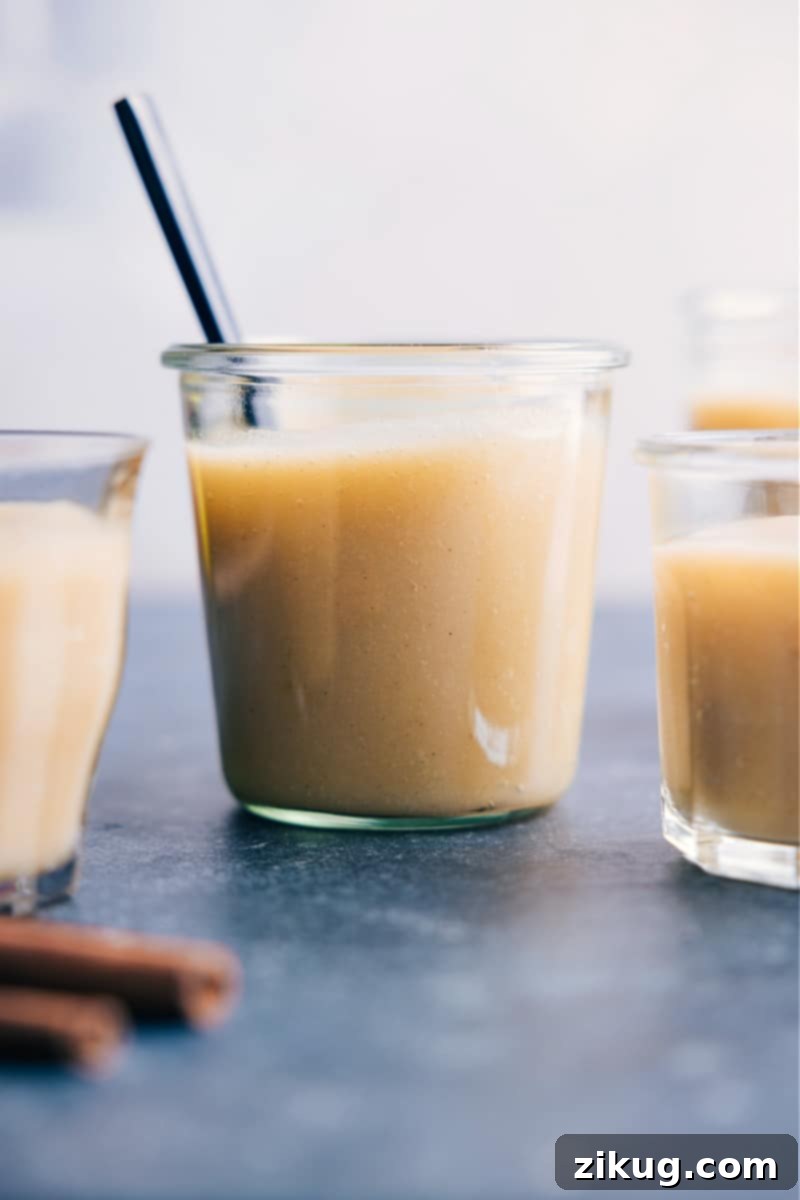
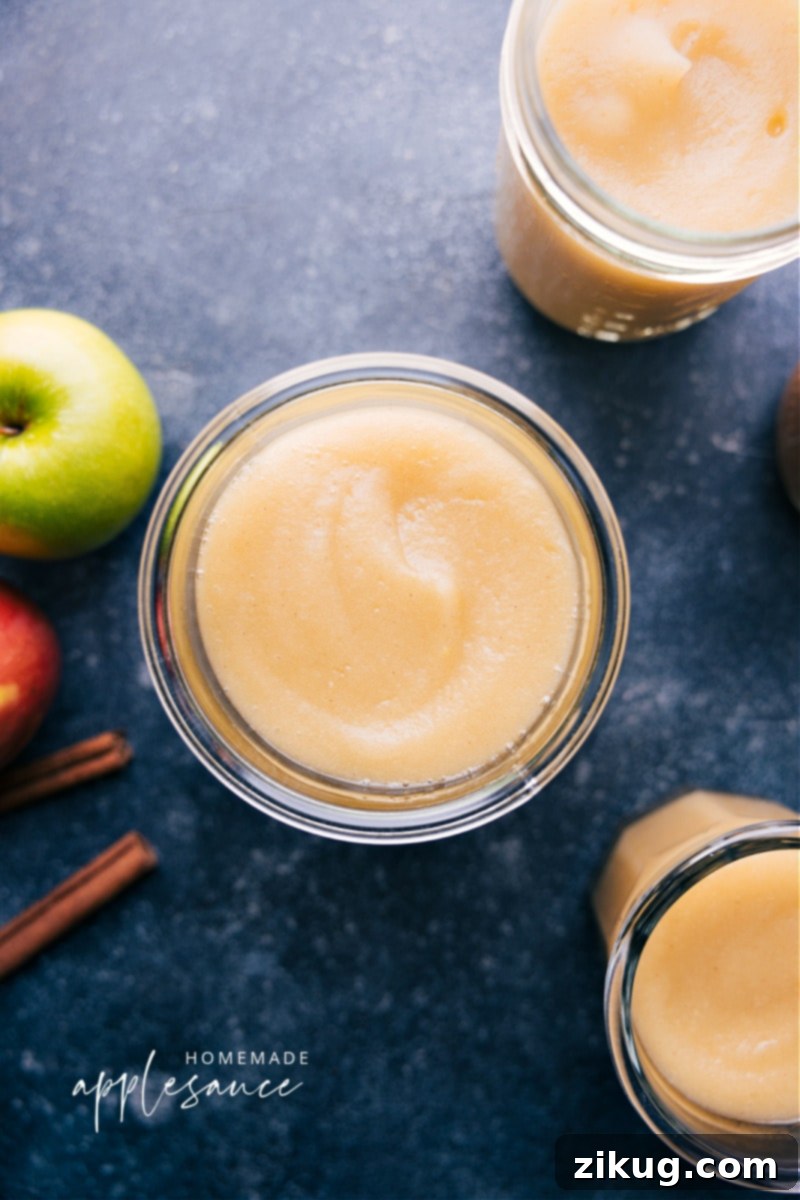
There’s nothing quite like the comforting taste of homemade Applesauce. It’s surprisingly quick, incredibly easy to prepare, and infinitely customizable to your preferences. Whether you prefer it smooth or chunky, subtly spiced or naturally sweet, making it yourself gives you complete control over the flavor and texture. This guide will walk you through everything you need to know to create perfect applesauce every time, from selecting the best apples to clever serving suggestions and smart storage solutions.
Homemade applesauce is a timeless classic, evoking feelings of warmth and nostalgia. It’s a versatile treat that fits perfectly into any diet, whether you’re looking for a healthy snack, a delicious breakfast addition, or a wholesome ingredient for baking. Forget the store-bought versions filled with added sugars and preservatives; this recipe prioritizes fresh, natural ingredients, ensuring a superior taste and peace of mind about what you’re eating.
Applesauce vs. Apple Puree: What’s the Difference?
While often used interchangeably, applesauce and apple puree have a subtle distinction primarily in their texture. Both are prepared by cooking down apples, but their final consistency sets them apart. An apple puree is traditionally smooth, having been blended or strained until it achieves a uniformly fine consistency. In contrast, applesauce offers a wider range of textures; it can be perfectly smooth like a puree, or it can contain delightful small chunks of apple, providing a more rustic and satisfying mouthfeel. This versatility is one of the many reasons homemade applesauce is so appealing – you can tailor it exactly to your liking.
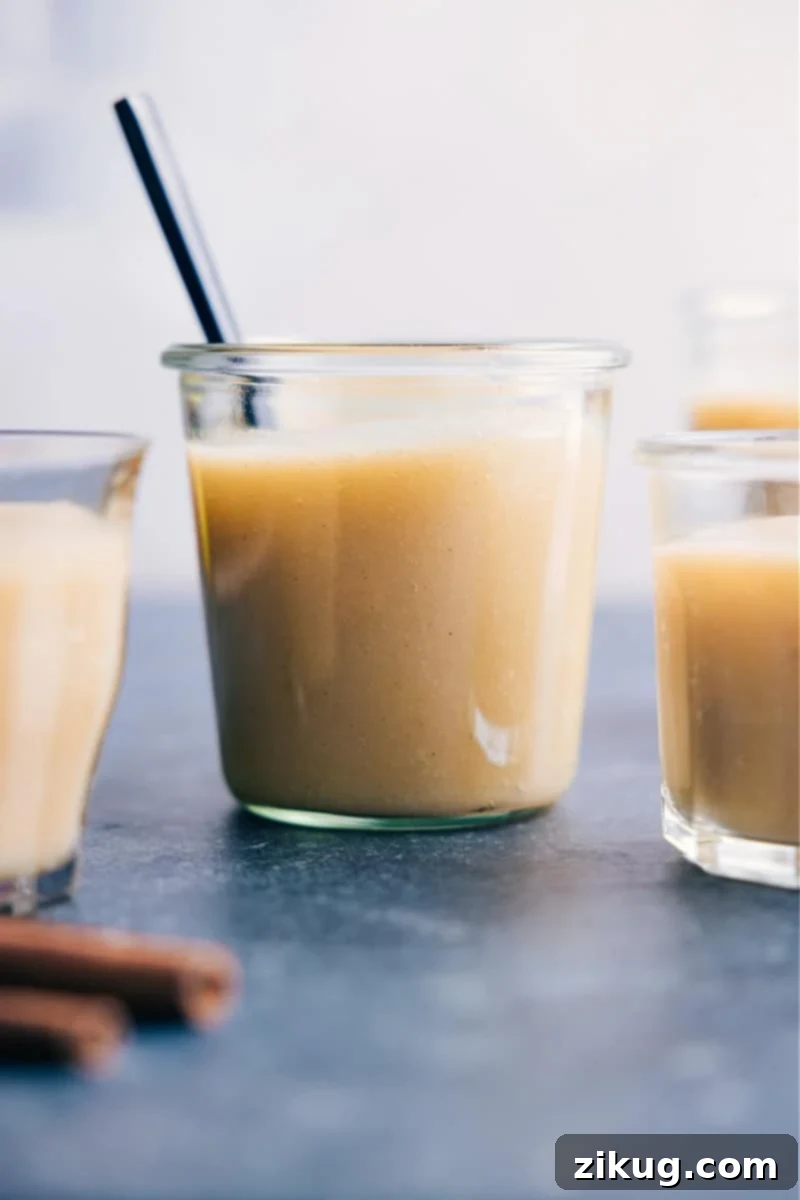
Why Choose Homemade Applesauce?
In a world where convenience often trumps quality, you might wonder why bother making applesauce when it’s readily available at any grocery store. The answer lies in the unparalleled advantages of a homemade batch:
- Unmatched Flavor: Quite simply, nothing compares to the fresh, vibrant, and rich flavor of applesauce made from scratch. Store-bought versions often lack depth and can taste overly processed.
- Complete Ingredient Control: When you make applesauce at home, you have the peace of mind of knowing exactly what goes into it. This means no artificial colors, preservatives, or high-fructose corn syrup, making it a healthier choice for you and your family.
- Customizable Texture and Sweetness: Do you like your applesauce extra chunky or silky smooth? Sweet or tart? Spiced with cinnamon or a medley of autumnal flavors? You have full control over every aspect, allowing you to create your perfect personalized batch.
- Economical Choice: If you’re fortunate enough to have an apple tree, or if you find apples on sale, making your own applesauce is significantly more cost-effective than buying pre-made jars. It’s an excellent way to use up an abundance of fresh fruit.
- Excellent for Meal Prep: Homemade applesauce stores beautifully in the refrigerator and freezes exceptionally well, making it ideal for batch cooking. Prepare a large quantity and enjoy it for weeks or months to come.
- Surprisingly Easy: Despite its gourmet taste, this applesauce recipe is incredibly simple and straightforward, proving that healthy, delicious food doesn’t have to be complicated or time-consuming.
- Nutritional Superiority: By avoiding excessive added sugars and artificial ingredients, your homemade applesauce retains more of the natural goodness of apples, including beneficial fiber and vitamins.
Applesauce FAQs: Your Questions Answered
Which apples are best for homemade applesauce?
For the most balanced and flavorful applesauce, we highly recommend combining a tart apple like Granny Smith with a sweeter, softer apple such as Fuji or Gala. The Granny Smith provides a bright, tangy kick that prevents the applesauce from becoming cloyingly sweet, while the Fuji or Gala add natural sweetness and a lovely aromatic quality. Other excellent choices for applesauce include Honeycrisp, Braeburn, Golden Delicious, or a mix of several varieties for a complex flavor profile. Experiment with what’s available and what you enjoy most!
How can I make my applesauce taste even better?
Enhancing the flavor of your homemade applesauce is easy with a few simple tweaks:
- Start with Quality Apples: The foundation of great applesauce is fresh, ripe, and flavorful apples. A good combination of sweet and tart varieties is key.
- Adjust Sweetness: If your applesauce isn’t sweet enough for your palate, gradually add a bit more maple syrup, sugar, or your preferred sweetener until it reaches your desired level.
- Balance with Salt: A tiny pinch of salt acts as a flavor enhancer, bringing out the natural sweetness of the apples and adding depth. Don’t skip it!
- Introduce Spices: Cinnamon is classic, but consider adding a touch of nutmeg, allspice, or ground cloves for a warmer, more complex flavor, especially perfect for fall.
- A Hint of Acid: A splash of fresh lemon juice brightens the flavor and helps prevent browning.
- Vanilla Extract: A teaspoon of vanilla extract can add a beautiful aromatic dimension to your applesauce.
What Is Homemade Applesauce Made Of?
Our simple and delicious applesauce recipe relies on a few core ingredients:
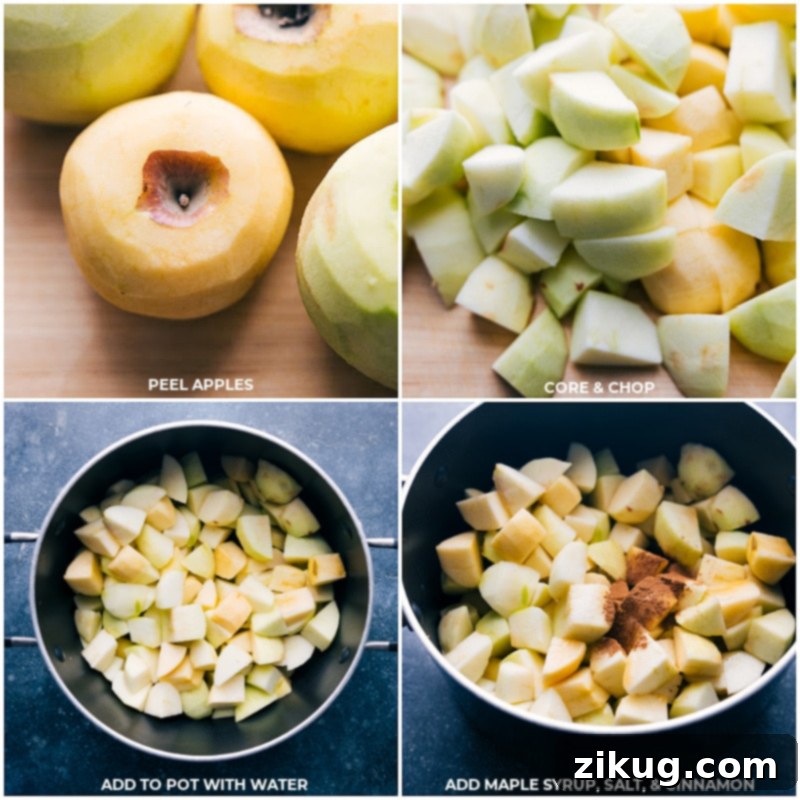
- Apples: The star of the show! As mentioned, our favorite combination for a balanced flavor is Granny Smith with Fuji or Gala. The fresher and sweeter your apples, the more delicious your applesauce will be. Make sure to peel and core them thoroughly before chopping.
- Water: A minimal amount of water is used to help the apples break down and prevent sticking during cooking. We tested replacing water with apple juice but found the resulting applesauce to be overly sweet, masking the natural apple flavor.
- Maple Syrup (or Sugar): We love keeping this applesauce naturally sweetened, and pure maple syrup is an excellent choice. It provides a subtle, rich sweetness without overpowering the apple taste, unlike honey which can sometimes dominate. Ensure you’re using pure maple syrup, which is a single ingredient derived directly from maple tree sap. If you prefer, white or brown sugar can be used as alternatives.
- Want an unsweetened applesauce recipe? Simply omit any added sugar or maple syrup. Just be sure to select naturally sweet and ripe apples to ensure great flavor.
- Flavor Enhancers: A touch of salt, a splash of vanilla extract, and a sprinkle of cinnamon are game-changers. Salt expertly balances the sweetness and enhances the overall apple flavor, while vanilla adds a lovely warmth, and cinnamon provides that classic, comforting applesauce aroma. These additions elevate the recipe from good to truly outstanding.
Quick Tip: Selecting Fresh Apples
Always choose fresh apples that feel firm to the touch, have bright, unblemished skin, and emit a pleasant fruity scent. Avoid any apples with areas of discoloration, bruises, or soft spots. When tasted, they should be crisp, juicy, and sweet for the best applesauce.
How Do You Eat Applesauce?
Homemade applesauce is incredibly versatile and can be enjoyed in countless ways beyond just eating it with a spoon:
- Simply Delicious on its Own: Our favorite way to enjoy this applesauce is straight out of the fridge, as a refreshing and healthy snack throughout the week.
- Breakfast Booster: Stir it into plain or vanilla yogurt, then top with granola, nuts, or fresh fruit for a wholesome breakfast or snack. It’s also fantastic swirled into oatmeal or porridge.
- Savory Pairing: Don’t knock it ’til you try it! Growing up, we loved applesauce with cheese toasts (sharp Cheddar broiled on bread). The sweet and savory combination is surprisingly delicious. It also pairs wonderfully with roasted pork or chicken.
- Dessert Topping: Spoon warm applesauce over vanilla ice cream, pancakes, waffles, or a slice of pound cake for a simple yet satisfying dessert.
- Baby Food: For little ones, smooth homemade applesauce is a nutritious and natural first food, free from any unwanted additives.
- Potato Pancakes (Latkes): Applesauce is a classic accompaniment to crispy potato pancakes, offering a sweet counterpoint to the savory fried goodness.
What Can You Use Applesauce For in Baking?
Homemade applesauce isn’t just a snack; it’s a fantastic ingredient in baking, often used as a healthy substitute for oil or butter, adding moisture and natural sweetness. Here are some of our favorite recipes where this homemade applesauce truly shines:
- Applesauce Cake with a decadent cream cheese frosting.
- Applesauce Bread, often featuring a delightful sugared crisp topping.
- Bircher Muesli, where it complements shredded apple for a wholesome breakfast.
- Applesauce Brownies, made with better-for-you ingredients without compromising on flavor.
- Applesauce Muffins, made light and fluffy with Greek yogurt.
Storage Solutions for Homemade Applesauce
How Long Does Homemade Applesauce Last?
Freshly made applesauce will last about 7-10 days when stored in an airtight container in the refrigerator. To extend its shelf life significantly, you have two excellent options: canning or freezing.
(For detailed instructions, here’s a helpful guide to canning applesauce securely.)
Can You Freeze Homemade Applesauce?
Absolutely, homemade applesauce freezes beautifully! This is a fantastic way to preserve large batches. Follow these simple steps:
- Cool Completely: After preparing your applesauce, allow it to cool entirely to room temperature. This prevents condensation and ice crystal formation when freezing.
- Label Bags: While cooling, prepare several freezer-safe, zip-top bags (or airtight containers). Label them clearly with the date and contents.
- Portion Out: Divide the cooled applesauce into your bags or containers. We recommend using 2-cup increments for easy thawing and serving later.
- Remove Air and Flatten: For bags, squeeze out as much air as possible before sealing. Lay the bags flat and gently press them to create an even, thin layer. This maximizes freezer space and allows for quicker thawing.
- Freeze: Freeze the bags flat until solid. Once frozen, you can stand them upright or stack them to save space.
- Storage Duration: Frozen applesauce will maintain its quality for 6-9 months.
- Thawing: When you’re ready to enjoy it, simply transfer a bag or container from the freezer to the refrigerator overnight to thaw. For quicker thawing, you can place the sealed bag in a bowl of cold water.
Use Leftover Apples In One Of These Delicious Recipes:
If you’ve bought a large bushel of apples and still have some left after making your glorious applesauce, don’t let them go to waste! Here are some other fantastic apple-centric recipes to try:
- Classic Apple Pie with a flaky homemade pie crust.
- Apple Nachos, a fun and healthy snack made in two different ways.
- Gluten-Free Apple Muffins, made wholesome with almond butter.
- Apple Crumble Bars, featuring a delightful caramel drizzle.
- Warm Apple Crumble with a perfectly crisp topping.
Print Recipe
Easy Homemade Applesauce
Homemade applesauce is quick, easy, and totally customizable—make it smooth or chunky, spiced or sweet. The choice is yours for this wholesome and delicious treat!
20 minutes
20 minutes
40 minutes
8 servings (about 4 cups)
Equipment
- Blender
- Large Pot
- Vegetable Peeler
- Apple Corer (optional, but helpful)
- Potato Masher (for chunky applesauce)
Ingredients
- 8 to 11 apples (about 4 pounds total, a mix of Granny Smith and Fuji or Gala recommended)
- 1 cup water
- 1/2 teaspoon salt
- 2 tablespoons maple syrup (or 1/4 cup granulated sugar for a sweeter option)
- 1/4 teaspoon cinnamon (optional, but highly recommended)
- 1 tablespoon fresh lemon juice
- 1 teaspoon vanilla extract (optional, for added depth of flavor)
Instructions
- Prepare the Apples: Peel, core, and coarsely chop the apples into approximately 2-inch chunks. You should yield about 9-1/2 cups of chopped apples.
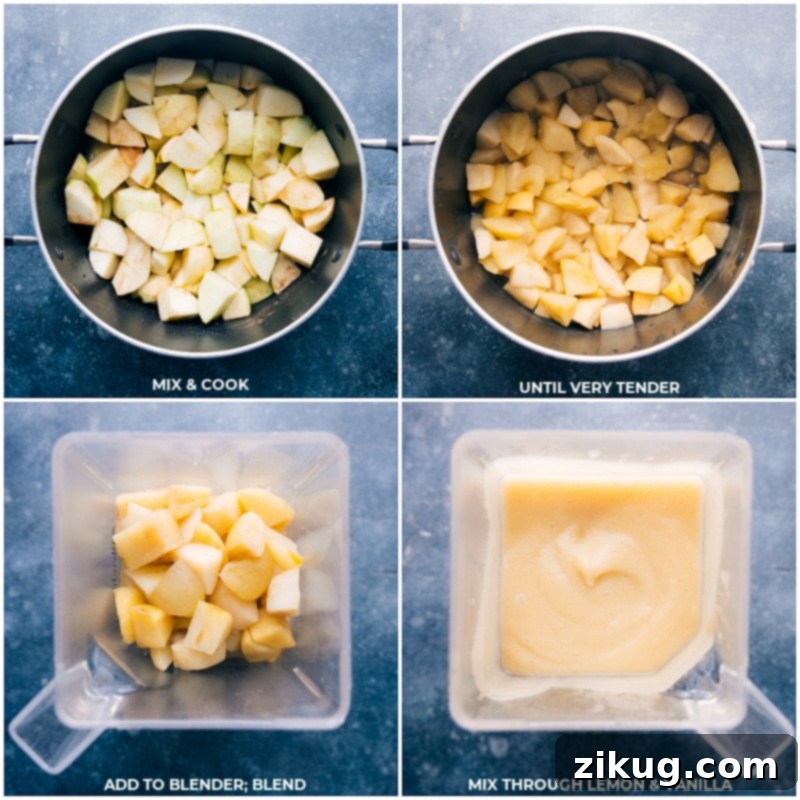
- Cook the Apples: In a large, heavy-bottomed pot, combine the chopped apples with water, salt, maple syrup (or sugar), and cinnamon (if using). Heat the mixture over medium-high heat until it begins to simmer. Once simmering, reduce the heat to medium-low, cover the pot, and cook for 18–20 minutes. Stir occasionally to prevent sticking, and continue cooking until the apples are very tender and easily pierced with a fork.
- Cool and Blend: Remove the pot from the heat and let the apple mixture cool for about 10 minutes. Carefully transfer the contents to a blender. If your blender is small, fill it only halfway and blend in batches to avoid overflow. Blend until the applesauce reaches your desired consistency – smooth or with small chunks. For a chunky applesauce, you can also use a potato masher directly in the pot to achieve the perfect texture.
- Add Final Flavors: Stir in the fresh lemon juice and vanilla extract (if using). Mix everything together thoroughly. Taste the applesauce and adjust as needed, adding more maple syrup for extra sweetness or more cinnamon for additional spice.
- Chill and Serve: Allow the applesauce to cool completely to room temperature. Then, transfer it to an airtight container and refrigerate for at least 1 hour, or until thoroughly chilled, before serving.
Recipe Notes
Blender Safety Tip: When blending hot liquids, never fill your blender more than halfway. Heat creates steam, which expands rapidly. Increase the blender speed slowly and carefully to prevent the mixture from overflowing. Remove the lid carefully to avoid a sudden burst of steam. If your blender doesn’t have a specific hot/soup setting, you can place a folded towel over the lid (leaving a small vent) and hold it in place with your hands to help reduce steam pressure.
Storage: Leftover homemade applesauce will keep in an airtight container in the refrigerator for about 7-10 days. For longer storage, it can be frozen for 6-9 months or canned for up to a year.
Nutrition
Calories: 131 kcal |
Carbohydrates: 34.8 g |
Protein: 0.6 g |
Fat: 0.4 g |
Sodium: 149.4 mg |
Fiber: 5.4 g |
Sugar: 26.6 g
Nutrition information is automatically calculated and should be used as an approximation.
Like this? Leave a comment below!