
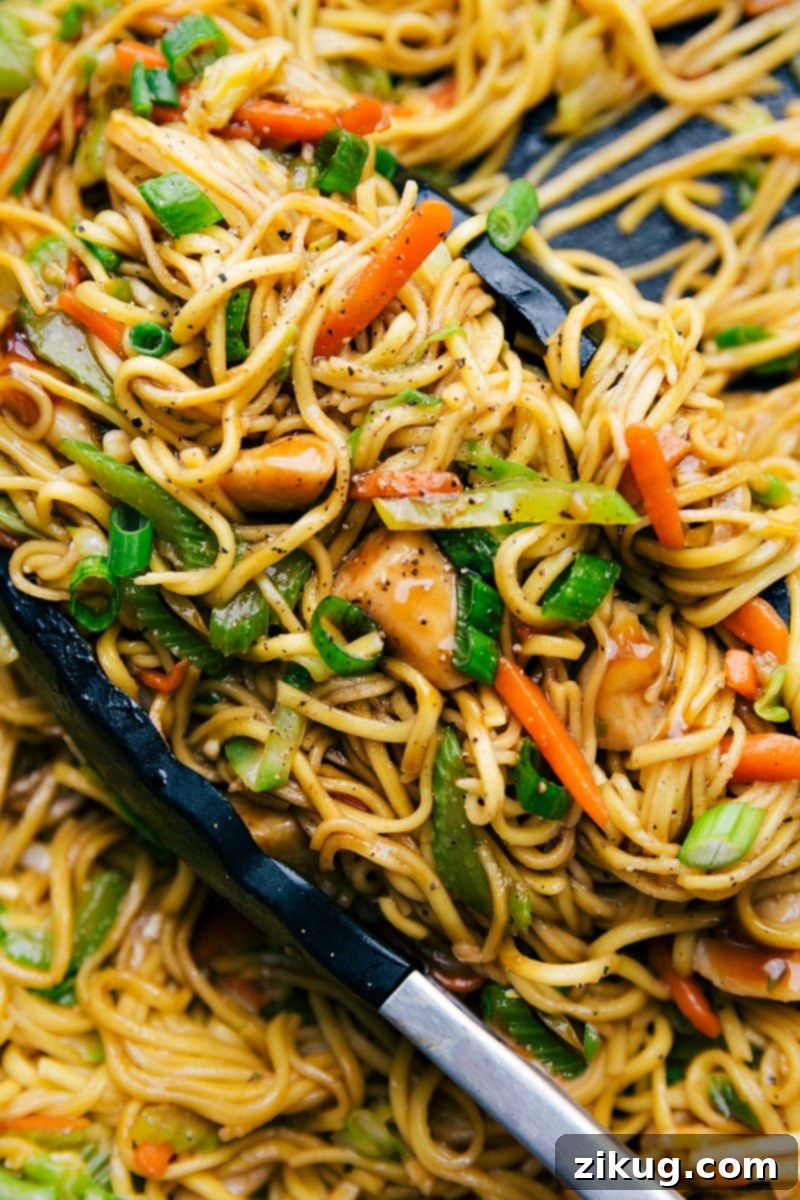
Quick and Easy Homemade Chicken Chow Mein Recipe: Better Than Takeout in 30 Minutes
Master the art of authentic Chinese stir-fry at home with this quick 30-minute Chicken Chow Mein Recipe. Featuring tender chicken, crisp fresh vegetables, and a rich, savory sauce, this dish promises a flavor experience that rivals your favorite takeout, all crafted in your own kitchen. Say goodbye to long waits and hello to delicious, homemade goodness.
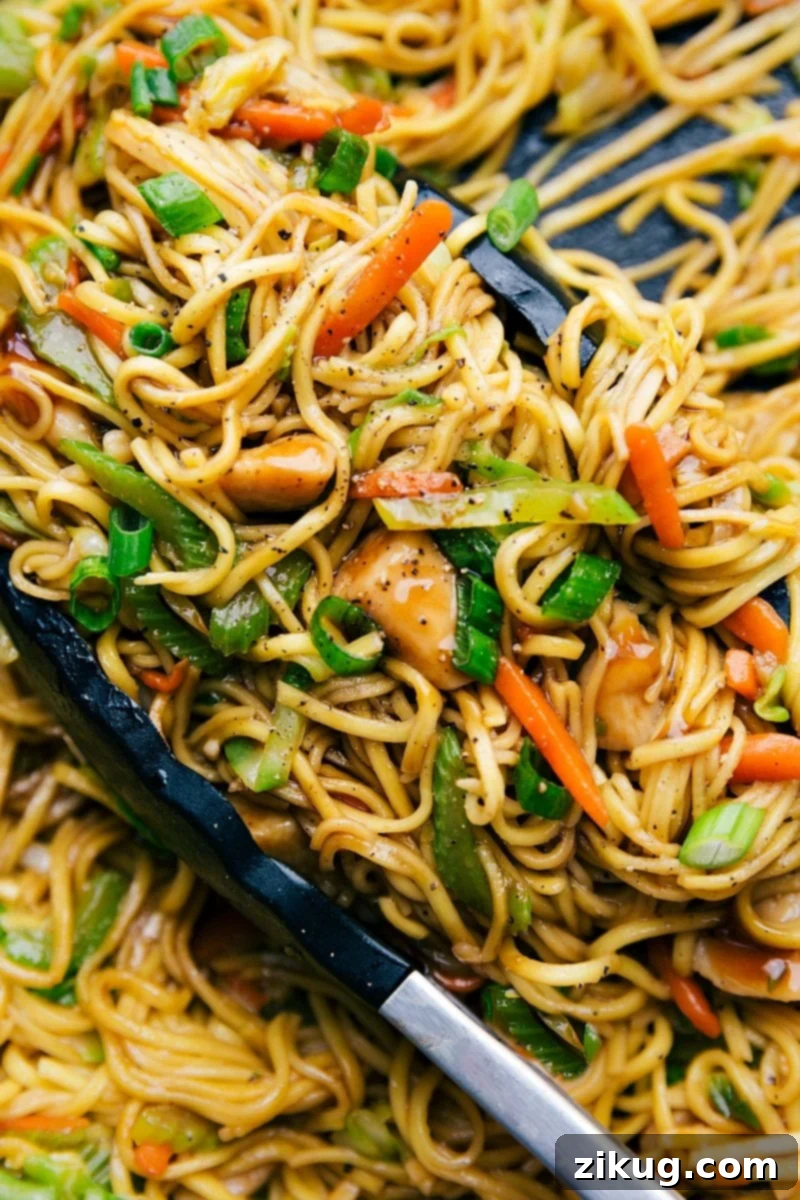

Author’s Note: Crafting the Perfect Chow Mein at Home
Why Settle for Takeout When Homemade is This Good?
My kids have always been obsessed with Chinese takeout, especially from places like Panda Express. If they had their way, we’d be picking up food every single week. While I understand the convenience and the appeal of their favorite Orange Chicken and Chow Mein, I often find myself feeling a little sluggish afterward. That familiar post-takeout stomach ache was a strong motivator for me to start experimenting in my own kitchen.
After successfully recreating a beloved Orange Chicken recipe that even surpassed their fast-food favorite, I knew my next challenge had to be a homemade Chow Mein. I wanted to create a version that was not only healthier and fresher but also packed with so much flavor that it could genuinely compete with their go-to from Panda Express. This wasn’t just about cooking; it was about elevating a family favorite to a new level of culinary enjoyment.
The journey began with countless hours of testing, tweaking ingredient ratios, and tasting until I found that perfect balance. I focused on achieving tender noodles, perfectly sauced chicken, and crisp, vibrant vegetables – elements I often found lacking in greasy takeout versions. When I finally presented this homemade Chicken Chow Mein to my family, their reaction was everything I hoped for. They didn’t just like it; they absolutely loved it, declaring it even better than the restaurant version. That’s when I knew I had a winner, a keeper recipe that would change our takeout habits forever. Now, we enjoy the freshest, most flavorful Chow Mein right at home, saving money and feeling great afterward!
Essential Chicken Chow Mein Ingredients and Smart Swaps
Creating an exceptional homemade Chicken Chow Mein starts with selecting the right ingredients. Here’s a detailed look at what you’ll need, along with smart substitutions to make this recipe adaptable to your pantry and preferences.
| Ingredient | Quick Swap / Tip |
|---|---|
| Chicken (tossed with baking soda) | Short on time? Skip the baking soda soak; simply cook chicken pieces slightly less for tenderness. |
| Chow Mein Noodles | Fresh yakisoba, dried ramen (without the seasoning packet), or even thin spaghetti can be used. For a gluten-free option, well-rinsed rice noodles are an excellent substitute. |
| Oyster Sauce | No oyster sauce? Combine 1 Tbsp hoisin sauce with 1 tsp soy sauce for a quick, flavorful stand-in. |
| Soy Sauce | For a lower-sodium alternative, use coconut aminos and add a small pinch of salt if desired to taste. |
| Brown Sugar | Honey or maple syrup can be used in the same quantity for a natural sweetness. |
| Cornstarch | Arrowroot powder or potato starch works just as effectively to thicken the sauce and give it that desired silky texture. |
| Cabbage | Save time by opting for a bagged coleslaw mix (without the dressing) – it’s already shredded and ready to go. |
| Fresh Ginger & Garlic | When fresh isn’t available, 1 teaspoon of jarred minced ginger paste and 1 teaspoon of jarred minced garlic paste can be used. |
Detailed Ingredient Breakdown for Flavor and Texture
The magic of Chow Mein lies in the harmony of its components. Let’s delve deeper into some key ingredients:
- Chicken Breasts or Thighs: We recommend boneless, skinless chicken for ease of preparation. The secret to exceptionally tender, “velvety” chicken, much like you find in restaurants, is a quick soak in baking soda. This process, known as velveting, gently breaks down the chicken fibers, resulting in a remarkably succulent texture. If time is tight, skipping this step is fine, but ensure you don’t overcook the chicken.
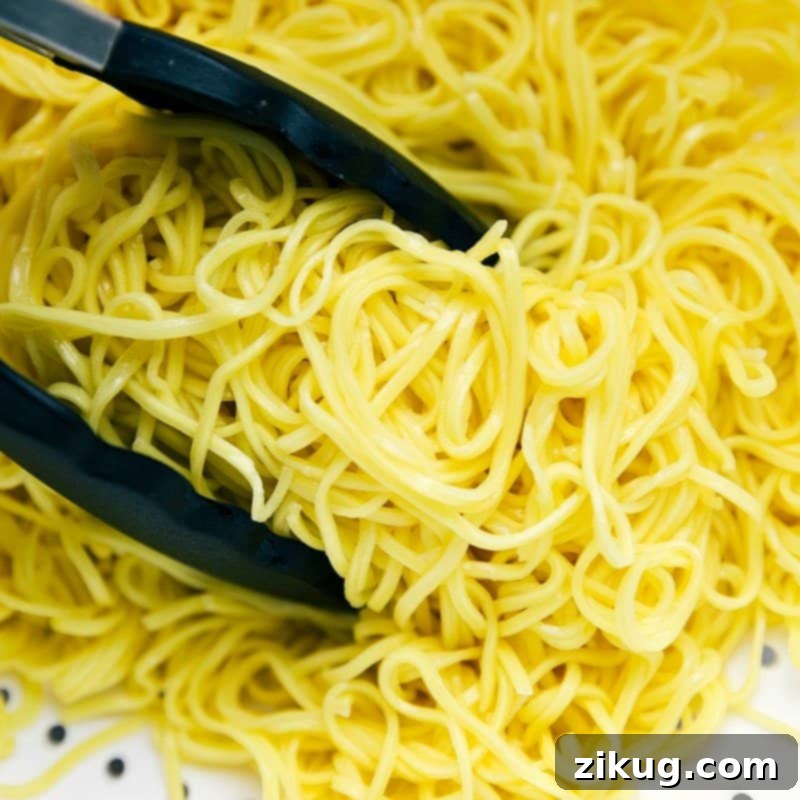
- Chow Mein Noodles: Authentic Chow Mein noodles are typically fresh, egg-based noodles that are slightly chewy. However, they can sometimes be hard to find. Don’t worry, yakisoba noodles, dried ramen noodles (discard the seasoning packet), or even regular thin spaghetti can yield fantastic results. For those avoiding gluten, rice noodles are a great option; just make sure to rinse them thoroughly after cooking to prevent sticking.
- Oyster Sauce: This is a cornerstone of many Chinese stir-fries, providing a deep umami flavor with a hint of sweetness and savory complexity. If you’re out, a mix of hoisin and soy sauce can offer a similar flavor profile.
- Soy Sauce: We suggest reduced-sodium soy sauce to control the overall saltiness of the dish, allowing other flavors to shine. If using regular soy sauce, you might want to adjust the amount slightly. Coconut aminos are a fantastic gluten-free and lower-sodium alternative.
- Fresh Aromatics: Minced ginger and garlic are crucial for building the foundational aromatic flavors of Chow Mein. Always opt for fresh if possible, as their vibrant notes make a significant difference. Pre-minced versions are a convenient backup.
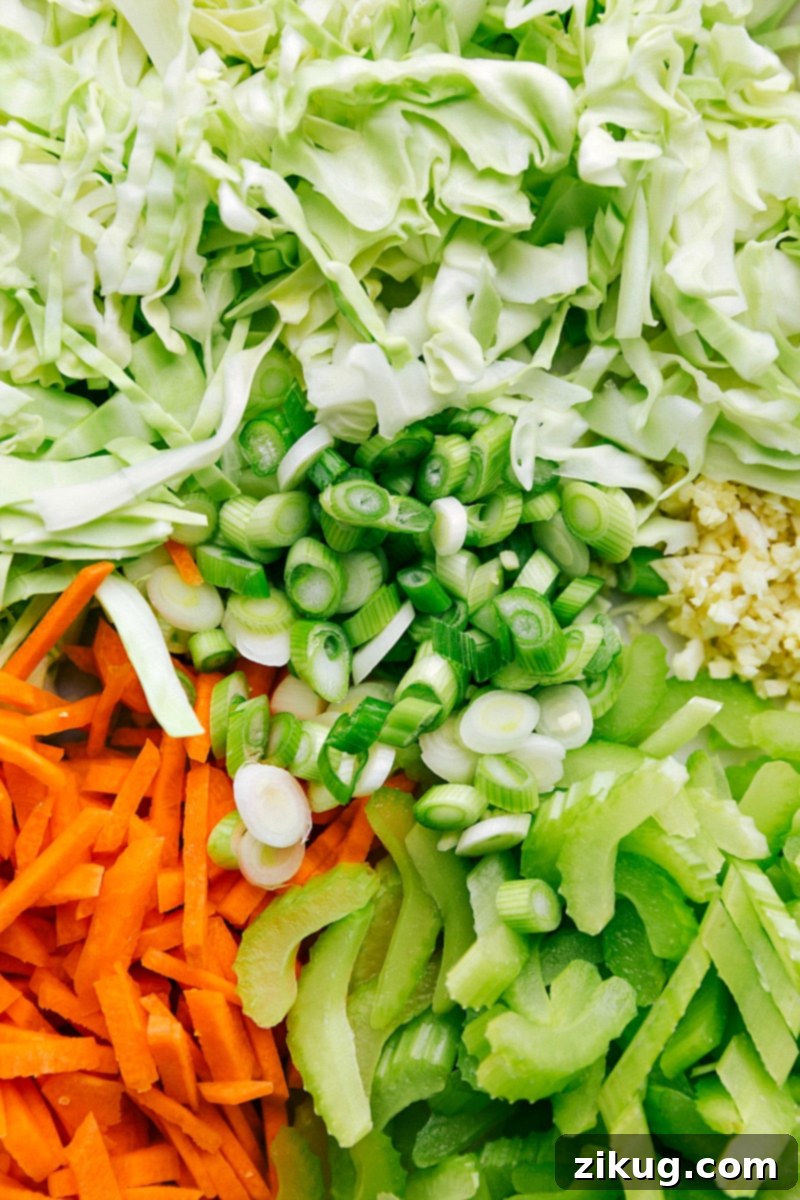
- Vibrant Vegetables: Shredded green cabbage, julienned carrots, sliced celery, and green onions not only add essential nutrients but also contribute texture and color. These vegetables cook quickly under high heat, retaining a pleasant crunch that contrasts beautifully with the soft noodles and tender chicken. Using a bagged coleslaw mix can significantly cut down on prep time.
Step-by-Step Guide: How To Make Restaurant-Quality Chicken Chow Mein at Home
Follow these detailed steps to create a delicious and authentic Chicken Chow Mein:
- Prepare the Chicken for Tenderness: Begin by cutting your boneless, skinless chicken breasts or thighs into small, bite-sized pieces, about ½-inch thick. This ensures quick and even cooking. Place the chicken in a small bowl and toss it thoroughly with baking soda. Cover the bowl and refrigerate for about 15 minutes. This “velveting” technique is key to achieving incredibly tender, juicy chicken, just like your favorite Chinese restaurant. After 15 minutes, transfer the chicken to a fine mesh sieve and rinse thoroughly under cold water to remove all traces of baking soda. Pat the chicken pieces completely dry with paper towels. This step is optional but highly recommended for superior texture.
- Master Your Veggie Prep: Speed is essential in stir-frying, so have all your vegetables prepped and ready before you start cooking. Finely shred the green cabbage, julienne the carrots into very small, thin matchstick-like pieces (you can cut them into rounds first, then matchsticks), and thinly slice the celery. For the green onions, thinly slice them and separate the white root parts from the green tops. You should aim for about ¼ cup of thinly sliced white roots. Reserve the thinly sliced green tops for garnishing at the very end. Coarsely mince your fresh ginger and garlic.
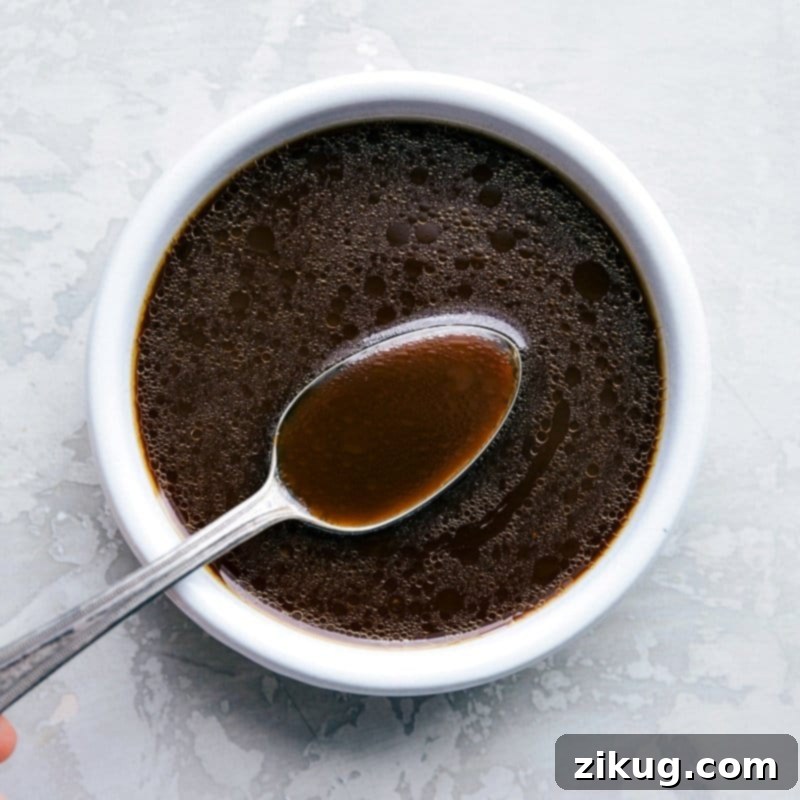
- Whisk Up the Flavorful Sauce: In a small bowl, combine the cornstarch and soy sauce. Whisk with a fork until the cornstarch is completely dissolved and the mixture is smooth, ensuring no lumps remain. Then, stir in the oyster sauce, chicken stock (or broth), brown sugar, sesame oil, and a dash of pepper. Whisk everything together until the sauce is uniform and smooth. Set this bowl aside, as it will be added at the very end to thicken and flavor the entire dish.
- Cook the Noodles to Perfection: Prepare your chow mein noodles according to the package directions. Most fresh or dried varieties will cook quickly. Once cooked, drain them and rinse them immediately under cold water. This stops the cooking process and prevents them from sticking together. Set the rinsed noodles aside in a colander to drain any excess water.
- High-Heat Stir-Frying Begins: Heat the vegetable oil in a large skillet or wok over high heat. High heat is crucial for achieving that characteristic “wok hei” flavor and crisp-tender vegetables. Once the oil is shimmering, add the white roots of the green onions, minced garlic, and minced ginger. Stir-fry rapidly for about 20 seconds, being extremely careful not to burn the aromatics, as they can quickly turn bitter. Immediately add the prepared chicken pieces and stir-fry constantly for about 1 minute, or until both sides are lightly browned and cooked through.
- Combine and Finish with Sauce: Now, add the shredded cabbage, julienned carrots, and thinly sliced celery to the pan. Continue to stir-fry continuously for 1 to 2 minutes. You want the vegetables to be crisp-tender, with the cabbage just slightly wilted but still retaining some bite. Pour in the reserved sauce mixture and the cooked noodles. Using tongs, toss everything together vigorously for about 1 minute, ensuring the noodles, chicken, and vegetables are evenly coated with the thickening sauce. Finally, stir in the thinly sliced green tops of the onions for a burst of fresh flavor and vibrant color just before serving.
Featured Comment
“This chow mein is just like takeout but so much better! Can’t believe how easy it was to make such an authentic and flavorful dish at home.”
– Courtney
Pro Tips for Achieving Perfect Homemade Chicken Chow Mein
Elevate your Chow Mein from good to extraordinary with these expert tips:
- Ensure Ultra-Tender Chicken: The key to succulent chicken is cutting it into small, uniform ½-inch pieces. This allows the chicken to cook quickly and evenly under high heat, preventing it from drying out. Using the baking soda velveting technique, as detailed in the instructions, further enhances tenderness, giving it that melt-in-your-mouth texture commonly found in restaurant stir-fries.
- Achieve Evenly Cooked Veggies: Uniformity in your vegetable cuts is paramount for a successful stir-fry. When carrots, celery, and cabbage are all cut to similar sizes, they cook at approximately the same rate. This prevents some vegetables from becoming mushy while others remain raw. Aim for thin, delicate strips for carrots and celery, and finely shredded cabbage.
- Master the Art of High Heat: A piping hot pan (or wok) is non-negotiable for authentic stir-fry. High heat is what gives the noodles and vegetables that desirable lightly charred “wok hei” flavor – a smoky, caramelized essence that defines many Asian dishes. It also ensures vegetables remain crisp-tender, rather than steaming and becoming soggy. Don’t overcrowd the pan; cook in batches if necessary to maintain high heat.
Storage and Reheating Tips
- Storage: Allow your delicious Chicken Chow Mein to cool completely to room temperature before transferring it to an airtight container. Properly stored, it will maintain its freshness and flavor in the refrigerator for 3 to 4 days.
- Reheat: To reheat, simply warm the chow mein in a skillet over medium heat, stirring occasionally. For best results and to prevent dryness, add a splash of water or chicken broth to loosen the sauce and restore moisture. Alternatively, you can microwave it, but the skillet method often yields better texture.
- Freezing: Freezing is generally not recommended for Chow Mein. The noodles tend to become mushy and the vegetables lose their crisp texture upon thawing, significantly impacting the overall quality of the dish. It’s best enjoyed fresh or within a few days from the refrigerator.
Explore More Delicious Chicken Dinners:
Dinner
Coconut Curry Chicken
Dinner
Mango Chicken
Dinner
Chimichurri Chicken
Dinner
Cilantro Lime Chicken
Pin Recipe
Print Recipe
Chicken Chow Mein
Chelsea Lords
20
10
30
2 servings
Recipe Video
Video: Zucchini Chow Mein
A quick and easy 20-minute Chow Mein noodle dish featuring spiralized zucchini. A healthier and delicious take on traditional Chow Mein.
Equipment
-
Large pan or Wok
Ingredients
-
▢
1/2 pound boneless, skinless chicken breasts or thighs -
▢
3/4 teaspoon baking soda -
▢
3 cups shredded green cabbage -
▢
1-1/2 teaspoons minced ginger -
▢
1-1/2 teaspoons minced garlic -
▢
3/4 cup julienned carrots -
▢
3/4 cup thinly sliced celery -
▢
1/4 cup green onions -
▢
1-1/2 tablespoons vegetable oil -
▢
1 (6-ounce) package
chow mein noodles
-
▢
1/2 tablespoon cornstarch -
▢
1-1/2 tablespoons reduced-sodium soy sauce -
▢
1-1/2 tablespoons
oyster sauce
-
▢
1/3 cup
chicken stock
or chicken broth -
▢
1 tablespoon light brown sugar lightly packed -
▢
1/2 teaspoon toasted sesame oil or plain -
▢
1/2 teaspoon
pepper
Instructions
-
Cut the chicken into small bite-size pieces (about ½-inch cubes). Place in a small bowl and toss with ¾ teaspoon baking soda. Cover and place in the fridge for 15 minutes. This velveting technique is the secret to super tender chicken! After 15 minutes, transfer the chicken to a fine mesh sieve and rinse thoroughly under cold running water to remove all baking soda. Pat dry with paper towels. If you’re short on time, this step is optional; you can simply chop the chicken and use it directly, though it won’t be as tender.
-
Ensure all your ingredients are ready before you begin cooking—stir-frying moves very quickly! Finely shred the 3 cups of green cabbage. Coarsely mince the 1½ teaspoons of ginger and 1½ teaspoons of garlic. Peel the carrot and then julienne it into very small and thin matchstick-like pieces (a mandoline or julienne peeler can speed this up). Very thinly slice the ¾ cup of celery. Thinly slice the ¼ cup of green onions, separating the white root parts from the green tops. Reserve the green parts for later.
-
In a small bowl, whisk the ½ tablespoon of cornstarch and 1½ tablespoons of reduced-sodium soy sauce with a fork until the mixture is completely smooth and free of lumps. Then, stir in the 1½ tablespoons of oyster sauce, ⅓ cup of chicken stock (or chicken broth), 1 tablespoon of light brown sugar (lightly packed), ½ teaspoon of toasted sesame oil, and ½ teaspoon of pepper. Whisk everything until smooth. Set this sauce aside.
-
Follow the package directions to prepare the 1 (6-ounce) package of chow mein noodles. Once cooked to al dente, drain them thoroughly. Rinse the noodles in cold water to prevent them from sticking together and to stop the cooking process. Set them aside while you prepare the rest of the dish.
-
Heat 1½ tablespoons of vegetable oil in a large pan or wok over high heat until it shimmers. Add the thinly sliced white roots of the green onion, minced garlic, and minced ginger. Stir-fry for about 20 seconds, ensuring they don’t burn, as they can quickly turn bitter. Immediately add the prepared chicken and stir continuously for about 1 minute, or until the chicken pieces are lightly browned on both sides and mostly cooked through.
-
Add the shredded cabbage, julienned carrots, and thinly sliced celery to the pan with the chicken. Continue to stir continuously for about 1–2 minutes, until the vegetables are crisp-tender on the outside and tender inside, with the cabbage just wilted. Pour in the cooked noodles and the prepared sauce mixture. Using tongs, toss the entire mixture for about 1 minute, ensuring everything is evenly coated and the sauce has thickened. Finally, stir in the thinly sliced green tops of the onions for a fresh finish. Serve immediately and enjoy your homemade Chicken Chow Mein!
Recipe Notes
Storage: Allow the cooked chicken chow mein to cool completely to room temperature before transferring it to an airtight container. It can be refrigerated for 3–4 days. For reheating, gently warm in a skillet over medium heat with a splash of water or broth to loosen the sauce and maintain moisture, or microwave carefully. Freezing is not recommended as the noodles and vegetables may lose their ideal texture upon thawing.
Nutrition
Serving:
1
serving
|
Calories:
351
kcal
|
Carbohydrates:
25
g
|
Protein:
29
g
|
Fat:
15
g
|
Saturated Fat:
10
g
|
Cholesterol:
74
mg
|
Sodium:
1812
mg
|
Potassium:
955
mg
|
Fiber:
5
g
|
Sugar:
13
g
|
Vitamin A:
8450
IU
|
Vitamin C:
47
mg
|
Calcium:
88
mg
|
Iron:
2
mg
Nutrition information is automatically calculated and should only be used as an approximation.
Love this recipe? Leave a comment below and share your experience!