
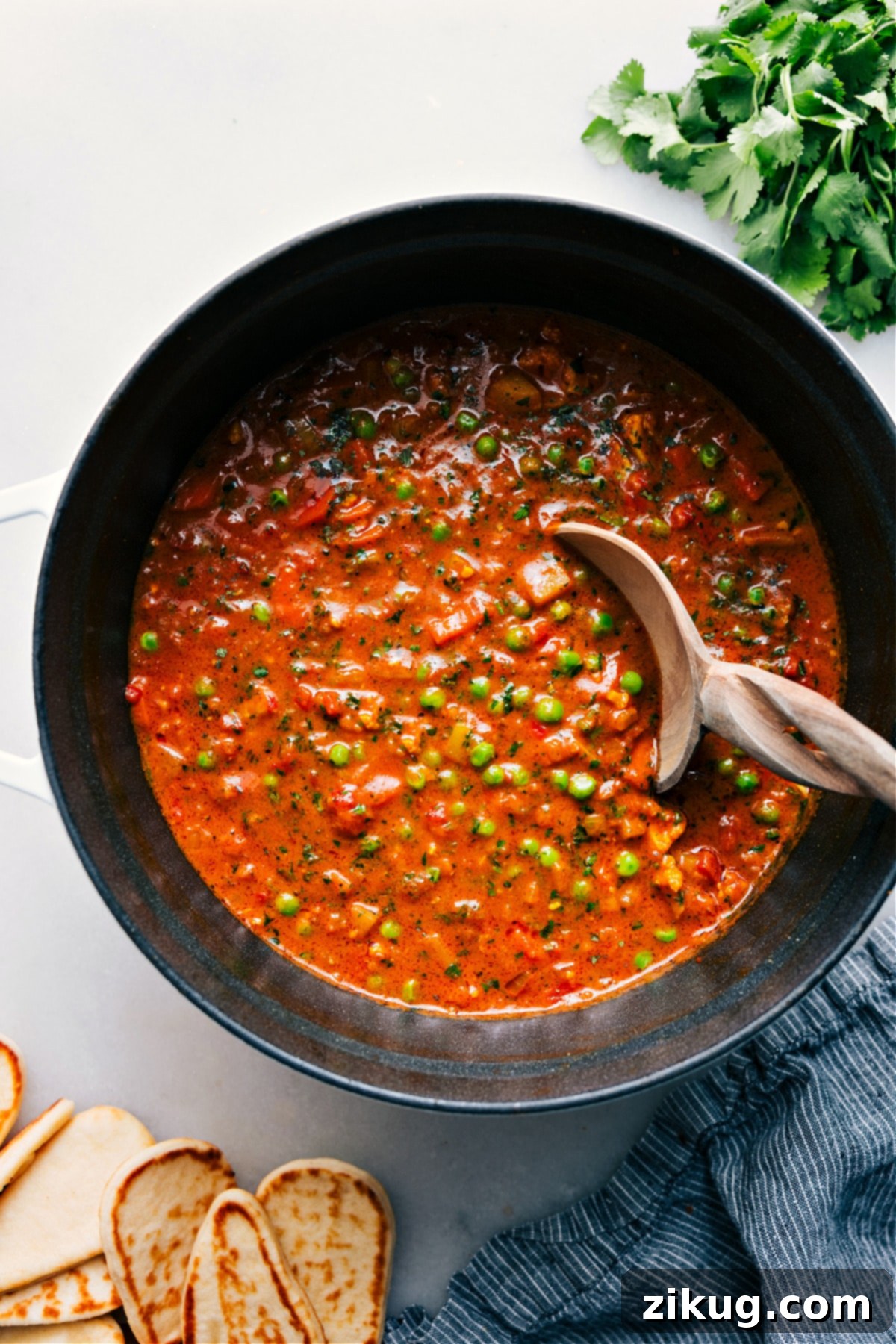
Vegetable Masala is a vibrant, incredibly flavorful Indian curry that brings together hearty vegetables in a rich, creamy, and aromatic sauce. This comforting dish is a celebration of spices, perfect for a satisfying weeknight meal or a special gathering. If you love Indian cuisine, this homemade Vegetable Masala recipe is an absolute must-try. Its deeply layered flavors and comforting texture are sure to make it a new family favorite.
Looking for more delicious Indian-inspired recipes? Next time, try my Chicken Tikka Masala for a classic chicken curry experience. Or, if you’re leaning towards another creamy, plant-based option, my Vegetarian Tikka Masala offers a delightful coconut-based twist.
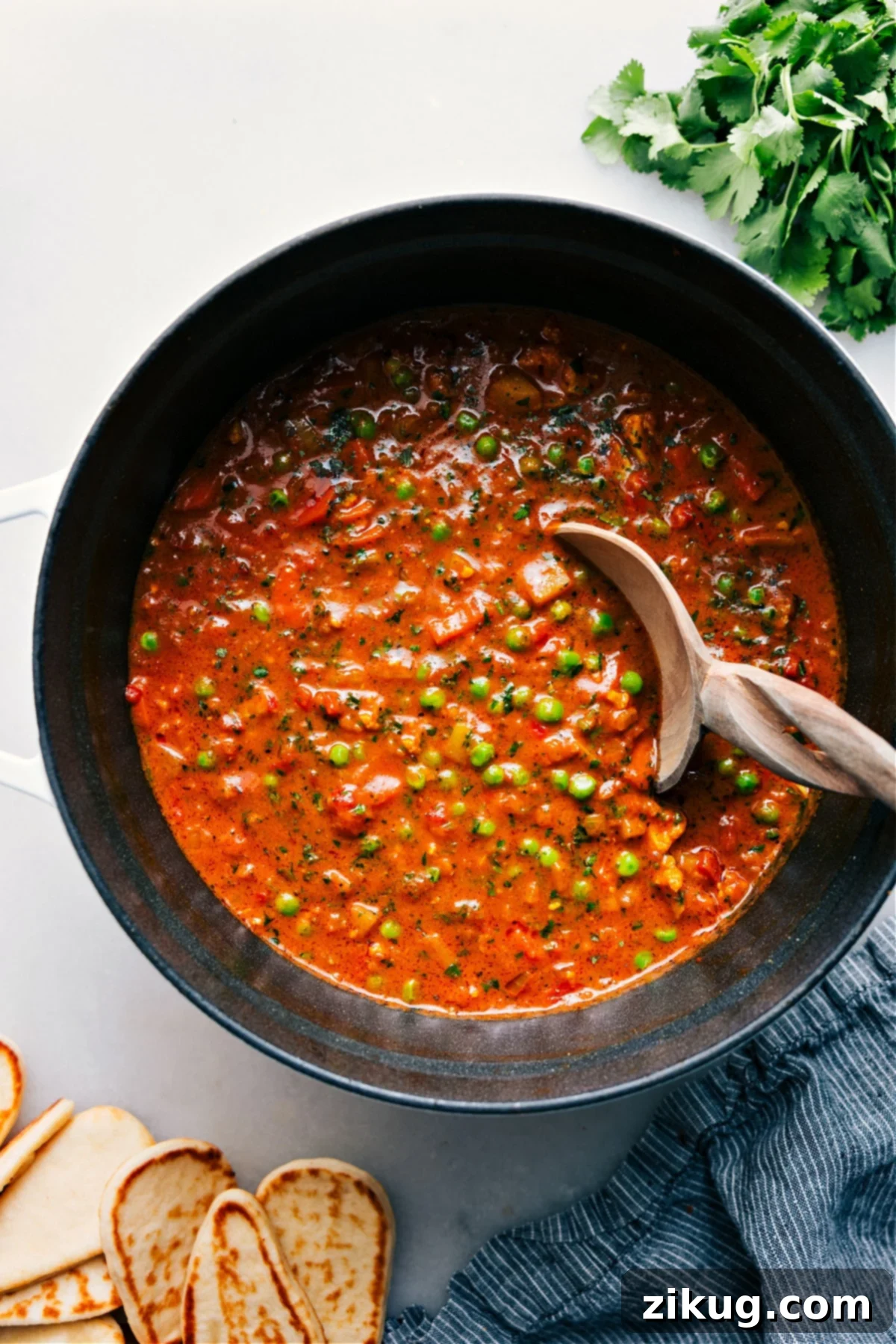
Experience the Richness of Homemade Vegetable Masala
There’s nothing quite like a truly authentic curry, and this Vegetable Masala recipe captures that essence perfectly. My inspiration for this dish comes from an unforgettable Indian cooking class my husband and I took in the beautiful Maldives. Learning to cook in traditional tandoor ovens was an incredible experience—a culinary adventure I still dream about! While I’m still trying to convince him we need a tandoor oven in our backyard (a girl can dream, right?), this recipe brings those exotic flavors right into our kitchen.
Of all the wonderful dishes we prepared during that class, Vegetable Masala quickly became my absolute favorite. This homemade version is carefully adapted from the authentic recipe we learned, with a few thoughtful tweaks to make it more accessible. I’ve substituted some hard-to-find ingredients with readily available alternatives commonly found in U.S. grocery stores, ensuring you can recreate this culinary masterpiece without a scavenger hunt. The goal was to preserve the authentic taste and luxurious texture while simplifying the process for the home cook.
Just like most traditional Indian curries, this Vegetable Masala features a generous amount of coconut oil and butter. These fats are not just for cooking; they are fundamental to building the rich, deep flavors that define an authentic masala. They help toast the spices, caramelize the aromatics, and create a velvety smooth sauce. While it might seem like a lot of fat, remember that this recipe yields a large batch, providing multiple servings. When portioned out, the fat content per serving is well-balanced within a wholesome meal, contributing to the incredible richness without being overly heavy.
Why You’ll Love This Vegetable Masala Recipe
This isn’t just another vegetable curry; it’s a culinary journey. Here’s why this particular Vegetable Masala stands out and why you’ll adore making and eating it:
- Unforgettable Flavor Profile: The blend of spices, gently sautéed aromatics, and rich cream creates a deeply satisfying, complex flavor that’s both bold and comforting. It’s warm, savory, slightly sweet, and boasts a subtle tang.
- Hearty & Wholesome: Packed with a colorful array of vegetables like potatoes, carrots, bell peppers, and cauliflower, this masala is incredibly filling and nutritious. It’s a fantastic way to enjoy a wide variety of plant-based goodness.
- Luxuriously Creamy Texture: Heavy cream adds an unparalleled richness and silkiness to the sauce, making every bite feel indulgent and deeply satisfying.
- Versatile and Adaptable: While the recipe calls for specific vegetables, it’s incredibly forgiving. Feel free to swap in your favorite seasonal produce or whatever you have on hand.
- Perfect for Meal Prep: Like many curries, this Vegetable Masala tastes even better the next day as the flavors continue to meld and deepen. It’s an ideal dish for making ahead and enjoying throughout the week.
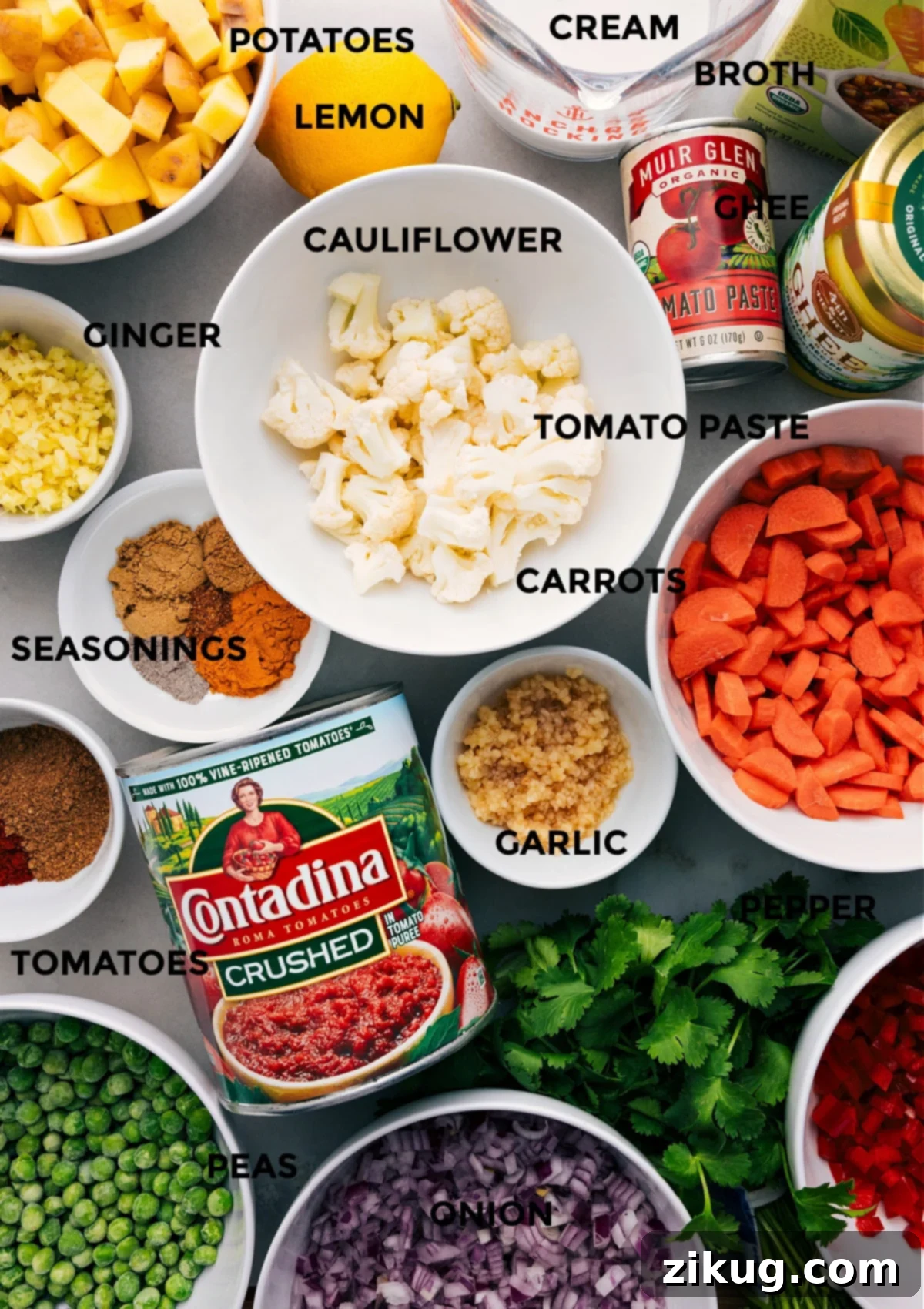
Essential Ingredients for Your Flavorful Vegetable Masala
Crafting a truly exceptional Vegetable Masala begins with selecting the right ingredients. Here’s a breakdown of what you’ll need, along with tips for best results:
- Coconut Oil & Butter: This combination forms the foundational richness of the curry. Coconut oil provides a subtle tropical hint and high heat cooking, while unsalted butter adds a classic creamy, savory depth that is characteristic of Indian cooking. Don’t skimp on these for the fullest flavor!
- Red Onion: Finely diced, red onion melts into the sauce, providing a sweet and savory aromatic base without overpowering the other flavors. Dicing it small ensures it cooks down evenly.
- Carrots & Red Bell Pepper: These vibrant vegetables add natural sweetness, a pleasant texture, and beautiful color to the masala. Small, even dicing is key for consistent cooking.
- Gold Potatoes: Baby gold potatoes are ideal here because their skins are thin and tender, meaning no peeling required! Just dice them into ½-inch pieces so they cook through and become wonderfully tender within the sauce, absorbing all the rich flavors.
- Cauliflower: Adds a wonderful florentine texture and soaks up the masala flavors beautifully. Chop it into small florets to ensure it cooks at the same rate as the other vegetables, preventing some pieces from being too firm or too soft.
- Fresh Garlic & Ginger: The backbone of almost any Indian dish. Freshly minced garlic and ginger provide an aromatic punch that cannot be replicated by powdered versions. While jarred paste can work in a pinch, fresh is always superior for depth of flavor.
- Crushed Tomatoes: Fire-roasted crushed tomatoes are my secret weapon here. They add a smoky depth and a rich, sweet tomato base that elevates the entire dish. If fire-roasted aren’t available, regular crushed tomatoes will still be delicious.
- Vegetable Broth: A high-quality vegetable broth is crucial for the liquid base. It adds another layer of umami and ensures a cohesive, flavorful sauce. Choose a brand you trust for good flavor.
- Heavy Cream: This is what gives the masala its signature creamy, luxurious texture. It mellows the spices and binds all the flavors together, creating a truly indulgent experience.
- Frozen Sweet Peas: Added towards the end, these tiny gems bring a pop of bright green color, a touch of natural sweetness, and a lovely tender bite, contrasting wonderfully with the richer elements.
- Fresh Cilantro or Parsley: A sprinkle of fresh herbs at the end brightens the entire dish, adding a fresh, zesty finish that lifts the robust flavors. Cilantro is traditional, but parsley can be a good substitute if you’re not a fan of cilantro.
- Sugar & Spices: Sugar plays a vital role in balancing the acidity of the tomatoes and enhancing the natural sweetness of the vegetables, bringing harmony to the dish. The carefully curated spice mix—turmeric, coriander, paprika, garam masala, cumin, cardamom, and optional cayenne—is the heart of this masala. Do not skimp on these; they are essential for that authentic, bold Indian flavor!
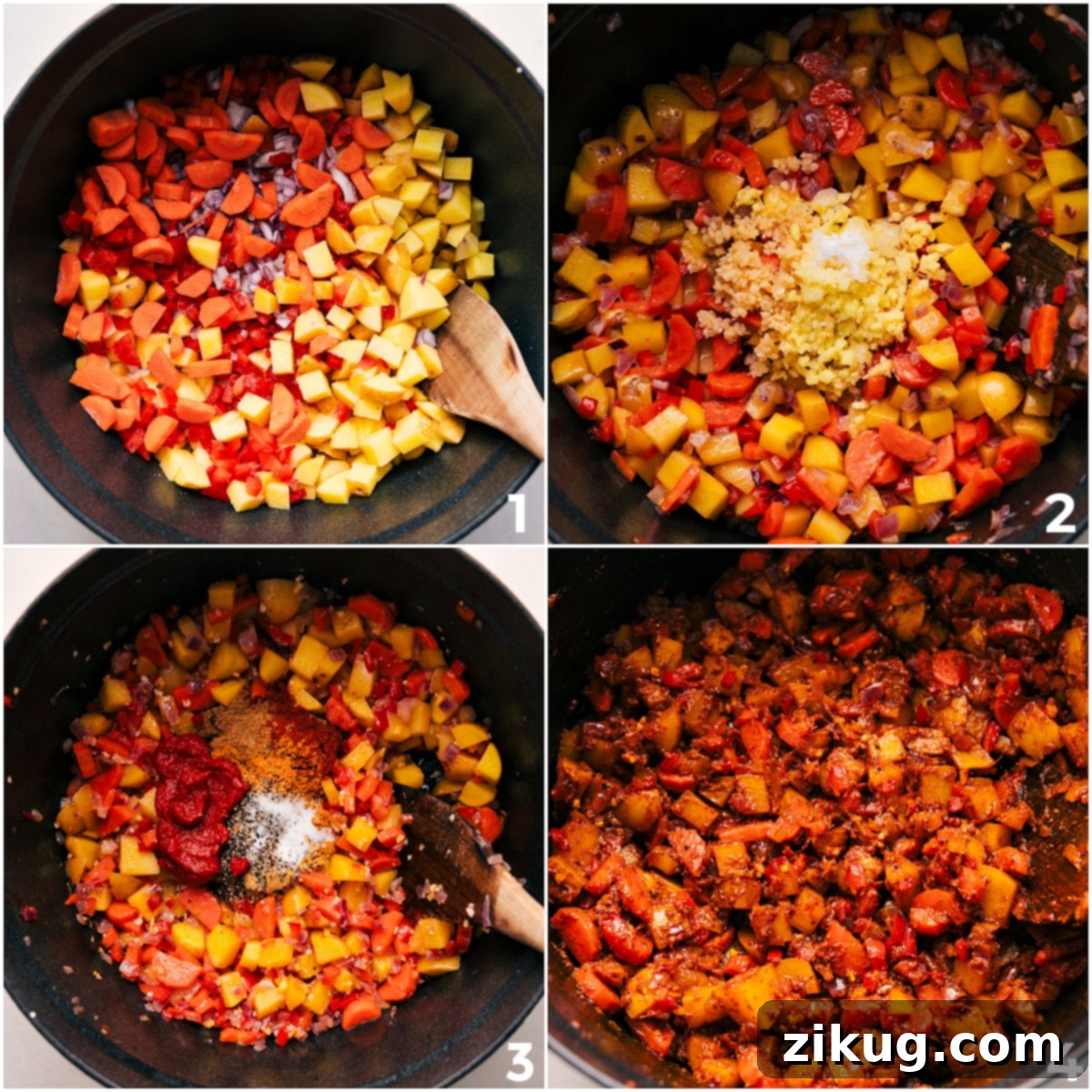
Expert Tips for the Perfect Vegetable Masala
Achieving a truly spectacular Vegetable Masala involves more than just following the steps; it’s about understanding the techniques that amplify its flavors. Here are some invaluable tips to help you master this dish:
- Spice it Up (or Down): This recipe offers a balanced warmth, but you can easily customize the heat level. For a spicier kick, increase the amount of cayenne pepper or add a pinch of red pepper flakes during the seasoning stage. Taste as you go!
- Don’t Underestimate Salt: With a robust blend of spices, salt is absolutely crucial for bringing all the flavors into focus. Taste your masala often throughout the cooking process and adjust the salt as needed. A perfectly seasoned curry will sing with flavor, while an under-salted one will taste flat.
- Embrace Layering Flavors: This is perhaps the most important tip for any good curry. Sautéing ingredients in stages makes a significant difference. First, aromatics like onions, garlic, and ginger are softened to release their essential oils. Then, dry spices are bloomed in hot oil, intensifying their fragrance and flavor. Finally, tomato paste is cooked until it deepens in color, developing a sweeter, richer taste. This meticulous process ensures that each ingredient contributes its best to the final flavor profile, creating a complex and harmonious sauce.
- Vary Your Vegetables: While the suggested vegetables are fantastic, this masala is incredibly adaptable. Feel free to experiment with your favorite firm vegetables. Green beans, baby corn, sweet potatoes, zucchini, or spinach can be excellent additions. If adding softer vegetables like spinach, stir them in during the last few minutes of simmering to prevent them from becoming overcooked and mushy.
- Achieve the Right Consistency: The ideal masala sauce should be thick enough to coat the back of a spoon but still fluid. If your sauce is too thin after simmering, increase the heat slightly and let it reduce for a few more minutes, stirring frequently. If it’s too thick, add a splash more vegetable broth or water until it reaches your desired consistency.
- Fresh is Best for Aromatics: While pre-minced garlic and ginger are convenient, using fresh cloves and root for mincing yields a significantly more vibrant and pungent flavor that truly shines in this masala.
Perfect Pairings: What To Serve With Your Vegetable Masala
This Vegetable Masala is a hearty and complete meal on its own, but pairing it with a few classic accompaniments elevates the dining experience even further. A fresh squeeze of **lemon** and a sprinkle of **fresh herbs** (like cilantro or parsley) just before serving are non-negotiable—they brighten the flavors and add a refreshing contrast to the rich curry. Here are some of my favorite ways to enjoy this delicious dish:
- Fluffy Basmati Rice: The light, aromatic, and long-grained basmati rice is the quintessential companion to any Indian curry. Its delicate texture and fragrance perfectly complement the rich and spicy masala, acting as a canvas to soak up every drop of that delicious sauce.
- Cool Cucumber Raita: This refreshing yogurt-based side dish is a game-changer! Its cool, creamy, and slightly tangy profile provides a wonderful contrast to the warm, bold spices of the masala. We made this in our Maldives cooking class, and now it’s a non-negotiable must-have for me. The recipe for a quick and easy Cucumber Raita is included in the notes below!
- Warm Naan Bread: Soft, chewy, and slightly charred naan bread is perfect for scooping up the masala. It’s incredibly satisfying to tear off a piece and use it to absorb all the flavorful sauce. It tastes best when served warm—you can toast it, heat it gently in the microwave, or char it quickly over a stovetop flame for that authentic touch.
- Simple Green Salad: For a lighter side, a crisp green salad with a bright vinaigrette can offer a refreshing textural contrast to the rich curry.
Quick Tip: Easy Cucumber Raita
To whip up a delightful **Cucumber Raita** in minutes, combine ½ cup of thick Greek yogurt with ½ cup of finely chopped cucumber. Stir in 2 tablespoons of fresh cilantro, 2 teaspoons of chopped green onions, and ¼ teaspoon each of ground cumin, ground coriander, and sea salt. Mix everything well, then chill in the refrigerator for at least 15 minutes before serving to allow the flavors to meld. Give it a final stir just before serving.
Storage & Reheating
One of the best qualities of this Vegetable Masala, like most curries, is that it truly gets even better over time! The spices continue to infuse and the flavors deepen, making leftovers a real treat.
- Fridge: Store any cooled leftovers in an airtight container in the refrigerator for up to 4 days. This makes it perfect for meal prepping throughout the week.
- Reheat: To reheat, gently warm the masala on the stovetop over low heat, stirring occasionally, until heated through. Alternatively, you can use the microwave. If the sauce has thickened too much in the fridge, add a splash of heavy cream or vegetable broth while reheating to restore its luscious consistency.
- Freezing: For longer storage, transfer the cooled Vegetable Masala to a freezer-safe container or heavy-duty freezer bag. It can be stored in the freezer for up to 3 months. When you’re ready to enjoy it, thaw the frozen masala overnight in the refrigerator before reheating gently on the stovetop or in the microwave.
Discover More Delicious Curry Recipes
If you’ve fallen in love with the rich flavors of this Vegetable Masala, you’ll be thrilled to explore other incredible curry recipes from my kitchen. Each recipe offers a unique taste and experience, perfect for expanding your culinary repertoire:
- Easy Chicken Curry with creamy coconut milk for a tropical twist.
- Sweet Potato Coconut Curry Soup featuring hearty chickpeas, perfect for a warming bowl.
- Comforting Curry Lentil Soup made with nutritious red lentils for a wholesome meal.
- Butter Chicken Meatballs served over fluffy rice, a creative take on a beloved classic.
- Flavorful Curry Chicken Salad with sweet golden raisins, ideal for sandwiches or wraps.

The Best Homemade Vegetable Masala
Chelsea Lords
45
40
1
25
6 servings
Equipment
-
Large cast-iron pot or Dutch oven
Ingredients
- 3 tablespoons coconut oil (melted)
- 5 tablespoons unsalted butter (divided)
- 1-1/2 cups finely diced red onion (from 1 large onion)
- 1-1/2 cups thinly sliced carrots (from 4 large carrots)
- 1 cup diced red bell pepper (from 1 large pepper)
- 3 cups diced baby gold potatoes (from 4 medium potatoes, ½-inch dice)
- 1 cup chopped cauliflower (small florets)
- 1 teaspoon granulated sugar
- 2-1/2 tablespoons finely minced garlic (about 5 cloves, freshly minced)
- 2 tablespoons finely minced ginger (peeled, from a 1-1/2 inch piece, freshly minced)
- 2 tablespoons tomato paste
- 1 (14.5-ounce) can crushed tomatoes (fire-roasted preferred for smoky depth)
- 1-2/3 cups vegetable broth
- 1/4 cup + 2 tablespoons heavy cream
- 1 cup frozen sweet peas
- 1/3 cup finely chopped fresh cilantro (or fresh parsley)
- Serving suggestions (see Note 1 in Recipe Notes for ideas like lemon wedges, basmati rice, cucumber raita, and naan)
- 2 teaspoons ground turmeric
- 2 teaspoons ground coriander
- 1 tablespoon paprika
- 1 tablespoon garam masala
- 1 teaspoon ground cumin
- 1/8 teaspoon ground cardamom
- 1/8 teaspoon cayenne pepper (optional, for added heat)
- Salt and black pepper (to taste)
Instructions
-
Prepare Your Vegetables: Begin by finely dicing the red onion and red bell pepper. For a quicker prep, you can use a food processor to achieve an even, fine dice. Next, thoroughly wash and thinly slice the carrots. Dice the baby gold potatoes into uniform ½-inch pieces; there’s no need to peel them as their skins are tender and add to the texture. Finally, chop the cauliflower into small, bite-sized florets. Mince the garlic and ginger finely, or use a food processor for efficiency. Having all your ingredients prepped and ready before you start cooking (mise en place) will make the process much smoother.
-
Sauté the Aromatics and Vegetables: Place a large cast-iron pot or Dutch oven over medium-high heat. Add the coconut oil and 2 tablespoons of unsalted butter to the hot pot. Once the butter has melted and the oil is shimmering, add the finely diced red onion, thinly sliced carrots, diced red bell pepper, and diced gold potatoes. Sprinkle with 1 teaspoon of salt. Sauté these vegetables for 8–10 minutes, stirring occasionally, until the onions soften and become translucent, and the other vegetables begin to tenderize slightly. This step is crucial for building a flavorful base.
Now, add the minced garlic, minced ginger, and granulated sugar to the pot. Continue to sauté for another 2 minutes, stirring frequently to prevent the garlic and ginger from burning. You’ll notice an incredibly fragrant aroma filling your kitchen as these aromatics cook.
-
Bloom the Spices and Tomato Paste: Reduce the heat to medium. Add all of the dry seasonings to the pot: ground turmeric, ground coriander, paprika, garam masala, ground cumin, ground cardamom, and the optional cayenne pepper. Also, add the tomato paste, along with a fresh pinch of salt and black pepper (I usually add about ½ teaspoon of each at this stage). Stir constantly for approximately 3 minutes. The goal here is to toast the spices in the hot oil to release their full aroma and flavor, and to cook down the tomato paste until it darkens in color and develops a richer, sweeter taste. If you notice anything starting to stick or burn, slightly lower the heat. This step is essential for deepening the complex flavors of the masala.
-
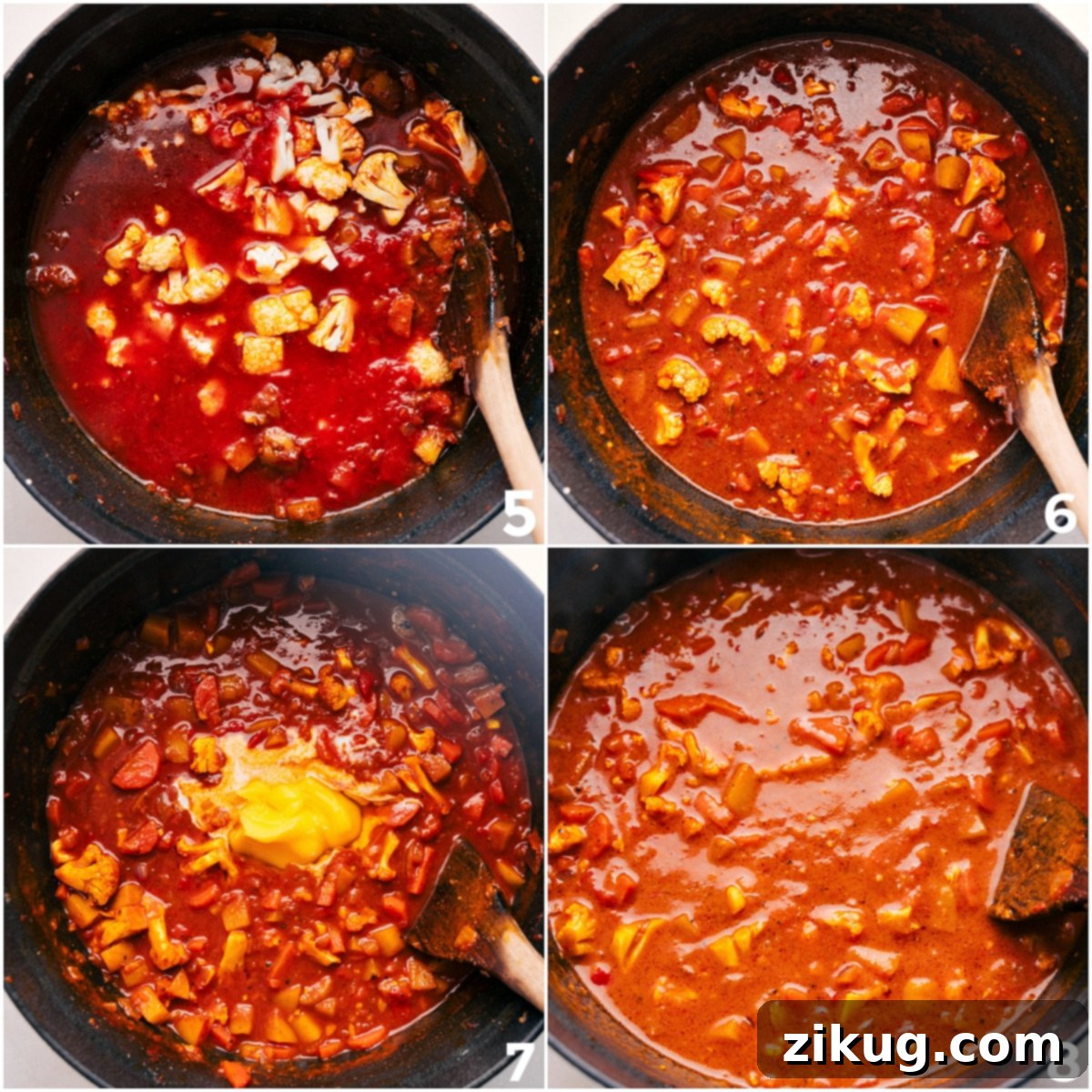
Simmer to Perfection: Add the chopped cauliflower and the can of crushed tomatoes to the pot. Stir well for 1 minute, making sure to scrape up any browned bits from the bottom of the pot; these bits are packed with flavor. Next, pour in the vegetable broth and gently press the vegetables down so they are mostly submerged in the liquid.
Bring the mixture to a gentle simmer (you’ll see small bubbles forming around the edges). Once simmering, reduce the heat slightly to maintain a gentle, consistent simmer. Allow the masala to cook for 15–20 minutes, stirring occasionally, until all the vegetables are fork-tender and the sauce has thickened to your desired consistency. If the sauce isn’t thickening enough, you can increase the heat slightly to encourage more evaporation, but continue to stir frequently.
-
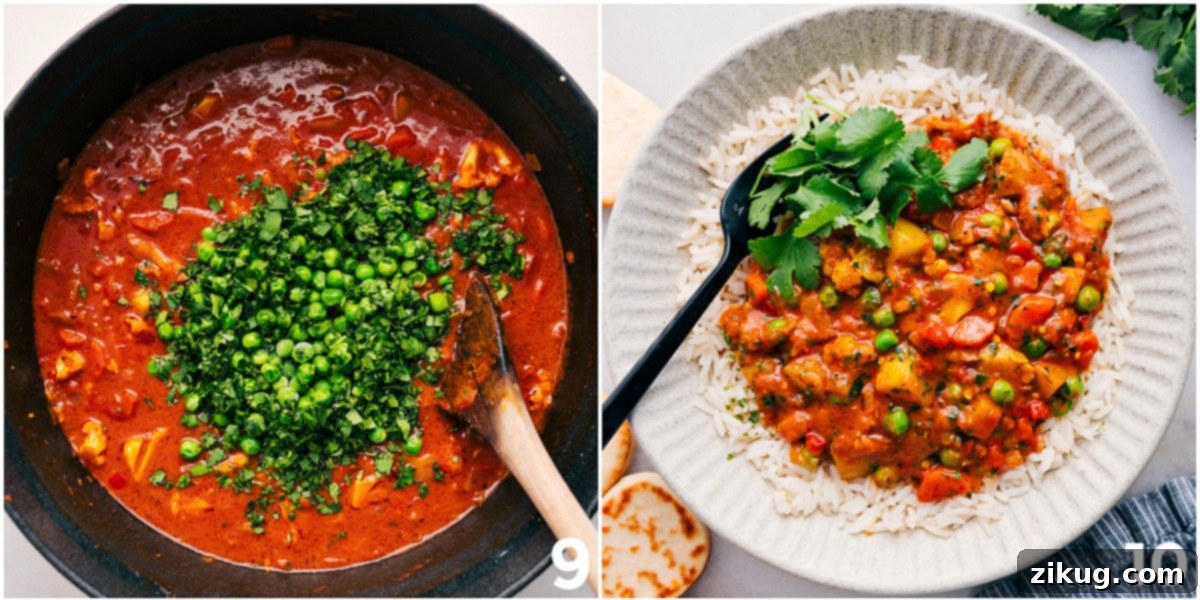
Finish with Cream and Freshness: Reduce the heat to the lowest setting. Stir in the heavy cream and the remaining 3 tablespoons of unsalted butter until the butter has completely melted into the sauce, creating a rich and velvety texture. Remove the pot from the heat. Stir in the frozen sweet peas and the finely chopped fresh cilantro (or parsley). The residual heat will gently warm the peas without overcooking them. Taste the Vegetable Masala and adjust the seasoning as needed. Depending on the acidity of your tomatoes, you may find that adding 1–2 teaspoons of extra granulated sugar helps balance the flavors beautifully.
-
Serve and Enjoy: Your glorious homemade Vegetable Masala is now ready! Serve it generously over a bed of fluffy basmati rice. Garnish with a fresh squeeze of lemon juice and extra cilantro for brightness. For an authentic and complete Indian meal experience, don’t forget to serve it alongside cooling cucumber raita and warm, soft naan bread. Enjoy every rich, flavorful bite!
Recipe Notes
- Preparing Fluffy Basmati Rice: To achieve perfect basmati rice, begin by rinsing 1 cup of rice in a fine-mesh sieve under cold running water until the water runs completely clear. This removes excess starch and prevents stickiness. Then, soak the rinsed rice in fresh water for 5–10 minutes. Bring a large pot of water to a rolling boil, drain the soaked rice, and add it to the boiling water. Cook for 5-10 minutes, or until the grains are tender but still have a slight bite (al dente). Drain the rice thoroughly and fluff it with a fork before serving.
- Making Quick Cucumber Raita: For a refreshing side, combine ½ cup of thick Greek yogurt with ½ cup of finely chopped cucumber. Stir in 2 tablespoons of freshly chopped cilantro, 2 teaspoons of finely chopped green onions, and ¼ teaspoon each of ground cumin, ground coriander, and sea salt. Mix everything together until well combined. Refrigerate the raita for at least 15 minutes before serving to allow the flavors to meld. Stir again before serving.
- Warming Naan Bread: To warm naan bread, lightly spray both sides with cooking spray or brush with a little butter. For a slightly charred, authentic taste, grill it directly over an open stovetop flame for 10–20 seconds per side, watching carefully to prevent burning. If using an oven, preheat it to 200°F (95°C), stack the naan, wrap it loosely in aluminum foil, and heat for about 5 minutes until warm and pliable.
Nutrition Note: The provided nutrition information is an estimate and does not include any serving suggestions such as rice or naan, as these can vary significantly.
Storage: Leftovers should be stored in an airtight container in the fridge for up to 4 days. Reheat gently on the stovetop over low heat or in the microwave. If the consistency is too thick, add a splash of cream or vegetable broth during reheating.
Nutrition Facts (Per Serving)
Serving:
1
serving
|
Calories:
424
kcal
|
Carbohydrates:
44
g
|
Protein:
8
g
|
Fat:
26
g
|
Saturated Fat:
17
g
|
Cholesterol:
52
mg
|
Sodium:
236
mg
|
Potassium:
1261
mg
|
Fiber:
9
g
|
Sugar:
12
g
|
Vitamin A:
6197
IU
|
Vitamin C:
123
mg
|
Calcium:
99
mg
|
Iron:
4
mg
Nutrition information is automatically calculated and should only be used as an approximation. It does not include optional serving suggestions.
Love this recipe? Leave a comment and rating below!
Your feedback helps me create more delicious content for you.