
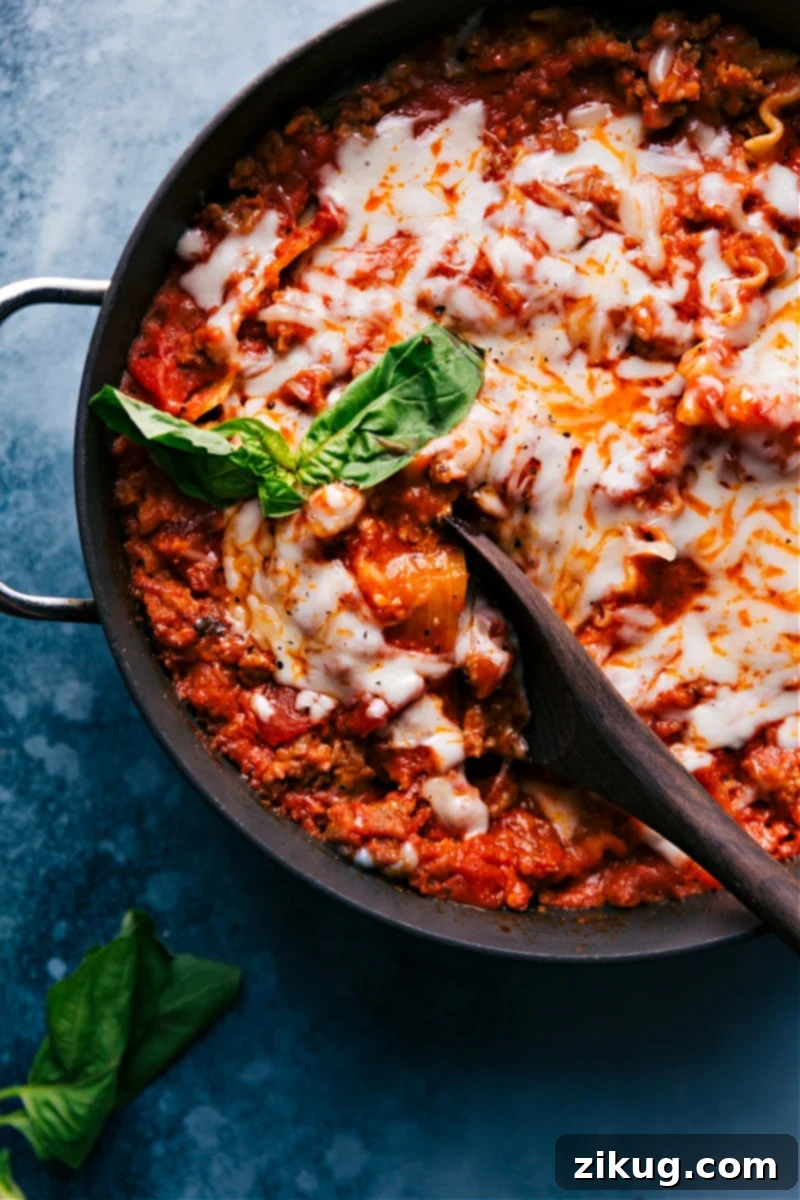
Skillet Lasagna is the quintessential comfort food, offering everything you crave in classic lasagna – tender, perfectly cooked pasta sheets, a rich and savory meat sauce, and a luscious, creamy cheese filling. The best part? This incredible dish comes together effortlessly, prepared and cooked right in a single skillet on your stovetop. Say goodbye to multiple pots and pans, and no oven is required! It’s a game-changer for busy weeknights when you want homemade flavor without the fuss.
If you love innovative twists on Italian classics, be sure to explore other favorite lasagna variations like our zesty Taco Lasagna or the incredibly convenient one-skillet Baked Ravioli Lasagna. These recipes prove that delicious, layered pasta dishes don’t always demand extensive prep.
The Magic of One-Skillet Lasagna: Effortless Comfort Food
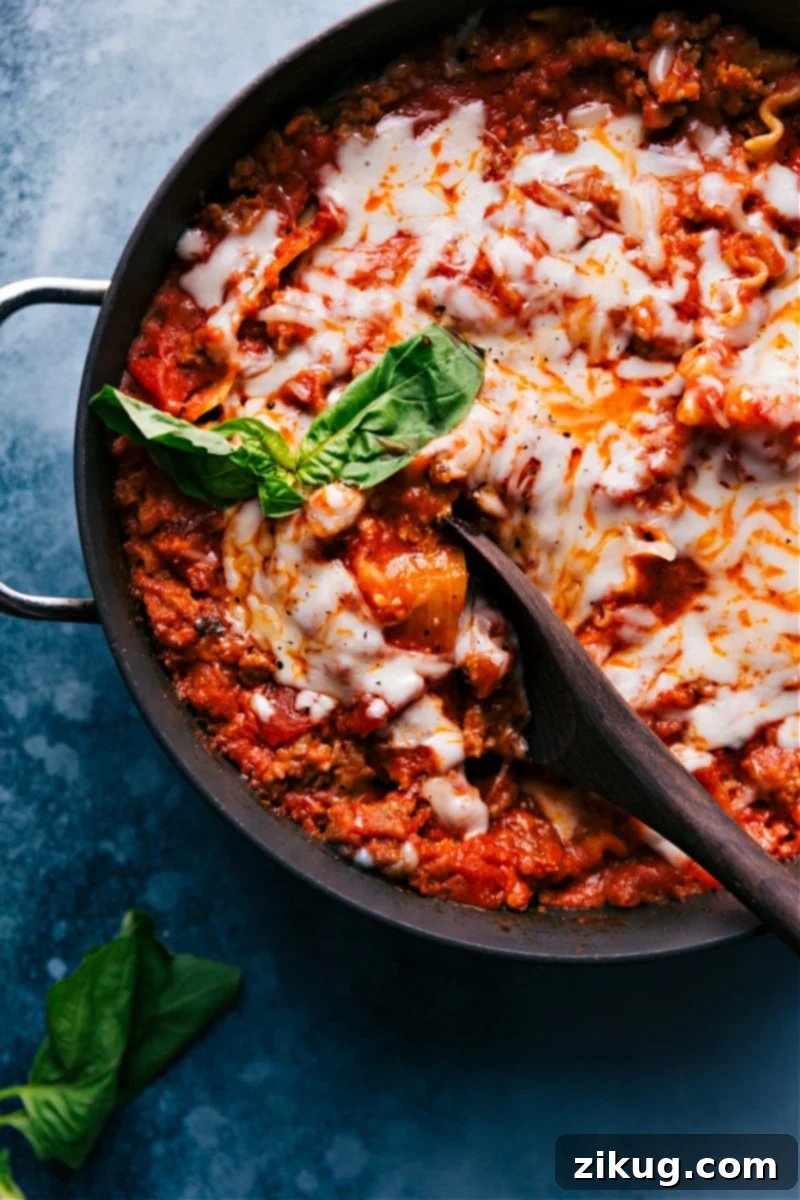
Traditional lasagna, while undeniably delicious, often comes with a reputation for being a labor of love, involving multiple pots, careful layering, and a lengthy bake time. This one-skillet version, however, redefines homemade lasagna as an accessible and easy weeknight meal. We’ve streamlined the process dramatically, significantly reducing cleanup without compromising on that authentic, comforting flavor. You’ll only need a couple of bowls for mixing and, of course, your trusty skillet – all of which are quick to wash.
This Skillet Lasagna delivers all the beloved flavors and textures of the classic dish. Imagine perfectly al dente pasta sheets nestled between layers of rich, savory marinara infused with Italian sausage, and a decadent, creamy blend of melted cheeses. It’s a truly delicious treat that satisfies the deepest comfort food cravings. Plus, the convenience extends beyond cooking; you can effortlessly cut it into squares right from the skillet, making for a simple, no-fuss serving experience that’s ideal for family dinners or casual gatherings.
How To Make Skillet Lasagna: Your Simple Guide
Creating this delightful one-skillet lasagna is incredibly straightforward. Follow these simple steps to bring a delicious Italian-inspired meal to your table in under an hour.
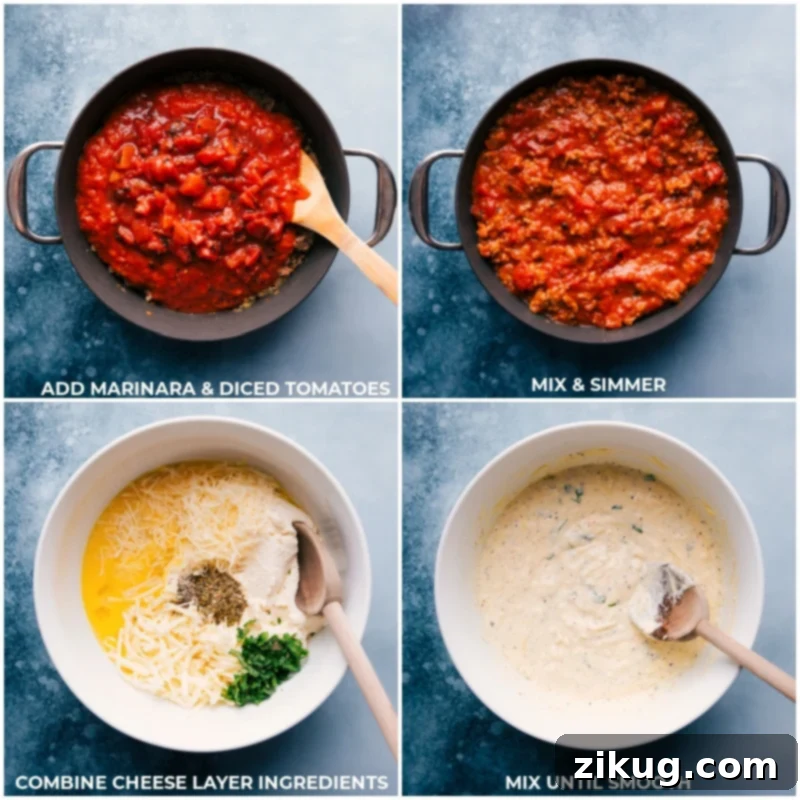
- Prepare the Flavorful Meat Sauce: Begin by sautéing diced onion in olive oil until softened and translucent, building a fragrant base. Next, add your chosen ground Italian sausage, breaking it apart as it cooks until beautifully browned and cooked through. This browning step is crucial for developing deep, rich flavor. Stir in minced garlic and cook for just 30 seconds until aromatic, being careful not to burn it. Finally, incorporate fire-roasted diced tomatoes (undrained for extra moisture and flavor) and your favorite marinara sauce. Let this mixture simmer gently to allow the flavors to meld beautifully. Once the sauce has thickened slightly and smells absolutely irresistible, transfer most of it to a separate bowl, leaving a cup in the skillet for the first layer.
- Whisk Up the Creamy Cheese Filling: In a clean bowl, combine all the elements for your luxurious cheese filling. Whisk two large eggs, which act as a binder, with creamy ricotta cheese, fragrant fresh basil (cut into ribbons for maximum aromatic impact), Italian seasoning, half of your freshly shredded mozzarella, and a portion of grated Parmesan cheese. Stir until well combined and season with a pinch of salt and pepper to enhance the flavors. This blend of cheeses will create that signature gooey, stretchy texture and rich taste.
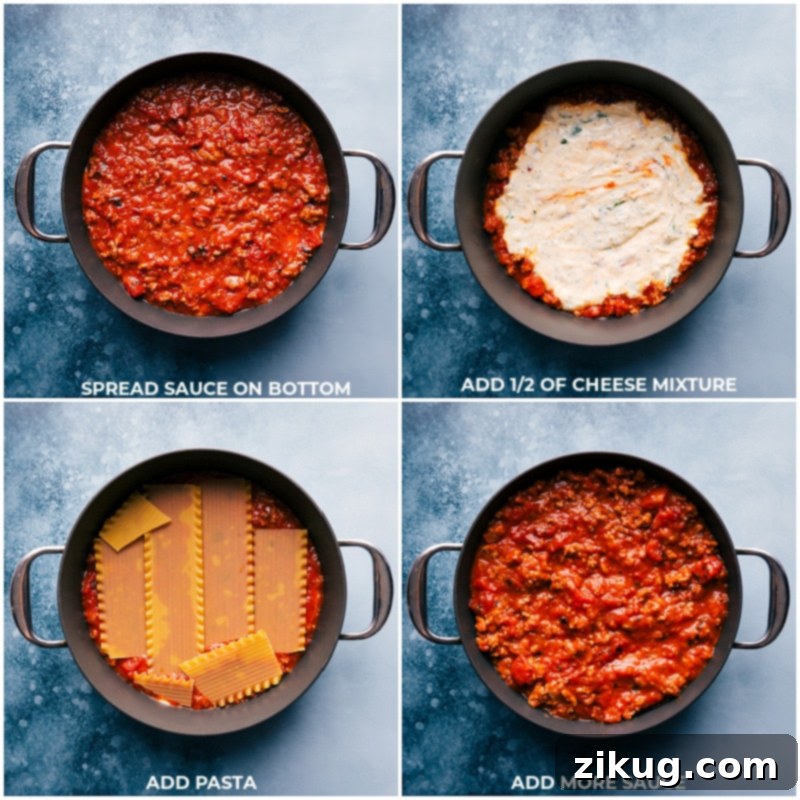
- Layer the Lasagna in the Skillet: Now for the fun part – assembling your lasagna directly in the skillet! Start with a foundational layer of the savory meat sauce you left in the pan. Spread an even layer of the creamy cheese filling over the sauce. Then, carefully arrange a layer of uncooked “oven-ready” or “no-boil” lasagna pasta sheets on top, breaking them as needed to fit the skillet without overlapping. Overlapping pasta can prevent it from cooking evenly. Drizzle a quarter cup of hot water evenly over the pasta; this provides the necessary moisture for the noodles to soften during cooking. Repeat these layers until all ingredients are used, typically creating two layers of pasta. Ensure your top layer is generously covered with the remaining meat sauce.
- Cover, Simmer, and Rest: Bring the skillet contents to a boil over medium-high heat. Once bubbling, reduce the heat to medium-low, ensuring a gentle simmer around the edges of the pan. Cover the skillet tightly with a lid (or foil if you don’t have a lid that fits), trapping the steam inside. Let it simmer, undisturbed, for 20-25 minutes, or until the pasta is tender. The steam and moisture from the sauce will cook the no-boil noodles to perfection. After simmering, remove the skillet from the heat but keep it covered for another 10 minutes. This crucial resting period allows the pasta to finish cooking, the sauce to thicken, and the cheese layers to set, making it much easier to serve. Finally, uncover, sprinkle with the remaining mozzarella and Parmesan cheese, cover again for a couple of minutes to melt, then slice and enjoy your magnificent Skillet Lasagna!
Essential Ingredients for Your Perfect Skillet Lasagna
The quality of your ingredients truly shines in a dish like Skillet Lasagna. Here are a few components worth highlighting to ensure your lasagna is nothing short of spectacular:
- **Premium Marinara Sauce:** The marinara is the backbone of your meat sauce, so choose wisely! Opt for a high-quality, flavorful, and thick marinara sauce, such as Rao’s®, for a truly homemade taste without extra effort. Many good brands already contain olive oil, onions, garlic, basil, pepper, and oregano, meaning you won’t need to add as many extra ingredients. Don’t be afraid to pick a brand you genuinely love!
- **Fire-Roasted Crushed Tomatoes:** These canned tomatoes are a secret weapon! They’re cooked over an open flame before being processed, which imparts a wonderful smoky and slightly sweet flavor profile that elevates your meat sauce effortlessly. This subtle addition provides depth and complexity that regular diced or crushed tomatoes simply can’t match.
- **Ground Italian Sausage:** This ingredient brings incredible savory depth and a delightful spice to your lasagna. You have the flexibility to choose between spicy ground Italian sausage for an extra kick of heat, or mild for a more mellow, family-friendly flavor. For those who enjoy more heat, you can always serve red pepper flakes on the side for individual customization.
Key Components for Stovetop Success
Beyond the main flavors, certain ingredients and preparation techniques are crucial for achieving the perfect Skillet Lasagna:
- **Fresh Basil:** While dried herbs are convenient, fresh basil makes a remarkable difference. Its vibrant, peppery, and slightly sweet aroma provides an unparalleled freshness and brightness to the cheese filling, instantly elevating the entire dish without requiring a long list of additional ingredients. This truly helps make Skillet Lasagna easy to prepare while tasting gourmet.
- **”Oven-Ready” or “No-Boil” Lasagna Pasta:** This is arguably the most critical ingredient for stovetop lasagna success. These specially designed pasta sheets are thinner and pre-cooked to allow them to soften and cook through directly in the sauce. Using regular lasagna noodles will result in undercooked, tough pasta, so ensure your package specifies “oven-ready” or “no boil” for proper cooking. Barilla Oven-Ready Lasagne Pasta is a great option.
- **Freshly Grated Cheese:** For the absolute best results and a smooth, creamy melt, always grate your own mozzarella and Parmesan cheese. Pre-grated cheeses often contain anti-caking additives like cellulose, which can prevent them from melting smoothly and result in a grainy texture. Freshly grated cheese melts beautifully, creating that irresistible, gooey factor we all love in lasagna.
Visual Guide to Layering and Simmering
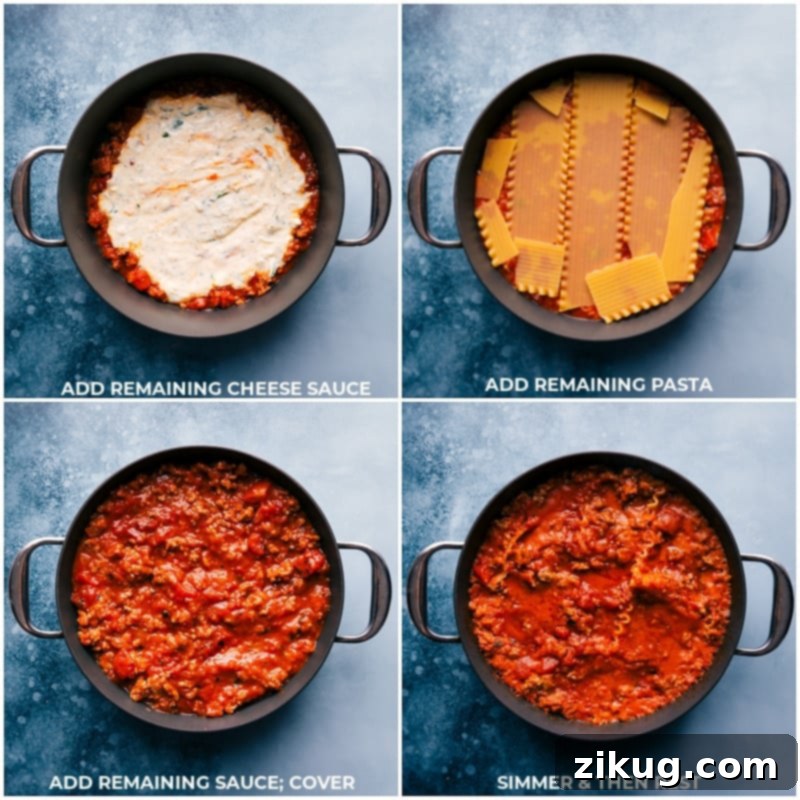
Skillet Lasagna FAQs
Absolutely! This recipe works beautifully in both a cast iron pot and a nonstick pot. I’ve tested it in both, and they each yield excellent results. However, if you’re looking for slightly quicker cooking and a sauce that thickens a bit faster, a cast iron skillet is a fantastic choice due to its superior heat retention and distribution. Just be mindful of its heat capacity, as it can cook things more rapidly.
For the best results and to ensure your pasta softens perfectly, I always recommend starting the layering with a good amount of the saucy meat mixture directly in the pan. This creates a protective, moist layer between the hot skillet surface and the delicate pasta, giving the noodles the best chance to absorb liquid and become tender without sticking or hardening.
If you’re using a high-quality nonstick pan, there’s generally no need to grease it. The nonstick surface should prevent sticking. For a cast-iron skillet, a quick, light spray of olive oil spray is a good idea to create an extra layer of protection and ensure nothing adheres to the bottom, especially with that initial layer of sauce.
For optimal results, it is absolutely essential to cook your Skillet Lasagna covered. Covering the pot traps steam and heat, creating a moist environment that allows the “no-boil” lasagna pasta to cook through and become tender. If you don’t have a lid that fits snugly, heavy-duty aluminum foil can be used as an effective substitute. However, be aware that using foil might slightly extend the simmering time, as it may not seal quite as tightly as a proper lid. Avoid peeking too often, as this releases precious steam!
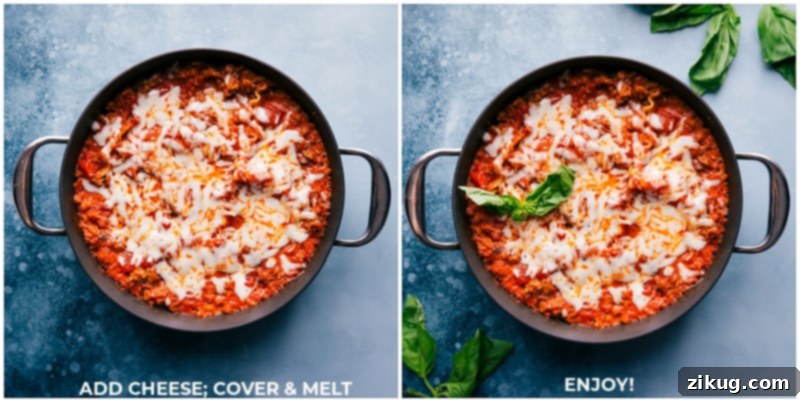
Skillet Lasagna Recipe Tips for Perfection
Achieving a perfect Skillet Lasagna every time is easy with these insider tips and tricks:
- Ensure Proper Pasta Hydration: When layering, always remember to add a bit of hot water directly on top of the pasta sheets. This simple step ensures the “no-boil” noodles have enough liquid to fully hydrate and cook through properly, preventing them from becoming dry or tough in spots.
- Master the Gentle Simmer: The ideal simmering temperature is key to success. You’re aiming for a slow, gentle bubble visible just along the edges of the skillet. If there’s no movement at all, your heat is too low, and the pasta won’t cook. Conversely, if it’s bubbling too vigorously, the sauce might reduce too quickly, leaving your dish dry. Resist the urge to frequently open the lid, as this releases essential steam required for cooking the pasta. Remember, the pasta will continue to soften and the sauce will thicken as the dish rests off the heat.
- Customize with Lighter Options & Veggies: For a lighter take on this dish, consider substituting ground turkey for the Italian sausage. To maintain that classic Italian flavor profile, be sure to add spices like paprika, fennel seeds, garlic powder, and a generous amount of extra Italian seasoning to your turkey. You can also easily boost the nutritional value and add more texture by mixing in about 3 cups of chopped spinach (or other quick-cooking greens like kale) to the sausage mixture before simmering. Mushrooms, bell peppers, or zucchini would also be delicious additions!
- Don’t Skip the Resting Time: Once the lasagna has simmered, letting it rest, still covered, for 10 minutes off the heat is non-negotiable. This critical period allows the residual heat to finish cooking the pasta to perfect tenderness, gives the sauce a chance to thicken further, and helps the cheesy layers set, making for much cleaner and easier slices.
- Serve with Simple Sides: Skillet Lasagna is a hearty meal on its own, but it pairs wonderfully with a fresh green salad tossed in a light vinaigrette and some crusty garlic bread to soak up every last bit of delicious sauce.
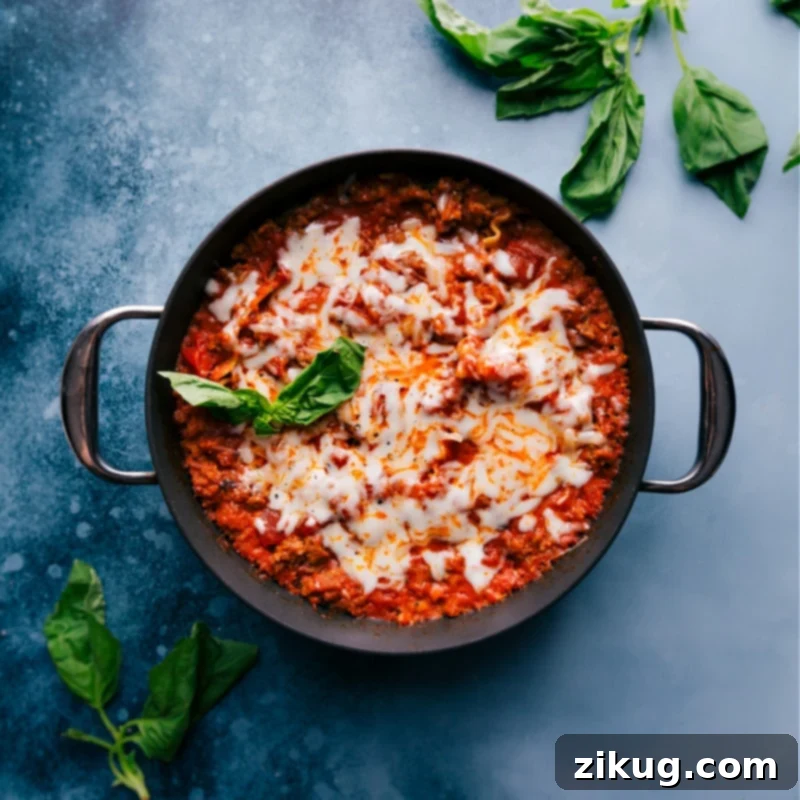
Storage Solutions
Enjoying Leftovers & Freezing
Skillet Lasagna makes fantastic leftovers! To store, let the lasagna cool completely to room temperature before covering it tightly with plastic wrap or aluminum foil. It can be stored in the refrigerator for up to 4 days, making it perfect for meal prepping or quick lunches.
For longer storage, this lasagna freezes beautifully. Transfer individual portions or the entire skillet (if freezer-safe) to an airtight container or wrap it tightly in foil. It can be stored in the freezer for up to 3 months.
To reheat from frozen, preheat your oven to 375°F (190°C). Place the frozen lasagna (covered with foil if not already wrapped) in the oven and bake for approximately 60 minutes, or until it is heated through and bubbling. If reheating from the fridge, it will take less time, around 20-30 minutes.
More Irresistible Saucy Pasta Dishes
If you’re a fan of rich and comforting pasta recipes, you’ll love these other saucy creations:
- Creamy Chicken Pasta: A luxurious dish featuring tender chicken in a velvety cheese sauce.
- Vegetable Pasta: Surprisingly ultra-creamy, this recipe achieves its rich texture without any milk or cream!
- Butternut Squash Pasta: A seasonal favorite, crowned with crispy bacon for an irresistible combination of sweet and savory.
- Zucchini Pasta Sauce: A quick and vibrant sauce featuring fresh summer squash and zucchini, perfect for a light yet satisfying meal.
- Creamy Sausage Pasta: A hearty and flavorful dish packed with savory sausage, sun-dried tomatoes, and fresh spinach in a creamy sauce.
Skillet Lasagna
Chelsea Lords
30 minutes
20 minutes
50 minutes
4
servings
Equipment
-
Large pan
nonstick, 10 to 12 inches
Ingredients
-
1
tablespoon
olive oil -
1
cup
diced yellow onion
1/2 of an onion -
1
pound
ground Italian sausage -
1
teaspoon
minced garlic
2 cloves, or 1/2 teaspoon garlic powder -
1
(14.5-ounce) can
fire-roasted diced tomatoes
or crushed tomatoes -
1
(24-ounce) jar
marinara sauce
I love Rao’s! - Salt and pepper
-
2
large
eggs -
1-1/4
cups
ricotta cheese -
1/4
cup
fresh basil
cut in ribbons, or 1 teaspoon dried basil -
1
teaspoon
Italian seasoning -
1
cup
freshly shredded mozzarella cheese
divided -
1/4 cup + 2 tablespoons
freshly grated Parmesan cheese
divided
-
8 to 9
oven-ready lasagna noodles
no cook/boil, see note 1 -
1/4
cup
hot water
divided
Instructions
-
In a large nonstick pan (10–12 inches), heat oil over medium heat. Once shimmering, add in onion. Sauté until onion is translucent, about 3–4 minutes.
-
Turn heat to high and add sausage and salt/pepper to taste. (I add 1/2 teaspoon salt and 1/4 teaspoon pepper.) Cook, breaking/crumbling it up as you cook with a wooden spoon until sausage is browned and cooked through. If there is a lot of grease, drain it off or dab the meat with a paper towel. Add garlic, stir, and cook for 30 seconds.
-
Add undrained diced tomatoes and marinara. Bring the mixture to a rapid simmer, then reduce heat to medium. Let simmer about 5 minutes, stirring occasionally, while preparing the cheese filling. Taste and season if needed (more salt/pepper). Transfer all but 1 cup (135g) meat sauce to a separate bowl.
-
In a separate bowl, whisk the eggs with a fork. Stir in ricotta, basil, Italian seasoning, 1/2 cup (50g) mozzarella cheese, and 1/4 cup (15g) Parmesan cheese. Stir to combine and season to taste with salt and pepper. (I add 1/4 teaspoon pepper and 1/8 teaspoon salt.)
-
Spread 1 cup (220g) of the cheese mixture over the meat sauce in the pan. And 1 and 1/2 cup (395g) of the meat sauce on top. Place 3–4 of the uncooked lasagna noodles on top of the meat sauce. Break up the pasta as needed and make sure it is in an even layer (don’t overlap—pasta won’t get tender). Pour 2 tablespoons of hot water evenly over the pasta.
-
Add the rest of the cheese mixture on top. Add 1-3/4 cup (455g) of the meat sauce in an even layer on top of the cheese. Add remaining 3–4 uncooked pasta noodles (breaking to fit the pan) on top of the meat sauce. Pour the remaining 2 tablespoons of very hot water evenly over the pasta. Add the last of the meat sauce (about 1-3/4 cups; 370g) on top.
-
Bring to a boil. Reduce heat to medium low (it should be a gentle simmer at the edges) and cover pan with lid (or foil in a pinch). Simmer, covered, 20–25 minutes (see note 2). Remove from heat and let stand, still covered, for 10 minutes (this is when the pasta finishes cooking). Remove lid and sprinkle with remaining 1/2 cup (50g) mozzarella cheese and remaining 2 tablespoons Parmesan cheese. Cover and let stand 2 minutes or until melted. Cut into slices (it’s a little messy!), serve, and enjoy!
Recipe Notes
Note 2: For simmering, there should be a gentle bubble along the edges of the pot. If there is no movement, the lasagna won’t cook through (temperature is too low) and too much movement (heat too high) the dish will dry out. Avoid checking pasta too often; this lets out the steam.
Storage: Let the dish cool completely before covering with plastic wrap or foil. Store in the fridge for up to 4 days. You can freeze it in a container or wrapped in foil for up to 3 months.
Nutrition
Serving:
1
serving
|
Calories:
1118
kcal
|
Carbohydrates:
53
g
|
Protein:
63
g
|
Fat:
74
g
|
Saturated Fat:
34
g
|
Polyunsaturated Fat:
7
g
|
Monounsaturated Fat:
29
g
|
Trans Fat:
0.01
g
|
Cholesterol:
295
mg
|
Sodium:
2950
mg
|
Potassium:
1438
mg
|
Fiber:
7
g
|
Sugar:
14
g
|
Vitamin A:
2154
IU
|
Vitamin C:
27
mg
|
Calcium:
1081
mg
|
Iron:
6
mg
Nutrition information is automatically calculated, so should only be used as an approximation.
Like this? Leave a comment below!