
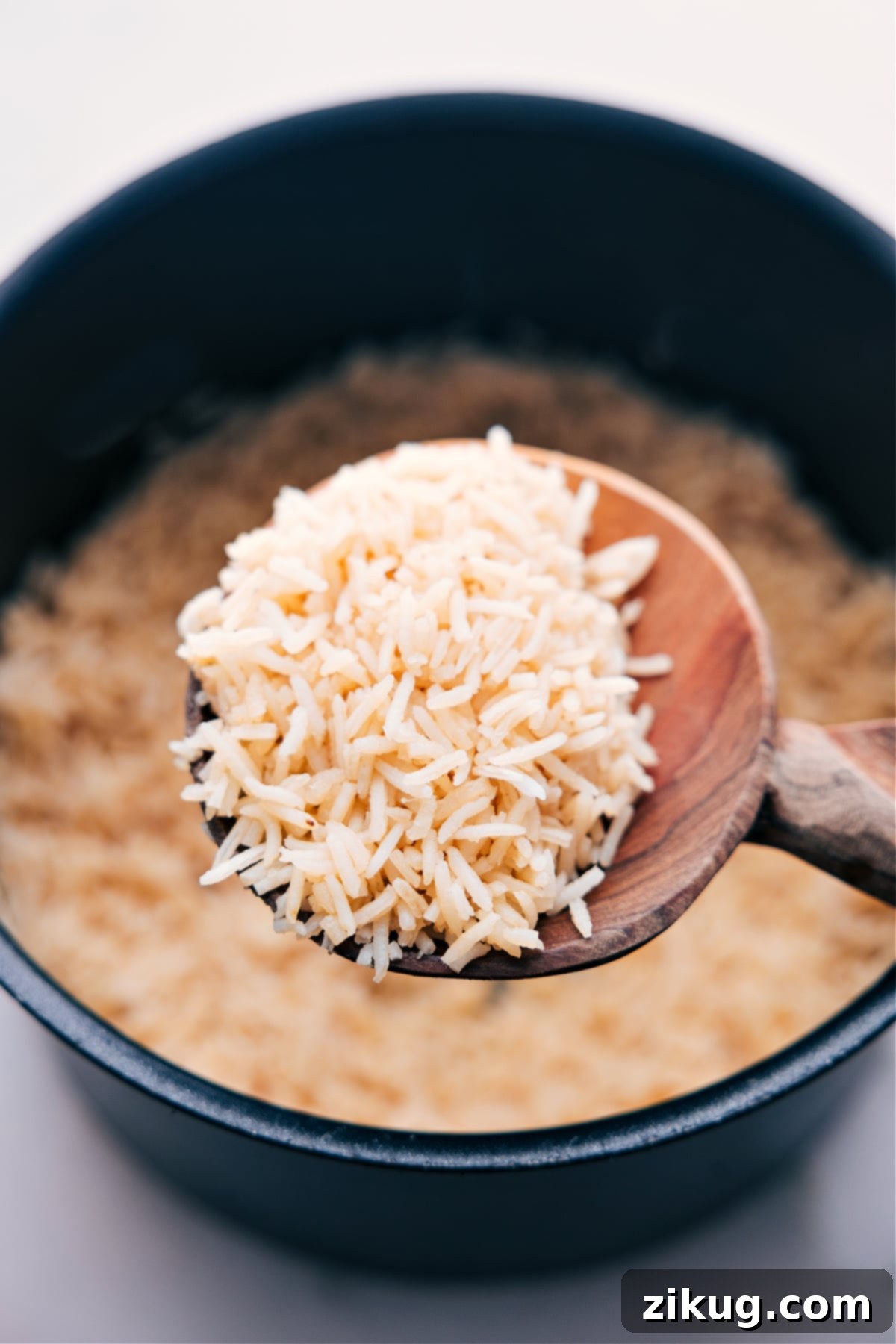
Bone Broth Rice is far more than just a side dish; it’s a culinary revelation that infuses your everyday rice with incredible flavor and a powerhouse of nutrients. By swapping plain water for rich, savory bone broth, you transform a simple grain into a protein-packed, collagen-rich addition to any meal. This dish is not only delicious but also remarkably easy to prepare, making it an ideal choice for busy weeknights or for those looking to elevate their meal prep game. Get ready to experience a flavorful twist that will quickly become a staple in your kitchen.
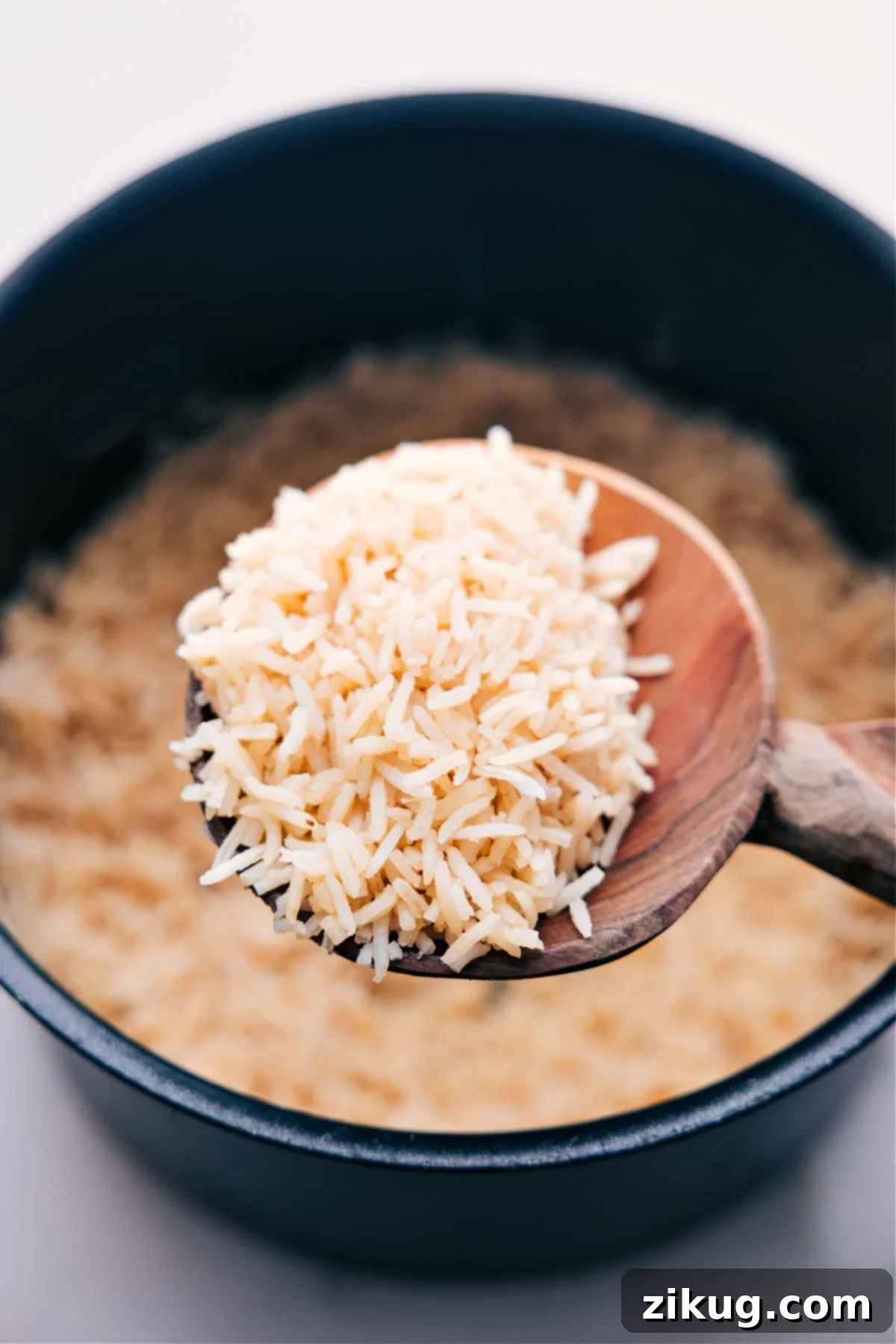
Why Bone Broth Rice is a Must-Try: Elevate Your Everyday Meals with Added Nutrition and Flavor
For those seeking to add more nourishment and depth of flavor to their meals, Bone Broth Rice presents an excellent opportunity. This simple substitution in your cooking liquid yields profound benefits, transforming a humble staple into a dish that supports your health and excites your palate. Here’s a closer look at what makes Bone Broth Rice an indispensable part of a balanced and delicious diet:
- Super-Healthy and Nutritionally Dense: The primary appeal of bone broth lies in its exceptional nutritional profile. It’s an outstanding source of protein, crucial for everything from muscle repair and growth to enzyme production and hormone regulation. Furthermore, bone broth is rich in collagen, which breaks down into gelatin during cooking. This gelatin is packed with amino acids like glycine, proline, and glutamine, known for supporting gut health, strengthening joints, improving skin elasticity, and bolstering the immune system. By incorporating bone broth into your rice, you’re not just adding calories, you’re adding a functional food that contributes to overall wellness and vitality, making each bite more beneficial.
- Richly Flavorful with Umami Depth: Plain rice can often serve as a neutral canvas, but Bone Broth Rice is an experience in itself. The slow-simmered bones and aromatics in the broth impart a profound umami flavor that is both savory and comforting. This deep, complex taste effortlessly elevates the rice, transforming it from a mere filler to a star component of your meal. The natural richness means you may need less butter or other additions, letting the inherent flavor shine through and making your meals more satisfying.
- Effortlessly Simple to Prepare: Despite its gourmet appeal and robust health benefits, preparing Bone Broth Rice requires minimal effort. The process is as straightforward as cooking regular rice: combine ingredients, bring to a simmer, cover, and let it cook. There are no complicated techniques or exotic tools involved, making it accessible for novice cooks and a quick go-to for seasoned chefs. This ease of preparation ensures that you can consistently enjoy healthy, flavorful meals without added stress.
- Incredibly Versatile for Any Cuisine: The savory yet balanced flavor of Bone Broth Rice makes it an exceptionally versatile dish. It pairs harmoniously with a vast array of global cuisines and main courses. Imagine it alongside a Mediterranean grilled chicken, a vibrant Asian stir-fry, a hearty American pot roast, or even a spicy Mexican bowl. Its ability to complement diverse flavor profiles means it can adapt to almost any meal you’re planning, offering a nutritious and delicious foundation every time.
- Perfect for Convenient Meal Preparation: For those who prioritize efficiency and healthy eating throughout the week, Bone Broth Rice is a game-changer for meal prep. It cooks in a single batch and stores beautifully, maintaining its quality and flavor in the refrigerator for up to five days. This allows you to have a ready-to-eat, nutritious side dish available at a moment’s notice, saving precious time during busy weekdays and helping you stick to your healthy eating goals with ease.
Essential Ingredients for Your Nourishing Bone Broth Rice
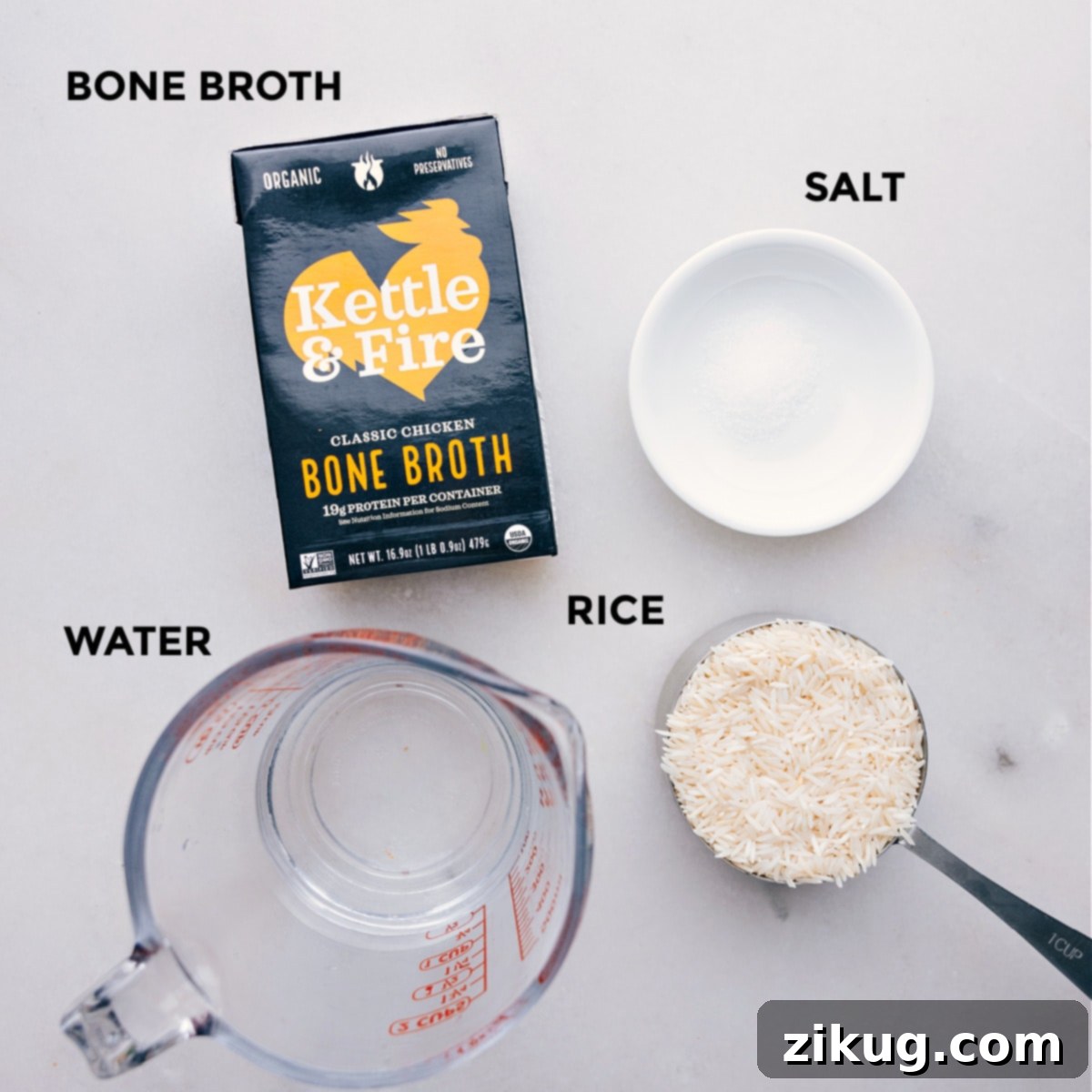
The beauty of this Bone Broth Rice recipe lies in its elegant simplicity, requiring only a handful of key ingredients. Each component is carefully chosen to contribute to the dish’s irresistible flavor and impressive nutritional benefits. Focusing on quality will elevate your final result, transforming a basic side into a memorable culinary experience. Here’s a detailed look at what you’ll need:
- Bone Broth: This is the cornerstone of our recipe, responsible for both the rich flavor and the significant health benefits. When selecting bone broth, prioritize quality. Look for brands that use organic, grass-fed, or pasture-raised animal bones, as these often yield a broth higher in nutrients and free from unwanted additives. A good bone broth will often appear gelatinous when cold, indicating a high concentration of collagen. If store-bought options are limited, consider making your own bone broth from scratch. Homemade broth allows for complete control over ingredients and often offers the most intense flavor and nutritional density. Choose a broth (chicken, beef, or a mix) that you genuinely enjoy the taste of, as its essence will permeate every grain of rice.
- Water: While bone broth provides the foundational flavor, a measured amount of water is often used alongside it to achieve the perfect balance and consistency for your rice. This helps prevent the broth flavor from becoming overly concentrated while ensuring the rice cooks thoroughly. Using filtered water, if available, is a subtle but impactful choice, as it eliminates any potential impurities or chlorine tastes from tap water that could subtly alter the delicate flavor profile of your finished dish. The ratio of broth to water can be adjusted based on the intensity of your broth and your desired final taste.
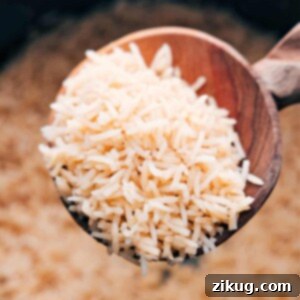
- Rice: For this particular recipe, basmati rice is my preferred choice. Basmati, an aromatic long-grain rice, is celebrated for its distinctive nutty fragrance, delicate flavor, and light, fluffy texture when cooked. Its grains remain separate and don’t clump together, which allows them to absorb the bone broth beautifully, infusing them with savory goodness. If basmati isn’t available, other long-grain varieties like jasmine rice can also work, though they might yield a slightly stickier texture and a more floral aroma. For added fiber and a heartier meal, brown rice is an option, but be aware that it will require a longer cooking time and a different liquid ratio. For basmati, it’s generally recommended *not* to rinse it before cooking with broth, as the surface starch can help create a slightly creamy texture and better bind the rich flavors.
- Salt: A small amount of salt is indispensable for seasoning and balancing the complex flavors of your Bone Broth Rice. Even if your chosen bone broth is already seasoned, a touch of additional salt will enhance the natural savory notes of the broth and ensure the rice itself isn’t bland. It acts as a flavor amplifier, bringing all the components into delicious harmony. Always taste your broth mixture before adding the rice and adjust the salt content to your personal preference, starting conservatively and adding more if needed.
Quick Culinary Insight: Distinguishing Bone Broth from Stock
Many people use the terms “bone broth” and “stock” interchangeably, but there are nuanced differences crucial for culinary and nutritional understanding. Both liquids are made by simmering animal bones, often with vegetables like carrots, celery, and onions, and herbs. However, the key distinction lies in the simmering duration and the intended purpose. Traditional stock is typically simmered for a shorter period, usually 2-6 hours, focusing on extracting flavor from the bones and vegetables to create a lighter base for soups and sauces. Bone broth, on the other hand, is slow-simmered for a much longer time—often 12-24 hours or even more. This extended cooking time is deliberate, designed to extract not just flavor but also a maximum amount of collagen, gelatin, amino acids, and minerals from the bones and marrow. Furthermore, bones for broth are frequently roasted first, which adds a deep, rich, caramelized flavor that sets it apart. The result is a more viscous, nutrient-dense liquid with a more robust flavor profile, making bone broth the superior choice for both health benefits and savory depth in dishes like Bone Broth Rice.
How to Master the Art of Bone Broth Rice: A Step-by-Step Guide for Fluffy Perfection
Achieving perfectly cooked, fluffy, and flavorful Bone Broth Rice is a straightforward process that yields consistently delicious results. The key is in understanding a few fundamental principles of rice cooking, particularly the importance of steam and undisturbed simmering. Follow these easy steps, and you’ll be serving up nourishing rice like a pro:
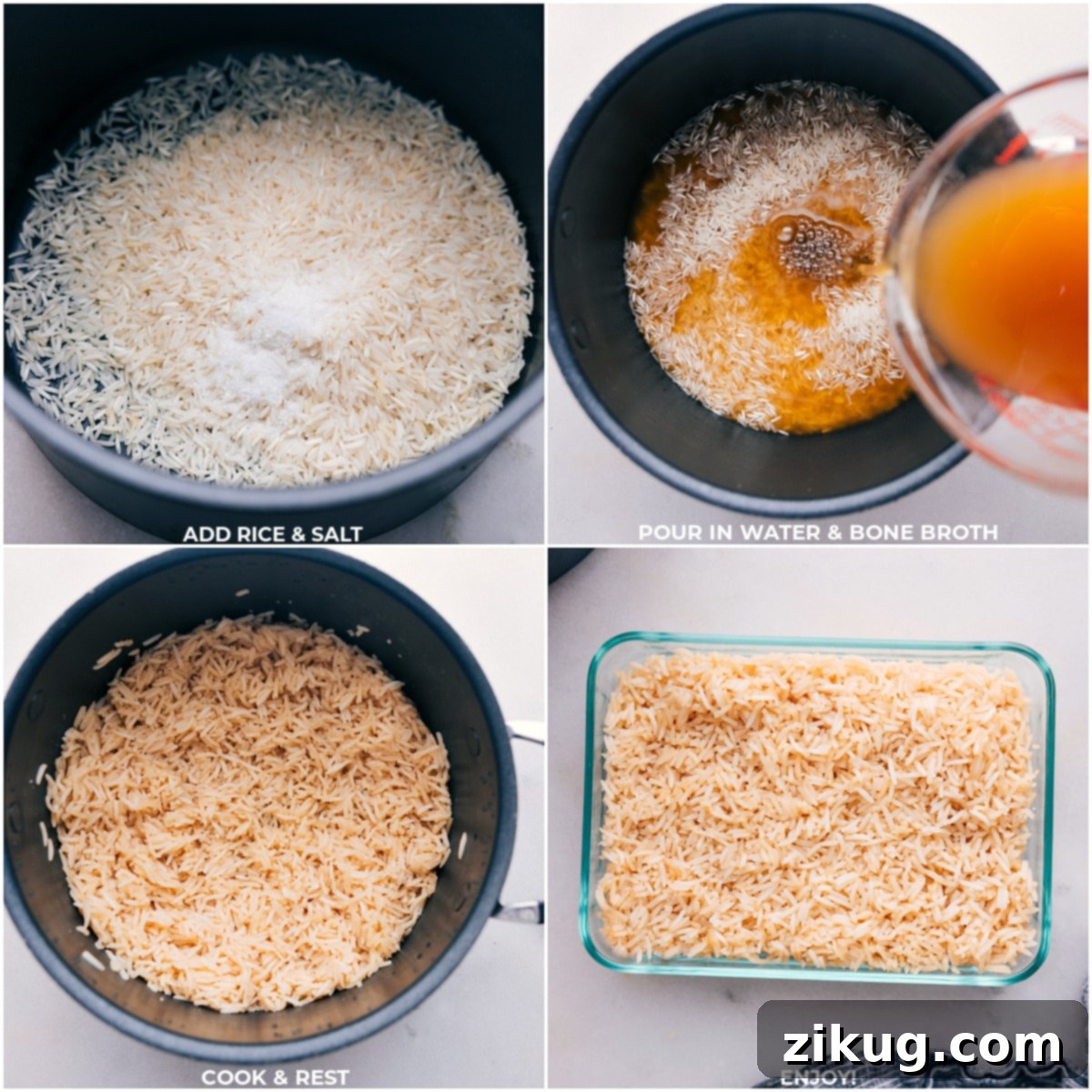
- Prepare Your Pot and Ingredients: Begin by combining your precise measurements of basmati rice, high-quality bone broth, water, and salt into a medium-sized saucepan. It is crucial to use a pot that has a tightly fitting lid; this will be vital for trapping steam later in the cooking process. Place the saucepan onto your stovetop over medium-high heat, leaving it uncovered for this initial heating phase.
- Achieve a Gentle Simmer: Maintain constant observation of your rice mixture as it heats. You are looking for the liquid to reach a distinct, gentle simmer. This stage is characterized by small, consistent bubbles forming around the edges of the pot and a slight movement or frothing on the surface in the center. This visual cue indicates that the liquid has reached the optimal temperature to begin the rice absorption process effectively.
- Cover Tightly and Reduce Heat: The moment you observe the mixture consistently simmering, immediately cover the saucepan with its tight-fitting lid. Simultaneously, reduce the stovetop heat significantly to medium-low or even low, depending on your stove’s strength. This rapid reduction in heat, coupled with the tightly sealed lid, creates a steaming environment that gently cooks the rice. For basmati rice, simmer for approximately 13–15 minutes. It is critically important during this phase to resist any temptation to lift the lid, touch, or stir the rice.
- Verify Water Absorption: Once the designated cooking time has passed (13-15 minutes), carefully and briefly tilt the pot. Look for any visible liquid remaining at the bottom of the pan. If the liquid has been fully absorbed by the rice, it indicates that the grains are cooked. Promptly and securely replace the lid after this quick check to prevent any significant loss of steam.
- Crucial Resting Period: This step is paramount for achieving light and fluffy rice and should never be skipped. Remove the pot completely from the heat source, but crucially, keep the lid securely on. Allow the rice to rest undisturbed for an additional 10 minutes. During this resting period, the residual steam and heat within the pot continue to cook the rice gently, allowing the moisture to redistribute evenly throughout each grain. This process prevents stickiness and results in perfectly separated, tender rice.
- Fluff and Serve: After the resting period is complete, carefully remove the lid. Using a fork (not a spoon), gently fluff the rice. This action separates the individual grains, releases any trapped steam, and gives the rice its characteristic light and airy texture. Your impeccably cooked, flavorful, and nutritious Bone Broth Rice is now ready to be served and thoroughly enjoyed alongside your favorite main dishes.
Expert Rice Cooking Tips for Consistently Fluffy Bone Broth Rice
Cooking perfect rice can sometimes feel like a delicate balance, but with a few tried-and-true techniques, you can ensure your Bone Broth Rice is consistently light, fluffy, and infused with savory goodness. These expert tips address common challenges and help you achieve flawless results every time:
- The Importance of a Strong Simmer: Before covering the pot, ensure your bone broth and rice mixture reaches a robust simmer. This means you should see definite, active bubbling around the edges of the pan and a noticeable frothing or movement across the surface. This high initial heat is essential for kick-starting the cooking process and ensuring even heat distribution once the lid is on. If the heat is too low at this stage, the rice may not cook through properly, leading to undercooked or inconsistent results.
- Never Peek: The Power of Trapped Steam: Once the pot is tightly covered and the heat reduced, resist the overwhelming urge to lift the lid, even for a quick glance. The steam trapped inside the pot is the primary cooking medium for your rice. Each time you lift the lid, steam escapes, which lowers the internal temperature and extends the cooking time. This disruption can result in unevenly cooked rice, leaving some grains hard and others gummy. Trust the process and your timer!
- Mastering the Resting Time: The resting period after cooking is just as crucial as the cooking itself. Once you remove the pot from the heat, leave the lid on for a minimum of 5-10 minutes (10 minutes is ideal). During this time, the rice grains continue to absorb any remaining moisture and steam, swelling and becoming perfectly tender and distinct. This prevents the rice from being sticky or overly wet and contributes significantly to its light, fluffy texture. Skipping this step often results in subpar rice.
- Selecting the Right Pot: The choice of cookware plays a vital role. Opt for a heavy-bottomed saucepan with a snug-fitting lid. A heavy bottom helps to distribute heat evenly, minimizing the risk of scorching the rice at the bottom. A lid that seals tightly ensures that steam is effectively trapped, creating the ideal cooking environment. Using a pot that is too small can lead to overflow, while one that is excessively large might cause the liquid to evaporate too rapidly, leaving the rice undercooked.
- Consider Altitude Adjustments: If you reside at a high altitude, water boils at a lower temperature, which can impact rice cooking. At higher elevations, you may need to increase the liquid by a small amount (e.g., an extra tablespoon or two) and extend the cooking time slightly. Be prepared to make these minor adjustments if your rice consistently comes out undercooked.
Smart Storage & Reheating for Bone Broth Rice
Bone Broth Rice excels as a meal prep component, providing a healthy and flavorful side dish ready for quick assembly throughout your week. Knowing how to properly store and reheat it is essential to maintaining its delicious texture and taste.
Effortless Leftovers and Strategic Meal Prepping
- Storing Cooked Bone Broth Rice: Once your Bone Broth Rice has cooled completely to room temperature, transfer it promptly into an airtight container. Refrigerate it immediately. Stored correctly, your cooked rice will remain fresh, safe, and flavorful for up to five days. This makes it an excellent candidate for preparing healthy meals in advance, reducing cooking time during busy periods.
- Optimal Reheating Methods: To bring your Bone Broth Rice back to its delicious, fluffy state, a little moisture is key. Add a small splash of water (approximately 1-2 tablespoons per cup of rice) to the container or pot you’re using for reheating. Cover it tightly—this covering is crucial for reintroducing steam and preventing the rice from drying out. You can reheat it in the microwave on medium heat, stirring occasionally to ensure even warming, or on the stovetop over low heat. Continue to warm until the rice is heated through and has regained its soft, fluffy texture, just like when it was freshly made.
Delicious Pairings: What to Serve with Your Flavorful Bone Broth Rice
The rich, savory, and subtly aromatic profile of Bone Broth Rice makes it an incredibly versatile companion for a vast array of main dishes. Its wholesome nature and deep flavor allow it to stand up to hearty meats, complement delicate seafood, and enhance vibrant vegetarian creations. Whether you’re planning a simple family dinner or a more elaborate meal, this nourishing rice can effortlessly complete your plate and elevate the entire dining experience. Here are some fantastic ideas to inspire your next culinary creation, showcasing how this protein-packed rice can truly make your meal:
Popular Dishes to Complement Your Bone Broth Rice:
Dinner
Grilled Chicken Marinade {With Video}
Side Dishes
Roasted Vegetables
Green Salads
Garden Salad
Dinner
Blackened Shrimp Recipe
Bone Broth Rice Recipe
Chelsea Lords
5 minutes
13-15 minutes
18-20 minutes
3 cups cooked rice
Equipment
-
Medium Pot with a tight-fitting lid (see note 1 below)
Ingredients
- 1 cup bone broth (choose high-quality for best results)
- 1/2 cup water (filtered water recommended)
- 1 cup basmati rice (do not rinse for this recipe)
- 1/2 teaspoon salt (or to taste)
Instructions
-
In a medium pot, add all ingredients: bone broth, water, basmati rice, and salt. Place the pot over medium-high heat without a lid.
-
Wait until the mixture starts bubbling vigorously at the edges with frothy movement in the center. Once this happens, cover the pot tightly with a lid and immediately reduce the heat to low. Simmer for 13–15 minutes without taking off the lid, touching, or stirring.
-
After the cooking time, carefully tilt the pot slightly to check if all the liquid has been absorbed. If it has, replace the lid immediately to maintain steam.
-
Remove the pot from heat and let it sit with the lid on for an additional 10 minutes. This crucial resting period ensures perfectly fluffy rice.
-
Finally, gently fluff the cooked rice with a fork and serve immediately. Enjoy your flavorful Bone Broth Rice!
Recipe Notes
Troubleshooting Common Rice Issues:
- Overflow: If your pot overflows, ensure you’re using a heavy, snug-fitting lid and that the heat is reduced to low promptly after simmering. A larger pot might also be necessary if you’re cooking a bigger batch.
- Burnt Rice: Burnt rice typically indicates the heat was too high or the cooking time was too long for your stovetop. Adjust heat to the lowest setting for simmering. Using a heavier-bottomed pan can also improve heat distribution and prevent scorching.
- Gummy Rice: Gummy rice can result from incorrect liquid-to-rice ratios, overcooking, or lifting the lid too often. Double-check your measurements, avoid very small pots that concentrate heat too much, and resist peeking during cooking.
Storage: Store cooled Bone Broth Rice in an airtight container in the refrigerator for up to five days.
Reheat: To reheat, add a splash of water, cover, and warm in the microwave or on the stove over low heat, stirring occasionally, until heated through and fluffy again.
Nutrition Information (Approximate)
Serving: 1 serving |
Calories: 236 kcal |
Carbohydrates: 49 g |
Protein: 7 g |
Fat: 0.4 g |
Saturated Fat: 0.1 g |
Polyunsaturated Fat: 0.1 g |
Monounsaturated Fat: 0.1 g |
Sodium: 422 mg |
Potassium: 71 mg |
Fiber: 1 g |
Sugar: 0.1 g |
Calcium: 19 mg |
Iron: 0.5 mg
Nutrition information is automatically calculated and should only be used as an approximation. Actual values may vary based on ingredients and preparation methods.
Enjoyed this recipe? Share your thoughts and leave a comment below!