
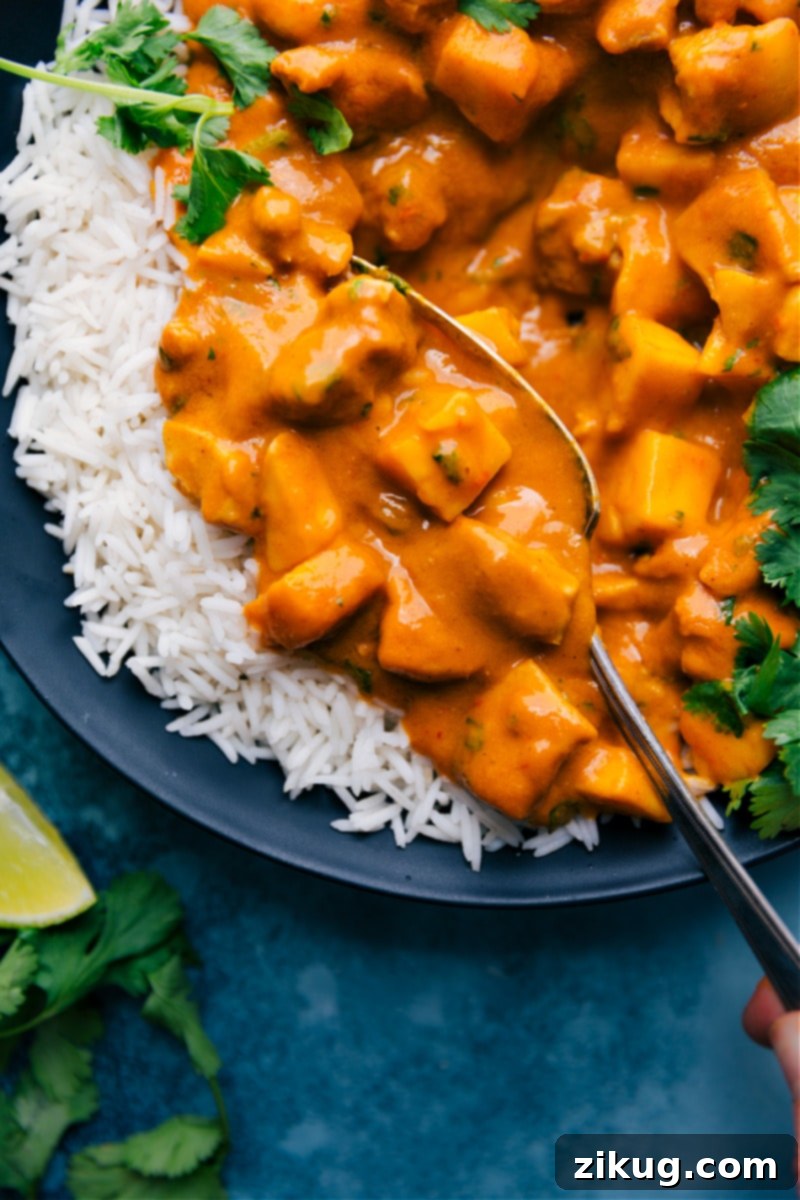
Experience a culinary delight with this vibrant **Mango Chicken Curry**. Bursting with rich, sweet, and subtly spicy flavors, this dish offers a unique twist on a classic curry. The secret to its irresistible taste lies in two key elements: blending fresh, ripe mango into the creamy coconut curry sauce, and then adding generous chunks of mango to the finished dish, ensuring a delightful sweetness in every bite. This recipe promises a harmonious blend of tropical fruit and savory curry that’s perfect for a flavorful weeknight meal or a special occasion.
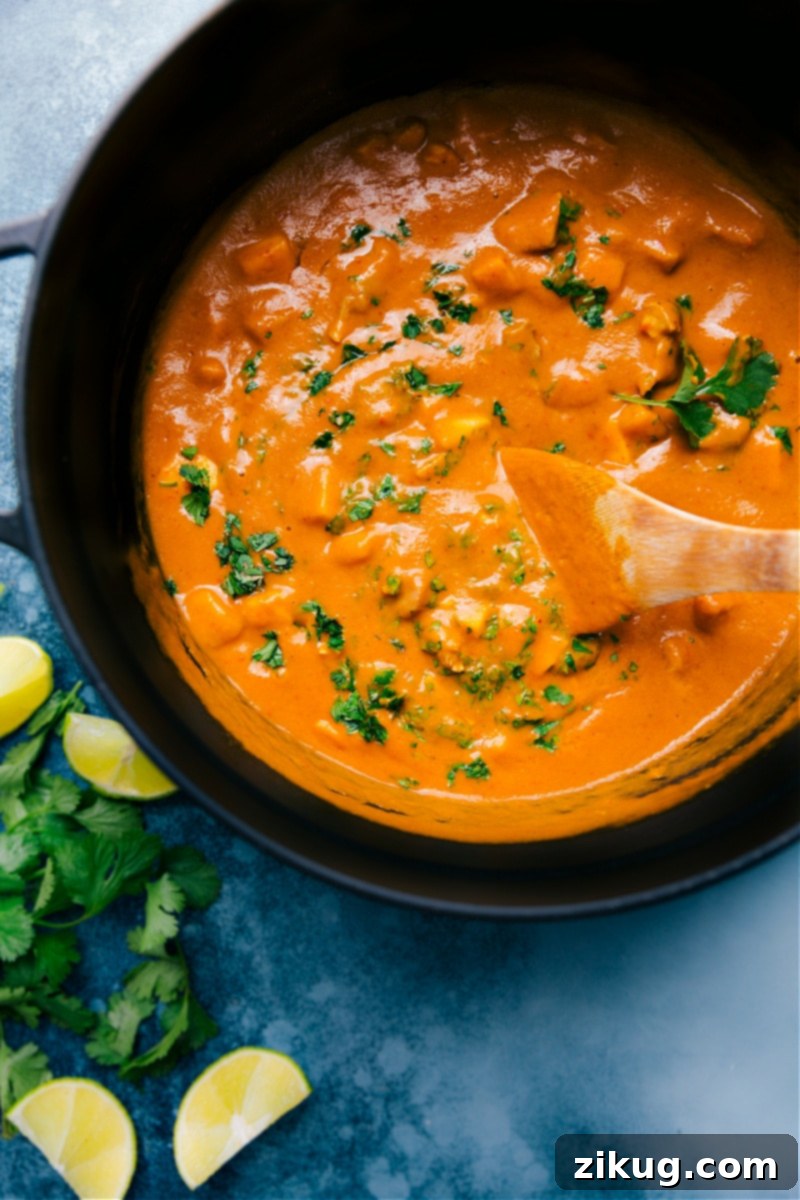

A Note from the Author
One Bite, and You’ll Be Absolutely Hooked!
There’s an undeniable magic to mangoes, and I find myself constantly seeking new ways to incorporate this magnificent fruit into my cooking. It’s truly my favorite fruit, equally delicious in both sweet and savory applications. Given that chicken curry is a beloved staple in my household, it was only a matter of time before mango found its way into this cherished dish.
My journey to perfecting this Mango Chicken Curry began with my go-to Coconut Chicken Curry recipe. From there, I drew significant inspiration from the culinary wisdom of Elise at Simply Recipes. After a series of delightful experiments and a bit of trial and error, I couldn’t be more thrilled with the outcome. This recipe marries the creamy richness of coconut curry with the vibrant sweetness of mango in a way that truly elevates the dish. I’m incredibly excited to finally share this labor of love with you, and I hope it becomes a new favorite in your kitchen!
Demystifying Mangoes for Your Curry
Mangoes are the star of this dish, bringing a unique sweetness and depth of flavor. Understanding the different types and how to select them can significantly impact your curry’s taste.
- Choosing the Right Mango: For this Mango Chicken Curry, I highly recommend **honey mangoes** (also known as Ataulfo or yellow mangoes). Their exceptionally sweet and creamy texture makes them ideal for blending into the sauce and providing tender chunks in the final dish. However, if honey mangoes aren’t available, regular red/green mango varieties will also work wonderfully.
- Checking for Ripeness: To determine if a mango is ripe, gently squeeze it. A perfectly ripe mango will yield slightly to pressure, similar to a ripe avocado or peach. Mangoes continue to ripen at room temperature, so once they reach your desired level of softness, transfer them to the refrigerator to slow down further ripening and extend their freshness.
- Controlling Curry Sweetness: The ripeness of your mangoes directly influences the sweetness of your curry sauce. For a richer, sweeter curry, opt for peak-ripe mangoes. If you prefer a curry with a more pronounced spicy kick and less sweetness, you can use slightly firmer mangoes, which will offer a more subtle mango flavor.
- Utilizing Frozen Mangoes: Don’t have fresh mangoes on hand? No problem! I’ve successfully tested this recipe with **frozen mangoes**, and they perform admirably. Frozen mangoes are typically picked at their prime ripeness (though often slightly less “peak-ripe” than fresh, to prevent mushiness upon thawing), and they infuse the curry with fantastic flavor when fresh options are out of season or unavailable. They are a convenient and reliable substitute.
If you’re new to cutting mangoes, it can seem a bit daunting. Here’s a quick visual guide on how to efficiently and safely cut a mango, ensuring you get the most out of your fruit.
Quick Tip: Maximize Your Mangoes!
If you’re anything like me, you love stocking up on mangoes! I often buy a flat of 6-8 mangoes from stores like Costco to enjoy throughout the week. This curry is a fantastic way to use a few, but don’t stop there! Explore other delicious ways to incorporate this versatile fruit into your meals. Consider using the remaining mangoes in a refreshing Mango Salad, a cool and creamy Mango Sorbet, a revitalizing Mango Smoothie, a savory Mango Chicken dish, or a zesty Mango Salsa. The possibilities are endless!
Expert Tips for a Perfect Mango Chicken Curry
Crafting the perfect Mango Chicken Curry involves a few key techniques and ingredient choices. Follow these tips to ensure your curry is nothing short of sensational.
- Selecting Coconut Milk: Always reach for **canned coconut milk** (found in the international aisle) rather than refrigerated varieties, which are often sweetened or thinned for beverages. For the richest flavor and ideal creamy consistency, **full-fat coconut milk** is essential. I personally use Imperial Kitchen®, but many reputable brands offer excellent full-fat options. Avoid “lite” coconut milk, as it will result in a thin, watery sauce. “Cream of coconut” is too sweet and meant for desserts, while “coconut cream” is too thick and intense for this recipe. A good quality, full-fat canned coconut milk provides the foundational richness for your curry.
- Blooming Your Spices: To unlock the full aromatic potential of your curry, always **cook the spices first** with the aromatics (like onion, garlic, and ginger). This process, often called “blooming” the spices, gently toasts them in the hot oil, intensifying their flavors and aromas significantly before the liquid ingredients are added. This step is crucial for building a complex and deeply flavorful curry base.
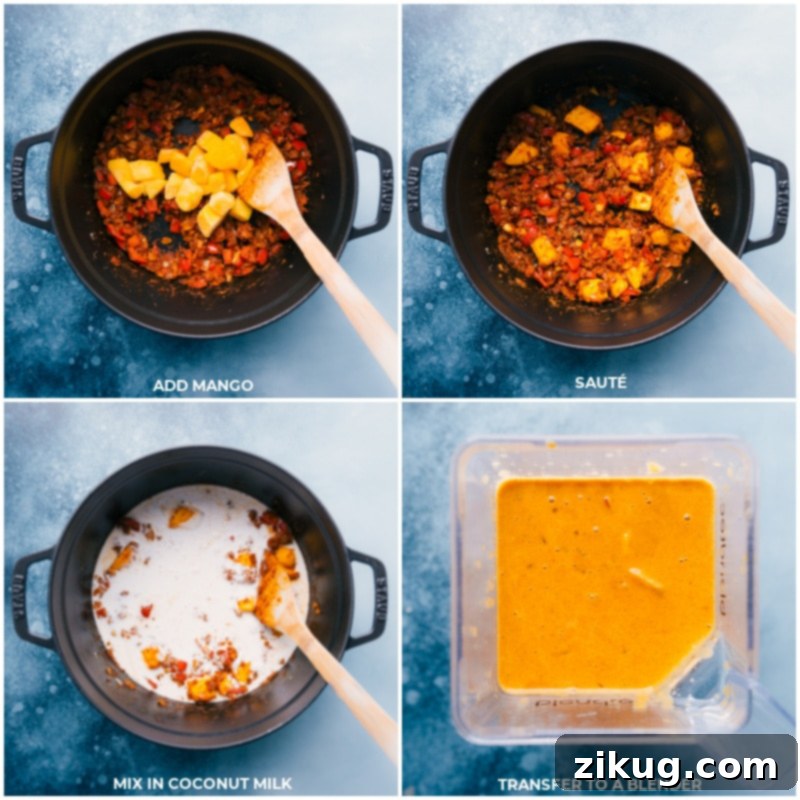
- Blending Hot Liquids Safely: When blending the hot curry sauce, safety is paramount. Always **secure the blender lid tightly** and, if available, use your blender’s “soup” or “hot liquids” setting, which is designed to handle pressure buildup. Hot liquids expand and create steam, so start blending at a low speed and gradually increase it. Be extremely cautious when removing the lid, as it will likely release a burst of steam. If your blender lacks a dedicated hot setting, you can place a **folded kitchen towel** over the lid and hold it firmly in place with your hands, allowing steam to escape while preventing splatters.
- Choosing Red Curry Paste: The red curry paste you choose will define the spice level and overall character of your curry. **Maesri®** is renowned for its authentic, robust, and spicy flavor profile, making it a favorite for those who enjoy a significant kick. For a milder curry, especially if you’re serving children or prefer less heat, **Thai Kitchen®** red curry paste is an excellent choice, offering a balanced flavor with considerably less heat. Adjust the amount based on your preferred spice level, remembering you can always add more at the end if desired.
Featured Comment
“I made this for Valentines dinner and wow it is amazing. Just the right amount of flavour and nice thick sauce. Restaurant quality for sure, if not better.”
– Lezanne
Elevate Your Meal: Serving Suggestions
While the Mango Chicken Curry is delicious on its own, **don’t underestimate the power of thoughtful toppings!** These final touches are what truly bring all the flavors and textures together, transforming a great dish into an unforgettable meal.
- Fresh Herbs: A generous sprinkle of fresh, finely chopped **cilantro** adds a bright, zesty burst of freshness that beautifully complements the rich curry. If you can find it, fragrant **Thai basil** is another superb herb choice, lending a subtle anise-like note.
- A Touch of Acidity: A squeeze of fresh **lime juice** is absolutely crucial. It cuts through the richness and sweetness of the curry, balancing the flavors and adding a much-needed zing. Don’t skip this step!
- Exotic Citrus Notes with Kaffir Lime Leaves: For an authentic and incredibly aromatic citrusy flavor, add a few **kaffir lime leaves**. These fragrant leaves are a staple in Thai cuisine but can be tricky to find in conventional grocery stores. I recommend purchasing them in bulk and freezing them; they freeze beautifully and retain their potent aroma. If kaffir lime leaves are unavailable, a bit of additional **lime zest** can provide a good substitute, boosting the citrus notes.
- Creamy Coolness: A dollop of plain **coconut yogurt** (or even plain Greek yogurt for a dairy option) on top adds a lovely cooling element, a creamy texture, and a subtle tang that enhances the curry’s depth.
- The Perfect Accompaniment: Traditionally, Thai-inspired curries are served with **Roti bread**. However, Roti can be hard to source. For a readily available and equally delicious alternative, we absolutely love serving this curry with warm, toasted **naan** or **pita bread** on the side. The soft bread is perfect for soaking up every last drop of the luscious sauce. Stonefire® naan is a particular favorite in our household.
- Crunchy Texture: For an added layer of texture and a nutty flavor, sprinkle some **dry-roasted and lightly salted cashews** over your curry just before serving. They provide a delightful contrast to the creamy sauce.
Storage Solutions
Mango Chicken Curry Leftovers? Yes, Please!
One of the many reasons to love curry recipes is how incredibly well they store! In fact, leftover curries often taste even better the next day as the flavors have more time to meld and deepen. To store any leftover Mango Chicken Curry, transfer it to an airtight container and refrigerate for 3-5 days. When reheating, use low heat on the stovetop, and if the sauce has thickened too much, add a splash of chicken stock/broth or coconut milk to achieve your desired consistency.
For longer storage, this curry freezes beautifully. Place cooled leftovers in a freezer-safe, airtight container and freeze for up to 3 months. To enjoy, defrost completely in the refrigerator overnight before reheating gently on the stovetop. It’s a fantastic meal prep option!
More Delicious Curry Recipes to Explore:
Dinner
Grilled Curry Chicken
Dinner
Lentil Curry Recipe
Dinner
Sweet Potato Curry
Soups And Stews
Chicken Curry Soup
Mango Chicken Curry
Chelsea Lords
30
30
1
4 servings
Equipment
-
Large pot
-
Blender
Ingredients
- 2 tablespoons coconut oil
- 1 large yellow onion chopped, about 1-1/2 cups
- 1 red bell pepper chopped
- 2 tablespoons minced fresh ginger coarsely chopped
- 2 tablespoons garlic coarsely chopped
- 3 tablespoons red curry paste see note 1
- 2 teaspoons ground coriander
- 2 teaspoons yellow curry powder
- 1/2 teaspoon ground cumin
- 2 cups ripe mango peeled and diced, see note 2
- 1 (13.5-ounce) can coconut milk full-fat, well-shaken, see note 3
- 1-1/4 pounds boneless, skinless chicken thighs or breasts, cut into 1-inch pieces; thighs are recommended for tenderness
- Optional additions fresh lime juice and zest, fresh cilantro, 1 tbsp fish sauce, 2–3 kaffir lime leaves, and fine sea salt, see note 4
- Cooked rice for serving, see note 5
Instructions
-
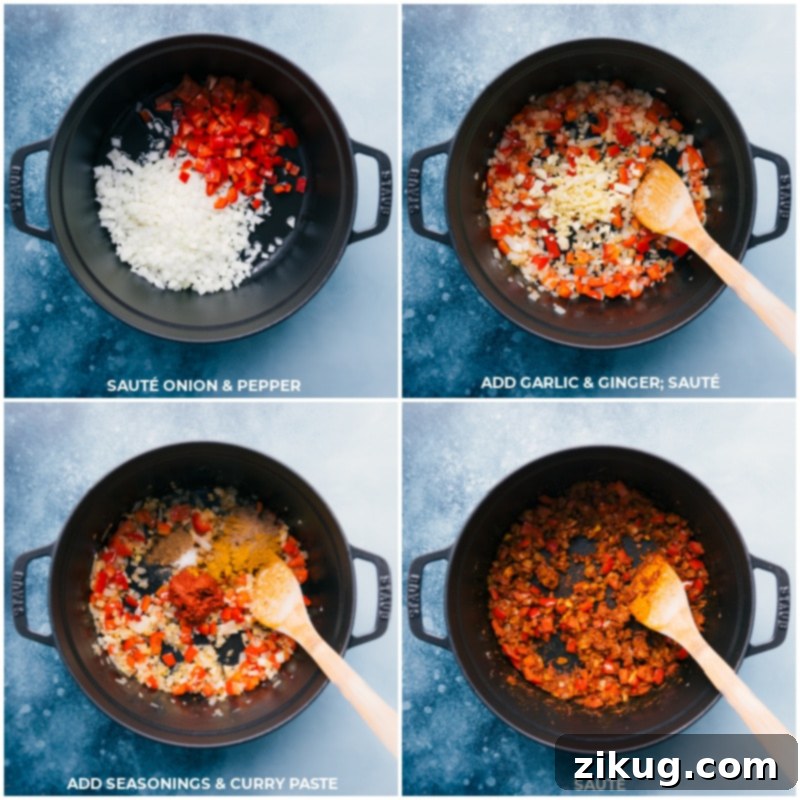
Heat coconut oil in a large pot over medium heat. Once melted, add the chopped onions and bell pepper. Sauté, stirring occasionally, until they soften, which should take about 7–9 minutes. Stir in the garlic and ginger and cook for another minute. Add the red curry paste, coriander, curry powder, cumin, and salt to taste (I typically add 1 teaspoon of salt at this stage). Cook, stirring constantly, until the spices are very fragrant, about 1–3 minutes. Reduce the heat slightly and add a touch more oil if any ingredients begin to stick to the pot.
-
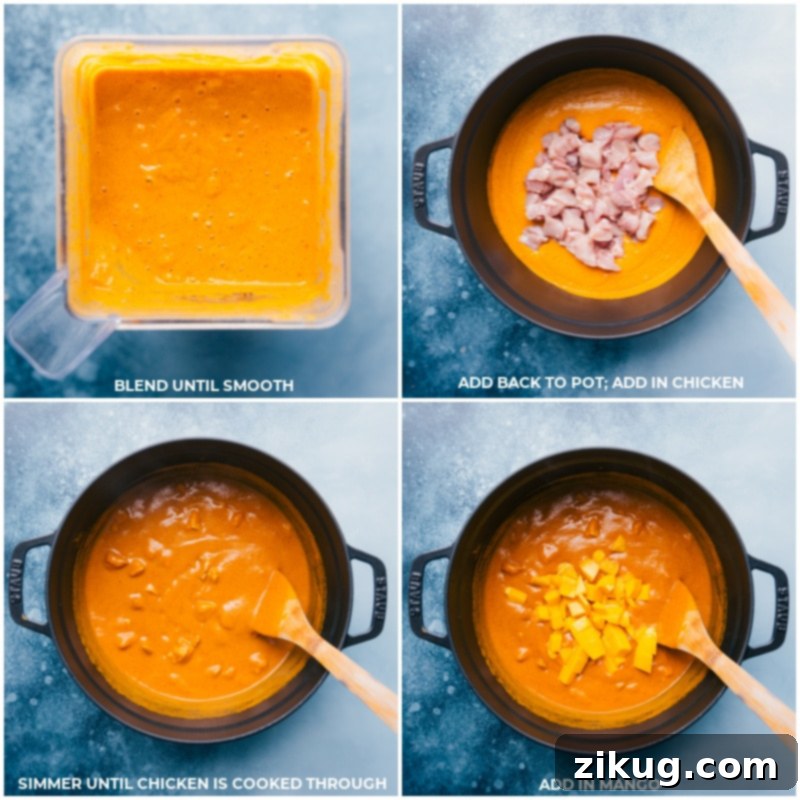
Add 1 cup of the diced mango and cook, stirring constantly, for 1 minute. Vigorously shake the can of coconut milk and pour it into the pot. Increase the heat to high, bring the mixture to a boil, then reduce the heat to a low simmer. Allow it to simmer for 10–15 minutes. While the sauce simmers, cut the chicken into 1-inch cubes. Once the sauce has simmered, carefully transfer it to a blender. Blend the sauce until it is completely smooth (see note 6 for blending hot liquids), then return the velvety smooth sauce to the pot.
-
Heat the sauce over medium-low heat, bringing it back to a gentle simmer. Once simmering, add the cubed chicken and stir to coat. Cover the pot with a lid and cook for 8–15 minutes. (Chicken breast pieces usually cook faster, around 8 minutes, while thighs may take closer to 15 minutes, or a bit longer depending on their size.) Check for doneness by using a meat thermometer (internal temperature should be 165°F / 74°C) or by cutting into the largest piece of chicken to ensure it is white throughout and no longer pink.
-
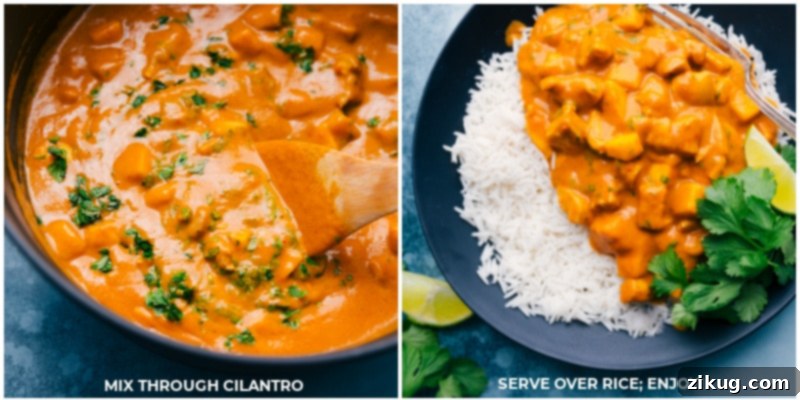
Once the chicken is fully cooked, reduce the heat to the lowest setting. Stir in the remaining 1 cup of fresh mango. If using, incorporate chopped cilantro (I typically add about 1/3 cup, finely chopped), the zest and juice of a lime, a dash of fish sauce, and/or kaffir lime leaves. Taste the curry and adjust seasonings to your preference. Add more salt if needed. If the curry is too sweet, a touch more fish sauce can balance it; if it’s not sweet enough, a pinch of sugar can enhance the flavors. The goal is for all the flavors to harmonize beautifully! Serve the rich and flavorful curry over cooked rice and garnish plates with additional fresh cilantro or other desired toppings. Enjoy this truly delicious meal!
Recipe Notes
Note 2 – Mango Selection: For this recipe, honey mangoes (Ataulfo or yellow mangoes) are highly recommended due to their superior sweetness and creamy texture, which blend beautifully into the sauce. However, common red/green varieties work well too. To check ripeness, gently squeeze the mango; it should give slightly. For a sweeter curry, ensure your mangoes are fully ripe. Frozen mangoes are a convenient and tasty alternative when fresh ones are out of season; just chop them into smaller, bite-sized pieces for the second addition, as frozen chunks can sometimes be large.
Note 3 – Coconut Milk Details: Always opt for shelf-stable, full-fat canned coconut milk (not refrigerated varieties) for the best flavor and sauce thickness. You can find guidance on selecting quality brands in this helpful article. I prefer Imperial Kitchen® because of its consistent quality and availability. Avoid “lite” coconut milk as it results in a thin curry. “Cream of coconut” is overly sweet for a savory dish, and “coconut cream” is too dense and can overpower the delicate mango flavor.
Note 4 – Optional Additions for Enhanced Flavor: These optional additions can significantly elevate your curry: fresh lime juice and zest for brightness, fresh cilantro for herbaceous notes, 1 tablespoon of fish sauce for umami depth, 2–3 kaffir lime leaves for an intense citrus aroma, and fine sea salt to taste.
Note 5 – Perfect Basmati Rice: For a fluffy and foolproof basmati rice accompaniment:
- Measure your desired amount of rice and rinse it thoroughly in a fine-mesh sieve under cold water until the water runs clear. This removes excess starch.
- Place the rinsed rice in a bowl and cover it with fresh water. Allow it to soak for about 5–10 minutes.
- While the rice soaks, fill a large pot with water and bring it to a rolling boil over high heat.
- Once the water is vigorously boiling, drain the soaked rice and add it to the pot.
- Cook the rice without reducing the heat for 5–6 minutes. Taste a grain to ensure it’s tender to your preference.
- Drain the cooked rice thoroughly and return it to the pot (off the heat). Fluff it gently with a fork.
- Important: These specific cooking instructions are tailored for basmati rice and may not yield optimal results for other rice varieties like long grain, short grain, or jasmine rice.
Note 6 – Safe Blending of Hot Liquids: When blending the hot curry sauce, always secure the blender lid tightly. If your blender has a “soup” or “hot” cycle, use it. Hot liquids expand and create steam, so start blending on the lowest speed and gradually increase. Be extremely cautious when opening the lid, as pressurized steam will be released. If your blender does not have a hot liquids setting, you can place a tightly folded kitchen towel over the lid while blending and hold it firmly in place with your hands. This technique helps to vent steam safely and prevents the lid from being forced off.
Nutrition Note: The provided nutrition information is an estimate and does not include cooked rice, which should be factored in separately for total dietary intake.
Storage: Store any leftover curry in an airtight container in the refrigerator for 3–5 days. It can also be frozen in an airtight container for up to 3 months. For best results, defrost completely in the refrigerator before gently reheating on the stovetop.
Nutrition
Calories: 178kcal |
Carbohydrates: 18g |
Protein: 7g |
Fat: 10g |
Saturated Fat: 7g |
Polyunsaturated Fat: 1g |
Monounsaturated Fat: 1g |
Trans Fat: 1g |
Cholesterol: 27mg |
Sodium: 29mg |
Potassium: 316mg |
Fiber: 3g |
Sugar: 14g |
Vitamin A: 3607IU |
Vitamin C: 71mg |
Calcium: 38mg |
Iron: 1mg
Nutrition information is automatically calculated, so should only be used as an approximation.
Like this recipe? Leave a comment below!