
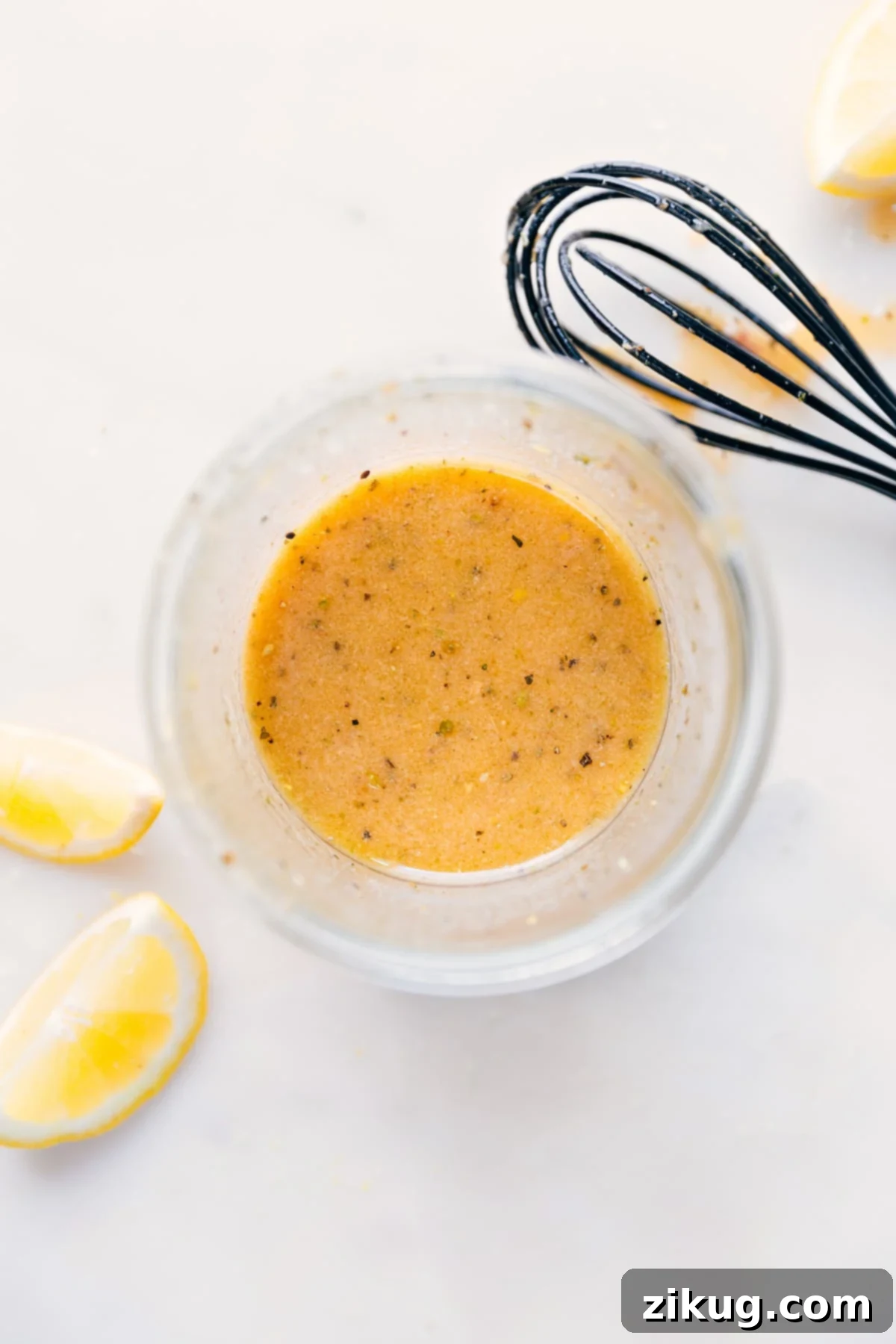
Lemon Vinaigrette isn’t just a dressing; it’s a kitchen essential, a burst of fresh flavor that elevates any meal. Perfectly balanced with tangy zest, a hint of sweetness, and robust savory notes, this homemade vinaigrette is incredibly easy to prepare and truly transformational. Forget store-bought options – once you taste this vibrant lemon dressing, it will become your undisputed go-to for everything from crisp salads to roasted vegetables.
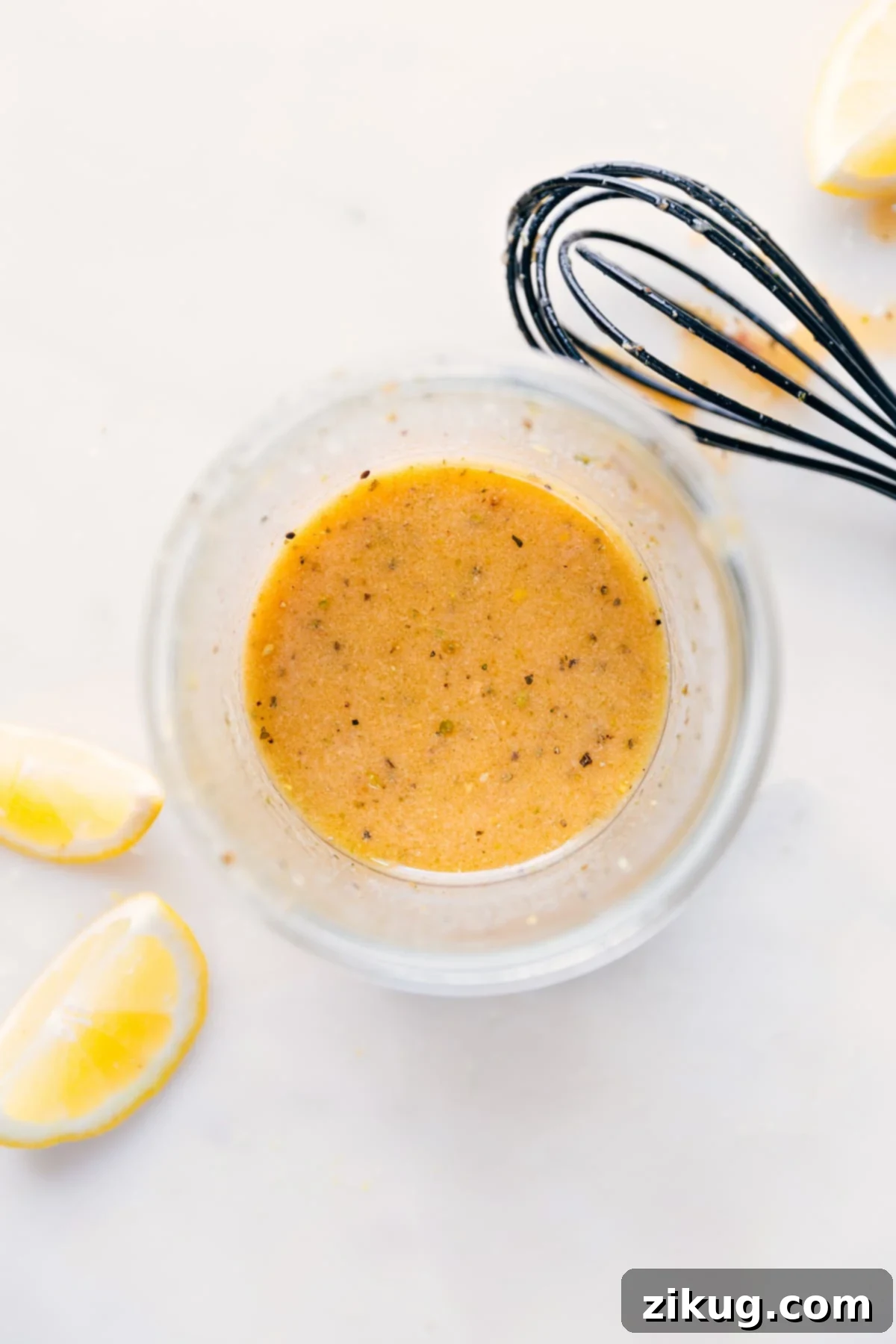
The Ultimate Homemade Lemon Vinaigrette
In my kitchen, lemons are practically indispensable. Their bright, versatile flavor makes them a culinary superstar, a must-have ingredient that I always keep stocked in my fridge. From infusing savory dishes like a zesty grilled chicken marinade to adding a refreshing tang to sweet delights such as a rich lemon pie, their presence is constantly felt across my recipes. The sheer breadth of their application is remarkable, making them truly invaluable.
Given my deep appreciation for lemons, it’s only natural that a stellar lemon-based dressing would hold a special place in my heart. This isn’t just any ordinary salad dressing; it’s a recipe I’ve meticulously refined and perfected over countless iterations and years of experimentation. I can confidently say, without a shadow of a doubt, that this is the absolute best lemon dressing I have ever tasted. Its unparalleled freshness, deceptive simplicity, and explosive flavor profile make it an absolute triumph.
This vinaigrette goes far beyond just salads. Its lively, tart, and subtly sweet character, combined with a robust depth of flavor, makes it incredibly versatile. It’s the ideal accompaniment for any green salad, a fantastic drizzle over steamed or roasted vegetables, and even a brilliant marinade for poultry or fish. This dressing is not merely good; it’s utterly perfect, destined to become a staple in your culinary repertoire and a testament to the power of fresh ingredients.
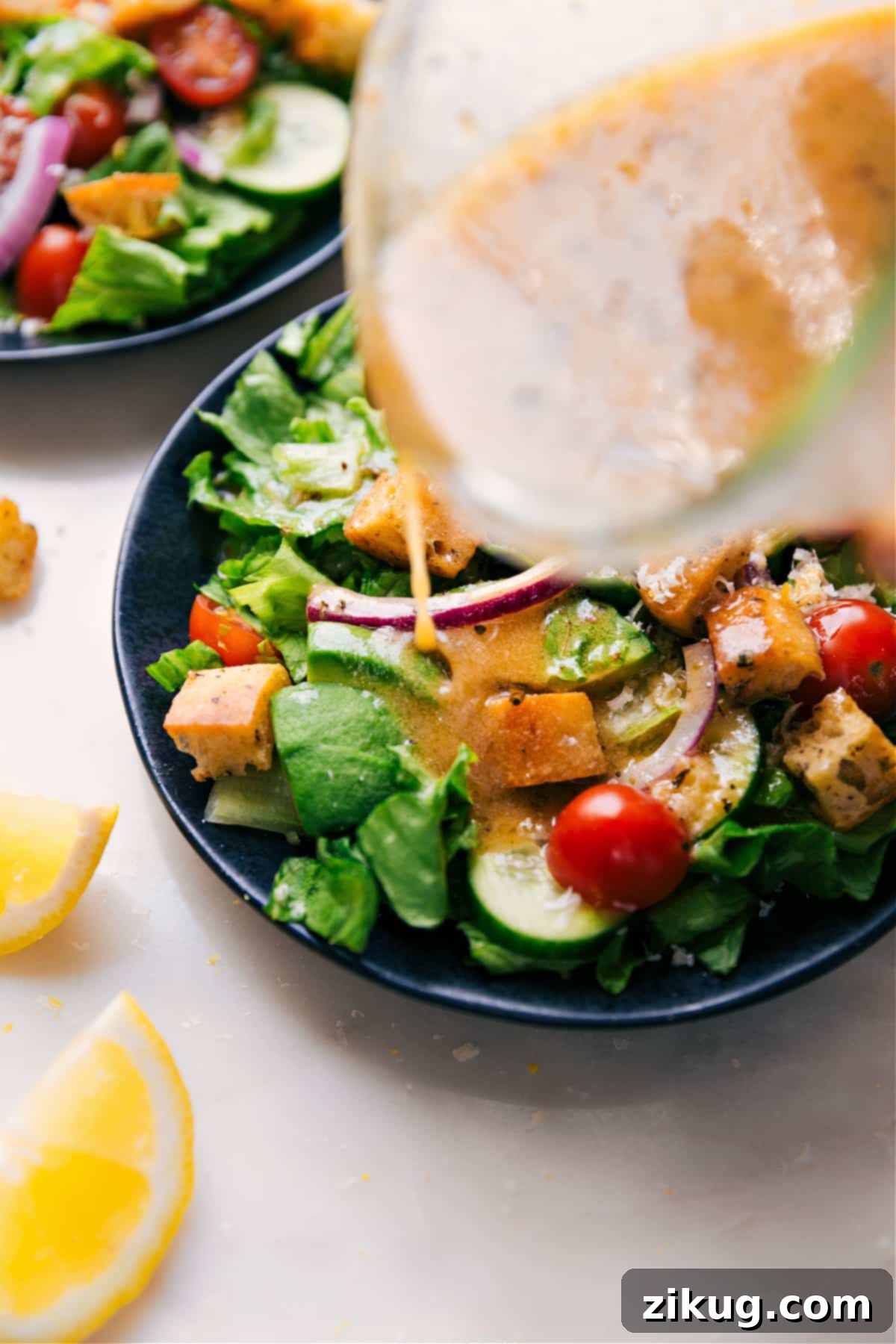
Key Ingredients for the Perfect Lemon Vinaigrette
Crafting this phenomenal lemon vinaigrette requires just a handful of simple, high-quality ingredients. Each component plays a crucial role in achieving that coveted balance of tangy, sweet, and savory flavors, along with the ideal texture. Here’s what you’ll need to create this bright and lively dressing:
- Dijon Mustard: This is not just for flavor; Dijon mustard acts as a natural emulsifier, helping the oil and vinegar combine into a smooth, cohesive dressing rather than separating. Its subtle piquant notes add a sophisticated depth. Be sure to use genuine Dijon mustard, as classic yellow mustard has a very different flavor profile and will not yield the same delicious results.
- Olive Oil: The foundation of any good vinaigrette, extra virgin olive oil provides a rich, fruity base and a silky texture. Its robust flavor is essential, so choose a good quality oil. The richness of the olive oil beautifully mellows the tang of the lemon and vinegar, creating a harmonious blend.
- Honey: A touch of natural sweetness is key to balancing the tartness of the lemon and vinegar. Honey offers a complex, floral sweetness that is far superior to refined sugar. You can easily adjust the amount of honey to suit your preference, making the dressing more tart or sweeter as desired. Maple syrup can also be used as a vegan alternative.
- Lemons: The star of the show! For the brightest, most vibrant flavor, fresh lemon juice and zest are absolutely non-negotiable. Bottled lemon juice often contains preservatives and lacks the nuanced aroma and intense tartness of fresh lemons. The zest contains essential oils that impart a powerful lemon fragrance and flavor, adding another layer of complexity that juice alone cannot provide.
- Red Wine Vinegar: While lemon provides the primary tang, a splash of red wine vinegar adds an extra layer of sharp acidity and a subtle fruity depth that complements the lemon wonderfully. It helps to round out the overall flavor profile, preventing the dressing from being one-dimensional. Apple cider vinegar is a suitable alternative if you prefer a different tang.
- Herbs: A pinch of dried Italian seasoning is my secret weapon for adding a well-rounded, aromatic flavor that brings all the ingredients together. This blend typically includes oregano, basil, thyme, and rosemary, providing a Mediterranean essence. Feel free to experiment with other dried herbs like oregano or basil individually, or even fresh herbs like finely chopped parsley or chives for an even fresher taste.
- Salt and Pepper: These humble seasonings are absolutely critical. They don’t just add flavor; they enhance and awaken all the other ingredients. A proper pinch of fine sea salt can dramatically brighten the entire dressing, while freshly ground black pepper adds a subtle warmth and spice. Always season to taste, adjusting until the flavors sing.
Quick Tip
Effortless Preparation: How To Make Lemon Vinaigrette
Preparing this zesty dressing is incredibly straightforward and takes mere minutes. You don’t need any fancy equipment – just a jar with a tight-fitting lid or a small bowl and a whisk will do the trick.
- Shake it Up: For the quickest and easiest method, simply add all the listed ingredients into a clean mason jar or any container with a secure lid. Screw the lid on tightly and shake vigorously for 30-60 seconds until all the ingredients are thoroughly combined and the mixture appears smooth and emulsified. The mustard will help prevent separation.
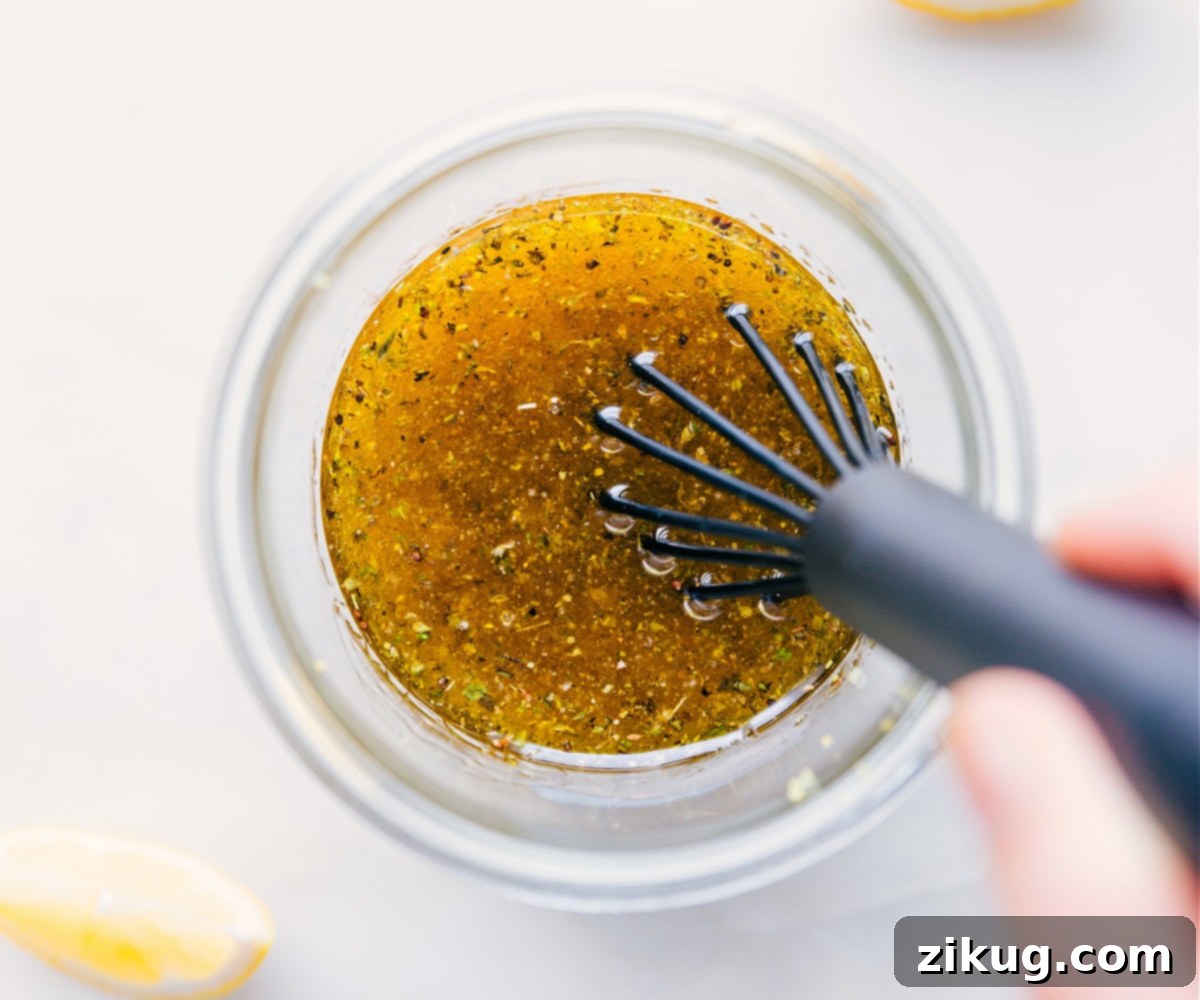
- Whisk Away: If you don’t have a jar, pour all the ingredients into a small mixing bowl. Using a whisk, energetically beat the mixture until it comes together in a smooth, unified consistency. This method works just as effectively in emulsifying the oil and vinegar, ensuring a perfectly blended dressing.
- Taste and Adjust: After combining, always taste your vinaigrette. This is your chance to personalize it! If you prefer it tangier, add a bit more lemon juice or vinegar. If it’s too tart, a little more honey will balance it out. A final sprinkle of salt or pepper can also make a significant difference in brightening the flavors.
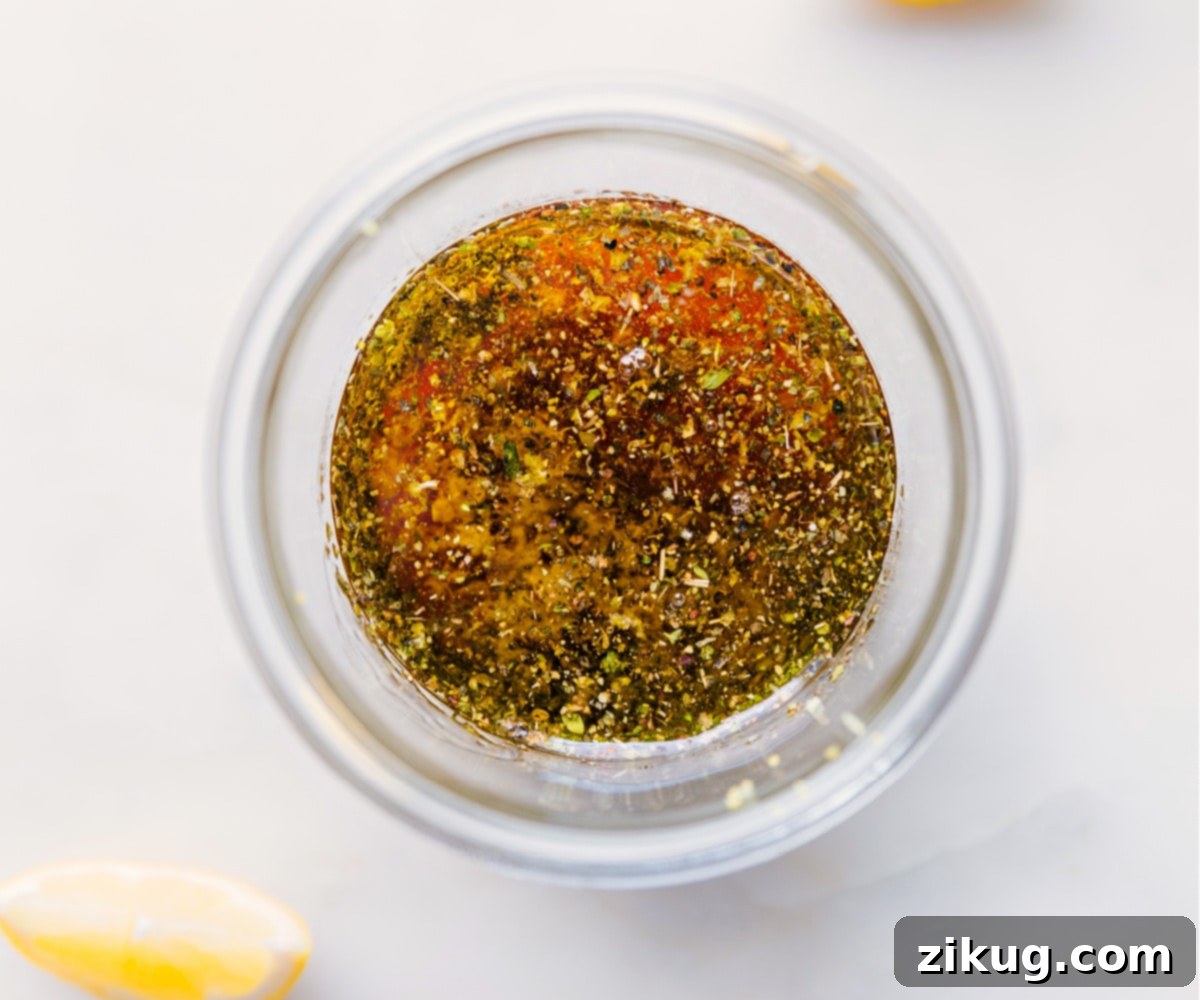
Versatile Culinary Applications for Lemon Vinaigrette
Once you’ve experienced the bright, invigorating flavor of this homemade lemon vinaigrette, you’ll want to have a batch ready in your fridge at all times. Its incredible versatility means it can enhance a wide array of dishes beyond just salads. Here are just a few of my favorite ways to incorporate this vibrant dressing into everyday meals:
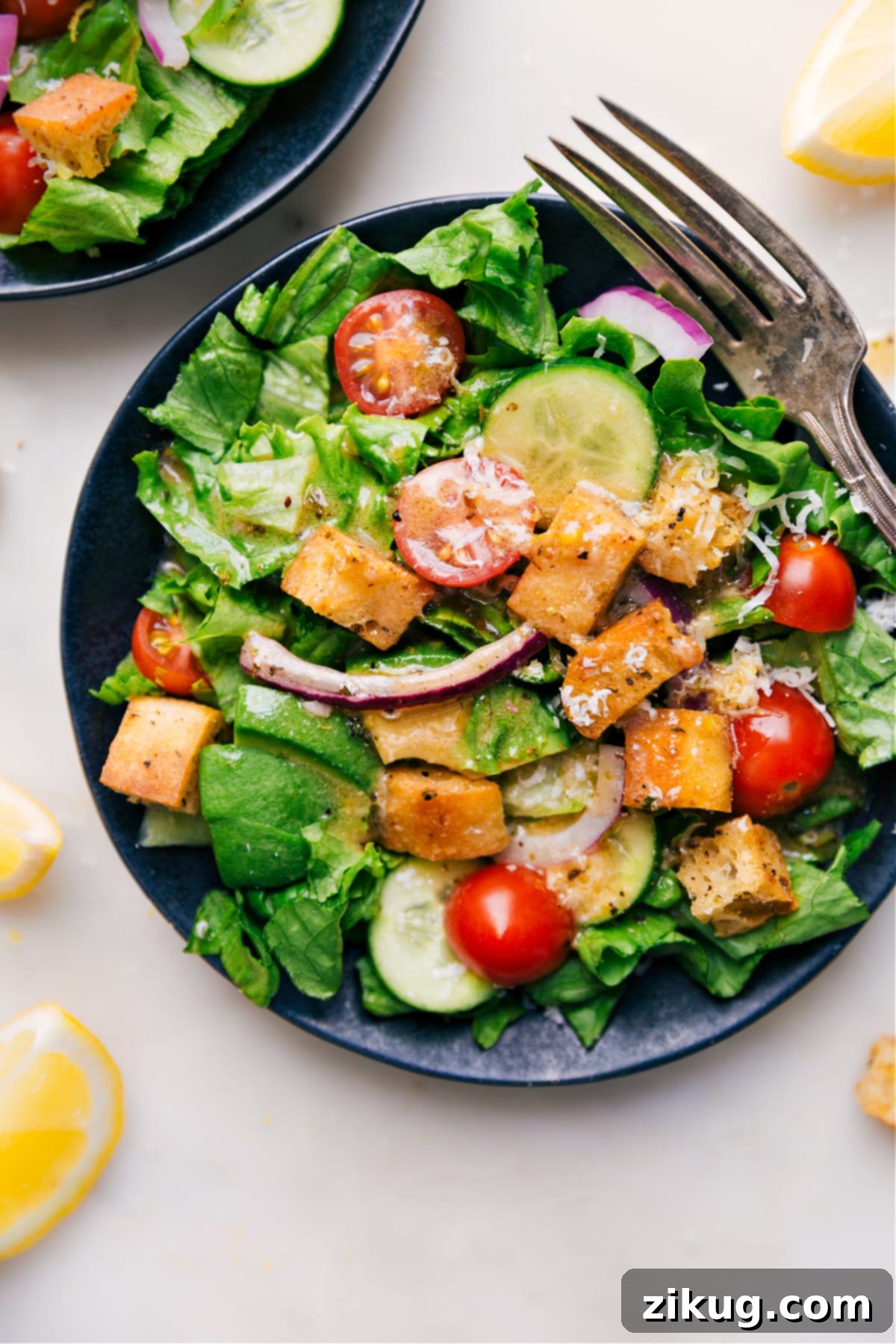
- Elevate Your Salads: This dressing is a dream come true for any salad. Its lively notes perfectly complement a simple garden salad with crisp greens, tomatoes, and cucumbers. It also adds a refreshing lift to more substantial options like a hearty quinoa salad or an earthy lentil salad, providing a much-needed zing.
- Delightful Veggie Dip: Transform your raw vegetable platter into an exciting snack. Serve this lemon vinaigrette alongside crunchy carrots, fresh broccoli florets, crisp celery sticks, bell peppers, or cucumber slices for a healthy and flavorful dip. It’s a fantastic alternative to heavier, cream-based dips.
- Brighten Roasted Vegetables: After roasting your favorite vegetables to perfection, a drizzle of this vinaigrette adds a final layer of brightness and acidity. It’s particularly excellent over caramelized Brussels sprouts, tender roasted broccoli, or crisp oven-roasted asparagus, enhancing their natural flavors.
- Lighten Up Pasta Salads: For a lighter, fresher take on classic pasta salads, swap out heavy, mayo-based dressings for this lemon vinaigrette. It infuses pasta, fresh herbs, and vegetables with a clean, tangy flavor that’s perfect for picnics or potlucks.
- Enhance Sandwiches and Wraps: Don’t just settle for plain greens in your sandwiches or wraps. Toss your lettuce, spinach, or arugula with a small amount of this lemon dressing before adding them to your sandwich. It adds a gourmet touch and a burst of flavor that will make your lunchtime truly special.
- Flavorful Grain Bowls: Transform your everyday grain bowls into a culinary masterpiece. Drizzle this vinaigrette generously over a base of quinoa, rice, farro, or couscous, combined with roasted vegetables, lean protein, and fresh herbs. It acts as the perfect binding agent, infusing every bite with zesty goodness.
- Simple Marinade for Protein: Use it as a quick and effective marinade for chicken, fish, or tofu. The acidity of the lemon helps to tenderize the protein while imparting a fantastic flavor that’s both bright and savory. Marinate for 30 minutes to an hour before cooking.
Expert Recipe Tips for the Best Lemon Vinaigrette
Achieving vinaigrette perfection is simple, especially with a few handy tips to guide you. Whether you’re making it for the first time or looking to refine your technique, these insights will ensure your lemon dressing is always a success:
- Adjust the Batch Size with Ease: This recipe is designed to yield approximately 1 cup of dressing, which is generally enough for 2–3 generous salads, or multiple uses throughout the week. If you’re new to making homemade dressings or are unsure how quickly you’ll consume it, don’t hesitate to halve the recipe. It scales effortlessly, making it easy to prepare smaller or larger quantities as needed without compromising flavor or consistency.
- Sweeten to Your Personal Taste: The amount of honey suggested provides a perfect balance of sweet and tangy for most palates. However, taste is highly personal. For a truly tangy and vibrant dressing, you might use slightly less honey. If you prefer a milder, sweeter vinaigrette that cuts through more bitter greens, feel free to add a bit more honey, one teaspoon at a time, until you reach your desired sweetness.
- Make Ahead for Enhanced Flavor: One of the beautiful advantages of this lemon vinaigrette is that its flavor actually improves with time. Preparing it a few hours, or even a day, in advance allows the ingredients to meld and deepen. The acidity of the lemon and vinegar will mellow slightly, and the herbaceous notes will become more pronounced, resulting in a more harmonious and complex dressing.
- Helpful Tools for Effortless Prep: While not strictly necessary, having the right kitchen tools can make the preparation process even quicker and more enjoyable. A good quality microplane grater (zester) is indispensable for easily extracting fine lemon zest without grating into the bitter white pith. Similarly, a sturdy citrus juicer will efficiently extract every drop of fresh lemon juice, ensuring you get the most out of your lemons with minimal effort.
Quick Tip
Troubleshooting: Why Does My Dressing Taste Bitter?
A truly great lemon vinaigrette should be bright, refreshingly tangy, and possess a subtle underlying sweetness. If you find your homemade dressing has an unwelcome bitter taste, there are a few common culprits to investigate:
- Over-zested Lemon: This is perhaps the most frequent cause of bitterness. When zesting a lemon, it’s crucial to only remove the outermost yellow layer of the peel. The white layer directly underneath the yellow zest, known as the pith, contains compounds that are intensely bitter. If you accidentally grate into the pith, even a small amount can impart an undesirable bitterness to your dressing. Use a fine grater or microplane and rotate the lemon as you zest to avoid the pith.
- Too Much Lemon Juice: While lemon is the star, an excessive amount of lemon juice without adequate balancing ingredients can lead to an overly acidic and sometimes bitter-tasting dressing. The key to a good vinaigrette is a harmonious balance between acid (lemon juice, vinegar) and fat (olive oil), often with a touch of sweetness. Ensure your ratios are correct, typically around a 3:1 oil to acid ratio, although this can vary by personal preference.
- Low-Quality Vinegar: The quality of your ingredients truly matters. Cheap or inferior quality red wine vinegar can sometimes carry a harsh or bitter undertone that can negatively impact the overall flavor of your vinaigrette. Investing in a decent quality vinegar can make a noticeable difference in the smoothness and depth of your dressing.
How To Correct an Overly Acidic Dressing
If your vinaigrette tastes too sharp or acidic, don’t despair! It’s usually very easy to rectify with a couple of simple adjustments:
- Add a Pinch of Salt: Salt is a phenomenal flavor enhancer and balancer. A small pinch of salt can often work wonders in mellowing out excessive acidity and bringing all the flavors into harmony. Taste, add a tiny bit, mix, and taste again until balanced.
- Mix in a Bit More Honey: Sweetness is the natural counterbalance to acidity. If your dressing is too tart, gradually mix in a little more honey. Start with half a teaspoon, whisk well, and taste. Continue adding in small increments until the acidity is softened to your liking, resulting in a perfectly balanced flavor profile.
Storage and Shelf Life
Proper storage is essential to keep your homemade lemon vinaigrette fresh and delicious. Once prepared, transfer the dressing to an airtight container, such as a mason jar or a sealed bottle, and store it in the refrigerator. It will remain fresh and flavorful for approximately 5–7 days.
Due to the nature of olive oil, it may solidify or become slightly chunky when exposed to cold temperatures in the fridge. This is a completely normal occurrence and does not affect the quality or safety of the dressing. To restore it to its smooth, pourable consistency, simply remove it from the refrigerator about 15–20 minutes before you plan to use it and allow it to sit at room temperature. Once the oil has softened, give the container a good, vigorous shake to re-emulsify all the ingredients. Your lemon vinaigrette will then be perfectly mixed and ready to enjoy!
Discover More Delicious Dressing Recipes
If you love the simplicity and fresh flavor of this Lemon Vinaigrette, you’ll be thrilled to explore other homemade dressing options. Crafting your own dressings at home allows for unparalleled freshness, control over ingredients, and a world of customizable flavors. Here are some more fantastic dressing recipes that will surely elevate your culinary game:
- Honey Mustard Salad Dressing: A delightful blend of sweet and tangy, perfect for chicken and veggie salads or as a dipping sauce. Its creamy texture and balanced flavor make it a perennial favorite.
- Creamy Balsamic Dressing: Rich, velvety, and bursting with the nuanced flavors of balsamic vinegar. This dressing adds a touch of sophistication to any salad, especially a vibrant Spring Cobb Salad.
- Balsamic Vinaigrette: A classic for a reason! This recipe ensures a perfectly balanced vinaigrette that isn’t overly tangy, ideal for those who appreciate the robust flavor of balsamic without the harshness.
- Poppy Seed Dressing: Sweet, creamy, and studded with tiny poppy seeds for a delightful texture. This dressing is wonderfully delicious and pairs exceptionally well with fruit-filled salads or slaws.
- Classic Vinaigrette: My quick and simple go-to for an all-purpose salad dressing. This foundational recipe is perfect for everyday use and can be easily adapted with various herbs and spices.
Lemon Vinaigrette
Chelsea Lords
10 minutes
10 minutes
1 cup of dressing (approx. 8 servings)
Equipment
-
Wide-mouth Mason Jar or a bowl and whisk
Ingredients
- 1/4 cup red wine vinegar
- 2 tablespoons Dijon-style mustard (see note 1 below)
- 1 teaspoon Italian seasoning (see note 2 below)
- 1/2 teaspoon minced garlic (optional, but highly recommended for extra depth)
- 1/2 cup extra virgin olive oil
- 1 tablespoon honey
- 1 large lemon (for fresh juice and zest; see note 3 below)
- Fine sea salt and freshly ground black pepper (to taste)
Instructions
-
Begin by combining all the dressing ingredients in a wide-mouth jar with a tight-fitting lid. Add the red wine vinegar, Dijon mustard, Italian seasoning, minced garlic (if using), olive oil, and honey. Then, zest approximately 1/2 teaspoon of lemon zest directly into the jar (being careful to avoid the white pith), followed by 3 tablespoons of freshly squeezed lemon juice from the large lemon. Finally, season generously to taste with salt and pepper; I typically start with 1/2 teaspoon of fine sea salt and 1/4 teaspoon of freshly ground black pepper.
-
Once all ingredients are in the jar, secure the lid tightly and shake briskly for about 30-60 seconds until the mixture is thoroughly combined and appears smooth and emulsified. If you don’t have a jar, pour the ingredients into a small bowl and whisk them vigorously until smooth and cohesive. Before serving, check the bottom of the jar or bowl to ensure no honey has settled; whisk it into the mixture if it has. Taste the dressing and adjust any seasonings – more lemon for tang, more honey for sweetness, or additional salt and pepper to personal preference. Serve immediately or store for later.
Recipe Notes
Note 2 (Italian Seasoning): While Italian seasoning provides a wonderful blend of herbs, you can easily customize the flavor. Feel free to substitute it with 1 teaspoon of dried oregano, 1 teaspoon of dried basil, or even a mix of fresh finely chopped herbs like parsley, chives, or dill for a fresher take.
Note 3 (Lemon Zest & Juice): Achieving the perfect lemon flavor requires attention to detail. When zesting the lemon, use a fine zester or microplane and aim to remove only the bright yellow outer layer. It is crucial to avoid grating the white pith beneath the peel, as it is very bitter and will negatively impact your dressing. For juicing, a citrus juicer can make extracting every drop of fresh juice quick and easy.
Nutrition Note: The provided nutrition information is an approximation for the entire recipe (approximately 1 cup or 8 servings). On average, this Lemon Vinaigrette contains about 130 calories per tablespoon, but values can vary based on exact ingredient amounts and brands used.
Storage: Store your homemade lemon vinaigrette in an airtight container in the fridge for 5–7 days. It’s normal for the dressing to separate or for the olive oil to solidify when cold. Simply let it sit at room temperature for 15–20 minutes before use, then shake well to re-emulsify all the ingredients, and it will be ready to enjoy!
Nutrition Facts (Approximate)
Serving Size:
1/8 of recipe (approx. 2 tbsp)
|
Calories:
134kcal
|
Carbohydrates:
3g
|
Protein:
0.2g
|
Fat:
13.6g
|
Saturated Fat:
1.9g
|
Sodium:
43.75mg
|
Sugar:
2.4g
|
Vitamin C:
3.1mg
Nutrition information is automatically calculated and should only be used as an approximation. Values can vary based on ingredients and preparation methods.
Love this recipe? Leave a comment and rating below!
Your feedback helps others discover delicious recipes.