
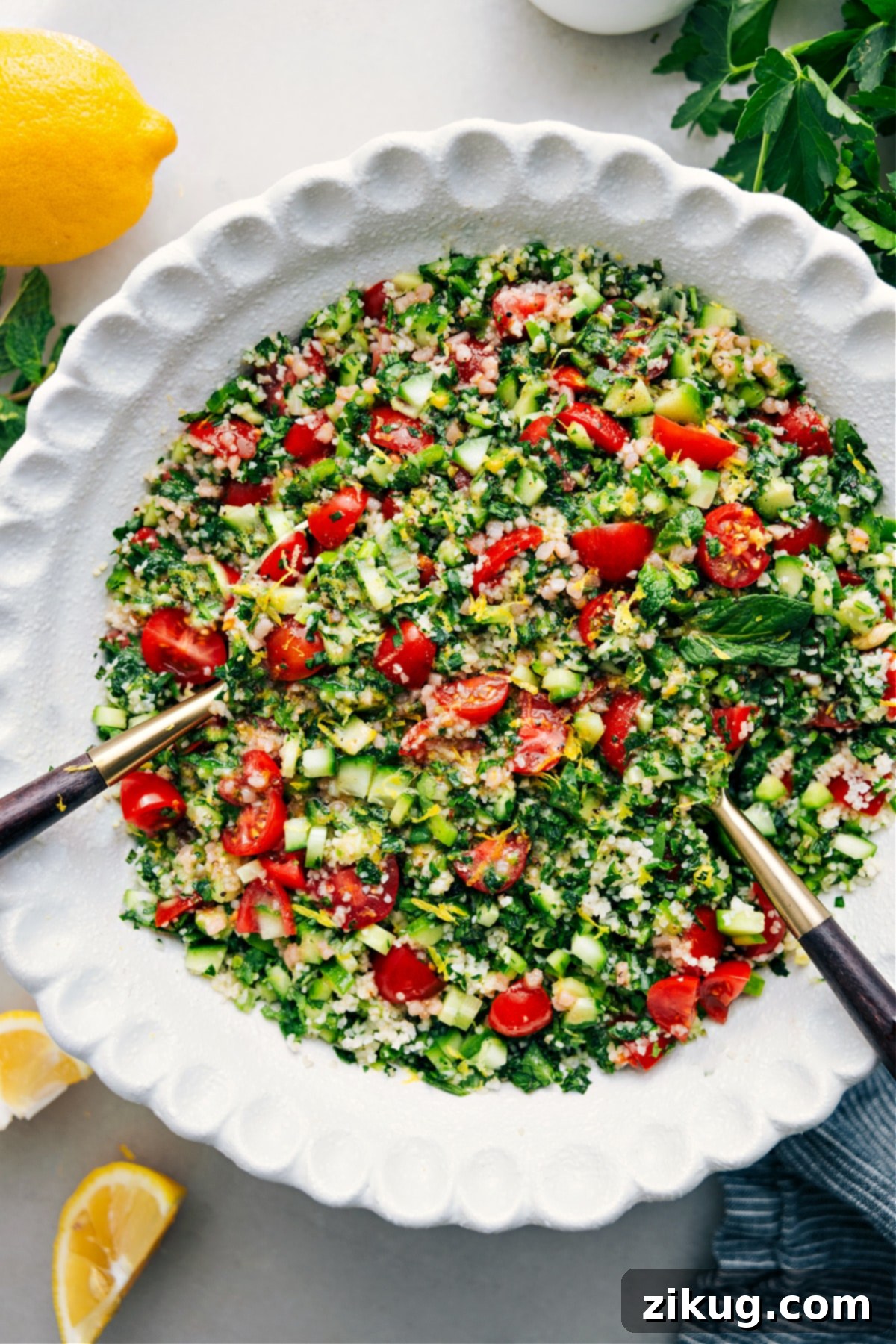
Tabouli, often spelled Tabbouleh, is a vibrant and refreshing Middle Eastern salad renowned for its incredible freshness and distinctive flavor profile. This iconic dish features a harmonious blend of finely chopped fresh parsley, mint, ripe tomatoes, crisp cucumber, and green onions, all tossed with fine bulgur wheat and dressed in a bright, zesty lemon and olive oil vinaigrette. More than just a side dish, Tabouli is a celebration of simple, wholesome ingredients coming together to create a light yet satisfying culinary experience that’s enjoyed worldwide.
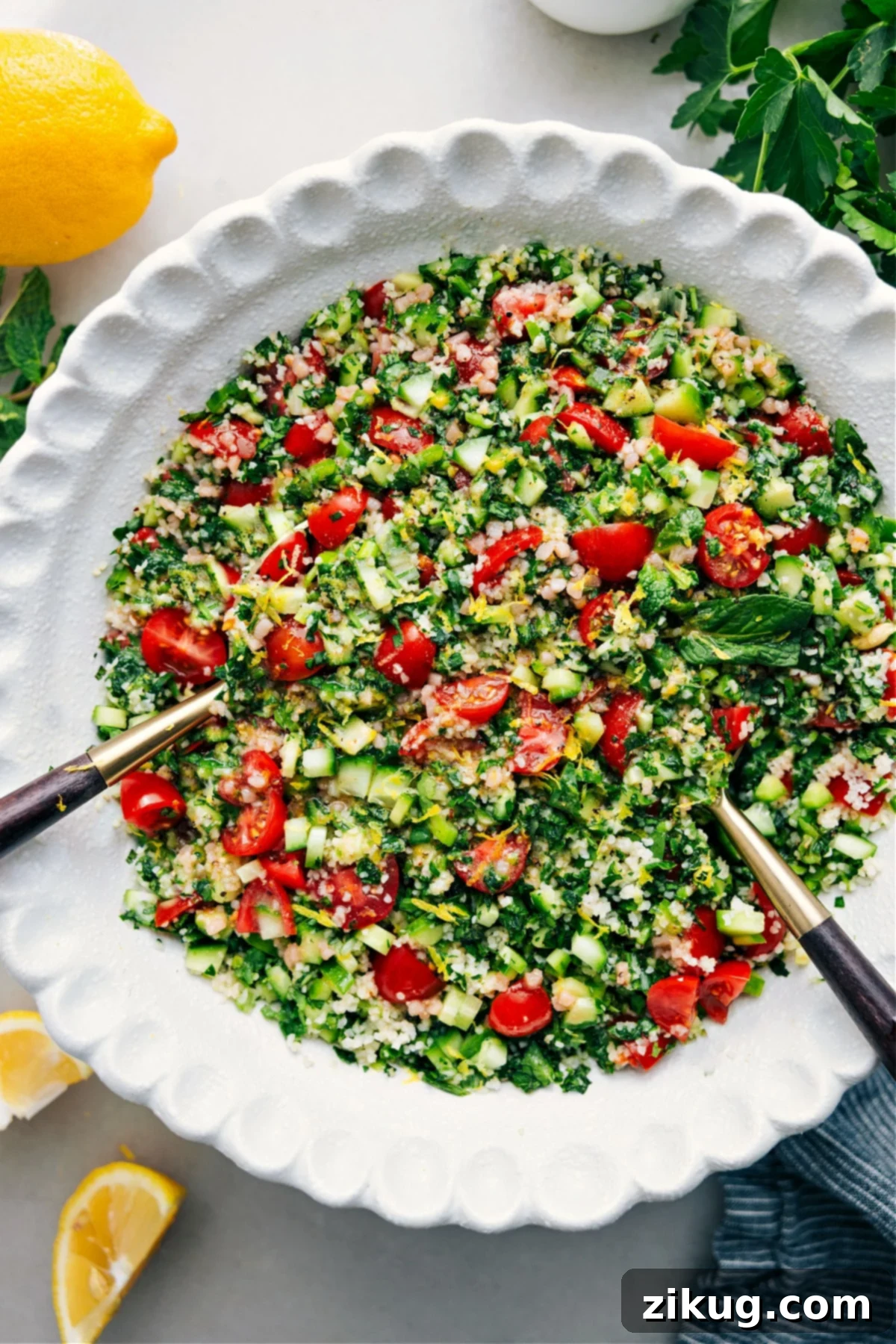
An Authentic Tabouli Recipe Inspired by Dubai’s Culinary Delights!
My journey to perfecting this Tabouli recipe began a couple of years ago during a captivating trip through Dubai and the Maldives. Everywhere I went, from bustling city restaurants to serene island resorts, two salads consistently graced every table: Tabouli and Fattoush. These staple Mediterranean salads were served with almost every meal, alongside an abundance of creamy hummus and smoky baba ghanoush, highlighting their central role in the regional cuisine.
The sheer ubiquity and exquisite freshness of these salads left a lasting impression on my palate. Upon returning home, I was determined to recreate that authentic taste and incorporate it into my everyday cooking. I’ve since made Tabouli countless times, experimenting and refining it to capture the essence of what I experienced abroad, while adding a few personal touches that enhance its already magnificent flavor. This particular recipe is deeply inspired by one I savored in Dubai, with a thoughtful addition of extra ingredients to the dressing, elevating its brightness and depth.
Quick Tip: Tabbouleh vs. Tabouli – Unraveling the Spelling Mystery!
What’s the Difference Between Tabbouleh and Tabouli?
Simply put, it’s just a matter of spelling! Both “Tabbouleh” and “Tabouli” refer to the exact same vibrant, fresh, herb-packed salad. The variations stem from different transliterations of the Arabic word “تبولة” into English. Regardless of how it’s spelled, the dish remains a beloved cornerstone of Middle Eastern cuisine. For those curious about pronunciation, it’s typically pronounced “tuh·bu·lee”, emphasizing the second syllable. This delicious salad’s appeal transcends linguistic differences, making it a universally cherished dish.
Essential Ingredients for a Perfect Tabouli Salad
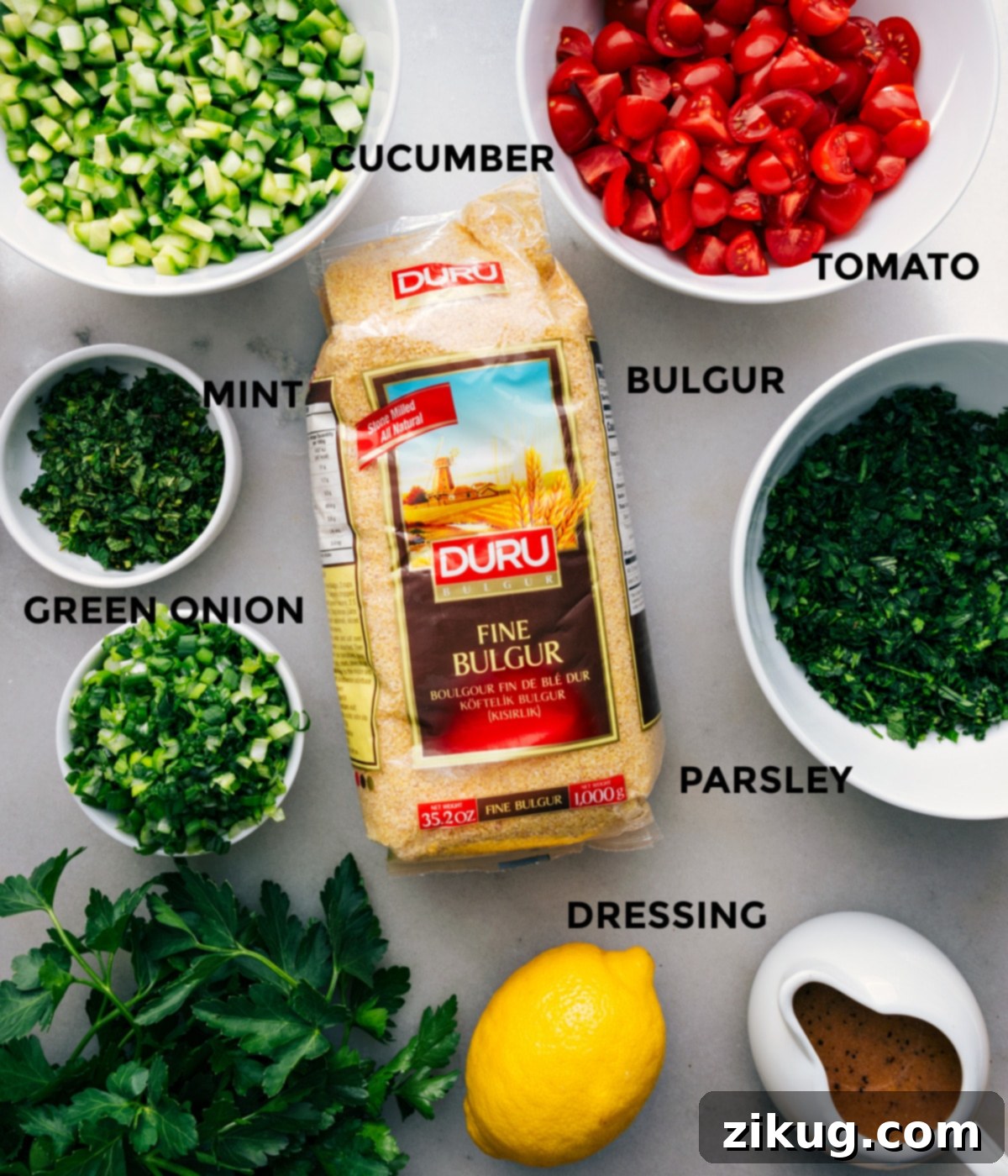
Crafting the perfect Tabouli begins with selecting high-quality, fresh ingredients. Each component plays a vital role in achieving that signature bright and herbaceous flavor. Here’s a closer look at what you’ll need and why:
- Bulgur Wheat: The foundation of Tabouli. Fine bulgur wheat is highly recommended as it absorbs the dressing beautifully and provides the best delicate texture without requiring cooking. Its quick preparation makes it ideal for this recipe. Coarser bulgur varieties are available but will need to be cooked differently, typically requiring simmering rather than just soaking.
- English Cucumbers: Essential for adding a refreshing crunch. English cucumbers are preferred for their thin skin, minimal seeds, and lower water content compared to regular garden cucumbers. This results in a more flavorful and less soggy salad. Persian cucumbers (also known as mini or salad cucumbers) are an excellent alternative.
- Cherry Tomatoes: These sweet, juicy tomatoes burst with flavor, contributing essential acidity and a beautiful color. Halving or quartering them is ideal. A serrated knife makes chopping them easier and helps retain their juice. If cherry tomatoes aren’t available, other ripe, firm tomatoes can be used, just be sure to remove excess seeds and watery pulp before dicing.
- Fresh Mint: This herb is a non-negotiable component of authentic Tabouli, imparting a distinctive cool, bright, and invigorating flavor. Always use fresh mint; dried mint will not yield the same vibrant taste. Chop the leaves finely to ensure even distribution of flavor throughout the salad.
- Flat-Leaf Parsley: The star of Tabouli, parsley provides the bulk of the salad’s vibrant green color and earthy, slightly peppery flavor. Flat-leaf (Italian) parsley is superior to its curly counterpart, offering more robust flavor and a better texture when chopped. For the best results, hand-chop the parsley finely rather than using a food processor, which can bruise the leaves and make them watery. Aim for a delicate, fluffy texture.
- Green Onions: Also known as scallions, these add a mild, fresh oniony bite without being overpowering. Use both the white and light green parts for a balanced flavor. They contribute a subtle sharpness that complements the other fresh ingredients beautifully.
The Zesty Tabouli Dressing
The dressing is what brings all the fresh components of Tabouli together, infusing the salad with its signature tang and richness. My version includes a few extra layers of flavor for a truly exceptional experience:
- Olive Oil: A high-quality extra virgin olive oil is crucial here. It provides a smooth richness, acts as the base for the dressing, and helps carry the flavors of the herbs and spices. Its fruity notes are essential to the Mediterranean profile.
- Lemons: Fresh lemon juice and zest are paramount for that quintessential bright, tangy, and aromatic lift. The zest contains essential oils that add an intense lemon aroma, while the juice provides the necessary acidity to balance the flavors.
- Garlic: Freshly minced or finely pressed garlic adds a pungent, savory kick that rounds out the dressing. It’s best to use fresh garlic for the most impactful flavor.
- Ground Cumin: This warm, earthy spice adds a subtle depth and a hint of exoticism that elevates the dressing beyond a simple vinaigrette. It beautifully complements the freshness of the herbs.
- Honey: A touch of honey (or a similar sweetener like maple syrup) perfectly balances the acidity of the lemon and vinegar, preventing the dressing from being overly tart. It adds a subtle sweetness that enhances the overall flavor profile.
- Dijon Mustard: Just a tablespoon of Dijon mustard serves multiple purposes. It acts as an emulsifier, helping to bind the oil and vinegar together for a smooth dressing, and contributes a subtle, tangy, and slightly spicy note that adds complexity.
- Red Wine Vinegar: While lemon is the primary acidic component, a splash of red wine vinegar boosts the flavor even further, adding another layer of bright, slightly fruity tanginess that is characteristic of many Mediterranean dressings.
Creative Variations: Customizing Your Tabouli Experience
While the classic Tabouli recipe is perfect as is, one of the joys of home cooking is the freedom to customize. Don’t hesitate to experiment with these delicious variations to make this salad truly your own:
- Couscous Tabouli: For a slightly different texture or if bulgur isn’t readily available, swap it for small couscous. Couscous, a tiny pasta, cooks incredibly fast, often just by soaking it in hot water, much like fine bulgur. The result is a lighter, fluffier texture that’s equally delightful.
- Quinoa Tabouli (Gluten-Free Option): If you’re looking for a gluten-free alternative, quinoa makes an excellent substitute for bulgur. Quinoa is a complete protein and offers a slightly nuttier flavor and chewier texture. Cook quinoa according to package directions before incorporating it into the salad. This variation maintains the fresh essence of Tabouli while catering to dietary needs.
- Add Avocado: While not traditional, diced avocado introduces a wonderful creamy texture and healthy fats to the salad. Its mild flavor complements the zesty dressing and fresh herbs beautifully. Add it just before serving to prevent browning. This is a fantastic way to elevate the salad’s richness and make it even more satisfying.
- Mediterranean Olives: For a briny, salty kick, consider adding finely chopped Kalamata or green olives. They pair exceptionally well with the lemon and herbs, enhancing the overall Mediterranean profile.
- Bell Peppers: Diced red or yellow bell peppers can add a subtle sweetness and an extra layer of crunch, along with more vibrant color.
- Feta Cheese: Crumbled feta cheese introduces a creamy, salty tang that works wonderfully with the fresh vegetables and herbs. Add it just before serving.
- Toasted Nuts or Seeds: For added texture and a nutty flavor, sprinkle in some toasted pine nuts, chopped almonds, or sunflower seeds just before serving.
Enhancing Your Tabouli with Protein for a Complete Meal
While Tabouli is traditionally a side dish or part of a meze spread, it can easily be transformed into a hearty and wholesome main course by adding your favorite protein. This boosts its nutritional value and makes it a more fulfilling meal option:
- Roasted or Air-Fried Chickpeas: These are a fantastic plant-based protein option that adds a wonderful texture and earthy flavor. Simply toss canned chickpeas with a little olive oil and spices (like cumin, paprika, salt, and pepper), then roast them in the oven or air fry until crispy. They provide a satisfying crunch and make the salad more substantial for vegetarians and vegans.
- Grilled Chicken: Marinated and grilled chicken breast or thighs, sliced into bite-sized pieces, are a classic pairing. A simple lemon-herb marinade works beautifully to complement the Tabouli’s flavors. It turns the salad into a light yet satisfying lunch or dinner.
- Grilled Flank Steak: For meat lovers, thinly sliced grilled flank steak (or sirloin) adds a rich, savory element. Its robust flavor stands up well to the vibrant salad.
- Pan-Seared or Grilled Salmon: Flaky, rich salmon provides healthy omega-3 fatty acids and a delicate flavor that contrasts nicely with the fresh herbs and tangy dressing. It’s a superb option for a light, nutritious meal.
- Hard-Boiled Eggs: A quick and easy protein boost, chopped hard-boiled eggs can be mixed in for added creaminess and satiety, perfect for a simple lunch.
Versatile Ways to Enjoy Your Tabouli Salad
Tabouli’s versatility makes it a beloved dish for many reasons. Traditionally, it’s served as part of a larger Mediterranean “meze” (a selection of small dishes) or as a refreshing accompaniment to grilled meats. However, its vibrant flavors also allow it to function beautifully as a fresh salsa or a standalone light meal. Here are several delightful ways to enjoy your homemade Tabouli:
- As a Side Dish: This is perhaps the most classic way to enjoy Tabouli. It’s an ideal complement to almost any grilled protein, such as chicken kebabs, lamb, fish, or even vegetarian main dishes like baked falafel. Its crispness and bright flavors cut through richer foods, balancing the meal.
- With Pita Bread or Chips: Scoop up generous portions of Tabouli with warm, soft pita bread or crunchy pita chips. This is a wonderfully satisfying way to enjoy its texture and flavor, making it perfect for an appetizer or snack.
- In Wraps and Sandwiches: Add a generous spoonful of Tabouli to your chicken wraps, veggie sandwiches, or even gyros for an extra layer of freshness, crunch, and herbaceous flavor. It instantly elevates any simple wrap or sandwich.
- Over Greens as a Main Salad: For a lighter meal, pile Tabouli over a bed of mixed greens or romaine lettuce. You can also mix it directly into a larger green salad to boost its flavor and texture, turning it into a complete and satisfying meal, especially when paired with an added protein.
- As a Topping: Use Tabouli as a vibrant topping for baked potatoes, bruschetta, or even tacos for an unexpected burst of flavor and freshness.
- Part of a Meze Platter: Create an impressive spread by serving Tabouli alongside other Mediterranean favorites like hummus, baba ghanoush, tzatziki, olives, and various cheeses.
Storage Tips for Optimal Freshness
For best results, store leftover Tabouli in an airtight container in the refrigerator for 2–3 days. It’s important to note that the flavor of the green onions tends to strengthen over time, becoming more pronounced. Before serving any leftovers, give the salad a good stir and taste it. You may wish to add a fresh squeeze of lemon juice, a drizzle of olive oil, or a pinch of salt and pepper to revive its flavors. Tabouli does not freeze well; the fresh herbs and vegetables will lose their crisp texture and become mushy upon thawing, so it’s best to enjoy it fresh.
More Delicious Salad Recipes to Explore:
Salads
Israeli Salad Recipe
Salads
Cucumber Feta Salad
Salads
Sweet Potato Farro Salad
Healthy
Chickpea Salad Recipe
Tabouli (Tabbouleh): The Ultimate Fresh Herb Salad
Equipment
-
Small pot
-
Wide-mouth Mason Jar or other sealable container for dressing
Ingredients
- 3/4 cup fine bulgur wheat see note 1
- Salt and pepper
- 1-1/2 cups diced English cucumber see note 2
- 2 cups quartered cherry tomatoes
- 1/3 packed cup finely chopped fresh mint
- 1 packed cup finely chopped flat-leaf parsley 2 bunches, see note 3
- 3/4 cup finely chopped green onions 1 bunch
- 1/4 cup extra virgin olive oil
- 1 lemon (for 1/2 tsp zest and 1-1/2 tbsp juice)
- 1 teaspoon minced garlic
- 1 teaspoon ground cumin
- 1-1/2 teaspoons honey
- 1 tablespoon Dijon-style mustard
- 2 tablespoons red wine vinegar
Instructions
-
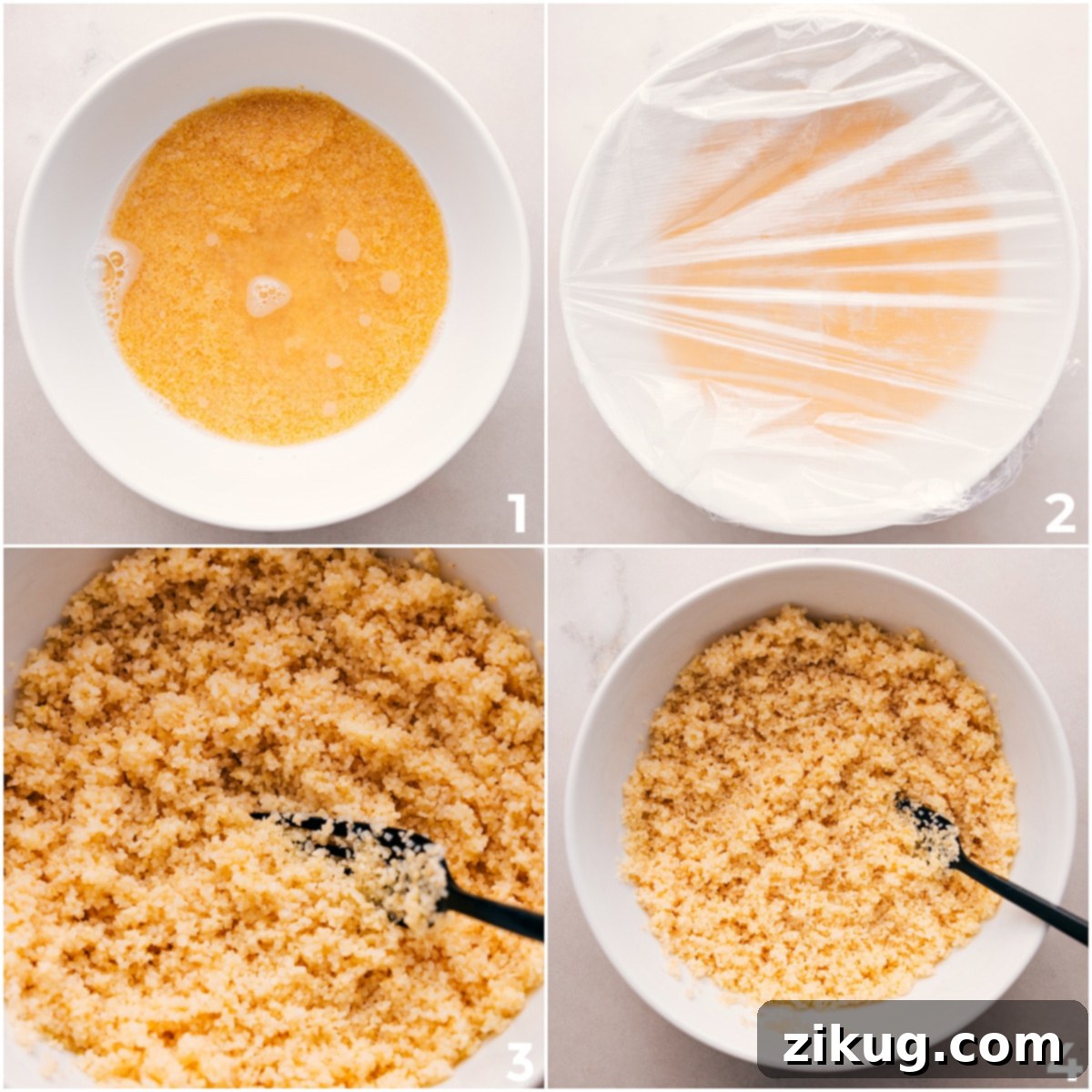
Prepare the Bulgur: Bring 1-1/4 cups of water to a rolling boil in a small pot. In a large glass bowl, add the fine bulgur wheat and sprinkle with a pinch of salt. Carefully pour the boiling water over the bulgur. Stir briefly to ensure all bulgur is moistened, then cover the bowl tightly with plastic wrap. Let it sit undisturbed at room temperature for 15–25 minutes, or until all the water has been completely absorbed and the bulgur is tender. Remove the plastic wrap, fluff the bulgur with a fork, and allow it to cool to room temperature. For quicker cooling, you can transfer it to the refrigerator. The bulgur can be prepared in advance and stored in the fridge, making assembly easier later.
-
Make the Dressing: Begin by zesting one lemon to get about 1/2 teaspoon of zest, then juice the lemon to yield approximately 1-1/2 tablespoons of fresh lemon juice. Combine the lemon zest and juice with all the other dressing ingredients (olive oil, minced garlic, ground cumin, honey, Dijon mustard, and red wine vinegar) in a wide-mouth jar or a small bowl. Season the dressing to taste with salt and pepper (I typically add 3/4 teaspoon of salt and 1/2 teaspoon of pepper). If using a jar, seal it tightly and shake vigorously to thoroughly combine all ingredients. If using a bowl, whisk well. Place the dressing in the fridge until you are ready to assemble the salad.
-
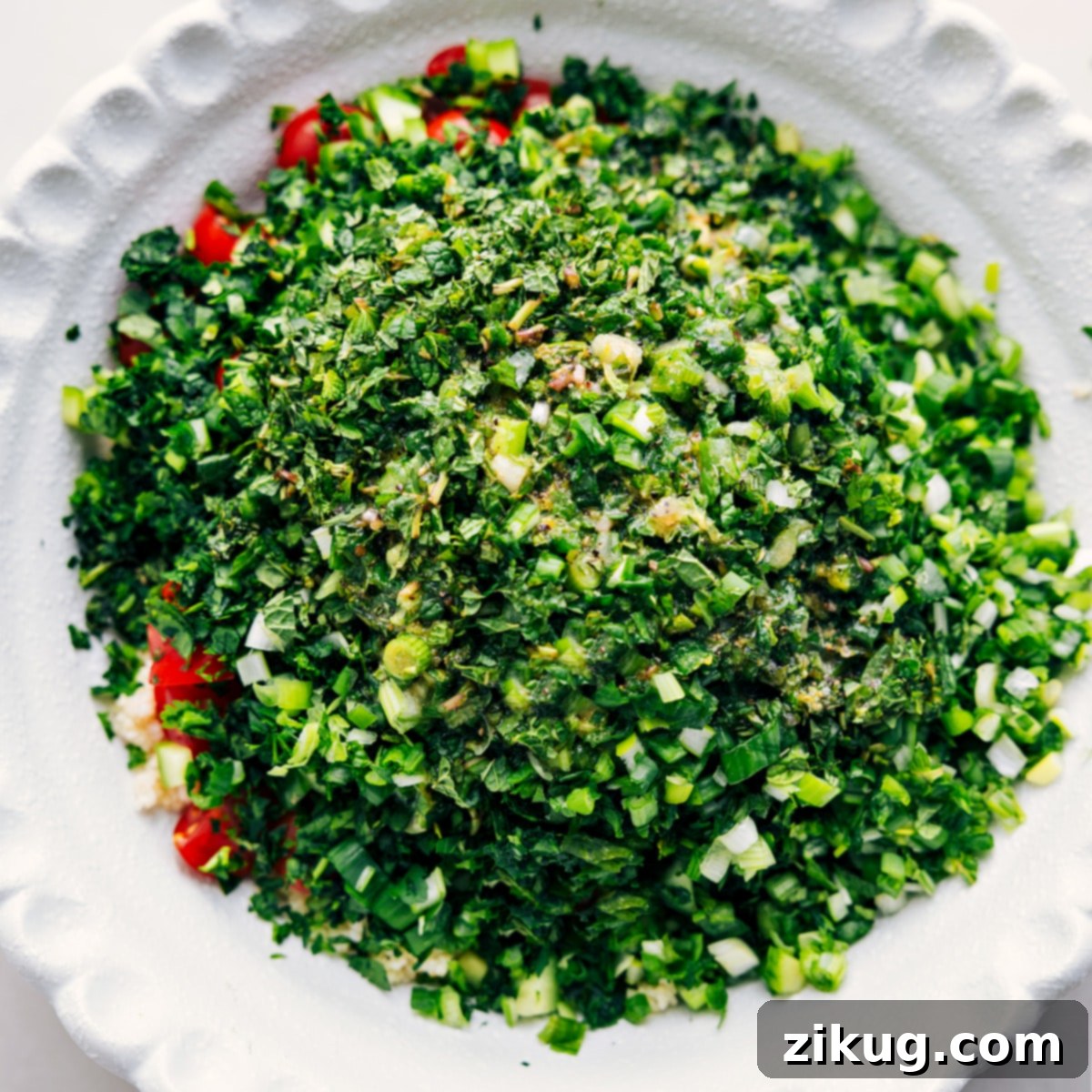
Assemble the Tabouli: In a large mixing bowl, combine the completely cooled bulgur, diced English cucumbers, quartered cherry tomatoes, finely chopped fresh mint, finely chopped flat-leaf parsley, and finely chopped green onions. Toss all the ingredients gently to ensure they are well combined. Pour the prepared dressing over the salad and toss again until all the vegetables and bulgur are evenly coated. Taste the Tabouli and adjust the seasoning as needed; you might want to add more salt, pepper, or a squeeze of fresh lemon juice to achieve your desired flavor balance. Serve immediately or, for an even tastier experience, refrigerate for at least 30 minutes to allow the flavors to meld and deepen before serving.
Recipe Notes
Note 2 (Cucumber Choice): To avoid a watery salad and ensure maximum flavor and crispness, it is crucial to use English or Persian cucumbers. These varieties are known for having fewer seeds and less water content than common garden cucumbers. Always remove any remaining seeds and dice the cucumbers finely for the best texture in your Tabouli.
Note 3 (Herb Preparation): For optimal flavor and texture, it is always best to hand-chop your fresh herbs, particularly parsley and mint. Using a food processor can over-process the herbs, resulting in an uneven texture, releasing too much water, and potentially causing them to brown faster. Also, for superior flavor, choose flat-leaf Italian parsley over curly parsley, which is primarily used as a garnish due to its milder taste.
Storage Considerations: Store any leftover Tabouli in an airtight container in the refrigerator. It will remain fresh and delicious for 2–3 days. Be aware that the flavor of the green onions can intensify slightly over time. Before serving refrigerated Tabouli, give it a good stir and taste; you might find it beneficial to add a fresh squeeze of lemon juice or a dash of salt and pepper to revive its vibrant flavors. It is important to note that Tabouli does not freeze well, as the fresh vegetables and herbs will lose their desirable crisp texture upon thawing.
Nutrition
Nutrition information is automatically calculated, so should only be used as an approximation.