
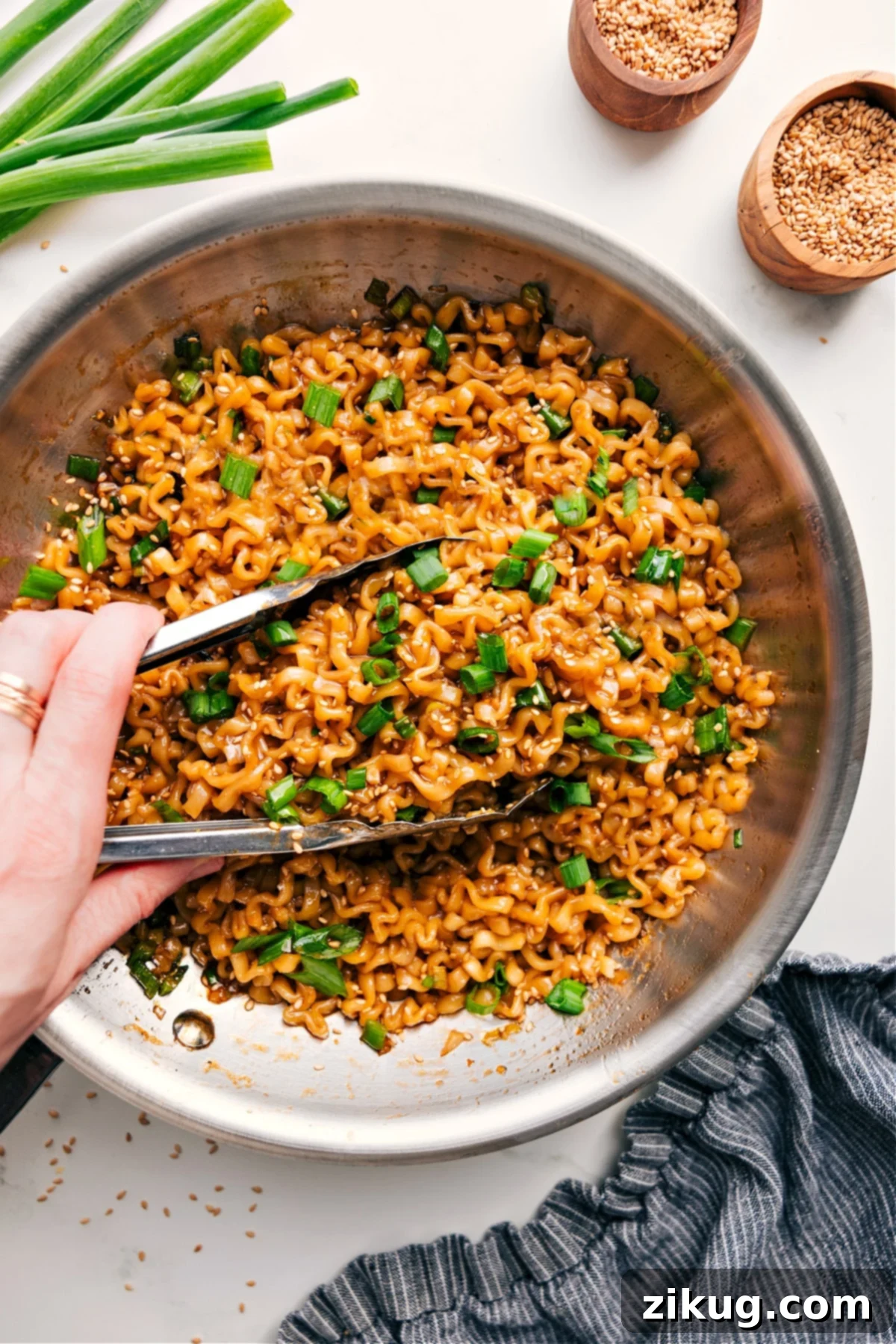
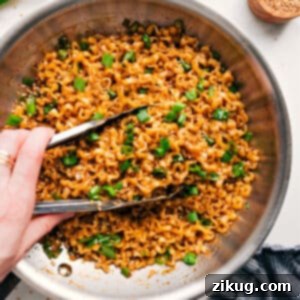
Experience the ultimate weeknight culinary delight with this incredibly easy Asian Noodle Recipe! Featuring luscious ramen noodles bathed in a rich, garlicky sauce that perfectly balances savory and sweet notes, this dish is not just delicious but also astonishingly fast to prepare. In a world craving quick, flavorful meals, these noodles deliver an authentic taste experience with minimal effort, making them an indispensable addition to your recipe repertoire. Prepare to be amazed by how such a simple recipe can yield such extraordinary flavor, rivaling your favorite takeout.
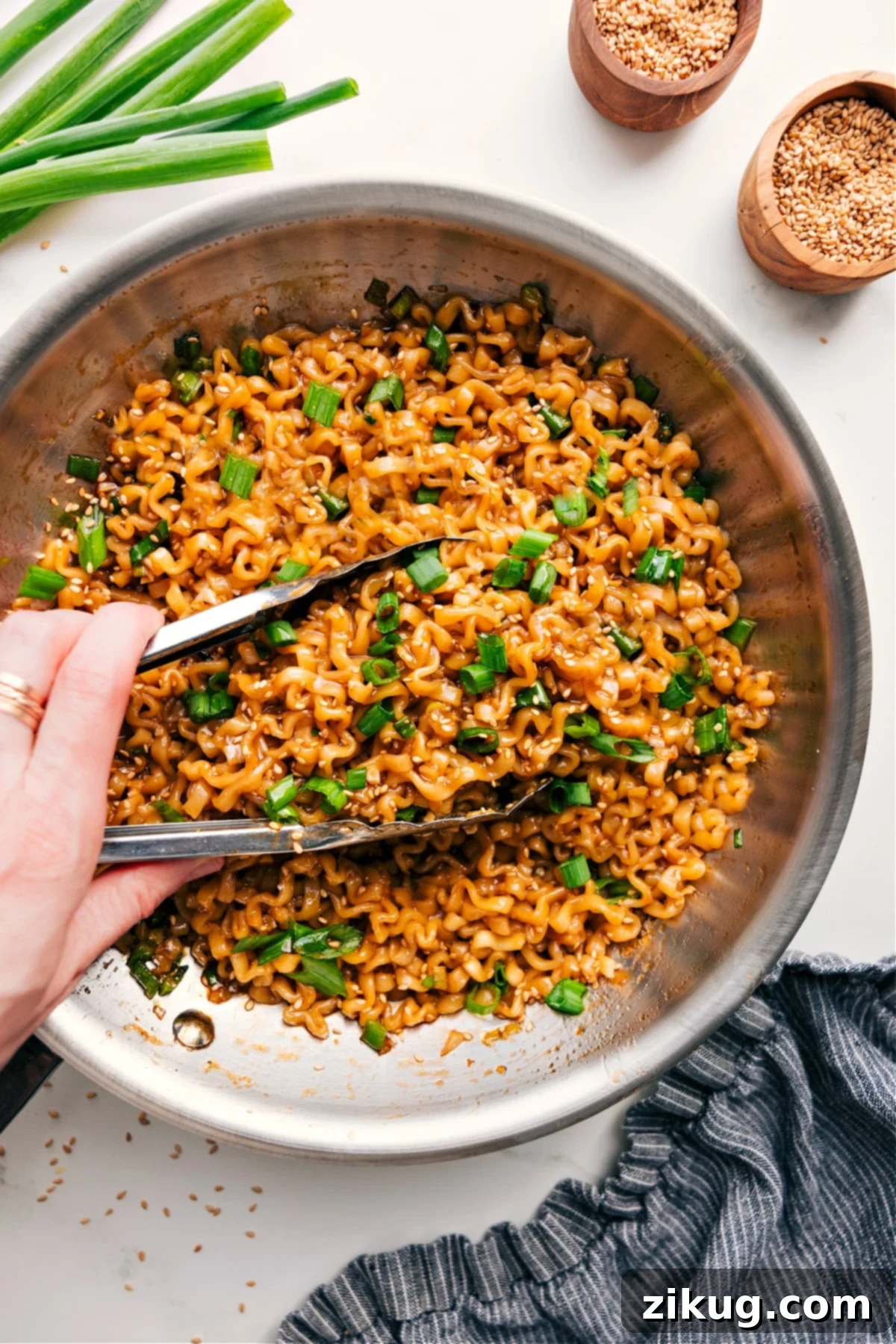

From the Author’s Kitchen
My ALL-TIME Favorite Asian Noodle Recipe: A Culinary Revelation!
As a passionate cook who has shared countless noodle recipes over the years, I can confidently say that easy ramen dishes are a constant and beloved feature in my household. While my family adores the comforting flavors of my chicken ramen, and I often find myself craving this hearty beef and broccoli ramen, there’s one recipe that truly stands out. My garlic beef ramen has long been a fan favorite, praised for its rich flavors and satisfying textures.
However, these particular Asian noodles hold a special place. When it comes to the trifecta of effortless preparation, lightning-fast cooking, and explosion of robust flavors, this recipe takes the crown every single time. Drawing inspiration from the renowned NYT’s hoisin garlic noodles, this version presents a symphony of savory depth, a hint of natural sweetness, and an intoxicatingly garlicky aroma. The best part? It tastes incredibly gourmet, requiring significantly less effort than its sophisticated flavor profile suggests. This isn’t just a claim; this Asian noodle recipe truly can be on your table in 10 minutes or less, without compromising on taste or quality. It’s the perfect solution for busy weeknights, unexpected cravings, or simply when you desire an exceptional meal without the fuss.
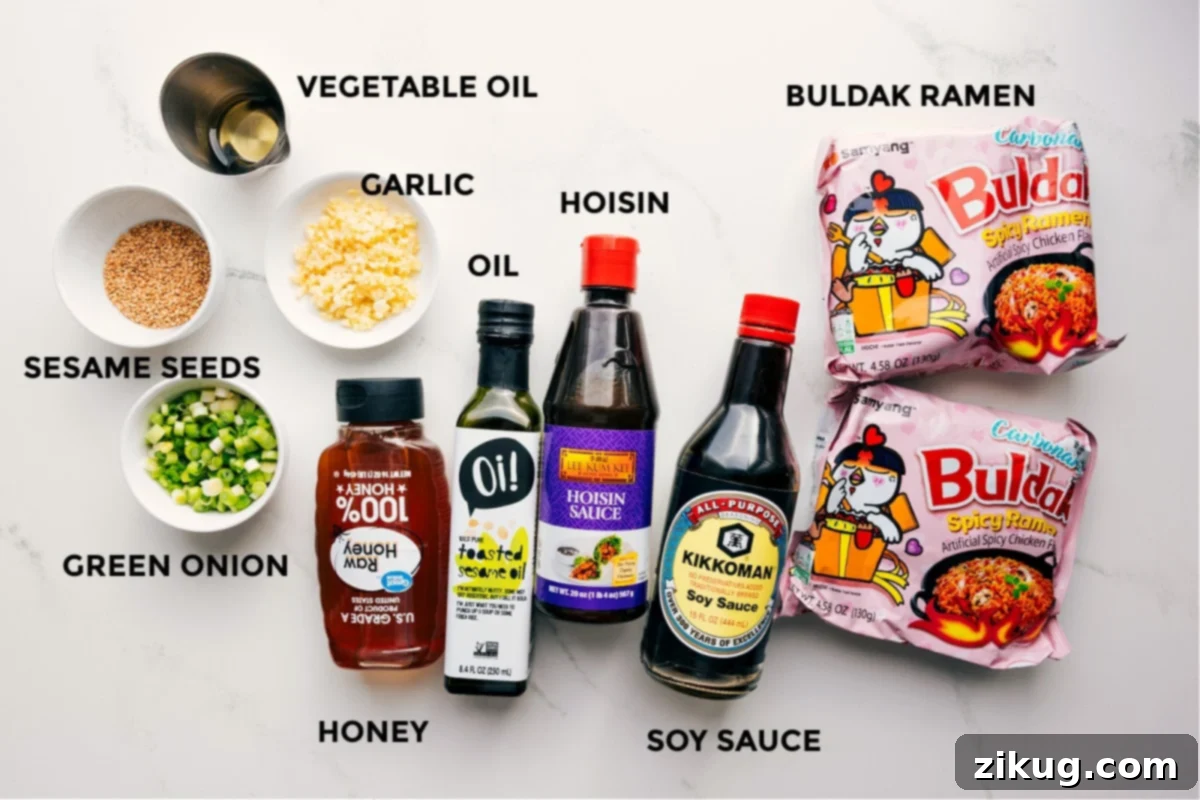
Unlock the Flavors: Key Ingredients for These Irresistible Asian Noodles
Crafting these exceptional Asian noodles starts with selecting the right ingredients. Each component plays a crucial role in building the layered flavors that make this dish so addictive. From the choice of noodles to the quality of the sauce, attention to detail ensures a truly authentic and delicious experience.
| Ingredient Group | Helpful Tip for Best Flavor |
|---|---|
| Ramen Noodles | Opt for Buldak noodles for their fantastic texture and ability to soak up the sauce. Always discard the seasoning packets. |
| Garlic & Green Onions | Freshly minced garlic is non-negotiable for superior flavor. Cook just until fragrant—avoid browning or burning to prevent bitterness. |
| Hoisin Sauce | A high-quality hoisin sauce is the secret weapon here. It makes a monumental difference. After trying numerous brands, I consistently return to Lee Kum Kee for its depth of flavor. |
| Soy Sauce & Honey | This classic pairing creates the perfect balance of salty and sweet. Use regular (not lite) soy sauce for richer taste. |
| Sesame Oil & Sesame Seeds | Always use toasted sesame oil for its distinct, nutty aroma. Toasted sesame seeds provide a delightful textural crunch and visual appeal. |
Essential Ingredients Breakdown:
- Ramen Noodles: While many instant ramen brands exist, Buldak noodles are highly recommended for this recipe. Their unique chewiness and thicker strands hold up exceptionally well to the rich sauce, absorbing all the delicious flavors without becoming soggy. Remember, we’re only using the noodles, so set aside or discard the seasoning packets that come with them. If Buldak isn’t available, a good quality unseasoned ramen or even instant udon can be a decent substitute.
- Fresh Garlic & Green Onions: These are the aromatic foundation of our sauce. Using fresh garlic, finely minced, is paramount. Pre-minced garlic in a jar simply won’t yield the same vibrant, pungent flavor that makes this dish shine. Green onions (scallions) provide a mild oniony bite and a beautiful splash of color. Separating the white and green parts allows us to cook the whites for a deeper flavor base and use the greens for a fresh garnish.
- Premium Hoisin Sauce: Hoisin sauce is the star of our sticky, savory, and sweet sauce. Its complex flavor profile—a blend of fermented soybeans, garlic, vinegar, sugar, and chili—is irreplaceable. Investing in a good-quality hoisin, such as Lee Kum Kee, will significantly elevate the overall taste of your noodles.
- Soy Sauce & Honey: These two ingredients work in harmony to create the signature sweet and salty balance. Regular soy sauce (not low-sodium or light) is preferred for its robust umami. Honey adds a natural sweetness and helps create that desirable glossy, sticky texture in the sauce. For a vegan option, maple syrup can be used as a substitute for honey.
- Toasted Sesame Oil & Sesame Seeds: Toasted sesame oil is a finishing oil that imparts a deep, nutty, and distinctly Asian aroma. A little goes a long way in adding a layer of sophisticated flavor. Toasted sesame seeds serve as a wonderful garnish, offering a pleasant crunch and an extra visual appeal that completes the dish.
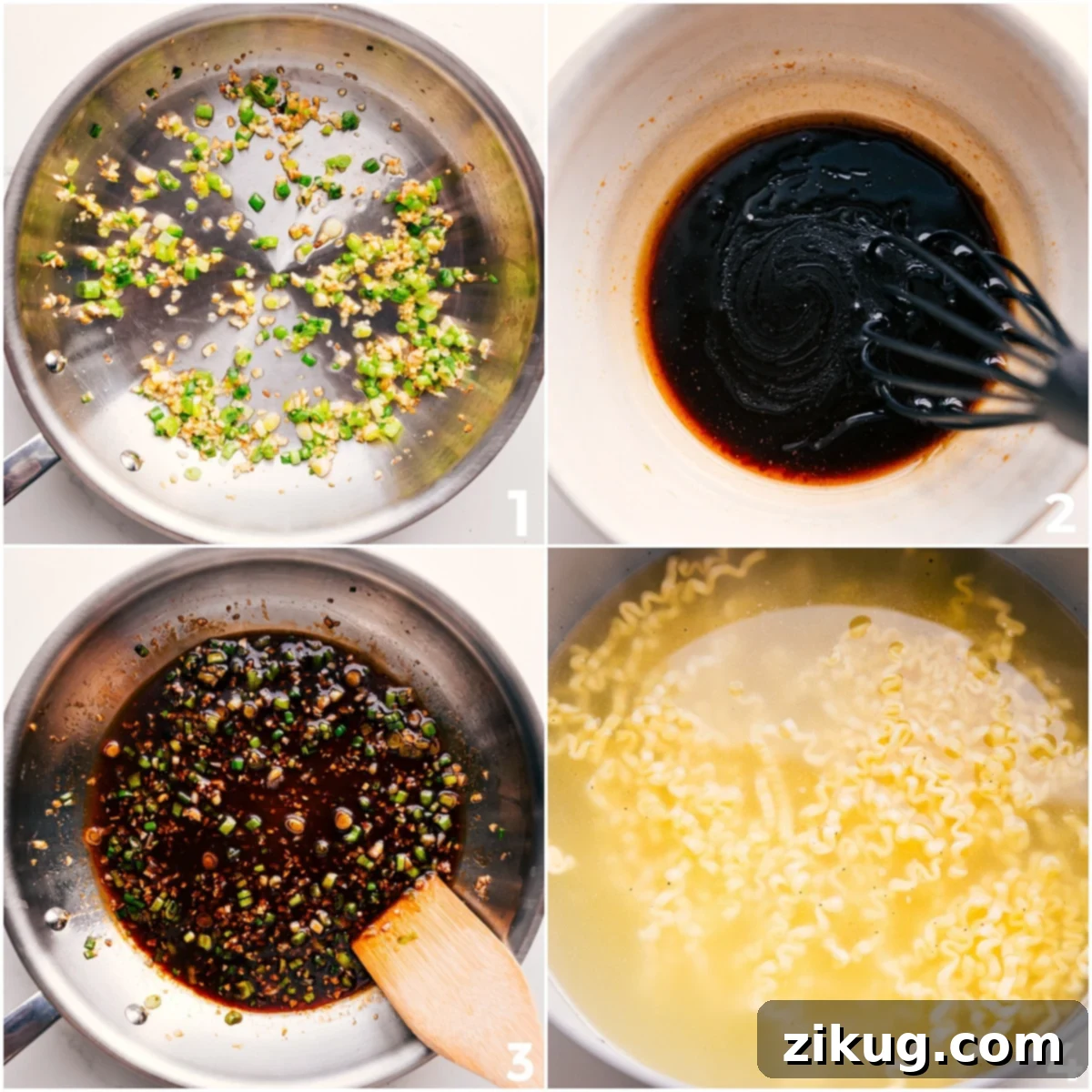
Whip Up a Feast: How to Make This Flavor-Packed Asian Noodle Recipe in Just 10 Minutes
Get ready to transform simple ingredients into a sensational meal in mere minutes. This recipe is designed for maximum flavor with minimum fuss, making it perfect for even the busiest of days. Follow these easy steps to create your new favorite noodle dish.
- Step 1: Prepare the Aromatic Sauce: In a small bowl, combine the hoisin sauce, soy sauce, toasted sesame oil, and honey. Whisk vigorously until all ingredients are smoothly integrated and the sauce has a uniform consistency. This ensures even distribution of flavors later on. Set this delicious sauce aside.
- Step 2: Sauté Aromatics to Perfection: Heat a large skillet or wok over medium-high heat. Add the vegetable oil and allow it to shimmer. Once hot, add your finely minced fresh garlic and the white parts of your green onions (approximately 1/3 cup). Sauté for a very short period, about 30 seconds to 1 minute, stirring constantly. The goal is to release their fragrant aromas without letting them brown or burn, which can lead to a bitter taste. Immediately pour your prepared sauce into the skillet and stir to combine with the fragrant aromatics.
- Step 3: Cook Your Ramen Noodles: While your aromatics are sautéing and your sauce is ready, bring a separate pot of unsalted water to a rapid boil. Add the Buldak ramen noodles (remember to discard the seasoning packets that come with them). Cook the noodles according to the package directions until they are just tender and perfectly al dente. Promptly drain the cooked noodles, then rinse them briefly under cold water for about 20 seconds. This step is crucial for stopping the cooking process, removing excess starch, and preventing the noodles from sticking together. Shake off any excess water.
- Step 4: Combine for Ultimate Flavor: Add the cooked and thoroughly drained noodles directly into the skillet with your simmering sauce and aromatics. Remove the skillet from the heat immediately. Using tongs, toss the noodles thoroughly until every strand is evenly coated in the rich, glossy, and sticky sauce. This ensures maximum flavor in every bite.
- Step 5: Garnish and Serve Hot: Taste the noodles and adjust seasoning with a pinch of salt and freshly ground black pepper if desired, though the hoisin and soy sauce typically provide ample seasoning. Transfer the noodles to individual serving bowls. Generously top with the reserved green onion tops for a burst of freshness and a sprinkle of toasted sesame seeds for added texture and nutty flavor. Serve these incredibly delicious Asian noodles hot and enjoy!
Chef’s Corner
Elevate Your Experience: Creative Variations and Serving Suggestions
Once you’ve fallen in love with the classic rendition of this Asian noodle recipe, you’ll be eager to explore its versatility. Here are some effortless ways to customize and enhance your dish, making it a fresh experience every time.
Transforming Your Noodle Dish:
- Make it a Complete Meal: These noodles are fantastic on their own, but they also serve as an excellent base for a fuller meal. Pair them with a crisp, refreshing cucumber salad, a side of savory dumplings or potstickers, or complement them with simple steamed or perfectly roasted vegetables like broccoli or asparagus.
- Boost with Veggie Add-Ins: Inject more nutrients and textures by stirring in your favorite vegetables. Try thinly sliced bell peppers or sautéed mushrooms for an earthy depth. Bean sprouts offer a refreshing crunch, while snap peas and broccoli florets add vibrant color and healthy greens. Shredded carrots or a pre-made coleslaw mix can be tossed in, or simply wilt in some fresh spinach at the very end for a quick vegetable boost.
- Power Up with Protein: Turn this side dish into a main course by incorporating your preferred protein. Sliced baked or grilled chicken adds lean protein, while thin-sliced beef or flavorful steak bites offer a heartier option. For seafood lovers, succulent blackened shrimp or pan-seared scallops would be exquisite. Crispy tofu or edamame provide excellent plant-based protein choices. For a quick and satisfying addition, top with a perfectly fried or soft-boiled egg.
- Crank Up the Heat: If you prefer a fiery kick, it’s easy to customize the spice level. Sprinkle in crushed red pepper flakes for a subtle warmth, or swirl in a spoonful of chili crisp or chili oil for complex heat and texture. A dash of Sriracha or sambal oelek will add a direct, spicy punch.
- Finish with Flavorful Toppings: Beyond green onions and sesame seeds, experiment with other toppings. Crushed peanuts or cashews add a delightful nutty crunch. A drizzle of additional toasted sesame oil or a sprinkle of flaky sea salt can further enhance the flavors.
Storage and Reheating Tips
These Asian noodles are undeniably at their absolute best when enjoyed fresh, straight from the skillet. The noodles are tender, the sauce is perfectly glossy, and the aromatics are at their peak. However, if you find yourself with leftovers, you’ll be pleasantly surprised to discover they’re still remarkably delicious at room temperature or even chilled, making them an excellent option for meal prep or a quick lunch the next day.
To store, ensure the noodles have cooled completely to room temperature before transferring them to an airtight container. This helps prevent condensation and maintains quality. Store in the refrigerator for up to 3 days. When reheating, you can gently warm them in a microwave or a skillet over medium-low heat with a tiny splash of water or broth to help rehydrate the noodles and loosen the sauce. Avoid overheating to keep the noodles from becoming too soft.
Frequently Asked Questions About Asian Noodles
- Q: Can I make this recipe gluten-free?
- A: Absolutely! To make these Asian noodles gluten-free, simply ensure you use certified gluten-free ramen noodles (rice noodles or buckwheat soba noodles are also good alternatives) and substitute the soy sauce with a gluten-free tamari. Most hoisin sauces are naturally gluten-free, but it’s always best to check the label.
- Q: What if I don’t have Buldak ramen?
- A: While Buldak ramen is recommended for its ideal texture, you can certainly use other instant ramen noodle brands. If using standard 3-ounce ramen noodle packs (like Maruchan), you’ll want to use three packets for the appropriate noodle-to-sauce ratio. Remember to discard all seasoning packets regardless of the brand.
- Q: How can I adjust the spice level?
- A: The base recipe is mild. To add heat, you have several options. Incorporate a pinch of red pepper flakes when sautéing the garlic, stir in a teaspoon or more of chili crisp or chili oil with the sauce, or add a squirt of Sriracha or sambal to your individual serving bowl.
- Q: Can I prepare any parts of this recipe ahead of time?
- A: Yes! The sauce can be whisked together and stored in an airtight container in the refrigerator for up to 3-4 days. You can also mince the garlic and chop the green onions ahead of time. This prep work will make the actual cooking process even faster.
- Q: What’s the best way to prevent the noodles from sticking?
- A: The key steps are rinsing the noodles briefly under cold water after boiling and shaking off excess water. This removes surface starch that can cause stickiness. Also, ensure you toss them immediately with the sauce once added to the skillet to coat them evenly.
More Asian-Inspired Delights You’ll Love:
Dinner
Asian Chicken Bowl
Dinner
Chicken Chow Mein Recipe
Dinner
Asian Ground Beef
Salads
Asian Slaw Recipe
Print Recipe
The Best 10-Minute Asian Hoisin Garlic Noodles
Chelsea Lords
5 minutes
5 minutes
10 minutes
2 servings
Video Overview
For a visual guide, watch our quick video tutorial on making these delicious Asian noodles!

Equipment
-
Large pan or wok
Ingredients
- 2 (4.58-ounces) packages Buldak ramen remove seasoning packets & discard, see note 1
- 1/4 cup hoisin sauce see note 2
- 2 tablespoons soy sauce
- 1 tablespoon toasted sesame oil
- 1 tablespoon honey
- 1-1/2 tablespoons vegetable oil
- 2 tablespoons finely minced fresh garlic
- 1 bunch green onions (white and green parts separated)
- 1 tablespoon toasted sesame seeds
Instructions
-
In a small bowl, thoroughly whisk together the hoisin sauce, soy sauce, sesame oil, and honey until smooth and well combined. Set this aromatic sauce aside.
-
Heat a large skillet or wok over medium-high heat. Add the vegetable oil. Once the oil is hot and shimmering, add the finely minced garlic and the white parts of the green onions (approximately 1/3 cup). Cook for 30 seconds to 1 minute, stirring constantly, just until they become fragrant. It is crucial not to let the garlic brown or burn, as this can make it bitter. Immediately stir in the prepared sauce.
-
Meanwhile, bring a pot of unsalted water to a rolling boil. Add the ramen noodles (without their seasoning packets) and cook according to the package directions until they are just tender. Drain the noodles thoroughly, then rinse them briefly under cold water for about 20 seconds. This step helps to stop the cooking process and removes excess starch, preventing the noodles from sticking. Shake off any excess water.
-
Add the cooked and drained noodles to the skillet with the sauce. Remove the skillet from the heat and toss the noodles thoroughly until every strand is evenly coated in the delicious, glossy sauce.
-
Season with salt and pepper if needed, though the hoisin and soy sauce typically provide ample seasoning. Transfer the noodles to serving bowls. Generously top with the reserved green onion tops and a sprinkle of toasted sesame seeds for garnish. Serve hot and fresh.
Recipe Notes
Note 2 – Hoisin Sauce Quality Matters: The quality of your hoisin sauce significantly impacts the final flavor of this dish. I highly recommend investing in a good-quality brand like Lee Kum Kee for the most authentic and robust taste.
Storage: While these noodles are undeniably best enjoyed fresh off the skillet, they remain surprisingly delicious at room temperature or even chilled. For leftovers, allow them to cool completely before transferring to an airtight container. Store in the refrigerator for up to 3 days.
Nutrition
Nutrition information is automatically calculated and should be used as an approximation. Per serving (based on 2 servings):
- Serving: 1 serving
- Calories: 655 kcal
- Carbohydrates: 85g
- Protein: 15g
- Fat: 29g
- Saturated Fat: 5g
- Polyunsaturated Fat: 10g
- Monounsaturated Fat: 11g
- Sodium: 1850mg
- Potassium: 420mg
- Fiber: 4g
- Sugar: 22g
- Vitamin A: 350IU
- Vitamin C: 8mg
- Calcium: 90mg
- Iron: 4mg
Nutrition information is automatically calculated, so should only be used as an approximation.