Desserts
DIY Homemade Window Cleaner (Streak-Free and Easy)
This DIY homemade window cleaner mixes up in two minutes from rubbing alcohol, water and a little white vinegar, and it leaves glass and mirrors sparkling and streak-free for pennies a bottle. Store-bought glass cleaner…
- 5 min read
- Desserts
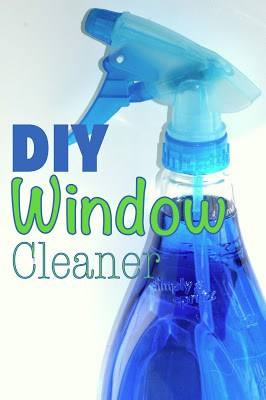
This DIY homemade window cleaner mixes up in two minutes from rubbing alcohol, water and a little white vinegar, and it leaves glass and mirrors sparkling and streak-free for pennies a bottle.
Store-bought glass cleaner can be surprisingly expensive, and many brands rely on ammonia and strong fragrances. This green alternative works just as well as the blue stuff from the store. Whether it's everyday smudges on the bathroom mirror or a sliding door that's been slobbered on by a loving family dog, this spray gets the job done. If you're building a whole cabinet of homemade cleaners, it pairs nicely with our easy homemade shower cleaner and DIY laundry detergent.
Why Make Your Own Window Cleaner?
The biggest reasons are cost and control. A full bottle of this homemade glass cleaner costs a fraction of a name-brand spray, and you know exactly what's in it: no ammonia, no dyes unless you add them, and no mystery perfumes. Rubbing alcohol does the heavy lifting here. It cuts through fingerprints, hairspray film and greasy smudges, then evaporates quickly so there's no time for water spots or streaks to form. That fast drying is the real secret to a streak-free finish.
What You'll Need
- Rubbing alcohol. Standard 70% isopropyl alcohol from the pharmacy aisle is perfect. It dissolves grease and dries fast, which is what keeps streaks away. 91% alcohol works too; just use a little less of it and a little more water.
- Water. Distilled water is best, especially if you have hard water, because tap-water minerals can leave faint spots on glass. Filtered or tap water is fine if that's what you have.
- White vinegar. Plain distilled white vinegar adds a little acidity to help loosen mineral deposits and hard water spots. You only need a small amount, so the smell fades as soon as the glass dries.
- Blue food coloring (optional). This is purely cosmetic, so the bottle looks like "window cleaner" and nobody mistakes it for water. One or two drops is plenty; more than that can tint a light-colored window frame or grout.
- A spray bottle. The recipe makes about 20 ounces, so a 24-ounce heavy-duty spray bottle holds the whole batch with room to shake. Use a clean bottle that has never held other chemicals.
DIY Homemade Window Cleaner Recipe
- 10 ounces (1 ¼ cups) rubbing alcohol
- 10 ounces (1 ¼ cups) water
- 3 teaspoons (1 tablespoon) white vinegar
- 1 to 2 drops blue food coloring (optional)
- Use a funnel to pour the rubbing alcohol, water and vinegar into a clean spray bottle.
- Add the food coloring, if using.
- Screw the sprayer on tightly and gently shake or swirl the bottle to mix. Label the bottle with its contents.
- Spray lightly onto glass and wipe clean with a microfiber cloth or paper towel.
Tips for Streak-Free Windows
Use the right cloth. A lint-free microfiber cloth is the single best upgrade for clean glass. Microfiber glass cleaning cloths grab dirt instead of pushing it around, and they don't shed fuzz the way some paper towels do. An absorbent flour sack towel works well too.
Skip the sunny side. Clean windows on a cloudy day or when the glass is in shade. Direct sun dries the cleaner before you can wipe it off, and that's exactly how streaks happen.
Don't over-spray. A light mist is all you need. Soaking the glass just means more liquid to wipe away and more chance of drips collecting on the sill or frame.
Wipe in two directions. Wipe the inside of a window with horizontal strokes and the outside with vertical strokes. If a streak shows up, you'll know immediately which side it's on.
Pre-rinse very dirty glass. For outdoor windows covered in pollen or dust, rinse or wipe off the loose dirt with plain water first. Then use the spray for the final polish, so you're cleaning glass rather than smearing mud.
Variations
- Extra-strength for grimy glass. Add one small drop of dish soap to cut heavy grease, like a kitchen window above the stove. Any more than a drop will leave a film.
- Hard water formula. Increase the vinegar to ¼ cup for shower doors and windows with mineral spots.
- Fresh scent. Add 5 to 10 drops of lemon or peppermint essential oil to mask the alcohol smell.
- Alcohol-free version. Mix equal parts white vinegar and water. It's a bit slower to dry, but it's a good option if you'd rather not use alcohol.
Where You Can Use It
This spray is great on windows, mirrors, glass tabletops, glass shower doors, chrome faucets and the inside of car windows. It also shines up stainless steel appliance fronts; for tougher kitchen messes, see our tips on how to clean a refrigerator using vinegar and cleaning a gas cooktop.
Don't use it on TV, computer or phone screens, since alcohol can damage their anti-glare coatings. Skip natural stone like marble or granite too, because vinegar can etch it. For aftermarket window tint on a car, check the tint manufacturer's care instructions first.
Safety and Storage
Rubbing alcohol is flammable, so mix and store this cleaner away from open flames, the stove and other heat sources, and use it in a well-ventilated room. Label the bottle clearly and keep it out of reach of children and pets. Never mix it with bleach or other cleaning products.
Stored at room temperature with the sprayer screwed on tightly, the cleaner keeps for several months. The alcohol evaporates slowly if the cap is loose, so if a bottle seems to leave more streaks than it used to, it's time to mix a fresh batch.
More Homemade Cleaning Recipes
If you like this DIY window cleaner, here are a few more cleaning tips you might find handy:
More recipes
Twelve more recipes from the rest of the kitchen.
 Main dishesAngel Hair Pasta with Kale and LemonCooking Kale Recipes - Angel Hair Pasta with Kale If there is one thing I've learned over the last couple of years its that eating recipes with kale…
 DessertsMaple Bourbon Sweet Potato BreadThis Maple Bourbon Sweet Potato Bread is the ultimate Fall treat. Packed with warm flavors and topped with a homemade cinnamon glaze, it makes a…
 Main dishesSlow Cooker Pot Roast Recipe - Best Pot Roast EverSlow cooker roast beef with vegetables is a great way to get protein and veggies into a one-pot meal. When you make this top round roast slow cooker…
 TravelBest Western Jaco Beach in Costa RicaBest Western Jaco Beach hosted our stay. All opinions are our own. When we decided to go to Costa Rica on a much needed vacation, we wanted to pick a…
 Main dishesHomemade BurgersLooking for a simple and easy burger recipe? These delicious Homemade Burgers are loaded with pepper, garlic, salt, Worcestershire sauce, and more…
 Side DishesKeto Salad - Wedge Salad with Homemade Blue Cheese DressingLooking for a keto salad recipe that's better than the average salad? Try this delicious Wedge Salad with Homemade Blue Cheese Dressing! One of the…
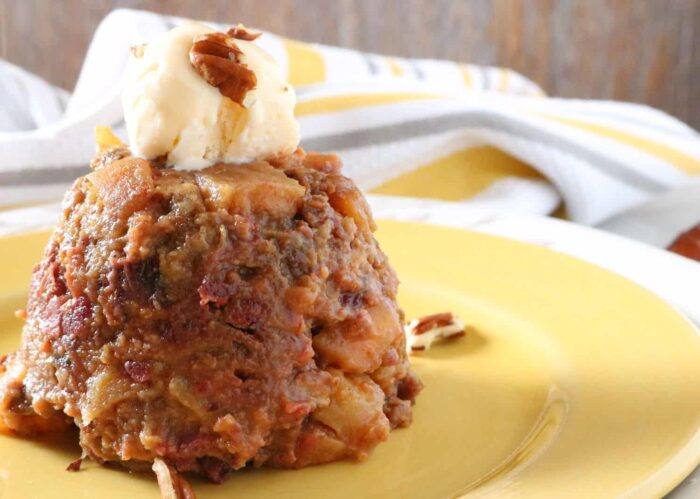 DessertsEasy Slow Cooker Apple Bread Pudding RecipeThere is no comfort food like an old fashioned bread pudding recipe. This easy slow cooker version of bread pudding will have you enjoying the sweet…
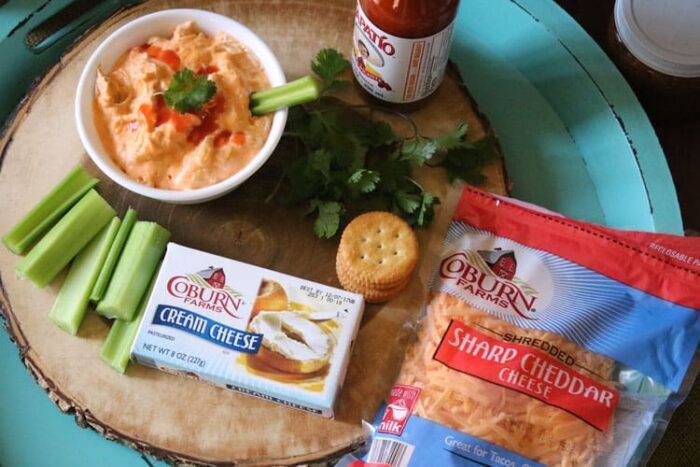 AppetizersKeto Buffalo Chicken DipAre you ready for some football? Tailgating, that is! Whether you're cooking up something yummy to take to the game or you're tailgating in front of…
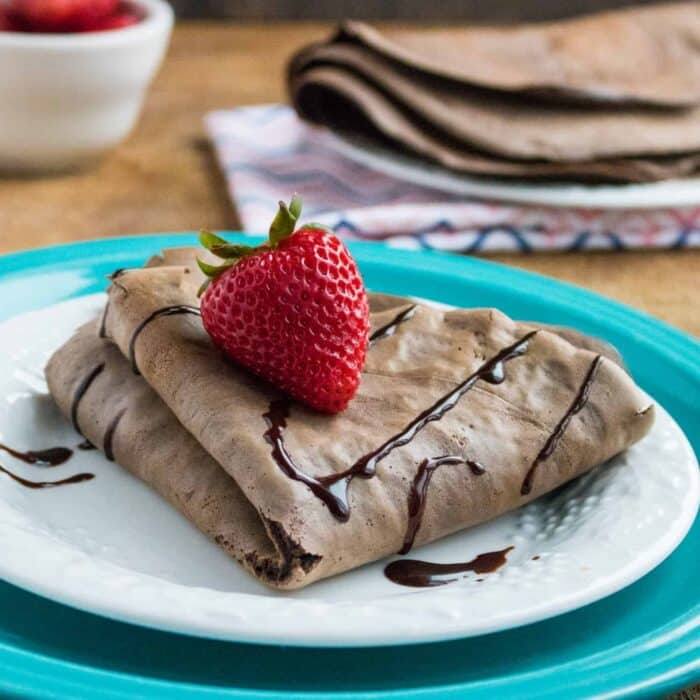 DessertsChocolate Dessert Crepes RecipeRich, chocolatey crepes filled and folded into a decadent dessert that feels fancy but is surprisingly easy to make. Nothing says elegant like a…
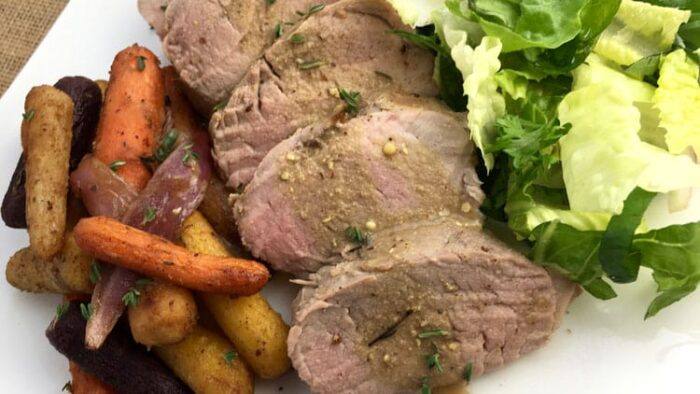 Main dishesBest Mustard Pork Loin and Tasty Thyme-Roasted CarrotsMustard Pork Loin Recipe Do you enjoy cooking pork recipes? Mustard Pork Loin is a healthy dinner choice because pork loin is one of the leaner meats…
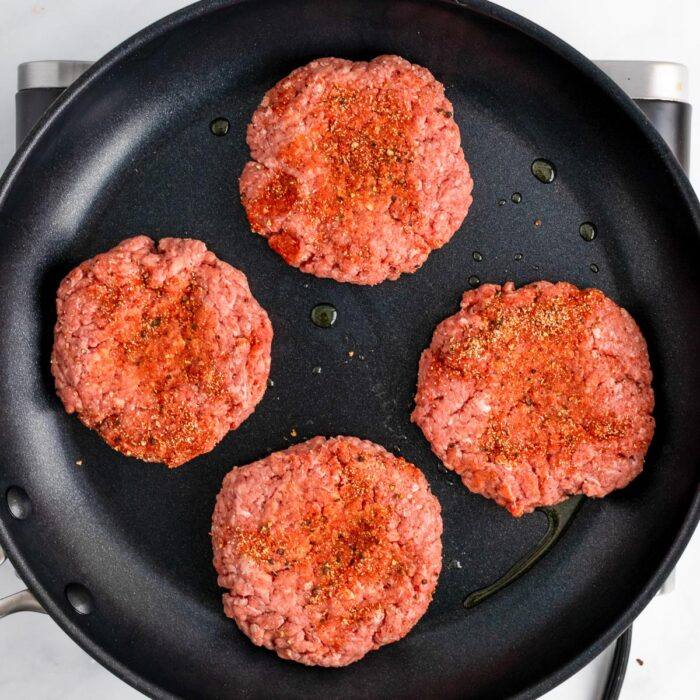 Main dishesHow to Make Burgers on the StoveCooking burgers on the stove is so easy! Today I want to walk you through the process of how to make burgers on the stove, so you can create…
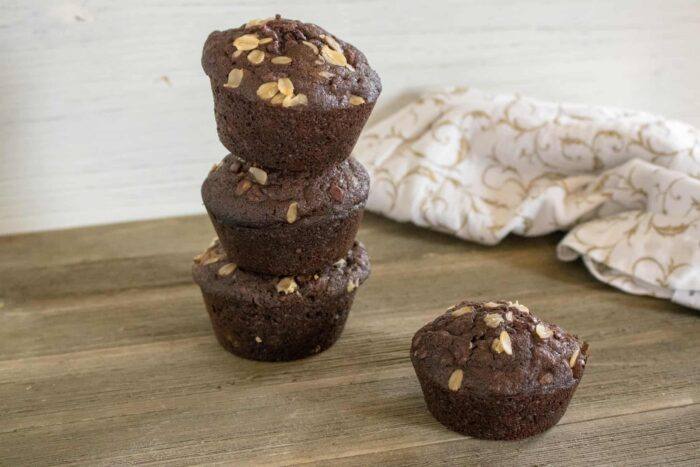 ChocolateChocolate Chocolate Chip Oatmeal MuffinsMake your mornings a little more delightful with this delicious recipe for Chocolate Chocolate Chip Oatmeal Muffins! If your house is like mine…